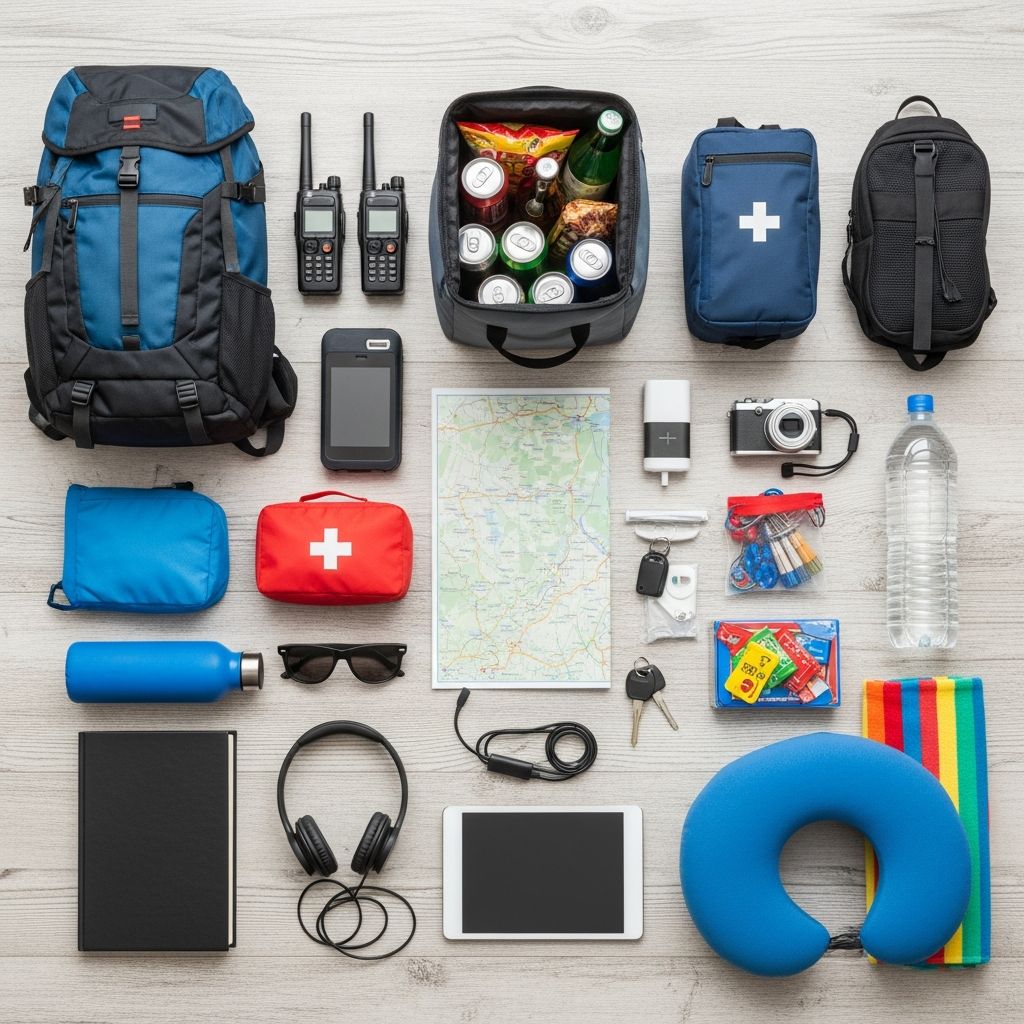
Embarking on a road trip with the family creates lasting memories, but success hinges on thoughtful preparation. From securing the vehicle to keeping children entertained, this guide outlines critical items and strategies to navigate long drives confidently.
Vehicle Preparation and Safety Fundamentals
Before hitting the road, ensure your car is roadworthy. A pre-trip inspection covers tires, brakes, fluids, and lights. Carry essential documents like insurance proof, registration, and roadside assistance contacts. Pack a spare tire, jack, and basic tools for emergencies.
For child safety, install appropriate car seats or boosters meeting current standards. The National Highway Traffic Safety Administration emphasizes proper installation to reduce injury risk by up to 71% for children in crashes (NHTSA, 2023). Window shades protect against sun glare, while hands-free phone mounts prevent distractions.
- Emergency kit: jumper cables, flashlight, flares, tire pressure gauge
- Basic tools: screwdriver set, wrench, duct tape
- Reflective triangles or vests for visibility
- Extra water and blankets for unexpected delays
Health and Hygiene Kit Essentials
Anticipate minor issues with a comprehensive first aid kit. Include bandages, antiseptics, pain relievers, allergy meds, and motion sickness remedies. Wet wipes, hand sanitizer, and toilet paper handle restroom shortages or spills effectively.
For infants, pack diapers, changing pads, and rash cream. A portable potty aids frequent stops. Sunscreen, lip balm, and insect repellent safeguard against environmental hazards. The Centers for Disease Control and Prevention recommends SPF 30+ broad-spectrum sunscreen reapplied every two hours (CDC, 2024).
| Item | Purpose | Quantity Suggestion |
|---|---|---|
| First aid basics | Injuries, allergies | 1 full kit |
| Wet wipes | Cleaning spills, hands | Multiple packs |
| Motion sickness bands/pills | Nausea prevention | Per family member |
| Sunscreen & hats | UV protection | Travel sizes |
Nutrition and Snack Strategies
Fuel the journey with non-perishable, mess-free snacks. Opt for fruit like apples, bananas, or grapes; cheese sticks; nuts; and granola bars. A cooler maintains perishables such as yogurt, sandwiches, and drinks. Avoid sugary treats to prevent energy crashes.
Encourage hydration with reusable bottles or spill-proof cups for toddlers. Pre-portion snacks into individual bags to minimize litter. According to the American Academy of Pediatrics, balanced snacks support sustained energy during travel (AAP, 2023).
- Protein-rich: jerky, peanut butter packets
- Fruits & veggies: carrot sticks, cherry tomatoes
- Crunchy options: pretzels, rice cakes
- Hydration: electrolyte packets for water
Entertainment and Boredom Busters
Long drives demand engaging activities. Curate playlists of family favorites, audiobooks, and podcasts. Screen-free options like travel games, magnetic puzzles, and sticker books keep hands busy without screens.
For tech users, preload tablets with movies, games, and apps; include kid-safe headphones. Car games such as ‘I Spy,’ license plate bingo, or storytelling foster interaction. Rotate items to maintain novelty.
- Printables: scavenger hunts, coloring pages
- Toys: fidget spinners, pipe cleaners, window clings
- Books: Mad Libs, riddle books
- Audio: kid podcasts like ‘Wow in the World’
Comfort Items for All Ages
Pillows, blankets, and favorite stuffed animals provide security. Layered clothing accommodates temperature changes. Slip-on shoes facilitate quick stops. Trash bags or a car organizer contain waste.
Packing cubes streamline access to clothes and gear. For babies, include pacifiers, teething toys, and portable white noise machines. Neck pillows reduce fatigue for older kids.
Planning and Itinerary Tips
Map routes with breaks every 2 hours for stretching. Research kid-friendly stops like parks or viewpoints. Use apps like Waze for real-time traffic. A printed itinerary includes reservations and emergency numbers.
Prepare a ‘grab list’ for last-minute items: chargers, glasses, medications. Color-code bags per person for efficiency.
Packing for Overnight Stays
If camping, add sleeping bags, tents, and camp stoves. For hotels, pack toiletries, pajamas, and a nightlight. A portable fan or cooler enhances comfort.
- Sleep aids: earplugs, eye masks
- Laundry: travel detergent, sink stopper
- Power: multi-port chargers, extension cord
Budget and Eco-Friendly Choices
Reusable items cut costs and waste: cloth napkins, silicone bags. Track expenses with a notebook. The U.S. Environmental Protection Agency notes reusable water bottles reduce plastic use significantly (EPA, 2024).
Frequently Asked Questions
How do I pack snacks without mess?
Choose single-serve packs, use bento boxes, and include trash bags for immediate cleanup.
What if my child gets carsick?
Pack remedies, ginger candies, and stop frequently for fresh air; seat them upfront if possible.
Best games for long drives?
Try 20 Questions, alphabet games, or audio stories—no loose parts.
How often should we stop?
Every 1.5-2 hours for kids under 6; adjust for older children.
Essentials for baby road trips?
Car seat, bottles, diapers, portable crib, and nursing cover.
References
- Safe Ride 4 Kids: Checklist for Your Family Road Trip — Safe Ride 4 Kids. 2023-06-15. https://saferide4kids.com/blog/checklist-family-road-trip/
- National Highway Traffic Safety Administration: Child Safety — NHTSA. 2023-09-01. https://www.nhtsa.gov/equipment/car-seats-and-booster-seats
- Centers for Disease Control and Prevention: Sun Safety — CDC. 2024-05-20. https://www.cdc.gov/cancer/skin/basic_info/sun-safety.htm
- American Academy of Pediatrics: Healthy Travel Snacks — AAP. 2023-07-10. https://www.healthychildren.org/English/safety-prevention/at-home/Pages/Road-Trips.aspx
- U.S. Environmental Protection Agency: Reduce Reuse Recycle — EPA. 2024-01-12. https://www.epa.gov/recycle/reducing-and-reusing-basics