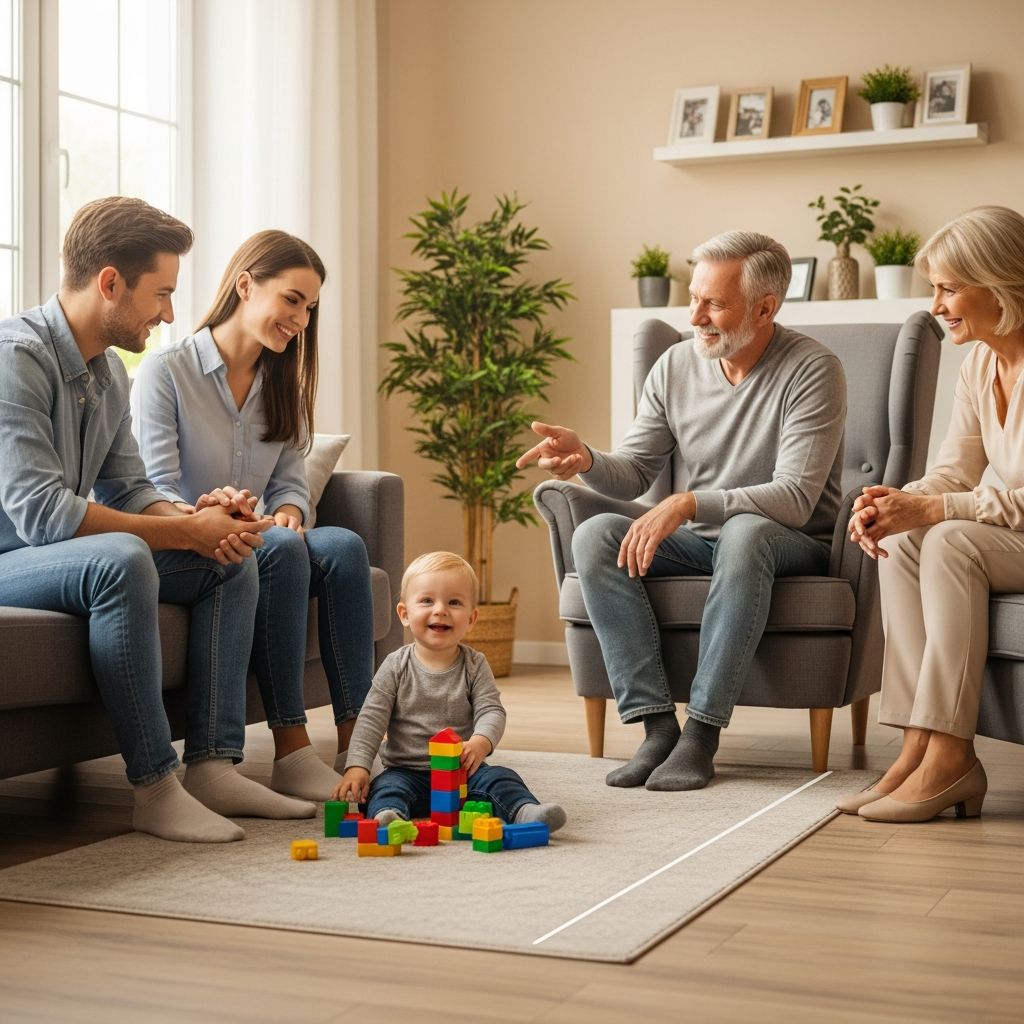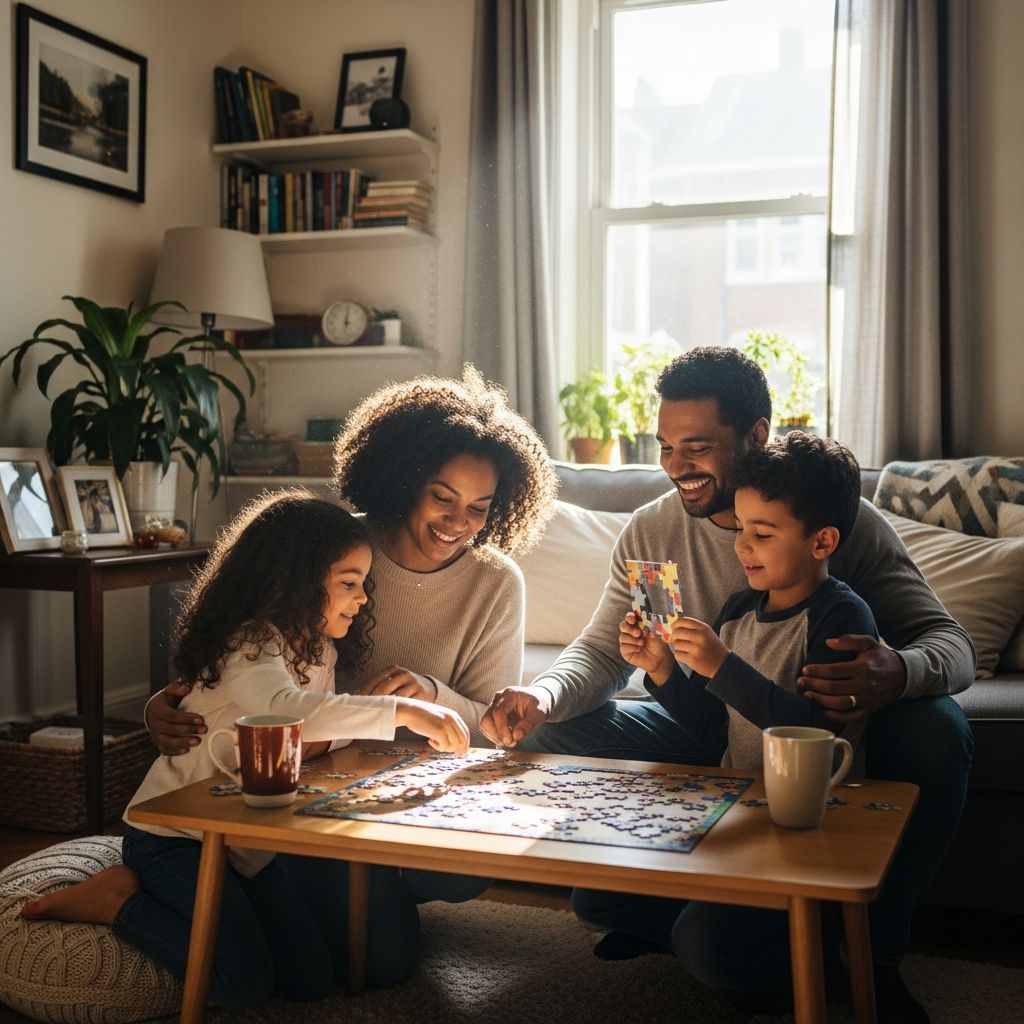
Family life often feels busy, messy, and unpredictable, yet what helps children feel secure and connected are not grand events but the simple moments that repeat over time. These moments, when done with intention and warmth, become family rituals—steady anchors that shape how children feel about themselves, their parents, and their home.
This article explores why family rituals matter, the different kinds of rituals you can create, and how to design ones that actually work in the real world. You will also find practical examples, a comparison table, and a short FAQ section to help you get started or deepen the rituals your family already has.
What Are Family Rituals, Really?
Family rituals are meaningful, repeated activities that your family does in a similar way each time, on purpose, with emotional connection at the center. They can be daily, weekly, seasonal, or tied to important transitions and milestones.
- They are more than routines. A routine gets things done; a ritual adds warmth, presence, and a sense of “this matters to us.”
- They are flexible. A ritual can be as simple as a two-minute goodbye at the door or as involved as a yearly trip, as long as it feels shared and intentional.
Over time, these repeated moments help children answer powerful questions: “Where do I belong?” “What kind of family do I come from?” “What can I count on when life feels hard?”
Why Rituals Matter for Children and Parents
Rituals are not just sentimental; they have deep emotional and psychological impact. They offer predictability in a world that often feels overwhelming, especially to children who are still developing self-regulation and resilience.
- Securit and safety: Knowing what to expect at certain times of day or year helps children relax and feel safe enough to explore, learn, and grow.
- Belonging and identity: Shared rituals communicate, “This is who we are and how we love each other,” giving children a strong sense of family identity.
- Emotional connection: When parents show up consistently in warm, predictable ways, children are more likely to open up, cooperate, and handle frustration better.
Parents also benefit: rituals simplify decisions (“We always read a story before bed”), reduce power struggles, and create built-in opportunities for joy and presence amid busy schedules.
Rituals vs. Routines: A Quick Comparison
The difference between a routine and a ritual is subtle but important. A routine focuses on efficiency; a ritual focuses on meaning and connection. Many families find it useful to gently transform existing routines into rituals with just a few mindful tweaks.
| Aspect | Routine | Ritual |
|---|---|---|
| Main purpose | Get tasks done (e.g., brushing teeth, packing bags) | Create connection and meaning while doing tasks or activities |
| Emotional tone | Neutral or rushed, often focused on efficiency | Warm, intentional, with focus on togetherness and presence |
| Flexibility | Can feel rigid and purely practical | Allows space for play, humor, affection, and conversation |
| Child’s experience | “This is what I have to do.” | “This is what we do as a family; it’s part of who we are.” |
| Long-term impact | Helps with organization and basic skills | Shapes family identity, emotional security, and cherished memories |
Types of Family Rituals You Can Create
Every family will design rituals that reflect its values, culture, and practical realities. Thinking in categories can make it easier to identify what you already do and where you might want to add or strengthen something.
- Daily connection rituals: Small, predictable touchpoints that weave through ordinary days.
- Weekly and weekend rituals: Slightly larger moments that create rhythm across the week.
- Transition rituals: Moments that gently mark the beginning or end of important parts of the day.
- Celebration rituals: Ways your family marks birthdays, achievements, and special occasions.
- Support and repair rituals: Intentional practices used when feelings run high or someone is hurting.
None of these need to be elaborate. The power lies in repetition, emotional presence, and the clear message that each person matters.
Daily Connection Rituals for Busy Families
Daily rituals are often short and simple, yet they can be profoundly grounding. Even a few consistent minutes can help children feel seen and valued, especially on hectic days.
- Morning “hello” ritual: A short pause to greet each child with eye contact, a hug, and a positive phrase such as, “I’m glad to see you this morning.”
- Shared meal moments: If daily family dinners are difficult, try one “no-phones” breakfast or snack time where everyone shares one thing they’re looking forward to.
- Evening check-in: A regular moment—on the couch, at the table, or during bedtime—when every family member can share a high and a low from the day.
When these mini-rituals happen predictably, children begin to rely on them as safe spaces to express feelings, ask questions, and reconnect after separation.
Weekly and Weekend Rituals That Build Belonging
Weekly rituals give structure to time and create “family glue.” Children often remember these weekly traditions for years, not because they are fancy, but because they communicate commitment and continuity.
- Family night: Choose a regular evening for a shared activity—board games, a walk, a simple movie at home, or cooking together.
- Weekend reset: Involve everyone in resetting the home for the week ahead, paired with music, silliness, and a small treat or relaxed time afterwards.
- Sunday (or chosen day) ritual: This could be a pancake breakfast, a park visit, or a special quiet hour where each family member chooses a peaceful activity.
The key is not the activity itself but the expectation: “On this day, we come together in this way.” Over time, that message becomes part of how children understand love and reliability.
Transition Rituals: Soothing the Hardest Moments
Transitions—waking up, leaving for school, coming home, bedtime—are often the flashpoints of family stress. Turning these moments into rituals softens the edges and helps children move from one part of the day to another with less resistance.
- Goodbye doorway ritual: A predictable sequence like a hug, a silly handshake, and a phrase such as, “See you after school!” can ease separation anxiety.
- “We’re home” ritual: When everyone returns home, pause screens and other tasks for a few minutes of focused reconnection—hugs, a snack, or a quick chat.
- Bedtime winding-down ritual: A consistent pattern—bath, pajamas, dim lights, story, and a short cuddle or gratitude moment—helps children’s bodies and brains shift toward rest.
When children know that challenging moments include reliable comfort and connection, they are more likely to cooperate and less likely to melt down from overwhelm.
Celebration Rituals Beyond Birthdays
Most families already have some rituals around birthdays and major holidays. Expanding the idea of celebration to include small victories and personal milestones helps children feel recognized for who they are, not just what they achieve.
- “You did something hard” ritual: After a medical appointment, performance, exam, or social challenge, have a simple way to honor the effort—hot chocolate together, a walk, or a special song.
- Growth celebrations: Mark the first day of a new grade, a new skill learned, or the last day of a big project with a photo, note, or chosen treat.
- Values-based traditions: Create rituals that reflect your family’s values, such as a yearly volunteering day, gratitude dinner, or nature outing.
These kinds of celebrations teach children that perseverance, kindness, and growth matter, not just visible success or perfection.
Support and Repair Rituals During Tough Times
No family can avoid conflict, disappointment, or loss. What helps children heal is not the absence of hard things, but the presence of caring adults who respond with empathy, structure, and reconnection. Support rituals offer a reliable way to respond when feelings get big.
- Feelings corner or comfort space: A cozy spot with pillows, books, or sensory items where a child can go with a parent to breathe, talk, or simply be held.
- Repair conversation ritual: After an argument or outburst, you might regularly come back later for a short talk that includes listening, empathy, and a plan for next time.
- Grief and change rituals: When facing loss, big moves, or transitions, create ways to remember, honor, and talk about what changed—lighting a candle, sharing stories, or making a small keepsake.
These rituals teach children that relationships can bend without breaking and that they can express strong emotions without losing love.
Designing Rituals That Actually Work
It is tempting to imagine elaborate rituals and then feel defeated when they do not fit your family’s real life. The most sustainable rituals are simple, realistic, and rooted in what your family already does.
- Start small: Choose one moment of the day and add one simple ritual, such as a two-minute connection before sleep or a shared song in the car.
- Match your energy and schedule: If evenings are chaotic, consider a morning or weekend ritual instead of forcing something that adds stress.
- Involve your children: Ask what they like best about your current days and what they wish you did more often; use their ideas as seeds for new rituals.
Think of new rituals as experiments rather than permanent commitments. You can try something for two weeks, then keep, tweak, or replace it based on how it feels.
Making Existing Routines More Meaningful
Many families resist the idea of rituals because it sounds like adding more to an already full plate. A gentler approach is to infuse emotional connection into things you already do: eating, traveling, cleaning, or getting ready.
- Add a connecting element: During routines, include eye contact, touch, humor, or a tiny shared phrase to shift the tone from “hurry up” to “we’re in this together.”
- Slow down selectively: You do not need every part of a routine to feel special; even one unhurried moment—like a bedtime cuddle or a shared song—can transform the overall experience.
- Use micro-moments: A 30-second ritual, repeated daily, is more grounding than a long activity that happens only when everyone feels perfect.
Over time, these micro-changes can dramatically alter how both adults and children experience ordinary tasks.
Adapting Rituals as Children Grow
Rituals are living things; they can and should evolve as children grow into new stages and as family circumstances change. What works for a toddler will feel different for a teenager, but the underlying purpose—connection and security—remains the same.
- Keep the core, change the form: If your bedtime story ritual no longer fits, keep the check-in and closeness but switch to a short conversation or shared playlist.
- Respect growing autonomy: Invite older children and teens to shape or lead rituals, such as choosing the weekly meal or picking the activity for family night.
- Stay flexible in hard seasons: During illness, moves, or other stress, simplify rather than abandon rituals—shorten them, move them, or combine them with needed rest.
When children see that rituals can adapt while the bond remains steady, they internalize a powerful lesson about resilience in relationships.
Sample Ritual Ideas by Age Group
Every child is different, and ages overlap, but it can help to see age-appropriate examples. Use these as inspiration and customize them to your family’s personality and culture.
| Age Range | Simple Ritual Ideas |
|---|---|
| Toddlers (1–3) | Bedtime song while rocking or cuddling; a special goodbye wave at the door; naming one favorite part of the day while brushing teeth. |
| Preschoolers (3–5) | Storytime “pile” on the couch; Friday dance party after dinner; a simple greeting routine when a parent returns home. |
| School-age (6–11) | Weekly game or puzzle night; weekend breakfast cooked together; nightly “rose and thorn” sharing at the table. |
| Teens (12+) | Regular coffee or walk-and-talk outings; shared TV show or hobby; end-of-week check-in about goals, challenges, and plans. |
Common Obstacles (and Gentle Solutions)
Even with the best intentions, families often run into the same roadblocks: exhaustion, scheduling conflicts, children resisting change, or parents feeling guilty for not “doing enough.” These challenges are normal and workable.
- Obstacle: Not enough time.
Solution: Focus on tiny rituals (under five minutes) embedded inside existing routines, like a two-minute snuggle before lights out or a shared question of the day at meals. - Obstacle: Children push back.
Solution: Expect some resistance at first and keep the tone light. Invite participation rather than insisting, and let kids help choose or modify rituals so they feel ownership. - Obstacle: Parental burnout or guilt.
Solution: Remember that rituals are supposed to support you too. If something feels like a burden, simplify it or let it go and try something else later.
Perfection is not required; consistency in small, heartfelt ways is what actually builds security and closeness.
Frequently Asked Questions About Family Rituals
Do rituals have to happen every day to matter?
No. Daily rituals can be powerful, but weekly or even monthly rituals also provide important anchors. What matters most is that they are predictable enough for children to look forward to and remember.
What if my family schedule changes often?
In that case, create “floating” rituals tied to events rather than specific times—for example, a consistent way you say goodbye whenever someone leaves, or a ritual you use every time you eat together, regardless of the hour.
Can separated or blended families still have strong rituals?
Absolutely. Each household can have its own rituals while also sharing a few that travel between homes, such as a special object, song, or bedtime phrase that stays consistent regardless of location.
Will my children get bored of doing the same things?
Children often find comfort in repetition. When boredom appears, it is usually a sign that the form can evolve, not that the ritual itself has lost value. Adjust the details while preserving the core feeling of togetherness.
How do I know if a ritual is “working”?
Look for subtle signs: your children remembering or requesting it, a slight ease in transitions, more eye contact or smiles, or your own sense of relief and connection. Rituals are successful when they feel grounding, not when they look impressive.
Turning Ordinary Days Into a Gentle Legacy
In the end, family rituals are less about creating picture-perfect moments and more about weaving a quiet, dependable story of love through everyday life. The bedtime song, the shared joke on the way to school, the weekly pancakes, the way you always come back together after a hard day—these become a language your children carry inside them long after they leave home.
You do not need more time, more money, or more perfection to begin. Choose one ordinary moment in your day, add a bit of presence and warmth, and repeat. Over weeks and years, those small choices grow into a legacy of connection your family will feel for a lifetime.