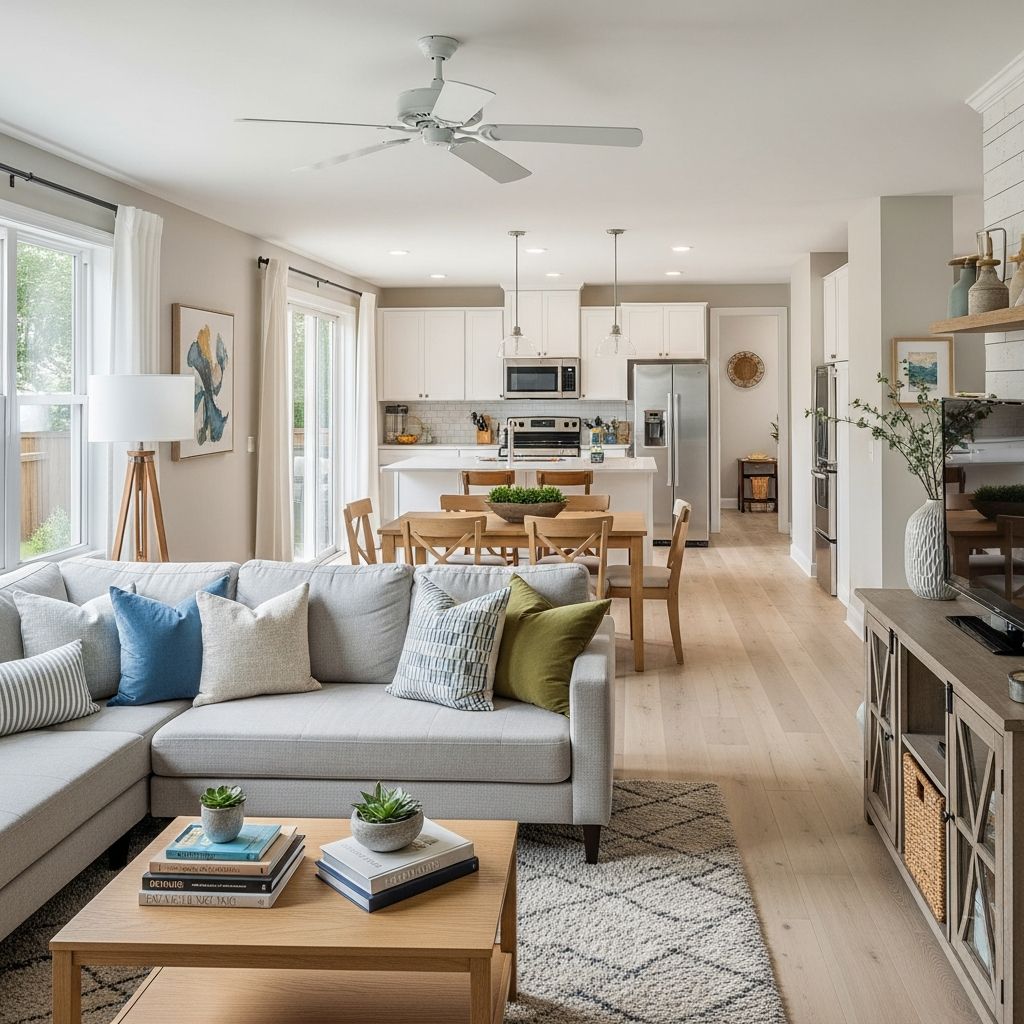
Keeping a family home organized amid daily chaos of school runs, meals, and playtime requires smart systems that involve everyone. These strategies focus on simplicity, child participation, and sustainability to transform overwhelming spaces into functional havens.
Building a Central Family Command Center
A dedicated command center acts as the nerve center for family logistics, consolidating schedules, school documents, and tasks in one visible spot. This prevents lost permission slips and forgotten events, streamlining mornings and evenings.
- Install wall-mounted clipboards or magnetic boards for quick notes and calendars.
- Use color-coded folders: blue for school papers, green for medical forms, red for urgent to-dos.
- Add a family dry-erase calendar to plot weekly events, syncing everyone’s activities at a glance.
Position this hub near the kitchen or entryway for high visibility. Families report fewer oversights after implementing such systems, as everyone checks it habitually.
Streamlining Entryways with Drop Zones
Entryways often become clutter magnets with backpacks, shoes, and coats piling up. Designated drop zones teach kids immediate habits upon arriving home, curbing mess spread.
| Zone Component | Purpose | Kid-Friendly Tip |
|---|---|---|
| Baskets or bins | Shoes and accessories | Label with names or pictures for toddlers |
| Wall hooks | Coats and bags | Install at child height to encourage independence |
| Shoe rack | Footwear organization | Use divided slots to prevent toppling |
These setups reduce morning scrambles by 50% in busy households, per parent testimonials. Train children by demonstrating the routine daily until it sticks.
Mastering Toy and Play Area Management
Toys overwhelm living spaces quickly. Rotate items and categorize to maintain order while keeping play engaging. Limit visible toys to what fits in active bins, storing extras away.
- Like-with-like sorting: Group stuffed animals, blocks, and puzzles separately for easy cleanup.
- Rotation system: Swap bins bi-weekly to refresh interest without buying more.
- Open shelving: Avoid lids that deter kids from putting items away; opt for accessible bins.
This approach cuts cleaning time and prevents burnout. Involve kids in rotations to build ownership.
Creating Calm Zones for Quiet Time
Dedicate a low-stimulation area stocked with books, puzzles, and drawing supplies. This space offers screen-free downtime, aiding parental tidying or family bonding.
Ideal for bedrooms or living room corners, stock with:
- Cozy cushions for comfort.
- Rotating quiet toys to maintain novelty.
- Timers for 15-20 minute sessions to build focus.
Such zones promote relaxation and reduce overstimulation, benefiting child development.
Decluttering Strategies for Lasting Results
Declutter incrementally to avoid overwhelm. Target one area daily, like a drawer or shelf, using the ‘keep, donate, trash’ method.
- Set a 10-minute timer for quick wins.
- Involve kids with donation races for fun.
- Photograph before/after for motivation.
Regular purges prevent accumulation. Families using timed sessions report sustained tidiness.
Age-Appropriate Cleaning Routines
Turn chores into games to instill responsibility. Match tasks to abilities: sorting laundry for preschoolers, wiping surfaces for school-age kids.
- Play upbeat music or use timers for energy.
- Sticker charts reward consistency.
- Weekly 30-minute family cleanups tackle big areas.
These routines foster teamwork and pride in a shared home.
Kitchen and Meal Prep Organization
Kitchens demand efficiency. Pre-plan outfits and meals weekly using hanging closet organizers or fridge caddies.
| Area | Tool | Benefit |
|---|---|---|
| Pantry | Labeled bins | Quick snack access |
| Fridge | Magnetic cups | Reduces dish clutter |
| Car meals | Shower caddie | Spill-proof transport |
Custom notepads for grocery lists save time.
Vertical Space Hacks for Small Homes
Maximize walls with calendars, shelves, and hooks. Convert unused space into trackers for chores, habits, and schedules.
- Acrylic wall calendars for visual planning.
- Suction hooks for bath toys.
- Binder rings for hair accessories.
These keep floors clear and enhance aesthetics.
Laundry and Clothing Systems
Streamline with sorters and outfit prep. Kids’ designated cups and weekly clothing hangs prevent daily decisions.
Baskets at stairs catch upstairs items, making put-away routine.
Custom Planning Tools for Family Sync
Personalized planners track goals, productivity, and events. Monthly overviews plus habit trackers unify family efforts.
Frequently Asked Questions
How do I start organizing with young kids?
Begin small with one zone, like entryway, using visual labels and fun demos. Consistency builds habits.
What’s the best toy storage for limited space?
Open bins grouped by type on low shelves; rotate to manage volume.
How to motivate kids for chores?
Gamify with timers, music, and rewards like stickers.
Can organization work in apartments?
Yes, prioritize vertical solutions and multi-use items.
How often should we declutter?
Seasonally plus monthly mini-sessions for maintenance.
References
- 10 parenting tips for a more organized home — Bright Horizons. 2023. https://www.brighthorizons.com/article/lifestyle/simple-tips-for-better-organization
- 12 Organization Tips to Keep Busy Parents Sane — Lysol. 2024. https://www.lysol.com/tips-resources/home-cleaning-tips/12-home-organization-tips-for-busy-parents/
- Top 5 Family Organization Tips and Tools — Erin Condren. 2023. https://www.erincondren.com/inspiration-center-top-5-family-organization-tips-and-tools
- 21 Tips on Keeping a Simple Home with Kids — Zen Habits. 2022. https://zenhabits.net/21-tips-on-keeping-a-simple-home-with-kids/
- 20 Home Organization Ideas For A Clutter-Free Home — Driven by Decor. 2023. https://www.drivenbydecor.com/home-organization-ideas/
- How to Stay Organized when You Have Kids — A Girl and Her Blog. 2024. https://justagirlandherblog.com/how-to-stay-organized-when-you-have-kids/