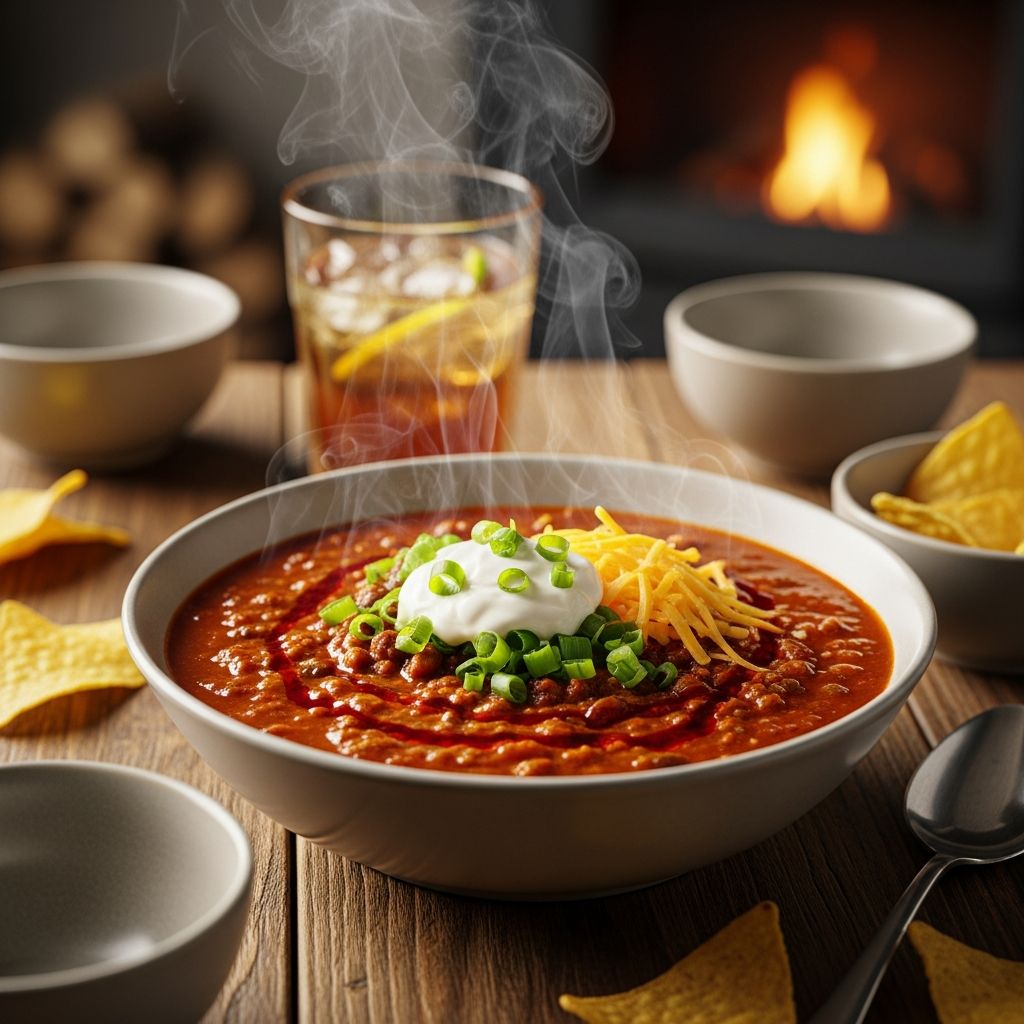
Few dinners please as many people, with as little effort, as a big pot of chili. It is budget-friendly, flexible, and endlessly customizable, which makes it perfect for busy families, picky eaters, and casual gatherings alike.
This guide walks you through the main chili “styles” that work well for home cooks, including ideas for kids, slow-cooker convenience, veggie-forward bowls, and easy ways to adjust spice and texture so everyone at the table is happy.
Why Chili Works So Well for Families
Chili earns a permanent spot in many households for a few simple reasons:
- One-pot simplicity – Most versions cook in a single pot, which cuts down on dishes and cleanup.
- Balanced nutrition – When made with beans and vegetables, chili offers a mix of protein, fiber, and micronutrients that support overall health.
- Scales easily – It is just as easy to cook a large batch as a small one, making leftovers and freezer meals painless.
- Endless variations – Small tweaks in spices, add-ins, or toppings create totally different bowls.
- Customizable at the table – A toppings bar lets adults go spicy while kids keep it mild.
Building Blocks of a Great Chili
Think of chili as a flexible framework instead of a fixed recipe. Most family-friendly versions include these core elements:
| Component | Typical Options | Family-Friendly Tips |
|---|---|---|
| Base protein | Ground beef, turkey, chicken, plant-based crumbles, lentils, beans | Use lean meats or beans to reduce saturated fat while keeping protein high. |
| Beans | Kidney, black, pinto, white beans, or none for low-carb | Rinse canned beans to reduce sodium; mix types for color and texture. |
| Liquid & tomatoes | Broth, crushed or diced tomatoes, tomato sauce | Start with less liquid; add more as it simmers for your preferred thickness. |
| Vegetables | Onions, bell peppers, carrots, corn, zucchini, sweet potatoes | Dice small for veggie-wary kids; use frozen veg to save time. |
| Seasoning | Chili powder, cumin, garlic, oregano, smoked paprika | Add heat separately (like hot sauce at the table) so the main pot stays mild. |
Kid-Friendly Chili Ideas
Children often prefer familiar textures and milder flavors. To keep chili appealing for kids while still satisfying adults, focus on gentle seasoning and a smooth, scoopable texture.
Texture Tricks for Younger Eaters
- Smaller pieces – Dice vegetables finely so they blend in instead of standing out in big chunks.
- Softer beans – Simmer a bit longer or lightly mash some beans against the pot to thicken and soften the mix.
- Spoon-friendly consistency – Aim for a medium-thick chili that sits on a spoon; too soupy can be messy, too dry can feel clumpy.
Flavor Adjustments for Sensitive Palates
- Go easy on heat – Use mild chili powder and skip cayenne or hot peppers in the main pot.
- Add sweetness naturally – A small amount of diced carrot, sweet bell pepper, or sweet potato can gently sweeten the chili without added sugar.
- Serve with familiar sides – Offer crackers, bread, or rice; these make new flavors feel less intimidating.
Kid-Approved Serving Ideas
Instead of serving a plain bowl, present chili in playful, easy-to-eat ways:
- Chili over rice – A half-and-half bowl of rice and chili softens strong flavors.
- Chili “dip” – Serve with tortilla chips or soft pita triangles for scooping.
- Mini chili bowls – Use smaller bowls or ramekins; a small portion feels more approachable.
Comfort Classics: Beef and Turkey Chili
For many families, the gold standard is a tomato-based chili made with ground meat and beans. You can easily switch between beef and turkey depending on your budget, taste, and nutrition goals.
Choosing Your Protein
- Ground beef – Offers rich flavor and classic chili taste; choose lean ground beef to moderate saturated fat.
- Ground turkey or chicken – Mild and lean; readily takes on the flavors of spices and aromatics.
- Half-and-half blend – Mix beef and turkey to keep hearty flavor with a bit less fat.
Easy Flavor Boosters
Without making the recipe complex, a few small touches can deepen flavor:
- Brown the meat well – Let it sear until you see browned bits at the bottom of the pot; those browned bits add savory depth.
- Toast spices briefly – Stir in chili powder, cumin, and paprika and cook for 30–60 seconds before adding liquids to awaken their aroma.
- Add acidity at the end – A squeeze of lime or splash of vinegar right before serving brightens the entire pot.
Veggie-Forward and Bean-Based Options
Beans and vegetables can easily star in their own chili, providing protein and fiber without meat. Legume-rich meals are associated with heart and metabolic benefits when part of a healthy overall pattern.
Plant Proteins That Work Well in Chili
- Beans – Kidney, pinto, black, or white beans make a hearty base.
- Lentils – Cook quickly, break down slightly, and create a thick, satisfying texture.
- Textured vegetable protein or crumbles – Offer a ground-meat-like bite for those transitioning toward more plant-based meals.
Vegetables That Disappear (In a Good Way)
These vegetables melt into the sauce or feel familiar enough that kids rarely object:
- Onions and garlic
- Carrots, finely diced or grated
- Bell peppers, especially sweet red or yellow
- Zucchini, diced small
- Corn (frozen or canned, drained)
Keeping Veggie Chili Satisfying
To keep plant-based chili as filling as meat-based versions, use this simple formula:
- Combine at least two legumes – For example, beans plus lentils.
- Add a hearty vegetable – Such as sweet potatoes or squash for body and natural sweetness.
- Balance seasoning – Extra herbs and spices help boost flavor when there is no meat.
Slow Cooker & Make-Ahead Strategies
On hectic days, knowing dinner is already bubbling away can be a huge relief. The slow cooker and pressure cooker both shine with chili.
Slow Cooker Tips
- Brown meat first – Browning on the stove improves flavor and texture before transferring to the slow cooker.
- Layer ingredients wisely – Place sturdy ingredients like beans and vegetables at the bottom and meat on top for even cooking.
- Thicken at the end – If the chili seems thin, remove the lid for the last 30–45 minutes so liquid can reduce.
Pressure Cooker / Instant Pot Notes
- Sauté mode for aromatics – Soften onions and toast spices before pressure cooking.
- Use less liquid – Pressure cookers do not allow much evaporation, so start with slightly less broth.
- Natural release if possible – Let the pressure come down on its own for 10–15 minutes to prevent sputtering and preserve texture.
Batch Cooking and Freezing
Many chili recipes freeze exceptionally well:
- Cool completely before freezing to maintain texture.
- Portion into meal-size containers or freezer bags labeled with date and contents.
- Reheat gently with a splash of water or broth if the chili has thickened.
Smart Toppings and Sidekicks
A toppings bar turns a simple pot of chili into a fun, interactive meal. It also lets each person adjust spice, richness, and freshness to their liking.
Popular Toppings
- Shredded cheese (cheddar, Monterey Jack, or a blend)
- Plain yogurt or sour cream
- Chopped green onions or red onions
- Fresh cilantro or parsley
- Avocado slices or guacamole
- Crushed tortilla chips, corn chips, or crackers
- Lime wedges and hot sauce for adults
Simple Sides That Stretch a Pot of Chili
- Rice or quinoa – Helps turn one pot into multiple meals.
- Baked potatoes or sweet potatoes – Serve chili spooned on top for a hearty, filling dinner.
- Simple green salad – Adds crunch and lightness to a rich bowl.
- Warm bread or cornbread – Perfect for soaking up every last bit.
Health-Conscious Tweaks Without Losing Comfort
Chili can easily be adjusted to fit different eating patterns—whether you are keeping an eye on sodium, saturated fat, or overall calorie intake.
Lightening Up Without Sacrificing Flavor
- Choose leaner meats – Opt for lean ground beef, turkey, or chicken and drain fat after browning.
- Use beans generously – Beans are rich in fiber and associated with better cardiovascular health when eaten regularly.
- Boost vegetables – Adding carrots, peppers, and other vegetables increases volume and nutrients without many extra calories.
- Watch sodium – Use low-sodium broth and canned beans, then season with salt to taste.
When You Prefer Low-Carb or Bean-Free
- Skip beans and rely on meat, mushrooms, and low-starch vegetables for bulk.
- Use diced peppers, zucchini, and tomatoes generously to keep the pot full.
- Serve over cauliflower rice instead of regular rice if you are counting carbohydrates.
Frequently Asked Questions About Family Chili
How spicy should I make chili for kids?
Start with mild chili powder, avoid hot peppers in the main pot, and offer hot sauce or sliced jalapeños on the side for anyone who wants extra heat.
How long can homemade chili be stored safely?
Refrigerate chili within two hours of cooking and use it within 3–4 days, or freeze it for longer storage; always reheat to a safe internal temperature of at least 74 °C (165 °F).
Can I prepare chili in the morning and let it cook all day?
Yes, the slow cooker is ideal for this. Keep it on the low setting, ensure foods start at a safe temperature, and avoid lifting the lid frequently so it stays hot enough.
Are beans necessary in chili?
No. Many traditional versions skip beans entirely, while others rely on beans as the main protein. For family meals, beans are a budget-friendly way to add protein and fiber, but you can adjust to your preferences.
How can I thicken chili without adding flour?
Mash some of the beans against the side of the pot, simmer uncovered to reduce the liquid, or stir in a small amount of tomato paste; all three methods thicken chili without additional starch.
References
- Dietary Guidelines for Americans, 2020–2025 — U.S. Department of Agriculture & U.S. Department of Health and Human Services. 2020-12-29. https://www.dietaryguidelines.gov/resources/2020-2025-dietary-guidelines-online-materials
- Vegetarian diets and cardiovascular risk — Satija A, Bhupathiraju SN, et al., Current Atherosclerosis Reports. 2017-05-26. https://doi.org/10.1007/s11883-017-0668-5
- Health benefits of legumes and pulses — Mudryj AN, Yu N, Aukema HM, Applied Physiology, Nutrition, and Metabolism. 2014-11-06. https://doi.org/10.1139/apnm-2013-0557
- Leftovers and Food Safety — U.S. Department of Agriculture, Food Safety and Inspection Service. 2020-06-01. https://www.fsis.usda.gov/food-safety/safe-food-handling-and-preparation/leftovers-and-food-safety