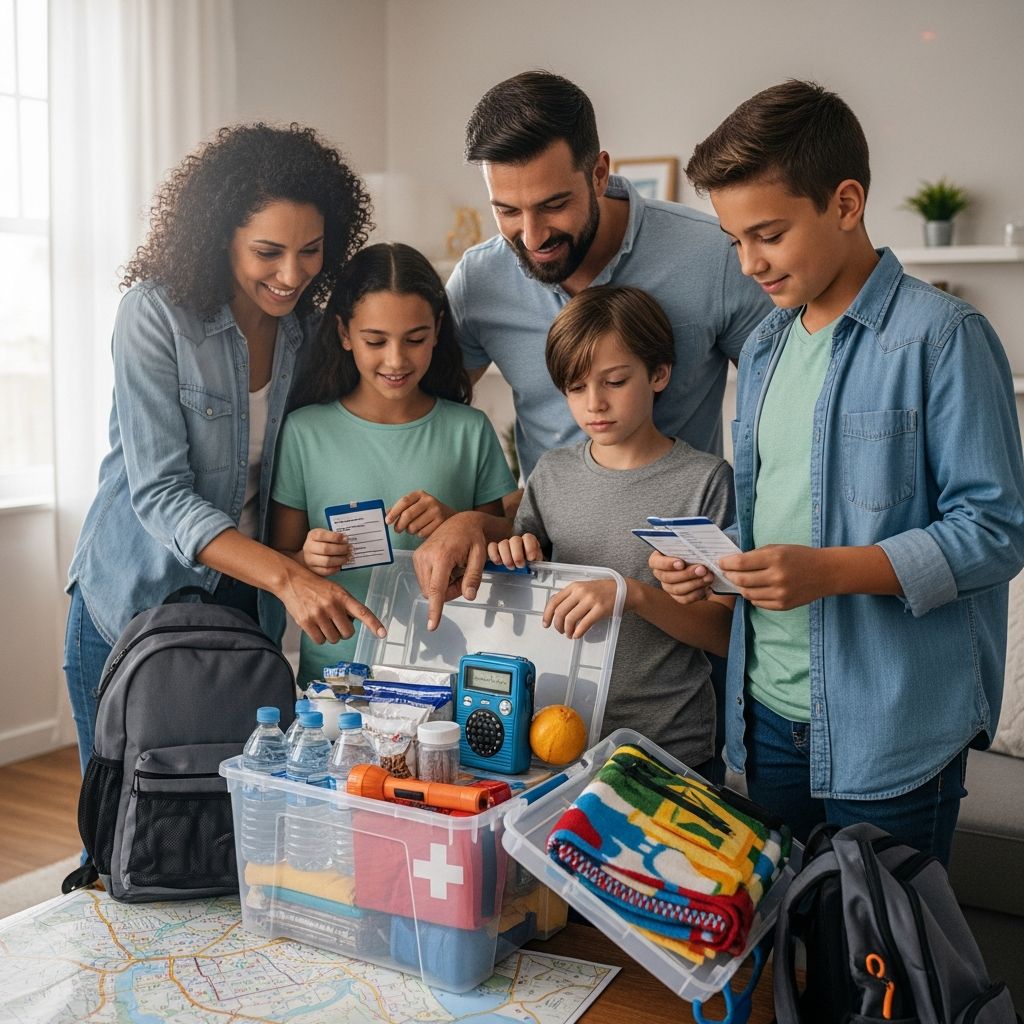
Preparing for unexpected events ensures your loved ones remain safe and supported when crises strike. This guide outlines critical steps to build resilience against natural disasters, power outages, or other disruptions, drawing from official recommendations to create a robust family plan.
Understanding the Need for Preparation
Emergencies like floods, earthquakes, wildfires, or severe storms can disrupt daily life, cutting off utilities such as electricity, water, and communication. Families should aim for self-sufficiency for at least 72 hours to a week, allowing time for rescue or restoration services. Official guidelines emphasize stocking supplies for drinking, sanitation, and basic needs during these periods.
Start by assessing your household’s unique risks based on location—coastal areas may face hurricanes, while inland regions prepare for tornadoes. Discuss potential scenarios with all members to foster awareness and reduce panic.
Building Your Core Family Plan
A solid plan is the foundation of readiness. Begin with open conversations about what to do in various situations.
- Identify Risks: Research local hazards through community alerts or government sites.
- Designate Roles: Assign tasks like grabbing the kit or checking on neighbors to each person.
- Practice Drills: Run monthly simulations for fires or evacuations to build muscle memory.
Next, map out communication strategies. Choose an out-of-area contact for updates if local networks fail. Establish two reunion spots: one nearby, like a neighbor’s yard, and one farther away, such as a community center. Post emergency numbers—including 911, poison control, and doctors—visibly and save them in phones.
Essential Water and Food Reserves
Water is paramount: store one gallon per person per day for at least three days, prioritizing drinking and hygiene. For a family of four, that’s 24 gallons minimum. Use food-grade containers, rotate every six months, and include purification tablets or bleach (8 drops per gallon) for treatment.
Stock non-perishable foods like canned goods, energy bars, and dried fruits for 3-7 days. Opt for items needing no cooking: peanut butter, crackers, and ready-to-eat proteins. Include a manual can opener and consider special diets for infants, elderly, or allergies.
| Item | Daily Amount | 3-Day Total |
|---|---|---|
| Water | 4 gallons | 12 gallons |
| Canned Tuna/Beans | 8 cans | 24 cans |
| Energy Bars | 16 bars | 48 bars |
| Peanut Butter | 2 jars | 6 jars |
This table provides a baseline; scale up for longer durations or pets.
Assembling a Comprehensive First Aid Station
Your kit should treat injuries and illnesses without medical help. Core items include sterile bandages, gauze, medical tape, antiseptics, tweezers, and scissors. Add pain relievers, anti-diarrheals, and allergy meds.
- Prescription meds: 7-14 day supply with instructions.
- Special needs: Glucose monitors, inhalers, or baby formula.
- Infection control: Gloves, masks, and thermometers.
Include a CPR mask and basic manual. Train via free courses from organizations like the Red Cross. Store in waterproof bags for portability.
Power, Light, and Communication Tools
Without grid power, stay informed with battery or hand-crank radios tuned to NOAA stations for alerts. Flashlights with extra batteries or headlamps prevent accidents in the dark.
Charge phones fully, keep power banks handy, and have whistles for signaling. A multi-tool combines knife, plier, and screwdriver functions. For cars, pack jumper cables and flares.
Hygiene and Sanitation Essentials
Maintain health amid disruptions with moist wipes, hand sanitizer, soap, toothpaste, and toilet paper. Garbage bags double as toilets when plumbing fails—line with kitty litter for odor control.
Feminine products, diapers, and pet waste bags address specific needs. Disinfectant bleach treats water and surfaces.
Documents and Financial Safeguards
Protect irreplaceables in waterproof pouches: IDs, passports, insurance policies, bank details, and medical records. Take digital photos of valuables for claims.
Keep $200-500 cash in small bills, as ATMs may fail. Include copies of wills, deeds, and pet vaccines.
Clothing, Shelter, and Comfort Items
Pack weather-appropriate clothes: sturdy shoes, rain gear, hats, and extra socks for each person. Sleeping bags or mylar blankets provide warmth.
Tents or tarps create shelter if displaced. For kids, include comfort toys; for pets, leashes and food.
Tools for Utility Control and Repairs
Equip with wrenches to shut off gas/water, duct tape for seals, rope for securing items, and a shovel for debris. Fire extinguisher (ABC type) and matches in waterproof cases are vital.
Work gloves and goggles protect during cleanup.
Vehicle and Evacuation Preparations
Keep your car kit stocked: blankets, tools, snacks, and maps. Fuel tank at half-full always. Know evacuation routes and practice them.
During alerts, grab kits, secure home, and follow official paths. Shut off utilities if time allows.
Special Considerations for Vulnerable Members
Tailor kits for infants (formula, diapers), seniors (extra meds, mobility aids), and pets (food, carriers). Those with disabilities need battery backups for devices.
Maintenance and Testing Your Setup
Check kits biannually: rotate food/water, test batteries, update documents. Involve kids in inspections to teach responsibility.
Frequently Asked Questions
What is the minimum water storage for a family?
One gallon per person per day for 3 days minimum; aim for 7 days.
How do I store food long-term?
Use airtight containers in cool, dry places; rotate stock using FIFO method.
What’s in a basic car kit?
Radio, flashlight, cables, blanket, extinguisher, water, snacks.
Can I use tap water for storage?
Yes, if sanitized; add 8 drops bleach per gallon and seal.
How often should we practice our plan?
Monthly drills ensure readiness.
References
- Emergency Preparedness Checklist — Nevada Office of Emergency Management. 2023. https://www.oem.nv.gov/emergency-management/threats-hazards/emergency-preparedness-checklist/
- Disaster Supply Checklist — Texas Ready. 2024. https://texasready.gov/build-a-kit/disaster-supply-checklist.html
- Emergency Preparedness Checklist — American Red Cross. 2006-10-12. https://www.redcross.org/content/dam/redcross/atg/Chapters/Division_1_-_Media/Denver/Denver_-_PDFs/EmergencyPreparednessChecklist.pdf
- Emergency Preparedness Checklist — Columbia University Irving Medical Center Facilities. 2024. https://www.facilities.cuimc.columbia.edu/fire-and-life-safety/emergency-management/emergency-preparedness-checklist
- Emergency Essentials: Preparedness Basics — REI Expert Advice. 2024. https://www.rei.com/learn/expert-advice/emergency-preparedness-basics.html
- Family Emergency Kit — South Carolina Emergency Management Division. 2024. https://www.scemd.org/prepare/your-emergency-plan/family-disaster-plan/family-emergency-kit/
- A Disaster Kit for Staying at Home — NC State Extension Publications. 2023. https://content.ces.ncsu.edu/a-disaster-kit-for-staying-at-home