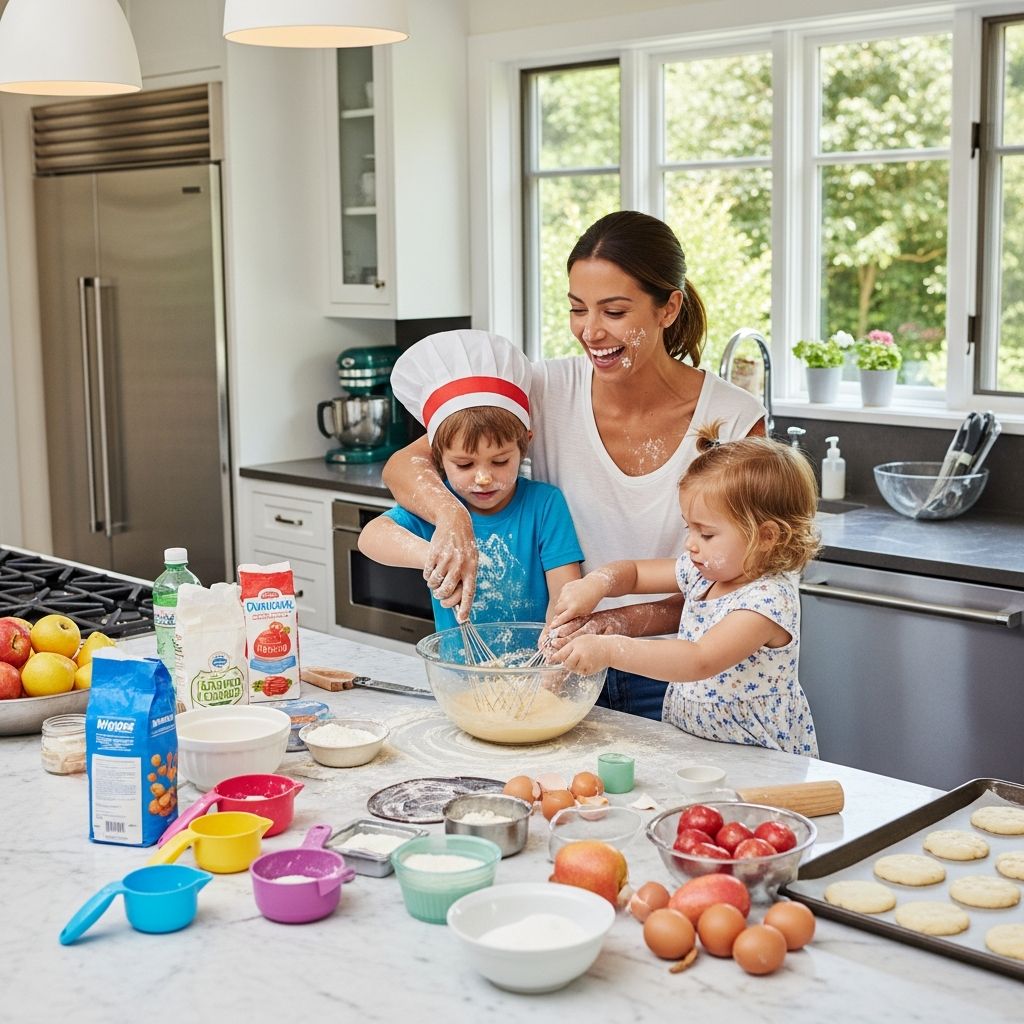
Family bonding takes many forms, but few activities rival the magic of baking together in the kitchen. When celebrities like singer Pink showcase their playful baking sessions with young children, it highlights a universal truth: simple, messy fun can create profound connections. These moments go beyond the final product, fostering creativity, patience, and joy in both parents and kids.
The Allure of Celebrity Family Moments in Everyday Settings
Celebrities often give us glimpses into their home lives through social media, humanizing their superstar status. A video of a famous mom and her little one covered in flour and frosting resonates because it mirrors what millions of families experience daily. These shared stories remind us that even global icons prioritize quality time amid hectic schedules.
Take, for instance, high-profile entertainers who post about duck-themed treats made alongside their preschoolers. Such posts, captioned with humorous self-deprecation like ‘Nailed it!’, spark smiles and relatability. They emphasize imperfection as part of the charm, encouraging parents everywhere to embrace the chaos of family cooking projects.
Why Baking Strengthens Parent-Child Bonds
Baking isn’t just about sweets; it’s a gateway to emotional growth. According to child development experts from the American Academy of Pediatrics, hands-on activities like measuring ingredients teach math skills, following recipes builds reading comprehension, and decorating fosters artistic expression. These sessions also promote teamwork, as kids learn to share tasks and celebrate collective achievements.
- Emotional Connection: Shared laughter over spills deepens trust and affection.
- Skill Development: Fine motor skills improve through stirring and piping.
- Confidence Boost: Seeing a creation come to life empowers young minds.
- Healthy Habits: Involving kids introduces nutrition discussions naturally.
Psychological studies, such as those published by the Journal of Family Psychology, link routine family rituals like baking to reduced stress and improved family dynamics. Parents report feeling more present, while children gain a sense of accomplishment that spills into other areas of life.
Simple Recipes for Family Baking Success
Getting started doesn’t require gourmet skills. Opt for foolproof recipes that prioritize fun over perfection. Here’s a basic cupcake base adaptable for any theme:
| Ingredient | Quantity | Purpose |
|---|---|---|
| Flour | 1.5 cups | Structure |
| Sugar | 1 cup | Sweetness |
| Eggs | 2 | Binding |
| Butter | 1/2 cup | Moisture |
| Milk | 1/2 cup | Consistency |
| Baking Powder | 1 tsp | Rise |
Mix wet and dry ingredients separately, combine gently, and bake at 350°F for 18-20 minutes. For frostings, blend butter, powdered sugar, and a splash of milk, then tint with food coloring for vibrant results.
Theme ideas abound: animal shapes using cookie cutters on fondant, seasonal motifs like hearts or stars, or character-inspired designs. The key is preparation—lay out tools beforehand to minimize frustration.
Navigating Kitchen Challenges with Young Bakers
Every parent knows the hurdles: impatience, sticky messes, and occasional tears. Age-appropriate roles make all the difference. For toddlers (ages 2-4), focus on safe tasks like dumping ingredients or pressing cutters. School-age kids (5-8) can handle mixing and simple piping.
Safety first: Use stable stools, keep ovens locked, and supervise knife use. Mess management involves drop cloths and pre-measured bowls. If a project flops, reframe it as a learning adventure—turn lopsided cupcakes into ‘abstract art’ treats.
Pro Tip: Set a timer for each step to keep energy high and attention focused.
Celebrity Inspirations Beyond the Spotlight
Baking stories from stars extend past one viral post. Other entertainers share tales of midnight cookie dough sessions or elaborate cake builds with their families. These anecdotes underscore a trend: high-achieving parents carving out unplugged time for tactile joys. Social media amplifies this, turning personal milestones into communal inspiration.
One notable example involves a mom dedicating hours to themed treats, only to adapt when plans change, highlighting resilience. Such narratives counterbalance the glamour of fame with grounded parenting realities.
Healthier Twists on Classic Treats
Modern families seek balance. Swap refined sugars for fruit purees, use whole grains in batters, or incorporate veggies like zucchini into chocolate cupcakes. The USDA recommends involving children in meal prep to encourage lifelong healthy eating habits, per their MyPlate guidelines.
- Almond flour for gluten-free options.
- Yogurt for tangy, reduced-fat frosting.
- Dark chocolate chips for antioxidant boosts.
These adaptations maintain fun while modeling mindful choices. Track progress with a family ‘recipe journal’ to celebrate evolutions over time.
Seasonal and Themed Baking Ideas
Align projects with holidays or milestones for extra excitement. Spring calls for bunny ears from marshmallows; summer for beach ball colors; fall for pumpkin spice swirls. Birthdays offer endless potential—personalize with a child’s favorite animal or hobby.
Even school restrictions, like no-sweets policies, inspire creativity. Donate baking supplies to class funds or host home parties with homemade goodies. This flexibility turns obstacles into opportunities.
Long-Term Benefits for Growing Minds
Regular baking yields dividends. A study from the Harvard Graduate School of Education notes that collaborative play enhances executive function—planning, focus, and self-control. Parents observe improved patience and problem-solving in daily routines.
Moreover, these activities combat screen overload, promoting sensory engagement. As kids age, they might lead sessions, reversing roles and building leadership.
Building a Family Baking Tradition
Sustain the habit by scheduling monthly bakes or tying them to events. Document with photos (not just for Instagram) to create a legacy album. Over years, these evolve from basic mixes to signature family recipes, passed down generations.
Encourage experimentation: What if we add herbs to savory scones? Or make ice cream toppers? This curiosity fuels innovation.
Frequently Asked Questions (FAQs)
What age is best to start baking with kids?
Begin around age 2 with simple pouring tasks; by 4-5, they can manage full recipes under supervision. Adapt to your child’s readiness.
How do I clean up baking messes quickly?
Use parchment paper for surfaces, scrape bowls before washing, and enlist kids in tidying for shared responsibility.
Can baking help picky eaters?
Yes—kids are more likely to try foods they help prepare, per nutrition research from the Academy of Nutrition and Dietetics.
What if my child loses interest midway?
Keep sessions short (30-45 minutes), offer choices in tasks, and finish later if needed. Flexibility keeps it enjoyable.
Are there allergy-friendly baking tips?
Substitute eggs with flaxseed gel, dairy with plant milks, and nuts with seeds. Label treats clearly for sharing.
Embracing Imperfectly Perfect Family Creations
In a world of polished perfection, baking’s beauty lies in its messiness. Whether inspired by a celebrity’s duck cupcakes or your own wild ideas, these kitchen escapades weave the fabric of family lore. Dive in, get flour-dusted, and watch bonds flourish—one sugary triumph at a time.
References
- Family Rituals and Child Well-Being — Journal of Family Psychology, American Psychological Association. 2023-05-15. https://psycnet.apa.org/doiLanding?doi=10.1037%2Ffam0001142
- Hands-On Learning in Early Childhood — American Academy of Pediatrics. 2024-02-10. https://publications.aap.org/pediatrics/article/153/2/e2023063796/196163
- MyPlate Kitchen Activities for Families — United States Department of Agriculture. 2025-01-20. https://www.myplate.gov/eat-healthy/family-cooking
- Collaborative Play and Executive Function — Harvard Graduate School of Education. 2023-11-08. https://www.gse.harvard.edu/ideas/usable-knowledge/23/11/importance-play
- Involving Children in Food Prep — Academy of Nutrition and Dietetics. 2024-07-12. https://www.eatright.org/food/planning-and-prep/get-kids-in-the-kitchen