Understanding Seasonal Dressing for Infants and Toddlers
As temperatures begin to shift during the autumn months, parents face the challenge of transitioning their baby’s wardrobe to accommodate cooler weather while maintaining comfort and mobility. The fall season presents a unique opportunity to explore new textures, colors, and silhouettes that work harmoniously with both active play and family outings. Unlike adult fashion, which often prioritizes aesthetics alone, baby clothing must balance style considerations with practical requirements such as ease of dressing, temperature regulation, and freedom of movement.
Modern parenting has evolved to embrace a more functional approach to children’s fashion, where comfort and durability take precedence without sacrificing contemporary style. This shift reflects a deeper understanding of child development and the recognition that the clothes babies wear directly impact their ability to explore, play, and develop motor skills.
Essential Fabric Choices for Autumn Comfort
The foundation of any successful fall wardrobe begins with understanding which materials work best during transitional weather. Contemporary trends emphasize natural fibers and innovative blends that provide both insulation and breathability, ensuring babies remain comfortable whether indoors or outdoors.
Premium Textural Options
Teddy and boucle materials have emerged as leading choices for fall baby clothing, offering a soft, fluffy texture that provides genuine warmth without excessive weight. These fabrics embody the comfort-focused approach that modern parents seek, creating pieces that feel gentle against delicate skin while effectively insulating against cool air. Baby teddy jackets and sherpa coats in these materials combine practicality with visual appeal, serving as both functional outerwear and stylish statement pieces.
Velvet and corduroy fabrics represent another significant trend in autumn baby fashion, adding structure and sophistication to children’s wardrobes. Unlike their delicate reputation suggests, quality velvet pieces designed for babies maintain softness while offering durability. Baby velvet trousers and soft velvet jackets create refined looks suitable for both casual outings and special occasions, bridging the gap between comfort and elegance that parents increasingly demand.
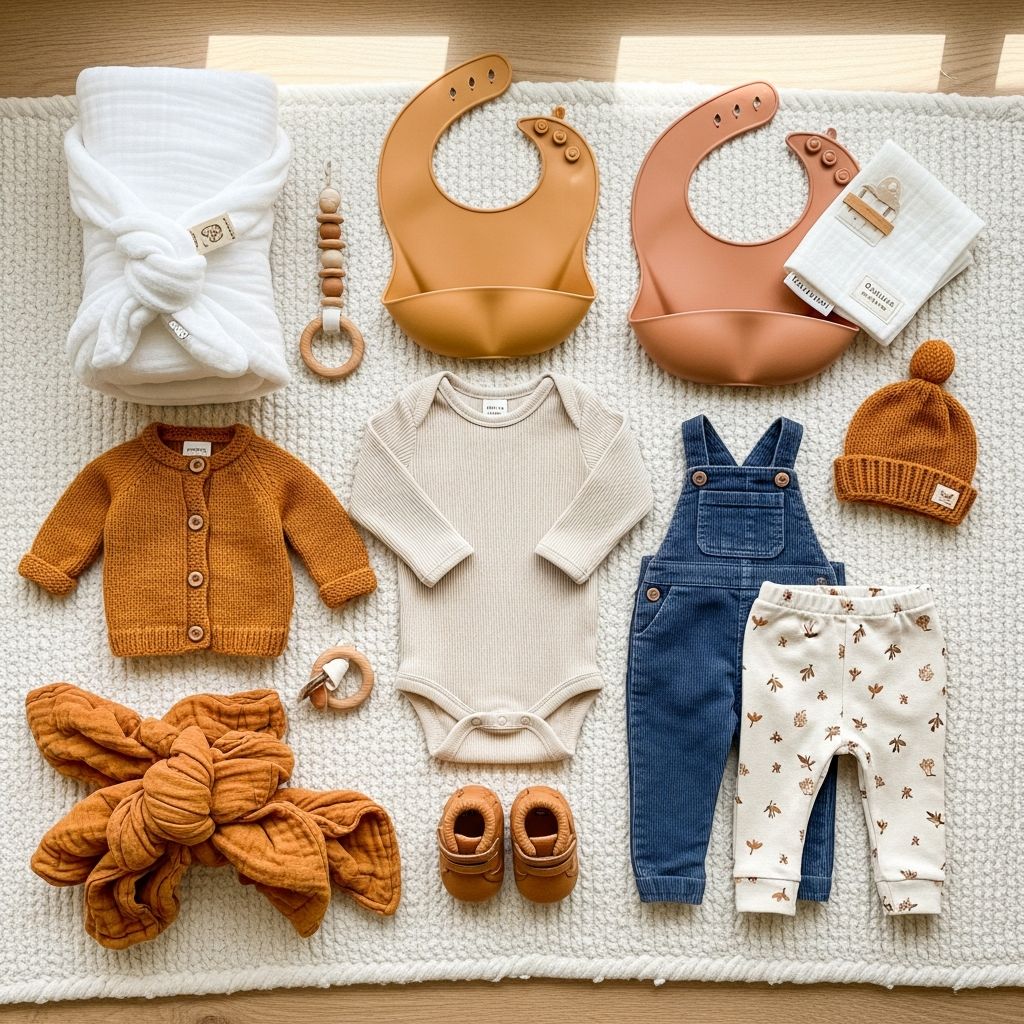
Knitted textiles remain timeless staples throughout the fall season. Chunky ribbed sweaters, cable-knit cardigans, and oversized knit layers provide excellent temperature regulation while allowing for easy layering. The breathability of quality knitwear prevents overheating during active play, while the insulating properties maintain warmth during quieter moments.
Building an Effective Layering System
Strategic layering represents the most practical approach to managing fluctuating autumn temperatures. Rather than investing in multiple heavy pieces, parents can create versatile combinations using lighter components that work together seamlessly.
The Three-Layer Foundation
The most effective layering approach combines three distinct components:
- A soft cotton bodysuit or lightweight undershirt as the base layer for moisture management and comfort against the skin
- A medium-weight knit sweater or cardigan as the insulating middle layer that traps warmth
- A structured outer layer such as a teddy jacket or velvet blazer that provides wind and moisture protection
This system allows parents to quickly adjust clothing based on environmental conditions and activity levels. A baby heading from a warm home to a cool outdoor park can simply have the outer layer added or removed without requiring complete outfit changes. Similarly, as the day warms up or the child becomes more active, individual layers can be temporarily removed and easily reattached.
Contemporary Color Palettes for Fall Fashion
Modern autumn baby fashion embraces two distinct color philosophies that can be combined or worn separately depending on parental preference and occasion.
Warm Neutral Tones
The foundational color palette for fall features warm, earthy neutrals that provide versatility and timeless appeal. Beige, camel, chocolate brown, olive green, and sand tones form the basis of sophisticated autumn looks. These colors coordinate effortlessly with multiple pieces in a baby’s wardrobe, reducing the need for extensive clothing purchases while maximizing outfit combinations. The neutral palette also provides a clean canvas for seasonal layering and works across different seasons, extending the useful life of each piece.
Accent Colors and Bold Statements
To prevent autumn wardrobes from appearing monotonous, contemporary trends incorporate bold accent colors that add personality and visual interest. Deep mustard yellows, rich burgundy reds, forest greens, and jewel tones bring energy to neutral foundations. Even unexpected pastel shades such as powder pink and soft blue create interesting contrasts when paired with warm neutrals. These accent pieces can be strategically placed as sweaters, jackets, or coordinating bottoms that transform basic neutral foundations into distinctive looks.
Gender-Neutral Silhouettes and Comfort-First Design
Contemporary children’s fashion has shifted decisively toward unisex and gender-neutral designs that prioritize comfort and functionality over traditional gendered aesthetics. This evolution reflects both practical considerations and changing cultural attitudes toward children’s clothing.
Loose-fitting cuts and oversized jackets provide multiple advantages beyond their trendy appeal. These relaxed silhouettes accommodate rapid growth, meaning clothing items remain usable longer as children develop. The extra room allows for layering without restriction, enabling parents to add or remove clothing components as needed. Additionally, loose cuts enhance freedom of movement, supporting active play and physical development during crucial early childhood years.
Comfortable joggers and relaxed trousers have become staple pieces in modern baby wardrobes, replacing rigid or restrictive designs that limit mobility. When combined with structured tops or jackets, these casual bottoms create balanced looks that feel both current and practical.
Coordinated Sets and Simplified Dressing
The increasing popularity of matching coordinate sets reflects parents’ desire for efficiency in daily dressing routines. Pre-coordinated outfits eliminate decision-making during hectic mornings, ensuring babies are dressed in harmoniously combined pieces without requiring extensive styling knowledge.
These sets function effectively across different contexts, whether worn for everyday home activities or special occasions. Available in cotton, velvet, knit, and specialty fabric blends, coordinate sets provide stylish solutions while reducing the mental load of wardrobe coordination. Additionally, sets maximize outfit variety from fewer individual pieces, making them economical choices for budget-conscious families.
Practical Implementation Strategies
Temperature-Based Selection Guidelines
| Temperature Range | Recommended Approach | Fabric Suggestions |
|---|---|---|
| 60-70°F (15-21°C) | Light layering with option to remove | Cotton, lightweight knit, soft velvet |
| 50-60°F (10-15°C) | Full three-layer system | Cotton base, cable knit, sherpa jacket |
| Below 50°F (Below 10°C) | Maximum insulation with structured outer | Thermal underlay, chunky knit, teddy coat |
Maintenance and Sustainability Considerations
Loose-fitting silhouettes offer environmental and economic advantages beyond immediate comfort benefits. The extended wearable lifespan of oversized pieces accommodates growth spurts, reducing the frequency of wardrobe replacements. Additionally, unisex designs facilitate hand-me-downs between siblings, multiplying the utility of each garment. Parents building sustainable children’s wardrobes benefit from selecting timeless styles and quality fabrics that withstand multiple wearers and seasons.
Frequently Asked Questions About Fall Baby Fashion
How frequently should I adjust my baby’s clothing layers as temperatures change throughout the day?
Most parents find that checking their baby’s comfort level every two to three hours works well. Watch for signs of overheating such as sweating or flushed skin, and indicators of cold such as shivering or pulling toward warm objects. Adjust layers accordingly, typically removing one component during peak afternoon warmth and adding it back as evening approaches.
Are organic or natural-fiber fabrics necessary for fall baby clothing?
While natural fibers like organic cotton and wool offer excellent breathability and temperature regulation, quality synthetic blends can also perform well. The most important consideration involves selecting soft, breathable materials that won’t irritate sensitive skin. Test fabrics against your own skin to evaluate softness, and prioritize brands with strong quality standards regardless of fiber composition.
How should I balance fashion trends with practical needs when building a fall wardrobe?
Begin by investing in quality basics in neutral colors that coordinate easily and withstand regular washing. Then incorporate trendy pieces as accent items or outer layers that can be mixed and matched with neutral foundations. This approach allows you to participate in current fashion while maintaining a functional, cohesive wardrobe that serves practical purposes.
What features should I prioritize when selecting outdoor outerwear for fall activities?
Look for water-resistant outer shells that maintain breathability, secure closures that won’t come undone during active play, and sufficient room for layering underneath without creating bulk. Quality stitching and reinforced seams ensure longevity through multiple seasons and potential hand-me-downs.
Can I use summer clothing items combined with strategic layering instead of purchasing entirely new fall pieces?
Absolutely. Many lightweight summer pieces work effectively as base layers under fall jackets and sweaters. Strategic layering extends existing wardrobe utility and reduces the need for seasonal purchases. Focus your new investments on outer layers and insulating pieces that weren’t necessary during warmer months.
References
- Baby & Kids Fashion Trends Autumn-Winter 2025-2026 — Milk and Wool. 2025. https://milkandwool.com/en/blogs/articles/baby-kids-fashion-trends-autumn-winter-2025-2026-looks-fabrics-colours