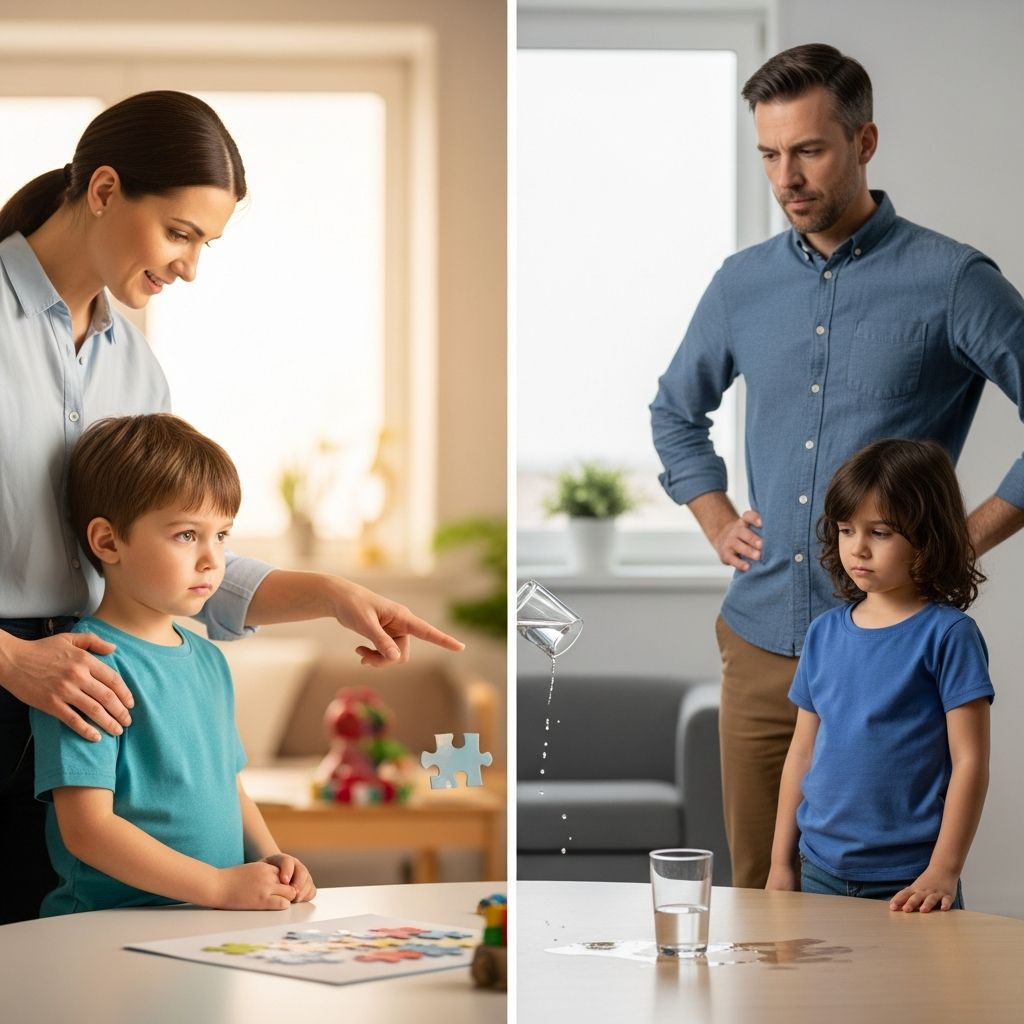
FAFO parenting, standing for “F**k Around and Find Out,” has surged in popularity as a method that prioritizes natural consequences over constant intervention. Parents allow children to make decisions and face the direct results, promoting growth through experience rather than lectures or punishments.
The Rise of FAFO in Today’s Parenting Landscape
This style emerged as a counterbalance to more hands-on approaches like gentle parenting, which some find exhausting due to endless validation and negotiation. Instead, FAFO offers a structured yet freeing way to teach life lessons early. Popularized through social media and podcasts in early 2025, it resonates with parents seeking less emotional labor while still nurturing their children.
At its core, FAFO creates safe-to-fail environments where kids test boundaries and learn cause-and-effect relationships. It’s not neglectful; it’s intentional guidance that builds confidence and decision-making skills from a young age.
Core Elements That Define Effective FAFO Parenting
Successful FAFO implementation rests on several foundational principles:
- Clear Boundaries with Flexibility: Parents set non-negotiable safety rules but permit choices in low-stakes areas, ensuring kids understand limits upfront.
- Natural Over Artificial Consequences: Outcomes stem directly from actions, like feeling cold without a coat, rather than imposed penalties.
- Emotional Support Post-Experience: After the lesson, parents debrief calmly, reinforcing love and helping process feelings without rescuing.
- Age-Appropriate Application: Simpler scenarios for toddlers, more complex ones for older kids, matching developmental readiness.
These elements distinguish FAFO from punitive methods, emphasizing compassion alongside accountability.
Key Advantages for Children and Families
FAFO parenting yields measurable benefits backed by child development insights. Here’s a breakdown:
| Benefit | Description | Long-Term Impact |
|---|---|---|
| Resilience Building | Kids face setbacks safely, learning to recover independently. | Stronger emotional strength for adulthood challenges. |
| Accountability Growth | Direct links between choices and results foster ownership. | Internal moral compass and better decision-making. |
| Fewer Conflicts | Eliminates nagging and power battles as consequences teach. | Harmonious home dynamics and trust. |
| Real-World Preparation | Mimics life’s unforgiving nature in a protected setting. | Independence and problem-solving prowess. |
Parents report reduced stress and stronger parent-child bonds, as kids gain self-esteem from mastering their own paths.
Practical Examples Across Age Groups
To illustrate, consider these everyday scenarios tailored by age:
- Toddlers (2-4 years): A child insists on no jacket during winter play. They shiver after one minute outside, then eagerly grab their coat next time.
- School-Age (5-10 years): Skipping homework leads to struggling with a class quiz. The discomfort motivates consistent study habits without parental reminders.
- Teens (11+): Ignoring a curfew results in missing a social event due to tiredness. They adjust routines to balance priorities.
Additional cases include rudeness ending playdates prematurely or forgotten lunches prompting hunger that encourages packing bags independently. Consistency is key—follow through every time to solidify learning.
Navigating Potential Drawbacks and Missteps
While powerful, FAFO isn’t foolproof. Critics note risks like emotional detachment if overused, potentially eroding trust. Younger children may lack cause-effect comprehension, leading to frustration rather than insight.
Common pitfalls include:
- Applying to high-risk situations, like unsafe play, which demands intervention.
- Motivating from parental frustration rather than child growth, turning it punitive.
- Neglecting debriefs, leaving kids feeling unsupported.
Experts recommend selective use: evaluate developmental stage, safety, and intent before stepping back. Balance with empathy ensures emotional security.
Step-by-Step Guide to Introducing FAFO at Home
Transitioning to FAFO requires preparation:
- Assess Readiness: Start with simple, immediate consequences for ages 3+.
- Communicate Expectations: Preview outcomes, e.g., “If no coat, you’ll feel cold.”
- Observe and Follow Through: Stay present but non-interfering.
- Debrief Lovingly: Discuss feelings and alternatives afterward.
- Scale Up Gradually: Expand to bigger decisions as confidence builds.
Track progress over weeks; adjust based on your family’s needs. Combine with positive reinforcement for holistic growth.
Comparing FAFO to Other Popular Styles
| Style | Focus | Pros | Cons |
|---|---|---|---|
| FAFO | Natural consequences | Builds independence, low effort | Risk of frustration if misused |
| Gentle Parenting | Empathy and validation | Strong emotional bonds | Can feel exhausting |
| Authoritative | Rules with warmth | Balanced discipline | Requires consistent enforcement |
| Permissive | High freedom, low structure | Creativity boost | Lacks accountability |
FAFO shines for families tired of negotiation, blending gentle elements with firm reality checks.
Expert Perspectives on Long-Term Outcomes
Child psychologists affirm that experiencing manageable failures enhances neural pathways for problem-solving and self-regulation. Studies on consequence-based learning show improved executive function in children. Parents using FAFO selectively report teens who handle responsibilities autonomously, reducing rebellion phases.
However, integration with emotional coaching is vital—pure detachment hinders attachment security.
Frequently Asked Questions About FAFO Parenting
Is FAFO parenting safe for young children?
Yes, for low-risk choices with immediate, non-harmful outcomes. Always prioritize safety and intervene if needed.
How does FAFO differ from punishment?
Punishment is parent-imposed; FAFO uses life’s natural results, teaching without resentment.
Can FAFO work for strong-willed kids?
Absolutely—it reduces power struggles by empowering their choices within bounds.
What if my child doesn’t learn from consequences?
Debrief more deeply or simplify scenarios. Some kids need repeated exposure; patience is essential.
Does FAFO replace all other discipline?
No, use it alongside teaching and positive methods for comprehensive development.
Building a FAFO-Friendly Home Environment
Create routines that invite autonomy: designated choice zones like outfit selection or snack prep. Model accountability by owning your mistakes. Foster open dialogue to process lessons, turning mishaps into growth opportunities.
Over time, this cultivates curious, capable kids ready for life’s complexities. FAFO isn’t about laziness—it’s strategic parenting that equips children for independence.
References
- How FAFO parenting works and when to use It — Atlantic Health. 2025. https://www.atlantichealth.org/health-articles/mental-wellness/fafo-parenting-and-when-to-use
- FAFO Parenting: How Natural Consequences (with Love!) Build … — Tips From A Ttypical Mom Blog. 2025-08. https://www.tipsfromatypicalmomblog.com/2025/08/fafo-parenting-how-natural-consequences-with-love-build-confident-kids.html
- What is FAFO parenting? Plus, how to know if it’s right for you — Calm. 2025. https://www.calm.com/blog/fafo-parenting
- What Is FAFO Parenting? — Good Housekeeping. 2025. https://www.goodhousekeeping.com/life/parenting/a69488447/what-is-fafo-parenting/
- FAFO Parenting: Letting Kids Learn the Hard Way — Dr. Pamela Rutledge. 2025. https://www.pamelarutledge.com/fafo-parenting-letting-kids-learn-the-hard-way/
- Positives and Negatives of FAFO Parenting Style — TalktoAngel. 2025. https://www.talktoangel.com/blog/positives-and-negatives-of-fafo-parenting-style-fool-around-and-find-out
- FAFO Parenting Is Trending but What Do Experts Think? — PureWow. 2025. https://www.purewow.com/family/fafo-parenting-trend