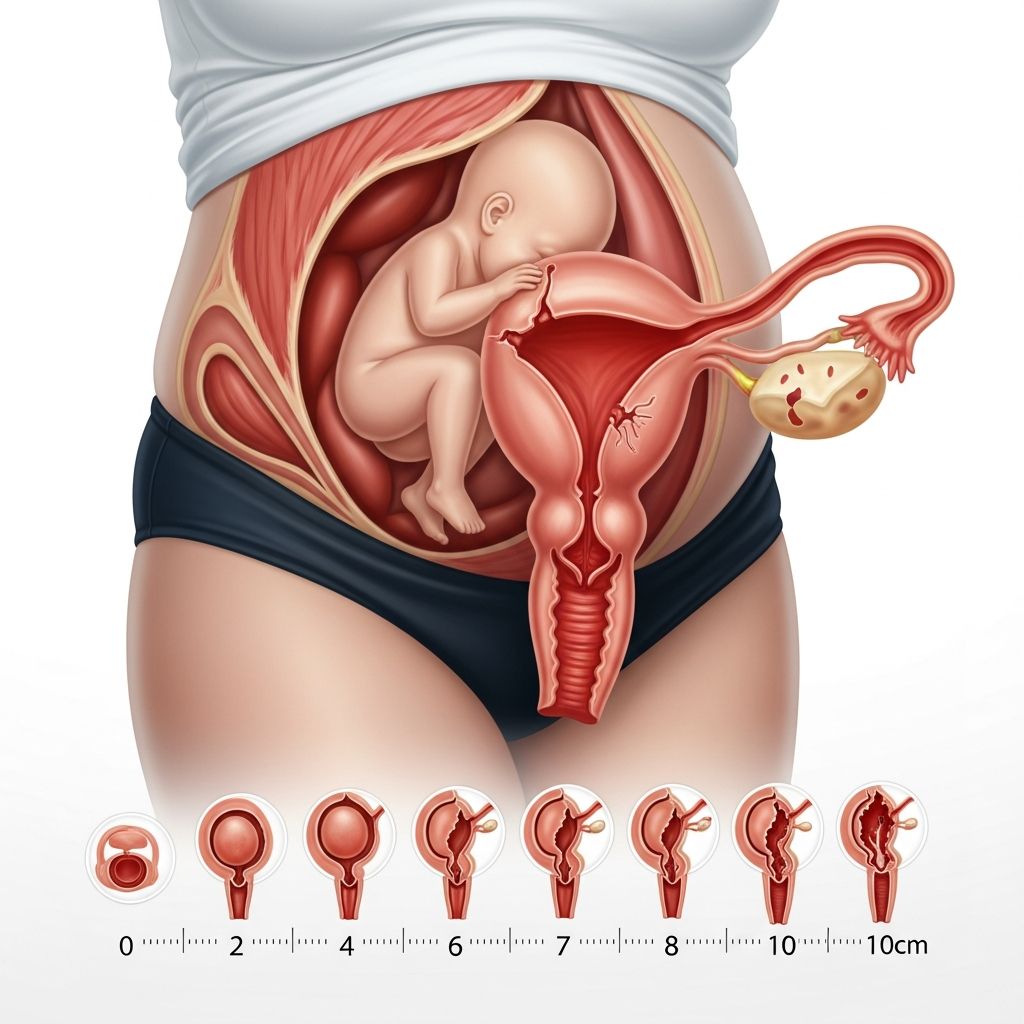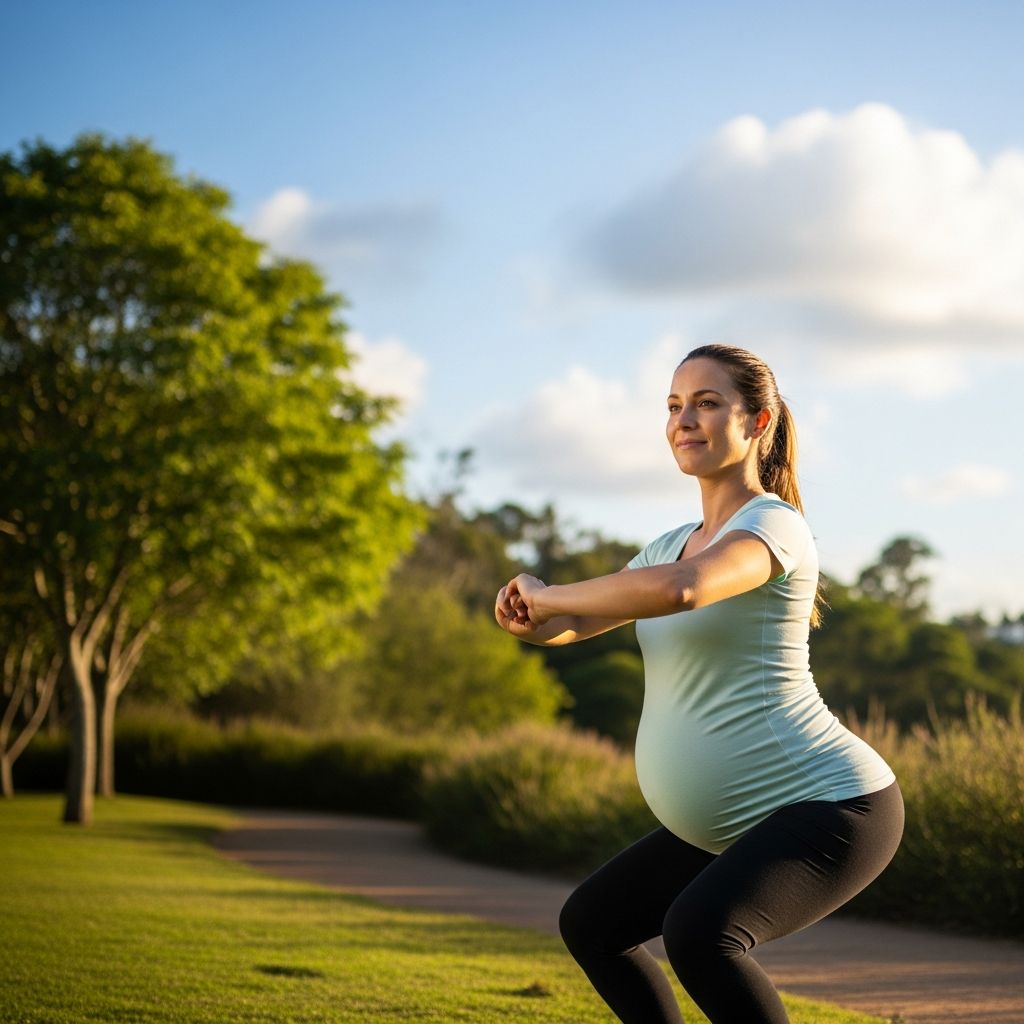
Staying physically active during pregnancy offers numerous advantages for both the mother and the developing baby, provided it is done with proper precautions. Health organizations worldwide endorse at least 150 minutes of moderate-intensity aerobic activity per week for pregnant individuals without complications. This guide draws from authoritative sources to outline benefits, recommended activities, trimester adjustments, and essential safety measures.
Key Benefits of Physical Activity in Pregnancy
Regular exercise helps manage weight gain, boosts mood, enhances sleep quality, and prepares the body for labor. It reduces risks of gestational diabetes, preeclampsia, and cesarean delivery while promoting faster postpartum recovery. For the baby, maternal fitness correlates with healthier birth weights and lower chances of obesity later in life. Moderate activity strengthens cardiovascular health without elevating miscarriage risk in low-risk pregnancies.
- Improved cardiovascular endurance: Enhances blood flow and oxygen delivery to the fetus.
- Better mental health: Releases endorphins to combat pregnancy-related anxiety and depression.
- Stronger muscles and joints: Supports posture and eases common discomforts like back pain.
- Controlled weight gain: Aligns with healthy pregnancy parameters.
Recommended Weekly Activity Levels
Consensus from major health bodies, including the U.S. Department of Health and Human Services (USDHHS) and the American College of Obstetricians and Gynecologists (ACOG), recommends 150 minutes of moderate aerobic exercise weekly, spread over at least five days. This equates to about 30 minutes daily. Beginners should start gradually, aiming for shorter sessions like 10-minute bouts that accumulate over time.
| Activity Intensity | Weekly Minimum | Examples |
|---|---|---|
| Moderate | 150 minutes | Brisk walking, swimming |
| Vigorous | 75 minutes | Jogging (if pre-pregnancy habit) |
| Combination | Equivalent mix | Walking + strength training |
Incorporate muscle-strengthening exercises at least twice weekly, focusing on major muscle groups with light weights or bodyweight. High-performance athletes may sustain vigorous routines under medical supervision, monitoring for fatigue.
Top Safe Exercises by Category
Pregnancy-friendly activities emphasize low-impact, balance-supporting movements that accommodate bodily changes like joint laxity and shifting center of gravity.
Aerobic Options
- Brisk walking: Accessible total-body workout, ideal for all fitness levels and trimesters.
- Swimming or water aerobics: Buoyancy reduces joint stress while engaging multiple muscles.
- Stationary cycling: Safer than outdoor biking due to fall risk from balance shifts.
Flexibility and Strength Builders
- Prenatal yoga or Pilates: Modified poses improve flexibility, breathing, and core stability; avoid hot classes.
- Stretching routines: Warm up with 5-10 minutes to prevent injury.
- Light resistance training: Use lighter weights with higher reps; focus on upper body and avoid overhead lifts or supine positions after first trimester.
Pre-pregnancy runners or racquet sport players may continue with physician approval, modifying intensity as needed.
Trimester-Specific Exercise Adjustments
First Trimester: Building Habits
Energy fluctuations are common, so focus on moderate activities to combat nausea. Aim for consistency without exhaustion. Stay hydrated and avoid overheating, critical in early pregnancy.
Second Trimester: Peak Performance
With reduced nausea, this is often the easiest period for exercise. Incorporate variety like swimming to manage round ligament pain. Monitor for dizziness from blood pressure drops.
Third Trimester: Modifications for Comfort
As the belly grows, opt for supportive exercises. Use belly bands for stability during walks. Shorten sessions if fatigue increases, and prioritize pelvic floor strengthening for labor prep. Avoid flat-back lying to prevent reduced uterine blood flow.
Essential Safety Precautions
Pregnancy alters physiology: hormones loosen ligaments, increasing injury risk; extra weight affects balance. Key rules include:
- Wear supportive shoes and bras; consider maternity belts.
- Exercise in cool, ventilated spaces; drink fluids frequently.
- Stop if experiencing dizziness, chest pain, contractions, bleeding, or amniotic fluid leak.
- Avoid unstable surfaces, extreme heat, or high altitudes above 6,000 feet.
Always consult your obstetrician before starting or continuing any program, especially with conditions like high blood pressure or multiple gestation.
Exercises and Activities to Avoid
Certain activities pose undue risks due to fall potential, abdominal trauma, or overheating.
| Risk Category | Examples to Avoid | Reason |
|---|---|---|
| Contact/Collision | Soccer, boxing, basketball, ice hockey | Abdominal impact risk |
| Fall-Prone | Skiing, surfing, horseback riding, gymnastics | Balance instability |
| Overheating | Hot yoga/Pilates, saunas | Fetal temperature sensitivity |
| Other | Scuba diving, skydiving | Pressure/decompression issues |
Weight training requires caution: no heavy overhead lifts or Valsalva maneuvers.
Monitoring Intensity: Talk Test and Beyond
Use the “talk test”: you should converse comfortably during moderate exercise. Target 50-70% maximum heart rate, but avoid strict monitoring if new to fitness. Signs of overexertion include breathlessness or exhaustion.
Special Considerations for Active Individuals
Athletes can often maintain training volume but should scale intensity and seek specialized prenatal guidance. Nutrition and rest become paramount to fuel increased demands.
Frequently Asked Questions (FAQs)
Can I start exercising if I was sedentary before pregnancy?
Yes, begin with low-impact activities like walking, gradually building to 150 minutes weekly after medical clearance.
Is running safe during pregnancy?
If done pre-pregnancy, moderate running may continue with OB-GYN approval; switch to alternatives if balance falters.
What if I feel pain during exercise?
Stop immediately and contact your provider. Persistent issues warrant evaluation.
How does exercise affect labor?
It may shorten labor duration and reduce intervention needs by improving endurance.
Can I do strength training?
Yes, with modifications: lighter weights, no supine positions post-first trimester.
Postpartum Return to Activity
Light walking resumes soon after birth; consult for clearance before vigorous exercise, typically 4-6 weeks postpartum. Pelvic floor exercises aid recovery.
This guide empowers informed choices for a healthy pregnancy. Prioritize professional advice tailored to your health profile.
References
- Pregnancy Exercise Guidelines — American Pregnancy Association. Accessed 2026. https://americanpregnancy.org/healthy-pregnancy/pregnancy-health-wellness/exercise-guidelines/
- Is exercise safe during pregnancy? Experts share which activities to do and which you should avoid — UC Davis Health. 2025-04. https://health.ucdavis.edu/blog/cultivating-health/is-exercise-safe-during-pregnancy-experts-share-which-activities-to-do-and-which-you-should-avoid/2025/04
- Guidelines for Physical Activity during Pregnancy — National Institutes of Health (PMC). 2014. https://pmc.ncbi.nlm.nih.gov/articles/PMC4206837/
- Exercise During Pregnancy — American College of Obstetricians and Gynecologists (ACOG). Accessed 2026. https://www.acog.org/womens-health/faqs/exercise-during-pregnancy
- Physical Activity Recommendations for Pregnant and Postpartum Women — Centers for Disease Control and Prevention (CDC). Accessed 2026. https://www.cdc.gov/physicalactivity/basics/pdfs/pa-pregnant-and-postpartum-women-508.pdf