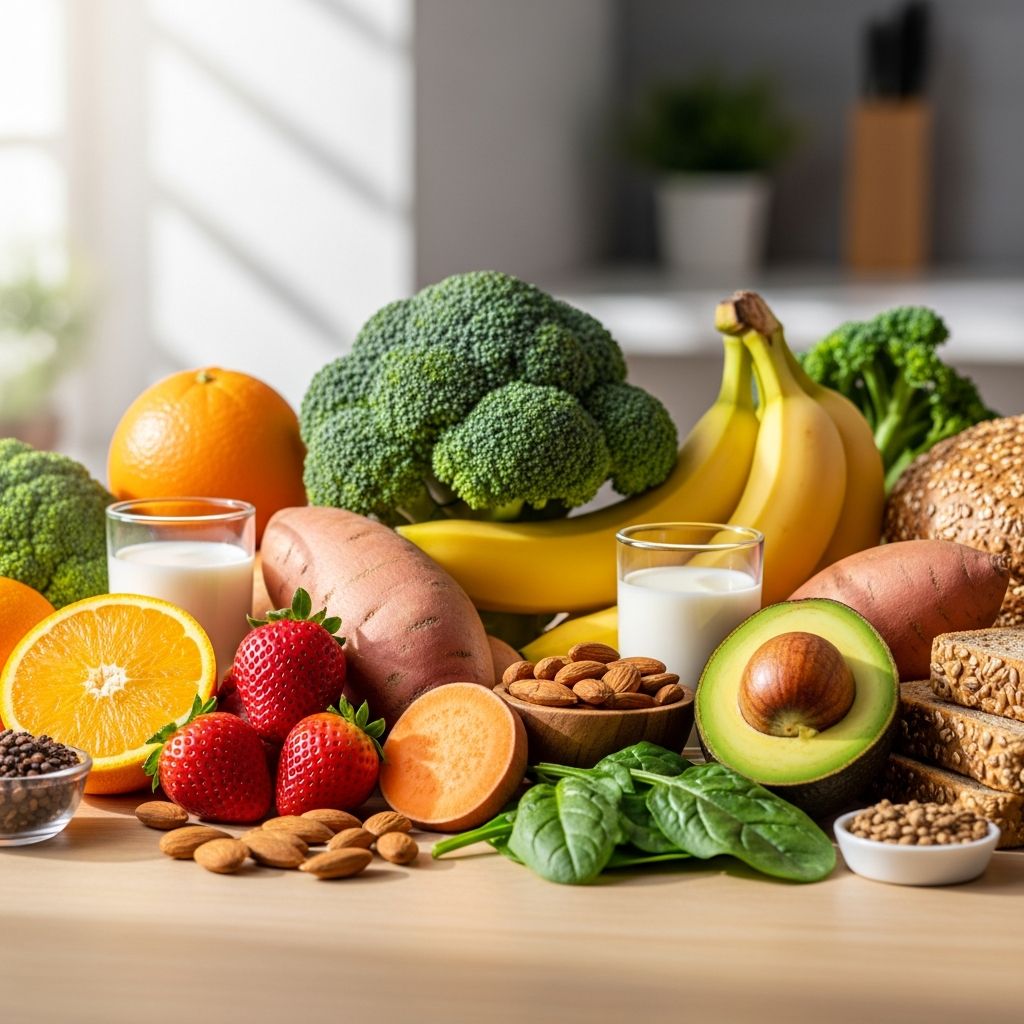
Teenage years bring rapid physical changes, hormonal shifts, and increased energy demands, making proper nutrition crucial. Key vitamins and minerals support bone density, muscle development, brain function, and immune resilience during this transformative phase.
Why Teens Need Targeted Nutrition
Adolescence marks a peak in growth spurts, with boys often experiencing them later than girls. Nutritional shortfalls are common, particularly in calcium, iron, zinc, and vitamin D, which can impact long-term health like bone strength and cognitive performance. A balanced intake from whole foods remains ideal, but understanding specific needs helps parents and teens prioritize effectively.
Daily caloric requirements surge—around 2,200 for girls and 3,000 for boys at peak growth—necessitating nutrient-dense choices over processed options. Deficiencies arise from picky eating, busy schedules, or limited sun exposure, underscoring the value of diverse diets rich in fruits, vegetables, proteins, and dairy.
Core Vitamins Powering Physical Development
Vitamin D: Foundation for Strong Bones
Vitamin D enhances calcium absorption, vital for achieving peak bone mass before early twenties. Teens indoors or in low-sun areas often fall short, risking softer bones or future osteoporosis. Sources include fortified milk, fatty fish like salmon, eggs, and sunlight exposure of 10-15 minutes daily.
- Recommended daily intake: 600 IU for ages 14-18.
- Food boosts: Tuna, mushrooms, fortified orange juice.
- Tip: Pair with calcium-rich foods for synergy.
Calcium: Building Blocks for Skeletal Strength
Calcium constructs bones and teeth, with teens needing high amounts during growth. Inadequate levels lead to lifelong fragility. Aim for three daily servings from low-fat dairy or alternatives.
| Food Source | Serving Size | Calcium Content (mg) |
|---|---|---|
| Yogurt (low-fat) | 8 oz | 415 |
| Fortified soy milk | 1 cup | 300 |
| Cheese (cheddar) | 1.5 oz | 300 |
| Spinach (cooked) | 1 cup | 245 |
| Fortified cereal | 1 cup | 1000 |
Daily needs: 1,300 mg for ages 9-18.
Vitamin A: Vision, Skin, and Immunity
This fat-soluble vitamin maintains eyesight, healthy skin, and infection resistance amid teen growth and activity. Beta-carotene from plants converts as needed.
- Top sources: Carrots, sweet potatoes, cantaloupe, red peppers.
- Daily intake: 900 mcg for boys, 700 mcg for girls.
Vitamin C: Antioxidant for Healing and Defense
Vitamin C aids collagen formation for tissues, boosts iron uptake, and combats oxidative stress from sports or stress. Active teens benefit most.
- Key foods: Citrus fruits, strawberries, bell peppers, broccoli.
- Requirement: 75 mg girls, 90 mg boys daily.
Minerals Driving Energy and Hormones
Iron: Oxygen Carrier for Vitality
Iron prevents fatigue and supports cognition, especially critical for menstruating girls losing blood monthly. Boys need it for muscle expansion.
Pair plant irons with vitamin C for better absorption. Daily: 15 mg for girls, 11 mg for boys post-puberty.
- Animal sources: Lean meats, poultry, fish.
- Plant sources: Beans, lentils, fortified cereals, spinach.
Zinc: Immune and Growth Regulator
Zinc facilitates wound healing, hormone balance, and taste perception, essential for maturing teens. Deficiencies impair immunity and development.
- Intake: 11 mg boys, 9 mg girls.
- Foods: Meat, shellfish, nuts, seeds, dairy, whole grains.
Magnesium and Potassium: Muscle and Heart Support
Magnesium powers over 300 reactions, including energy and nerve function; potassium regulates fluids and heartbeat. Both counter cramps from sports.
- Magnesium sources: Nuts, seeds, leafy greens, bananas (310-400 mg daily).
- Potassium picks: Potatoes, beans, yogurt, fruits (4,700 mg goal).
Brain-Boosting Nutrients for Academic Success
Cognitive demands rise with school and social pressures. B vitamins metabolize energy for focus; omega-3s build brain tissue; iodine supports thyroid for alertness.
- B Vitamins: B6, B12, folate for mood and nerve health—found in eggs, meat, greens.
- Iodine: Seafood, dairy for hormone production (150 mcg daily from age 14).
- Omega-3s: Fatty fish, walnuts for memory and reduced inflammation.
Studies emphasize these for mental sharpness during puberty’s brain rewiring.
Gender-Specific Nutritional Focus
For Teen Girls: Periods and Body Composition
Girls face higher iron demands post-menarche, plus needs for B6, magnesium for hormonal cycles. Healthy fats support emerging curves.
- Prioritize: Iron-rich reds, folate greens, calcium dairy.
- Watch for: Fatigue signaling low iron.
For Teen Boys: Muscle and Strength Building
Boys require extra protein, zinc, iron for mass gains. B vitamins fuel high energy.
- Emphasize: Lean proteins, zinc oysters/nuts, complex carbs.
Food-First Approach with Smart Supplementation
Whole foods deliver synergistic nutrients best. Replace junk with:
- Fruits/veggies: 4-5 cups daily for vitamins.
- Proteins: Every meal for repair.
- Dairy/alternatives: 3 servings calcium.
Supplements suit deficiencies confirmed by bloodwork—multivitamins for picky eaters, vitamin D in winter, calcium if dairy-free. Consult pediatricians to avoid excess.
Practical Meal Ideas for Busy Teens
- Breakfast: Yogurt parfait with berries, nuts, fortified cereal (calcium, vitamin C, zinc).
- Lunch: Turkey wrap with spinach, peppers, cheese (iron, vitamin A/C).
- Snack: Apple with peanut butter (potassium, magnesium).
- Dinner: Salmon, quinoa, broccoli (omega-3s, B vitamins, vitamin D).
These hit multiple needs efficiently.
Frequently Asked Questions
Should all teens take a multivitamin?
Not routinely; prioritize diet. Useful if fruit/veggie intake is low or growth lags, per pediatric advice.
Can teens get enough vitamin D from food alone?
Challenging without sun; fortified foods and fish help, but supplements often needed.
How much calcium do active teens require?
1,300 mg daily, more if athletes—focus on absorption with vitamin D.
Are plant-based teens at risk for deficiencies?
Possible for B12, iron, zinc; fortified foods and planning mitigate.
When to test for nutrient shortfalls?
If tired, poor focus, or growth stalls—blood tests guide.
Long-Term Benefits of Optimal Nutrition
Investing now builds lifelong habits, reducing risks of osteoporosis, anemia, and fatigue. Combine with sleep, exercise for peak potential.
References
- Fuelling growth: Essential nutrition for teenagers — Nutritionist Resource. 2023. https://www.nutritionist-resource.org.uk/articles/fuelling-growth-essential-nutrition-for-teenagers
- From A-Zinc: Essential Vitamins and Minerals For Teens — Brio Water. 2024. https://briowater.com/blogs/blog/from-a-zinc-essential-vitamins-and-minerals-for-teens
- A Teenager’s Nutritional Needs — American Academy of Pediatrics (HealthyChildren.org). 2023-10-27. https://www.healthychildren.org/English/ages-stages/teen/nutrition/Pages/A-Teenagers-Nutritional-Needs.aspx
- Nutrition for Teens and Athletes — Cornerstone Pediatrics. 2024. https://cornerstonepediatrics.org/nutrition-for-teens-and-athletes/
- Take Charge of Your Health: A Guide for Teenagers — National Institute of Diabetes and Digestive and Kidney Diseases (NIDDK). 2023-05-15. https://www.niddk.nih.gov/health-information/weight-management/take-charge-health-guide-teenagers
- Vitamins & minerals for kids & teens — Raising Children Network (Australian Government-funded). 2024. https://raisingchildren.net.au/teens/healthy-lifestyle/nutrients/vitamins-minerals
- An ultimate guide to vitamins, kids and teens — Children’s Hospital of Orange County (CHOC). 2023. https://health.choc.org/an-ultimate-guide-to-vitamins-kids-and-teens/