Preparing Your Recovery Space: What Every New Mother Should Know
The weeks following childbirth represent a significant physical transition for the body. Understanding what supplies and support items will facilitate healing allows new mothers to focus on recovery and bonding with their newborn rather than scrambling to locate necessary items. Whether this is your first birth or a subsequent one, thoughtful preparation of recovery essentials can substantially improve comfort during the postpartum period.
Many expectant parents invest considerable time preparing their hospital bag for labor and delivery, yet overlook the equally important task of assembling items for the recovery phase that follows. The postpartum period involves unique physical challenges including bleeding, tissue sensitivity, potential discomfort, and hormonal changes. Having appropriate supplies readily available transforms recovery from a stressful experience into a manageable process focused on self-care and healing.
Understanding Postpartum Bleeding and Appropriate Absorbent Products
One of the most significant physical changes after vaginal birth is postpartum bleeding, medically known as lochia. This discharge continues for several weeks as the uterus sheds its lining and heals from the attachment site of the placenta. Understanding the nature of this bleeding helps new mothers recognize what represents normal recovery versus what might warrant medical attention.
Lochia differs substantially from menstrual bleeding in both volume and composition. This discharge contains blood mixed with mucous tissue and cellular material from the uterine lining, resulting in a flow that is considerably heavier than a typical menstrual period, particularly in the initial days after birth. Standard feminine hygiene products are insufficient for managing this volume effectively.
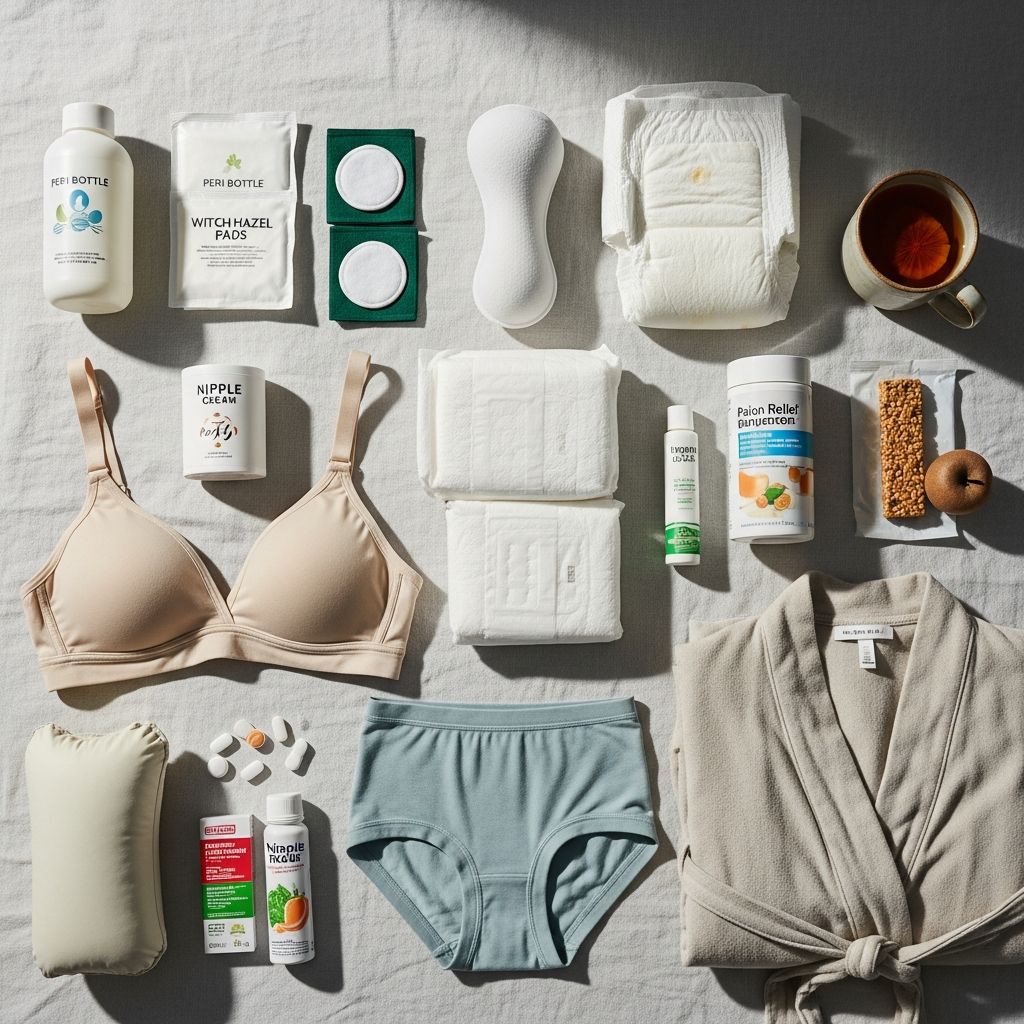
Specialized postpartum pads are specifically engineered to handle the heavier flow characteristic of the early postpartum period. These products feature increased absorbency, greater length, and thicker construction compared to regular menstrual pads. Many hospitals provide these during the immediate postpartum stay, but having additional supplies at home ensures continuity of care during the weeks when lochia gradually decreases. Some families find it practical to stock multiple packages to accommodate the varying flow intensity throughout the recovery period.
Perineal Comfort and Wound Care Solutions
The perineal area—the tissue between the vagina and anus—undergoes significant stretching during vaginal delivery. Even in cases where tearing does not occur, the tissue experiences considerable trauma and requires gentle, specialized care during healing. The immediate postpartum period often involves perineal soreness, swelling, and sensitivity that can persist for several weeks.
A peri bottle, also called a peri rinse bottle or peri wash bottle, is among the most valuable tools for postpartum hygiene. This simple squeeze bottle delivers a gentle stream of water for cleansing the perineal area after using the toilet or whenever cleansing is desired. The gentle flow of water effectively removes residue without the irritation caused by toilet paper on traumatized tissue. For women with stitches, perineal tearing, or significant soreness, this single item can dramatically reduce discomfort during an essential daily activity.
Beyond water-based cleansing, perineal spray products containing witch hazel and other soothing botanicals provide additional comfort relief. These specialized sprays can be applied directly to the perineal area to reduce inflammation, promote healing, and ease soreness. Many postpartum recovery kits include witch hazel-infused pads designed to be worn within underwear, delivering continuous comfort and gentle support throughout the day and night.
Cold therapy represents another evidence-based approach to perineal comfort. Specialized cooling pads designed for postpartum use combine the anti-inflammatory benefits of cold therapy with the absorbency needed to manage postpartum bleeding simultaneously. These products are sometimes called “padsicles” and can be prepared in advance or purchased as ready-made options. The numbing sensation of cold therapy, combined with its reduction of swelling, provides meaningful relief during the most uncomfortable days of early recovery.
Pain Management and Anti-Inflammatory Support
Postpartum discomfort stems from multiple sources including perineal trauma, uterine cramping as the organ returns to pre-pregnancy size, abdominal soreness, and general muscle fatigue from labor. A multi-faceted approach to pain management, developed in consultation with healthcare providers, helps new mothers maintain comfort while healing.
Over-the-counter pain relievers, particularly ibuprofen, effectively reduce inflammation and associated discomfort. This medication addresses multiple pain sources simultaneously and can be taken according to healthcare provider recommendations. Some families also find value in herbal teas or natural products formulated to support postpartum recovery, though any additions to a recovery regimen should be discussed with medical professionals, particularly for breastfeeding mothers.
Heat therapy complements cold therapy by promoting blood circulation and relaxation of tense muscles. Warm compresses applied to the lower abdomen or lower back can ease cramping sensations and provide comfort during rest periods. Many families rotate between cold and heat applications throughout the day to maximize therapeutic benefits.
Supportive Clothing That Facilitates Healing
Clothing choices during postpartum recovery deserve careful consideration. Supportive underwear or specialized postpartum garments provide gentle compression to the abdominal area, offering both physical support and psychological comfort. This compression can ease discomfort, support weakened abdominal muscles, and promote proper healing of the pelvic floor region.
Mesh underwear, often called disposable postpartum panties, combine absorbency with a design that stretches accommodatingly without constraining the healing perineal area. Hospitals typically provide these, but having additional pairs at home proves practical since frequent changes may be necessary during heavy bleeding days. Many mothers appreciate disposable options since they eliminate concern about staining and can be discarded once blood loss decreases.
Alternatively, some mothers prefer durable supportive underwear designed specifically for postpartum use. These garments can be worn repeatedly, making them an economical choice for families planning multiple pregnancies. High-waisted options provide additional abdominal support and can be worn comfortably throughout the day during various activities.
Loose, comfortable clothing in general facilitates postpartum recovery. Maternity pants, comfortable leggings, or soft loungewear allow freedom of movement without irritating healing tissue or creating pressure points. Many mothers find that clothing worn during pregnancy remains comfortable during the postpartum period, providing both practical continuity and psychological comfort during the recovery phase.
Hygiene and Infection Prevention Essentials
Maintaining appropriate hygiene during postpartum recovery requires specific products and techniques that differ from normal daily routines. The perineal area is particularly susceptible to infection during healing, making gentle cleansing practices essential.
Beyond the peri bottle used for water-based cleansing, many healthcare providers recommend witch hazel pads for ongoing perineal care. These pre-soaked pads deliver gentle cleansing while the witch hazel naturally soothes inflammation and promotes healing. Using these pads after toilet use provides both cleansing and targeted therapeutic benefit.
Personal hygiene products including fragrance-free soap, clean towels designated for personal use, and clean undergarments support infection prevention. Some families maintain a dedicated recovery basket in the bathroom containing all necessary postpartum hygiene items, creating an organized system that simplifies daily self-care routines.
Nursing Support for Breastfeeding Mothers
For mothers planning to breastfeed, the postpartum period introduces new physical sensations and potential challenges alongside the general recovery needs. Nipple soreness, engorgement, and adjustment to nursing demands require specialized support items that ease this transition.
Nipple cream or balm formulated specifically for breastfeeding provides soothing relief to tender or chapped nipples while remaining safe for frequent application and compatible with baby feeding. These products often contain natural ingredients like lanolin or plant-based emollients that protect delicate tissue without transmitting harmful substances to nursing infants.
Nursing pads placed inside the bra prevent milk leakage from staining clothing, an especially valuable tool during the early weeks when milk production may not yet be regulated to feed frequency. Disposable and reusable options serve different family preferences and budget considerations.
A supportive nursing bra or nursing tank provides comfortable breast support without the restrictive nature of regular bras, which can contribute to engorgement or discomfort. These specialized garments feature openings that allow nursing without removing the entire top, facilitating frequent feeding while maintaining comfort and privacy.
Many nursing mothers benefit from hot or cold compresses applied to the breast area to address engorgement or soreness. Heat therapy before nursing can increase comfort and improve milk flow, while cold therapy after nursing can reduce inflammation and swelling. Some specialty nursing products combine these benefits with the compression and support of specialized bra inserts.
Digestive Support During Recovery
Postpartum recovery frequently includes changes to digestive function. Pain medication use, decreased activity levels, hormonal changes, and the general physical stress of birth can all contribute to constipation or irregular bowel movements. This represents a common but often unaddressed concern that can significantly impact comfort.
Stool softeners formulated for safe postpartum use help prevent constipation without harsh side effects. These products work gradually to make bowel movements more comfortable by softening stool consistency, addressing one of the most common sources of postpartum discomfort that mothers often feel hesitant to discuss with healthcare providers.
Supporting digestive wellness through appropriate fluid intake, fiber-rich foods as tolerated, and gentle movement also facilitates healthy bowel function during recovery. Many mothers find that organized self-care during this period accelerates overall healing and improves comfort substantially.
Nutritional Support for Healing and Energy
The postpartum period demands significant physical and emotional energy from new mothers. Whether breastfeeding or formula feeding, maternal nutrition directly impacts recovery speed and energy levels necessary to care for a newborn while healing from childbirth.
Multivitamins support nutritional adequacy during a period when eating regular meals may be challenging due to newborn care demands and postpartum recovery needs. A comprehensive multivitamin helps ensure that key nutrients supporting healing and energy production remain adequate even when meal planning becomes irregular.
For breastfeeding mothers, specialized lactation support beverages or teas formulated with galactagogues—substances believed to support milk production—provide both hydration and targeted nutritional support. These beverages serve the dual purpose of increasing fluid intake necessary for milk production while delivering specific nutrients associated with breast health and milk volume.
Assembling Your Personalized Recovery Kit
While pre-assembled postpartum recovery kits available commercially provide convenience by bundling commonly needed items, the most effective approach involves assessing individual needs and assembling a personalized collection. Consider these factors when determining which items to prioritize:
- Your anticipated pain level and comfort needs based on your healthcare provider’s guidance regarding your specific delivery experience
- Whether you plan to breastfeed, as this substantially influences which items become essential versus optional
- Your budget constraints, which can guide choices between disposable convenience items and reusable alternatives
- Your personal preferences regarding natural versus clinical product formulations
- Space limitations in your home for storing multiple weeks of postpartum supplies
- Whether this is your first postpartum experience or a subsequent recovery, as prior experience informs which items proved most valuable
Frequently Asked Questions About Postpartum Recovery
How long does postpartum bleeding typically continue?
Postpartum bleeding generally continues for four to six weeks after vaginal delivery, though some variation is normal. Flow is heaviest in the first few days and gradually decreases over subsequent weeks. Contact your healthcare provider if bleeding becomes heavier after decreasing or shows signs of infection.
Can I use regular menstrual pads during postpartum recovery?
Regular menstrual pads are insufficient for postpartum bleeding volume and absorbency needs. Specialized postpartum pads are designed to handle the significantly heavier flow characteristic of lochia and should be used throughout the recovery period.
Is it safe to use pain medications while breastfeeding?
Many common pain relievers are compatible with breastfeeding. Discuss your pain management needs with your healthcare provider or lactation consultant to identify safe options that address your comfort without impacting nursing.
When can I begin normal physical activity after vaginal delivery?
Physical activity should resume gradually under your healthcare provider’s guidance. Most women can begin gentle walking within days of delivery, with progression to more intensive exercise over subsequent weeks as healing progresses and comfort improves.
Do I need to purchase pre-assembled postpartum recovery kits?
Pre-assembled kits offer convenience and ensure you have essential items, but creating a personalized collection based on your specific needs, preferences, and budget may better serve your recovery. Many items can be purchased individually from various retailers.
References
- Postpartum Care Essentials: A Checklist for Recovery — Genesis OB/GYN. 2024. https://genesisobgyn.net/postpartum-care-essentials/
- 37 Postpartum Essentials for Every New and Expecting Family — The Mother Baby Center. June 2024. https://www.themotherbabycenter.org/blog/2024/06/postpartum-essentials/
- Postpartum Supplies – 4th Trimester Project — New Mom Health. https://newmomhealth.com/selfcare/postpartum-supplies/
- Labor and Delivery + Postpartum Recovery Kit — Frida. https://frida.com/products/hospital-bag-essentials-complete-kit
- 6 Best Mom-Tested Postpartum Kits for Care and Recovery — The Bump. https://www.thebump.com/a/best-postpartum-kits