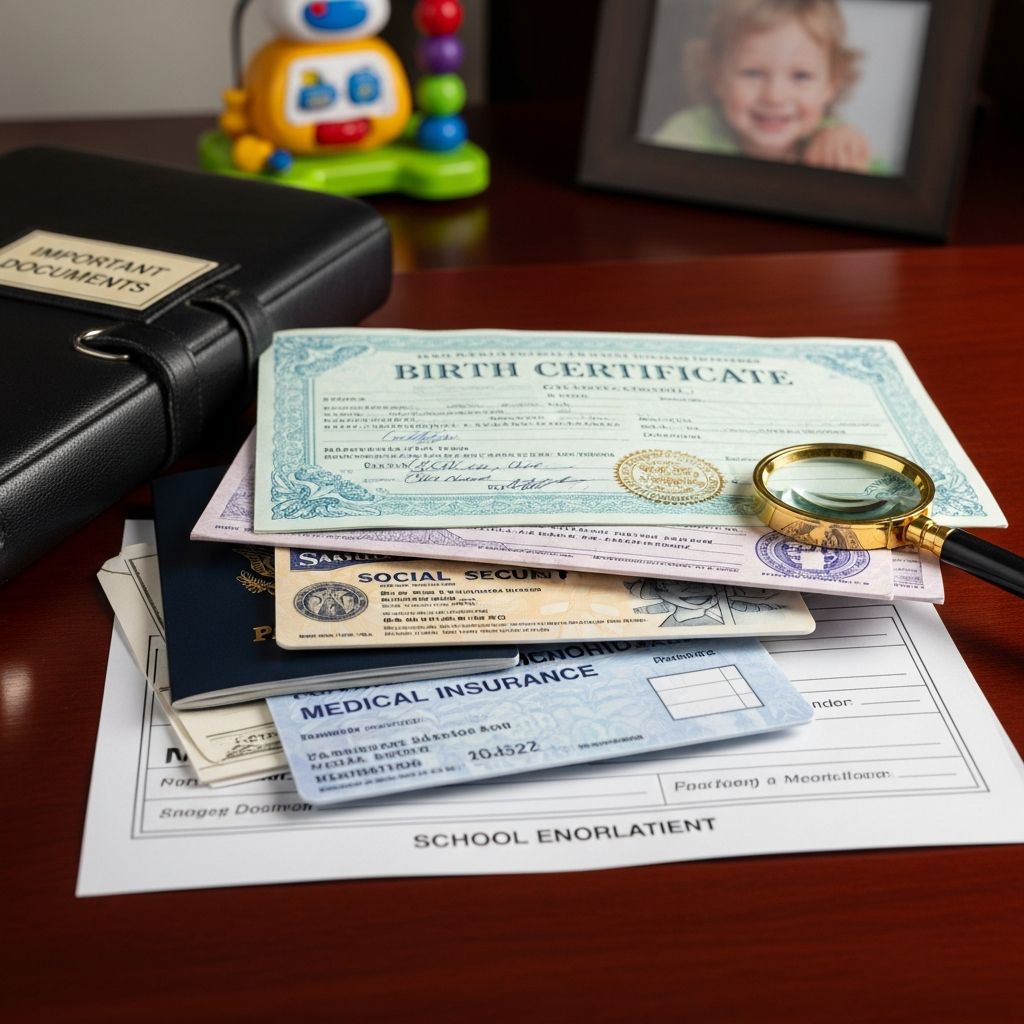
Parenthood brings profound joy and equally profound responsibility. Beyond daily care, feeding, and education, one of the most important gifts parents can provide is comprehensive legal and administrative protection. Yet many parents delay or overlook the documentation necessary to safeguard their children’s interests during emergencies, transitions, or unforeseen circumstances. This guide explores the essential paperwork that creates a safety net for your child’s present and future.
Understanding Why Comprehensive Documentation Matters
Children cannot advocate for themselves in medical emergencies, legal proceedings, or administrative situations. Without proper documentation in place, parents may find themselves unable to make critical decisions about their child’s care, or worse, face bureaucratic obstacles during moments when time is precious. Documentation serves as both a preventive measure and a practical tool that authorizes trusted adults to act in your child’s best interest when circumstances require it.
The stakes extend beyond immediate emergencies. Proper documentation ensures that your child’s identity is established, their health history is accessible to medical providers, their inheritance is protected if something happens to you, and guardianship arrangements reflect your values and priorities. Think of these documents as instructions you leave behind—they communicate your wishes clearly so that others can fulfill your intentions even when you cannot.
Foundational Identity Documents
Before any other paperwork can be organized, your child’s basic identity must be officially established and documented. These foundational documents serve as the basis for accessing schools, healthcare, financial services, and numerous other institutions throughout their life.
Birth Certificate: The Primary Record
The birth certificate is arguably the most fundamental document your child will ever possess. This official record establishes citizenship, name, date of birth, and parentage. Without it, your child cannot obtain a social security number, enroll in school, receive medical care in many situations, or travel internationally. Many parents obtain a birth certificate but store it carelessly, making it difficult to locate when needed.
Keep multiple certified copies in separate secure locations. One copy should remain in a home safe, another in a safety deposit box, and consider providing a copy to a trusted family member who could access it quickly during emergencies. Additionally, understand your state’s process for obtaining replacement copies, as this knowledge becomes invaluable if your original becomes lost or damaged.
Social Security Card and Number Assignment
Your child’s social security number enables tax identification, employment authorization, and credit establishment. The physical card itself is less critical than ensuring the number is properly assigned and recorded. Many parents request the social security card during the birth registration process, though it typically arrives by mail weeks later.
Store the physical card securely and avoid carrying it unnecessarily, as identity theft targeting children has become increasingly common. Instead, memorize or securely record the number separately from the card. When your child reaches employment age, you’ll need to confirm they have both the number and card for tax purposes, but until then, the number itself is what matters most for official records.
Health and Medical Documentation
Medical emergencies arrive without warning. The difference between rapid, appropriate treatment and dangerous delays can hinge on whether proper health documentation is in place and accessible to medical providers.
Health Insurance Information and Coverage Records
Your child’s health insurance card should be kept in a consistent, accessible location so that you can produce it instantly during medical appointments or emergencies. Take photographs of both sides of the card and store digital copies in a secure cloud location and on your phone. Include critical details such as policy numbers, group numbers, customer service phone numbers, and any special coverage provisions your child may need.
Maintain detailed records of all medical coverage transitions. If your insurance changes due to employment modifications, divorce, or other life events, ensure your child’s enrollment in the new plan is completed before coverage lapses. Many parents have experienced denied claims or treatment delays because children weren’t properly added to new insurance plans.
Vaccination and Immunization Records
Schools, childcare facilities, international travel, and many medical procedures require proof of specific vaccinations. Rather than waiting for institutions to request these records, maintain a comprehensive, organized file containing dates and types of all vaccinations your child has received. Request duplicate records from your pediatrician and store them in multiple formats—both physical copies and digital scans.
As your child ages, understanding their complete vaccination history becomes increasingly important for coordinating future medical care and identifying any gaps in coverage. Some vaccines require boosters at specific intervals, and having clear records prevents unnecessary repeat doses or incomplete protection.
Allergy Information and Medical History Summary
Create a one-page medical summary for your child that includes known allergies, chronic conditions, medications, previous surgeries, and any relevant family medical history. During medical emergencies, this document can communicate critical information that might otherwise be unavailable. Provide copies to your child’s school, childcare provider, emergency contacts, and any adult who regularly supervises your child.
Update this summary annually or whenever your child’s medical status changes. Include emergency contact information and authorization for specific individuals to make medical decisions if you are unavailable.
Legal Authorization Documents
Legal documents create formal authority for others to make decisions on your child’s behalf when you cannot. These documents are distinct from your personal will—they address your child’s care during your lifetime.
Medical Decision-Making Authorization
Despite being a parent, you cannot authorize others to make medical decisions for your child without explicit documentation. A medical decision-making authorization form designates a specific person (or people) with legal authority to consent to medical treatment if you are unable to do so. This document becomes essential when you’re traveling, working, or incapacitated.
Identify primary and backup designees carefully. These should be individuals your child knows and trusts, who understand your values regarding medical treatment, and who are likely to remain accessible. Discuss your medical preferences with these designees so they understand your wishes regarding emergency treatment, invasive procedures, or end-of-life decisions if those scenarios ever arise.
Financial Management Authority
A power of attorney document grants another adult legal authority to manage financial matters on your behalf. For parents with young children, this might include paying bills, managing bank accounts, or making financial decisions if you’re incapacitated. Unlike guardianship (which is court-ordered), a power of attorney can be created without judicial involvement and takes effect according to the terms you specify.
Consider whether you want this authorization to begin immediately or only upon proof of your incapacity. Some parents prefer immediate activation for convenience, while others prefer a “springing” power of attorney that only activates if specific conditions are met.
Travel Authorization for Minors
When your child travels without you, or with only one parent, a travel consent form may be required by customs and immigration authorities. This document proves that both parents (or the sole custodial parent) have authorized the trip. Without it, your child might be prevented from traveling internationally, or officials might suspect parental kidnapping.
Obtain multiple notarized copies of your travel authorization form and understand the specific requirements of countries where your child will travel, as some nations have additional documentation requirements beyond basic parental consent forms.
Estate Planning and Long-Term Protection
These documents address what happens to your child and your assets if something catastrophic occurs—documents you hope never to need but cannot afford to ignore.
Last Will and Testament
Your will accomplishes multiple critical functions simultaneously. It designates a legal guardian who will raise your children if both parents die, specifies how your assets will be distributed, and names an executor to manage your estate. Without a will, state law determines guardianship arrangements and asset distribution—outcomes that likely don’t match your preferences.
The guardianship designation in your will is perhaps the most consequential provision. This decision shapes your child’s upbringing, values, education, and sense of belonging during the most vulnerable period imaginable. Choose guardians thoughtfully, communicate with them beforehand to ensure they’re willing to accept this responsibility, and consider naming alternates in case your first choice is unable to serve.
Review and update your will every few years or whenever major life changes occur—births, divorces, remarriages, significant changes in your financial situation, or relocations to different states. What seemed appropriate when your first child was born may need adjustment as your family grows or your circumstances change.
Healthcare Directives and End-of-Life Planning
A healthcare directive communicates your wishes regarding medical treatment if you become incapacitated and unable to communicate your preferences. For parents, this ensures that if you’re unable to make decisions, medical providers understand whether you’d want aggressive interventions, comfort care, or other specific approaches. You can also designate a healthcare proxy—the person who should make medical decisions on your behalf.
While discussing end-of-life scenarios feels morbid, having clear directives prevents family conflict during medical crises and ensures your values guide medical decision-making. Your children benefit from knowing your wishes have been documented clearly, as this reduces the burden on family members trying to guess what you would have wanted.
Standby Guardianship for Temporary Situations
If you anticipate being temporarily unavailable—for planned surgery, extended hospitalization, or other short-term situations—a standby guardianship allows another adult to assume temporary parental authority without going through full court proceedings. This document activates during the specific timeframe you specify and automatically terminates when you resume care.
Standby guardianship differs from permanent guardianship and provides flexibility for situations where you need someone else to handle parental decisions for a defined period.
Organizing and Maintaining Documentation
Having documents created is only half the battle. They must be organized, stored securely, and accessible to people who need them.
Storage and Accessibility Strategy
- Keep originals of legal documents in a fireproof safe at home and copies in a safety deposit box at your bank
- Maintain digital copies in a password-protected cloud service accessible to your designated executor or trusted family member
- Create a master document list that identifies where each important paper is stored and who has access
- Keep emergency contact information and health summaries in locations where babysitters, schools, and emergency responders can quickly find them
- Update all stored documents annually and whenever changes occur
Communication and Transparency
Documentation only functions effectively if relevant people know it exists and understand its contents. Have explicit conversations with your designated guardians, healthcare proxies, and financial decision-makers about your wishes. Walk them through the documents, explain your reasoning, and ensure they feel prepared to fulfill these roles if needed.
Provide your executor, guardian, and healthcare proxy with a copy of the master document list and instructions for accessing stored materials. This transparency prevents confusion and ensures continuity if you suddenly become unable to communicate.
Common Questions About Child Documentation
How often should I review and update these documents?
Review all important documents annually and update them whenever major life changes occur—births, divorces, relocations, changes in guardianship preferences, or significant financial changes. Documents that felt appropriate five years ago may no longer reflect your current situation and wishes.
Can I create these documents without hiring an attorney?
Many documents can be created using reputable online templates or legal document services, though state laws vary significantly. Simple documents like travel authorization forms or medical summaries work well with templates. For wills, guardianship designations, and complex financial arrangements, consulting an attorney ensures documents are legally valid in your state and comprehensive enough to protect your family.
What happens if I don’t have these documents in place?
Without proper documentation, guardianship is determined by state law (often grandparents or other relatives you might not prefer), medical decisions might be delayed while courts determine who can authorize treatment, and your assets are distributed according to state intestacy laws rather than your wishes. During emergencies, lack of authorization can literally prevent people from making life-saving decisions for your child.
Should my child have copies of important documents?
Once your child reaches early adulthood, they should have personal copies of their birth certificate, social security card, and vaccination records. They should also understand the existence of documents like your will that name them as beneficiaries. Don’t burden young children with this information, but as they mature, gradual transparency helps them understand the planning you’ve done on their behalf.
Do I need different documents in different states?
Yes, guardianship laws, healthcare directives, and probate procedures vary by state. If you move or anticipate moving, consult with an attorney in your new state to ensure your documents remain valid. Some documents created in one state are recognized in others, but it’s unwise to assume—especially regarding guardianship and healthcare authorization.
Taking Action: Your Next Steps
The documentation process need not be completed in a single marathon session. Instead, approach it systematically over several weeks or months. Start by gathering existing documents—birth certificates, insurance cards, vaccination records—and organizing them. Then tackle legal documents in order of urgency: medical authorizations first (since medical emergencies are most likely), followed by travel documents if your family travels, then estate planning documents.
Dedicate time to research your state’s specific requirements, gather templates or contact attorneys for quotes, and schedule time to complete and execute documents properly. Most importantly, communicate with your family members about these arrangements so they understand the role you’ve assigned them and feel prepared if circumstances ever require them to act.
Your children represent your most precious responsibility. Comprehensive documentation is one of the most meaningful ways you can protect them, express your values, and ensure their wellbeing even during your most vulnerable moments.
References
- The Big 18: Legal Documents to Secure Your Child’s Future — ProSe Legal. Retrieved April 2, 2026. https://proselegal.com/blog/the-big-18-legal-documents-to-secure-your-childs-future/
- Essential Documents Every Parent Should Have — LawDepot. Retrieved April 2, 2026. https://www.lawdepot.com/us/children/
- 7 Types of Legal Documents Parents Should Have — Sittercity. Retrieved April 2, 2026. https://www.sittercity.com/parents/beyond-the-birth-plan-7-legal-documents
- The 5 Legal Documents Every Parent Should Have — Parents Estate Planning. Retrieved April 2, 2026. https://www.parentsestateplanning.com/5-legal-documents-every-parent-should-have/
- Legal Documents Every Parent Should Have — Meier Law Firm, PLLC. Retrieved April 2, 2026. https://www.themeierlawfirm.com/blog/legal-documents-every-parent-should-have