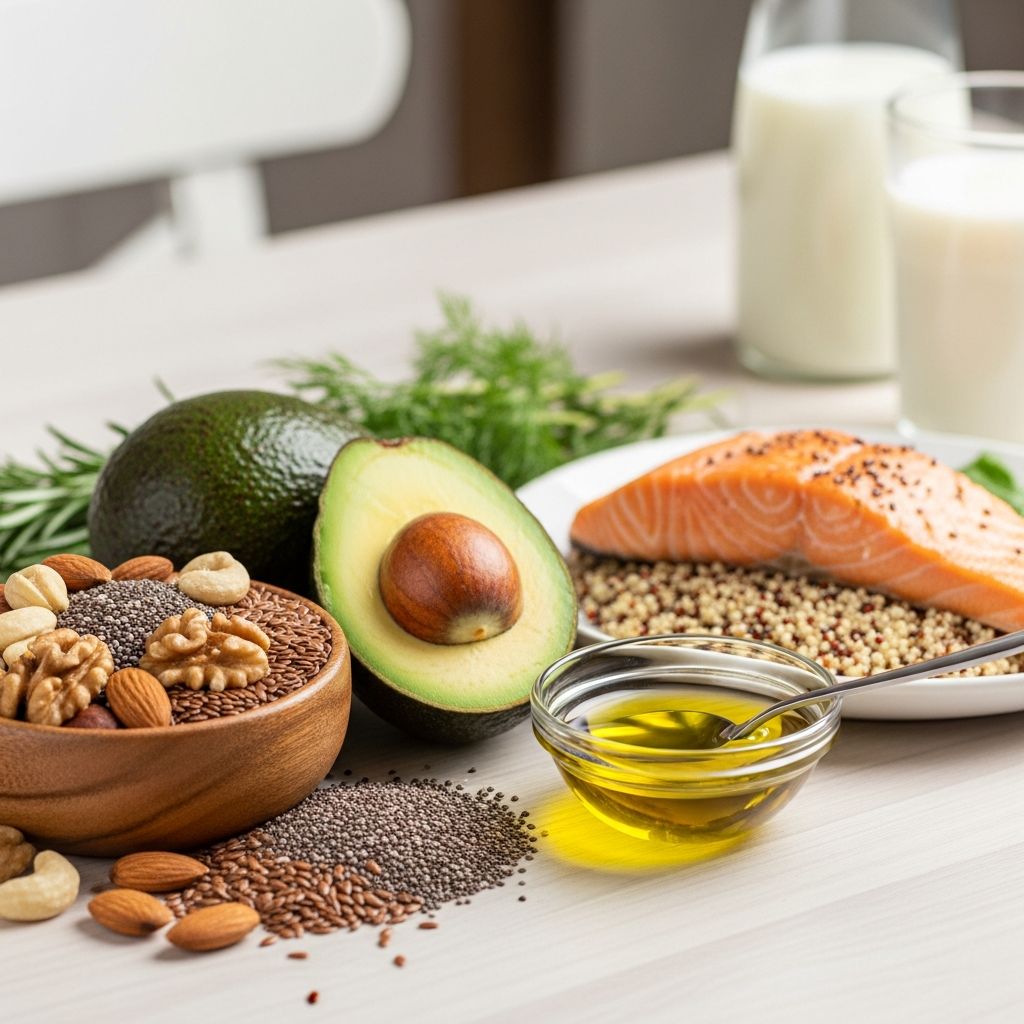
Fatty acids form the foundation of fats in both our bodies and everyday foods, playing critical roles in growth, energy production, and disease prevention, especially for growing children. During digestion, complex fats break down into these simpler units, which cells then absorb to build cell membranes, support hormone production, and fuel brain activity.
Understanding the Chemistry of Fatty Acids
Fatty acids are long chains of carbon atoms bonded to hydrogen, typically ranging from 4 to 28 carbons in length, with most dietary ones having 12 to 18. They attach to a glycerol backbone to form triglycerides, the primary storage form of fat in foods and the body. Free fatty acids, detached from glycerol, arise during digestion or fat breakdown.
The key distinction lies in saturation: saturated fatty acids have all single bonds between carbons, fully ‘saturated’ with hydrogen, making them solid at room temperature like butter or coconut oil. Unsaturated types feature one or more double bonds, creating kinks that keep them liquid, such as in olive oil. Monounsaturated fats have a single double bond, while polyunsaturated have multiple, influencing stability and health effects.
| Type | Structure | Physical State | Common Sources |
|---|---|---|---|
| Saturated | No double bonds | Solid at room temp | Meat, dairy, coconut oil |
| Monounsaturated | One double bond | Liquid at room temp | Olive oil, avocados, nuts |
| Polyunsaturated | Two+ double bonds | Liquid at room temp | Fish, seeds, soybean oil |
This table summarizes core differences, highlighting how structure dictates function and food sources.
Why Essential Fatty Acids Matter for Kids
The body cannot produce certain polyunsaturated fatty acids, dubbing them ‘essential’—they must come from diet to prevent deficiencies affecting skin, growth, and immunity. Chief among them are omega-3s like alpha-linolenic acid (ALA) and omega-6s like linoleic acid, vital for children’s rapid brain development, where fats comprise 60% of the brain’s dry weight.
Omega-3s support cognitive function, learning, and mood regulation, while omega-6s aid skin health and inflammation control. A balanced omega-6 to omega-3 ratio (ideally 4:1 or lower) combats modern diets skewed toward omega-6 from processed foods. For families, prioritizing these ensures robust physical and mental growth.
Power of Omega-3 Fatty Acids
Omega-3s, with their first double bond at the third carbon from the chain’s end, include ALA from plants, and longer-chain EPA and DHA from marine sources. DHA builds retinal cells for vision and neuronal membranes for brain signaling, crucial in infancy when 50% of energy goes to brain growth.
- Plant-based ALA: Converts inefficiently (5-10%) to EPA/DHA but remains key for vegetarians.
- Marine EPA/DHA: Directly bioavailable, reducing heart disease risk by lowering triglycerides and inflammation.
Children benefit from omega-3s for focus, sleep, and allergy prevention. Studies link higher intake to better academic performance and fewer behavioral issues.
Benefits and Sources of Omega-6 Fatty Acids
Omega-6s, starting with a double bond at the sixth carbon, like linoleic acid, promote healthy skin, hair, and wound healing while modulating immune responses. Abundant in vegetable oils, they fuel cell growth but excess promotes inflammation if unbalanced.
- Corn, soybean, sunflower oils for cooking and dressings.
- Nuts and seeds like sunflower seeds for snacks.
For kids, moderate omega-6 supports energy without overload; pair with omega-3s for synergy.
Balancing Your Family’s Fat Intake
Daily needs vary: children aged 1-3 require 7g total fat, rising to 65g for teens, with 10% from polyunsaturated. Parents should aim for 1-2% calories from linoleic (omega-6) and 0.5-1% from ALA (omega-3).
Strategies include:
- Incorporate fatty fish twice weekly for DHA/EPA.
- Use canola or flax oil in meals for mixed benefits.
- Snack on walnuts or chia seeds.
- Limit processed foods high in unbalanced omega-6.
Vegetarian families can rely on algae supplements for DHA, ensuring completeness.
Signs of Fatty Acid Imbalances in Children
Deficiency shows as dry skin, poor concentration, frequent infections, or slow growth—rare in balanced diets but possible in restrictive eating. Excess saturated/trans fats raise cholesterol risks, while omega imbalances link to allergies or hyperactivity. Monitor via diet logs; consult pediatricians for blood tests if concerned.
Practical Meal Ideas Packed with Healthy Fats
Build kid-friendly meals:
- Breakfast: Oatmeal with flaxseeds and walnuts.
- Lunch: Salmon salad wraps with avocado.
- Dinner: Stir-fry with tofu, broccoli, and sesame oil.
- Snacks: Almond butter on apple slices or chia pudding.
These deliver 1-3g omega-3 per serving, tasty and nutritious.
Frequently Asked Questions (FAQs)
Can children get enough omega-3s without fish?
Yes, via flaxseeds, chia, walnuts, or algae-based DHA supplements, though conversion from ALA is limited.
How much fatty fish is safe weekly?
Two 3-4 oz servings for kids over 2, choosing low-mercury options like salmon.
Are saturated fats always bad?
No, in moderation from whole foods like dairy; MCTs from coconut offer quick energy without heart risks.
What if my child is a picky eater?
Fortified foods, smoothies with seeds, or nut butters sneak in fats seamlessly.
Do cooking methods affect fatty acids?
Heat oxidizes polyunsaturated fats; opt for gentle baking or raw uses to preserve benefits.
Long-Term Wellness Through Smart Fat Choices
Integrating diverse fatty acids fosters lifelong health: stronger immunity, sharper minds, and lower chronic disease risks. Parents model habits by choosing whole foods over processed, tracking variety weekly. Regular check-ups ensure adequacy, empowering families for vitality.
References
- Types of Fat – The Nutrition Source — Harvard T.H. Chan School of Public Health. 2023. https://nutritionsource.hsph.harvard.edu/what-should-you-eat/fats-and-cholesterol/types-of-fat/
- 5.2 Types and Sources of Fatty Acids — Middle Tennessee State University Pressbooks. 2023. https://mtsu.pressbooks.pub/nutrition/chapter/5c-fatty-acid-types-food-sources/
- Understanding The 4 Types of Fatty Acids: What You Should Know — Zero Acre Farms. 2023. https://www.zeroacre.com/blog/types-of-fatty-acids
- 17.1: Fatty Acids — Chemistry LibreTexts. 2023-10-01. https://chem.libretexts.org/Bookshelves/Introductory_Chemistry/The_Basics_of_General_Organic_and_Biological_Chemistry_(Ball_et_al.)/17:_Lipids/17.01:_Fatty_Acids
- Dietary fat: Know which to choose — Mayo Clinic. 2023-11-20. https://www.mayoclinic.org/healthy-lifestyle/nutrition-and-healthy-eating/in-depth/fat/art-20045550