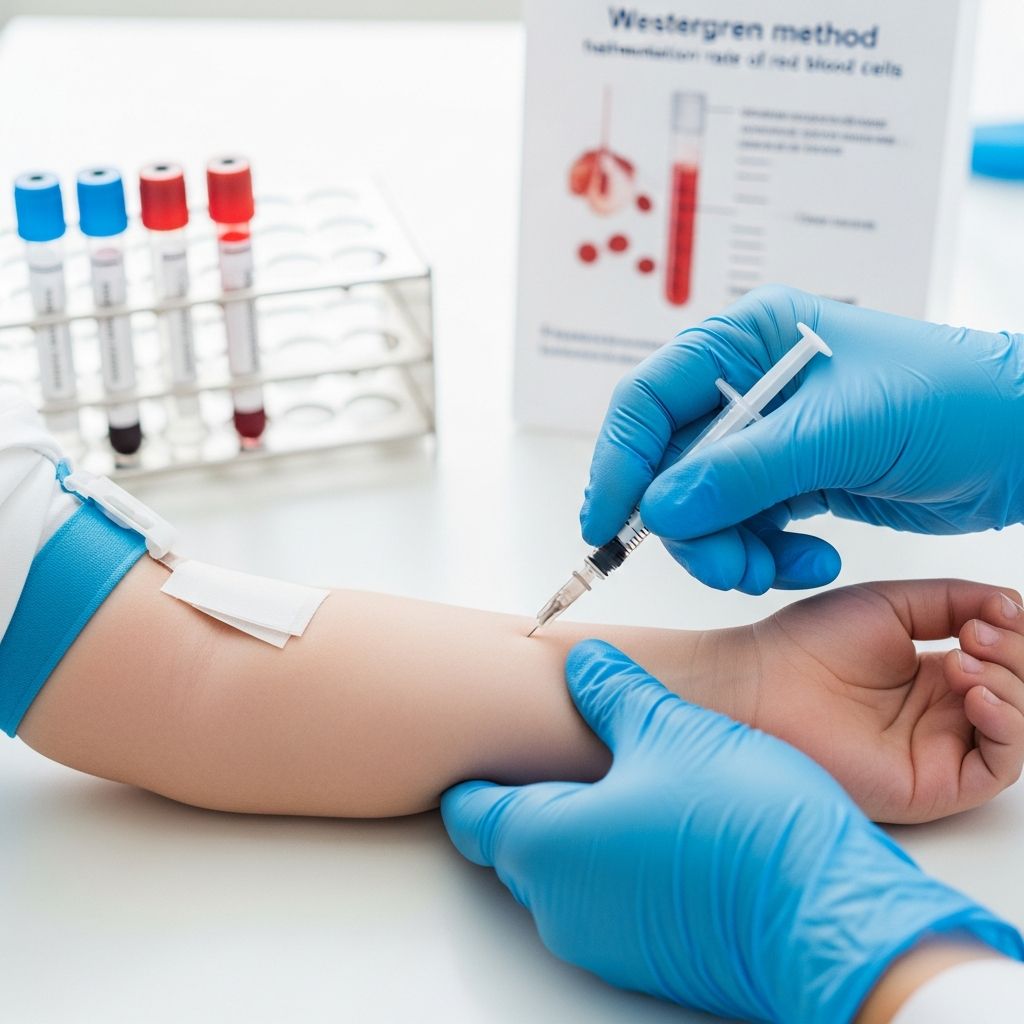
The erythrocyte sedimentation rate (ESR), often called the sed rate, is a common blood test used to detect inflammation in the body. In children, this simple test helps doctors identify underlying issues like infections or autoimmune conditions by measuring how quickly red blood cells settle in a tube.
Understanding the Science Behind the ESR Test
At its core, the ESR test evaluates the speed at which red blood cells, or erythrocytes, sink to the bottom of a specially prepared blood sample. When inflammation is present, proteins in the blood increase, causing red blood cells to clump together in stacks called rouleaux. These stacks settle faster, resulting in a higher ESR value measured in millimeters per hour (mm/hr).
The most widely used method is the Westergren technique, where blood is drawn into a tall, narrow tube and left to stand for one hour. Lab technicians then measure the distance the cells have fallen. This standardized approach ensures reliable results across labs, though slight variations can occur due to factors like temperature or sample handling. Newer automated systems are gaining popularity for their speed and precision, closely matching traditional methods.
Why Doctors Order an ESR Test for Kids
Pediatricians recommend ESR testing when a child shows signs of persistent inflammation, such as unexplained fever, joint pain, fatigue, or swelling. It’s particularly useful for monitoring chronic conditions like juvenile idiopathic arthritis, inflammatory bowel disease, or lupus.
Unlike specific diagnostic tests, ESR acts as a nonspecific indicator. An elevated result prompts further investigation, such as imaging or additional blood work, to pinpoint the cause. In cases of suspected bacterial infections, like bone or joint infections, high ESR levels can guide urgent treatment. It’s also valuable for tracking treatment effectiveness, as levels typically decrease when inflammation resolves.
Normal ESR Ranges for Children and Adults
ESR values vary by age, sex, and puberty status. Labs provide reference ranges, but general guidelines are:
| Age Group | Normal ESR (mm/hr) |
|---|---|
| Newborns | 0-2 |
| Children pre-puberty | 3-13 |
| Males under 50 | <15 |
| Females under 50 | <20 |
| Males over 50 | <20 |
| Females over 50 | <30 |
These ranges come from established pediatric and adult norms. Newborns have the lowest rates due to fewer plasma proteins, while values rise slightly through childhood. Always discuss your child’s specific results with their doctor, as lab standards differ.
Step-by-Step: What Happens During the Test
Preparing for an ESR test is straightforward for children. No special fasting is needed, though parents should ensure the child is well-hydrated. The procedure takes just minutes:
- A phlebotomist cleans the arm with alcohol.
- A tourniquet is applied to make veins visible.
- A small needle draws blood into a tube containing anticoagulant.
- Pressure stops any bleeding, and a bandage is applied.
Younger kids might feel a quick pinch, but distractions like toys or videos help. The sample is sent to the lab for analysis within hours to ensure accuracy. Parents can resume normal activities immediately after.
Interpreting High ESR Results in Pediatrics
An elevated ESR signals increased inflammation but doesn’t specify the source. Common pediatric causes include:
- Infections (bacterial or viral).
- Autoimmune disorders like rheumatoid arthritis.
- Chronic inflammatory conditions such as IBD.
- Tissue injury or surgery recovery.
Values over 100 mm/hr often indicate severe issues like active infections, malignancies, or heart/kidney disease. In kids, ESR above 20 mm/hr raises concern for bacterial bone infections. Doctors combine it with C-reactive protein (CRP) tests for better specificity.
When Low ESR Levels Occur
Low ESR is rarely concerning and can be normal variation. It may occur in conditions like polycythemia, sickle cell anemia, or high white blood cell counts. Certain medications, such as NSAIDs or statins, can also lower it. If consistently low without symptoms, no action is typically needed.
Factors That Can Skew ESR Results
Several variables influence accuracy:
- Age and Menstruation: ESR naturally rises in females during cycles.
- Pregnancy: Elevated in later trimesters.
- Anemia: Can falsely lower rates due to fewer cells.
- Sample Delay: Must test within 2-24 hours.
- Temperature: Heat speeds sedimentation.
Mention any recent illnesses, meds, or conditions to your doctor for context.
ESR vs. Other Inflammation Markers
| Test | Speed | Specificity | Best Use |
|---|---|---|---|
| ESR | Slower (1 hour) | Low | Monitoring chronic inflammation |
| CRP | Faster | Higher | Acute infections |
ESR complements CRP; together, they provide a fuller picture.
Preparing Your Child for the ESR Test
Ease anxiety by explaining the test simply: “It’s like checking how fast sand falls in a tube.” Practice deep breaths or bring comfort items. For toddlers, parental holding during the draw helps. Post-test, praise bravery and watch for bruising.
Frequently Asked Questions About ESR in Children
Is fasting required for an ESR test?
No, children can eat and drink normally beforehand.
How painful is the ESR blood draw?
It’s a brief pinch; numbing cream can be used for sensitive kids.
Can ESR diagnose specific diseases?
No, it’s a screening tool indicating inflammation, needing follow-up tests.
What if my child’s ESR is slightly high?
Mild elevations can be normal; retesting or other labs clarify.
How often is ESR repeated?
For monitoring, every few weeks or months depending on condition.
Advances in ESR Testing Technology
Automated analyzers now reduce manual error and turnaround to under an hour, with ICSH-approved methods matching Westergren reliability. Point-of-care devices may soon enable bedside testing in pediatrics.
Empowering Parents: Next Steps After Results
Review results with your pediatrician promptly. High values may lead to rheumatology referrals or antibiotics. Track symptoms in a journal to aid diagnosis. Routine ESR isn’t advised without symptoms.
This test, while simple, plays a key role in pediatric care, helping catch issues early for better outcomes.
References
- Sedimentation Rate (ESR) Test — Cleveland Clinic. 2023-10-12. https://my.clevelandclinic.org/health/diagnostics/17747-sed-rate-erythrocyte-sedimentation-rate-or-esr-test
- Erythrocyte Sedimentation Rate — Stanford Medicine Children’s Health. 2024-05-15. https://www.stanfordchildrens.org/en/topic/default?id=erythrocyte-sedimentation-rate-167-erythrocyte_sedimentation_rate
- Erythrocyte Sedimentation Rate — Seattle Children’s Hospital. 2025-01-10. https://seattlechildrenslab.testcatalog.org/show/LAB322-1
- ESR — UCSF Benioff Children’s Hospitals. 2024-08-20. https://www.ucsfbenioffchildrens.org/medical-tests/esr
- Blood Test: Erythrocyte Sedimentation Rate (ESR) — Rady Children’s Hospital. 2023-11-05. https://www.rchsd.org/health-article/blood-test-erythrocyte-sedimentation-rate-esr/
- Erythrocyte Sedimentation Rate — StatPearls, NCBI Bookshelf. 2023-09-04. https://www.ncbi.nlm.nih.gov/books/NBK557485/
- Sedimentation Rate: About Your Child’s Test — Kaiser Permanente. 2024-02-28. https://healthy.kaiserpermanente.org/health-wellness/health-encyclopedia/he.sedimentation-rate-about-your-childs-test.aci4936