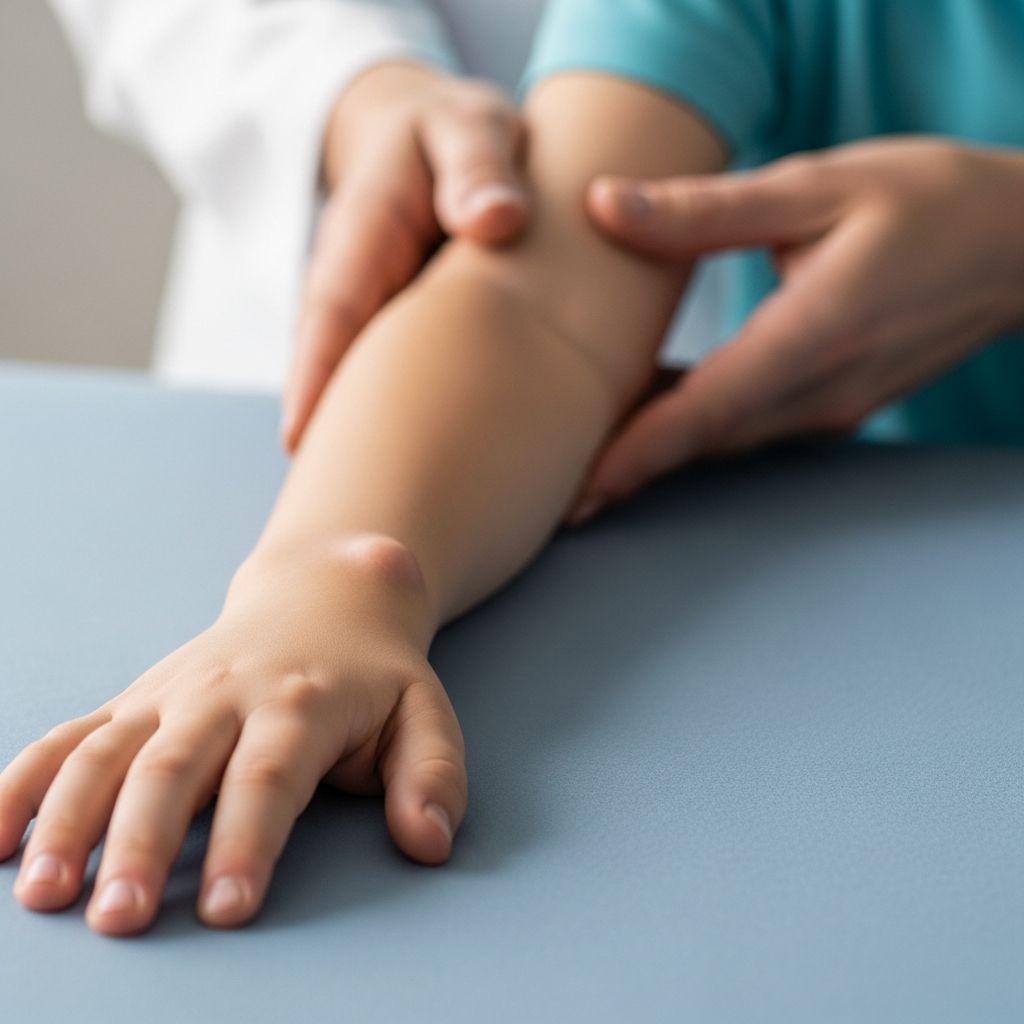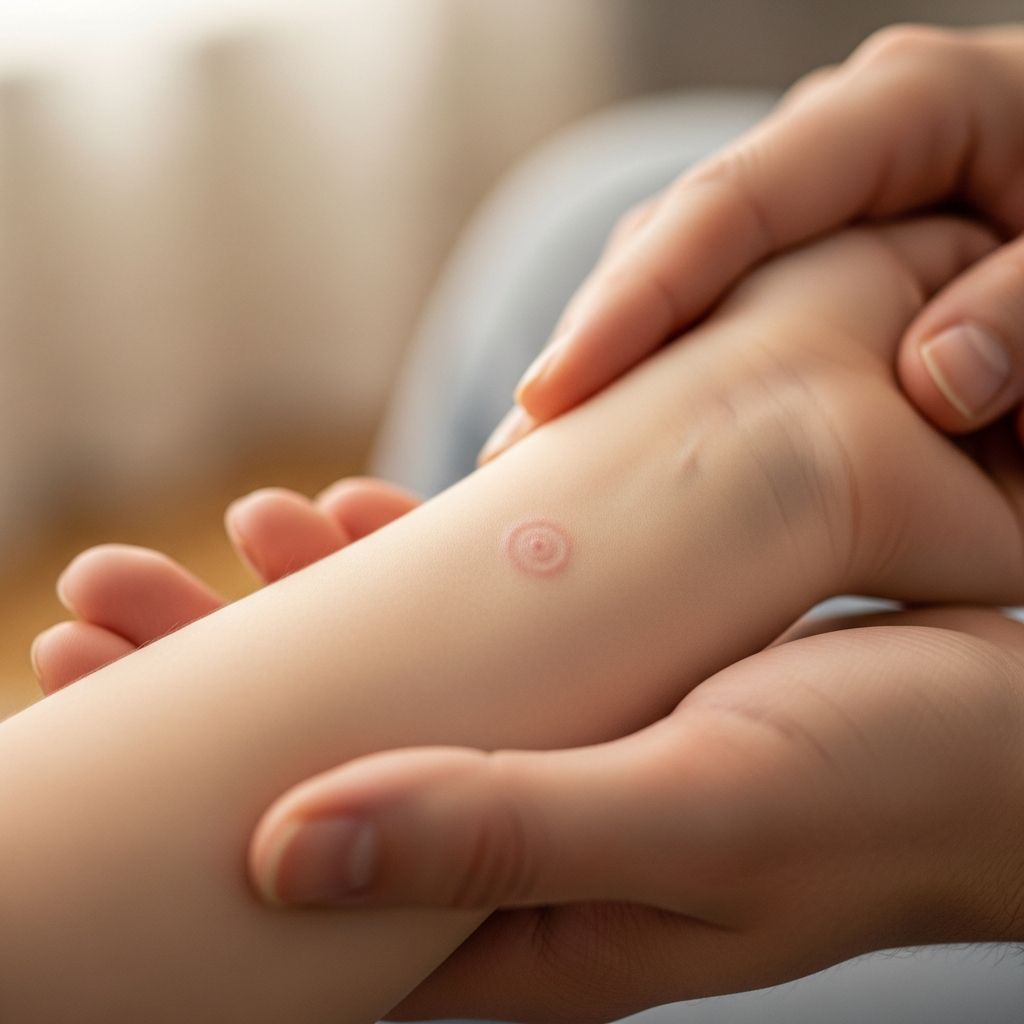
Erythema multiforme is a sudden skin reaction that can look alarming but is often mild and short-lived in children. Understanding why it happens and how to care for your child can make this condition far less frightening.
What Is Erythema Multiforme?
Erythema multiforme is a skin condition in which the immune system reacts to a trigger, such as an infection or medication, and causes distinctive red spots or patches on the skin. These spots can grow and develop into “targets” or “bull’s-eye” shapes with different colored rings.
In most children, erythema multiforme is considered a self-limited condition, meaning it usually clears on its own within days to a few weeks. There is a milder form that mainly affects the skin and a more severe form that can also involve the mouth, eyes, and genitals.
Why Does Erythema Multiforme Happen?
The body’s immune system is designed to attack germs, but sometimes it becomes over-reactive. In erythema multiforme, the immune response can mistakenly attack the skin and mucous membranes after a trigger is present.
Common triggers include viral infections (especially those that cause cold sores), certain bacterial infections, and a smaller number of medications. Less commonly, vaccines or other medical conditions can be involved, but in many children no single clear cause is found.
Typical Triggers in Children
- Viral infections: Especially viruses that cause cold sores and other respiratory infections.
- Bacterial infections: Such as those that cause pneumonia or other respiratory illnesses.
- Medications: Some antibiotics, seizure medicines, and pain relievers may occasionally trigger a reaction.
- Unknown causes: In some cases, parents and doctors never identify a specific trigger.
How the Rash Looks and Feels
The appearance of the rash is one of the main clues that a child has erythema multiforme. Parents often notice small red spots first, which then expand and change shape over a short period.
Not every child’s rash will look the same, but there are some features that doctors frequently see and use to make the diagnosis.
Common Skin Features
- Flat or slightly raised red spots that may later become bumps or plaques.
- Classic “target” patches with a darker center, a pale middle ring, and a red outer ring.
- Lesions that are roughly round and similar in size, often appearing in clusters.
- New spots developing over several days while older ones may begin to fade.
Where the Rash Usually Appears
- Backs of hands and tops of feet.
- Arms and legs, especially the outer surfaces.
- Sometimes the face, ears, and trunk (chest, belly, and back).
Does It Itch or Hurt?
Some children experience itching, burning, or mild pain in the affected areas, while others may have little discomfort. When the mouth or eyes are involved, pain can be more noticeable and may affect eating, drinking, or opening the eyes comfortably.
Skin-Only vs. More Severe Forms
Doctors often separate erythema multiforme into a milder skin-dominant form and a more serious type that affects mucous membranes, such as the mouth and eyes. Knowing the difference helps parents recognize when more urgent care is needed.
The table below compares key features of these two patterns to give a quick overview.
| Feature | Milder, Skin-Focused Pattern | More Severe, Mucosal Pattern |
|---|---|---|
| Main areas involved | Arms, legs, hands, feet, sometimes trunk | Skin plus mouth, lips, eyes, or genital area |
| General symptoms | Mild or no fever; child may feel mostly well | Higher fever, feeling unwell, tired, or irritable |
| Mouth involvement | Usually absent | Painful sores, difficulty eating or drinking |
| Eye involvement | Uncommon | Red eyes, tearing, light sensitivity, eye pain |
| Typical setting | Often managed at home with guidance from a doctor | May require emergency evaluation or hospital care |
Other Symptoms to Watch For
Beyond the rash, some children have signs that reflect the underlying trigger, such as cough, sore throat, or general fatigue. These may point to a viral or bacterial infection that started before the skin changes appeared.
Parents should pay close attention to symptoms that affect basic functions like eating, drinking, breathing, or seeing clearly. These can signal a more serious form of the condition or complications that demand prompt medical help.
Possible Associated Symptoms
- Low-grade or high-grade fever.
- Cough, congestion, or sore throat.
- Headache, body aches, or fatigue.
- Painful mouth sores, drooling, or refusal to eat.
- Red, irritated eyes or trouble opening them.
- Burning with urination if lesions are near the genitals.
How Doctors Diagnose Erythema Multiforme
Diagnosis usually begins with a careful look at the rash and a detailed history of recent illnesses, medications, and exposures. The classic target-like spots, along with their distribution on the body, give strong clues.
Most of the time, lab tests are not required. However, in tricky cases or when the pattern is unusual, a doctor may order blood tests, swabs, or rarely a skin biopsy to confirm the diagnosis and rule out more dangerous conditions.
Information You Can Share With the Doctor
- When the rash first appeared and how quickly it spread.
- Any new medications, including over-the-counter drugs or herbal products.
- Recent infections, such as cold sores, colds, or pneumonia.
- Changes in detergents, soaps, or other products, even if these are less likely causes.
- Any family history of unusual skin reactions or allergies.
Treatment: What to Expect
There is no single “cure” that makes erythema multiforme vanish instantly, because the reaction needs time to settle down. Treatment focuses on relieving symptoms, supporting the child’s comfort, and addressing the underlying trigger when it is identified.
Children with mild skin-only disease are often treated at home, while those with severe mouth or eye involvement may need hospital care for fluids, pain control, and close monitoring.
Medical Treatments
- Managing the trigger: Treating infections and stopping any suspect medicines when advised by the doctor.
- Relief of itching and pain: Oral antihistamines, topical creams, or gels to reduce discomfort in the rash.
- Mouth care: Special mouth rinses or gels to ease pain and help the child eat and drink.
- Eye care: Lubricating drops or other treatments prescribed by an eye specialist if the eyes are involved.
- Stronger medicines: In selected cases, doctors may use corticosteroids or other medications when symptoms are severe.
Home Care and Comfort Measures
Thoughtful care at home can make a big difference in how a child feels while the rash is present. Parents often play the key role in monitoring symptoms, encouraging fluids, and creating a soothing environment.
Because the skin may be tender or sensitive, gentle handling and simple routines help prevent additional irritation.
Practical Tips for Parents
- Dress the child in loose, soft clothing that does not rub on the rash.
- Use mild, fragrance-free soaps and avoid hot baths that can aggravate itching.
- Apply cool, damp compresses to especially irritated areas as directed by your doctor.
- Encourage frequent small sips of water, milk, or oral rehydration solutions if mouth sores make drinking difficult.
- Offer soft, lukewarm foods such as yogurt, smoothies, or purees when chewing or swallowing is painful.
- Keep the child’s nails short to reduce damage from scratching and consider cotton gloves at night if itching is intense.
When to Seek Urgent Medical Help
Although many cases of erythema multiforme are mild, parents should recognize warning signs that require prompt medical evaluation. These can indicate dehydration, more severe mucous membrane involvement, or a different, more dangerous skin condition.
Trust your instincts. If your child looks very unwell or the rash changes rapidly, it is always better to seek help sooner rather than later.
Red-Flag Symptoms
- Difficulty breathing, wheezing, or tightness in the chest.
- Swelling of the lips, tongue, or throat.
- Inability to drink enough fluids, with dry lips, decreased urination, or lack of tears.
- Severe mouth, eye, or genital pain.
- Blisters or peeling skin over large areas of the body.
- Confusion, extreme sleepiness, or a child who is hard to wake.
Will It Come Back?
Some children experience only one episode of erythema multiforme, while others have recurrences, especially when a repeat trigger is present. For example, if cold sores are a frequent problem, the rash may reappear after each outbreak.
Doctors may recommend preventive strategies when episodes are frequent, severe, or strongly tied to a recurring infection. The exact plan depends on the child’s age, overall health, and past pattern of illness.
Reducing the Risk of Recurrence
- Follow treatment plans aimed at controlling chronic or recurring infections.
- Keep a record of medications or situations that seemed to precede earlier episodes.
- Inform every healthcare provider about a history of erythema multiforme before new medicines are prescribed.
- Attend regular follow-up appointments if the child has had more than one episode.
Helping Your Child Cope Emotionally
A visible rash, especially on the face or hands, can make children feel self-conscious or anxious. They may worry about how classmates or friends will react or be fearful that the rash will never go away.
Reassurance and honest, age-appropriate explanations help most children feel safer and more in control. Parents can also work with teachers and caregivers to create a supportive environment while the rash is present.
Supportive Strategies
- Explain in simple language that the rash is a reaction, not something the child caused.
- Reassure the child that the spots will fade and that many children experience temporary skin problems.
- Encourage normal activities as tolerated, so the child does not feel isolated.
- Let older kids help track their symptoms or note what makes them feel better, giving them a sense of control.
Frequently Asked Questions (FAQ)
Is erythema multiforme contagious?
The rash itself is not contagious, but the infection that triggered it might be. If a virus or bacteria caused the reaction, that infection can sometimes spread to others, especially in close contact settings like households or schools.
How long does the rash usually last?
Many children see improvement within one to two weeks, although some spots can linger longer as they fade. New lesions may appear for several days before the entire outbreak settles completely.
Will the rash leave scars?
Scarring is uncommon in uncomplicated erythema multiforme. Some children may notice temporary color changes in the skin where lesions were present, but these typically fade over time.
Can my child go to school?
This depends on how your child feels and whether there is an underlying infection that requires staying home. If your child is comfortable, able to drink fluids, and does not have a contagious illness that needs isolation, attending school is often possible with the doctor’s approval.
Should I stop all my child’s medicines?
Do not stop any medications without guidance from a healthcare professional. Instead, share a complete list of medicines with your child’s doctor so they can decide which, if any, might need to be changed.
When should we see a specialist?
A referral to a dermatologist or other specialist may be recommended if the diagnosis is uncertain, episodes are frequent, or the child has severe mucous membrane involvement. Specialists can help fine-tune treatment and discuss long-term prevention strategies.
Key Takeaways for Parents
- Erythema multiforme is an immune-based skin reaction that often follows an infection or, less commonly, a medication.
- The condition usually improves on its own, but supportive care and pain relief can greatly improve a child’s comfort.
- Watch closely for mouth, eye, or genital involvement and for signs of dehydration or breathing difficulty.
- Stay in close contact with your child’s healthcare team to manage current symptoms and reduce the risk of future episodes.