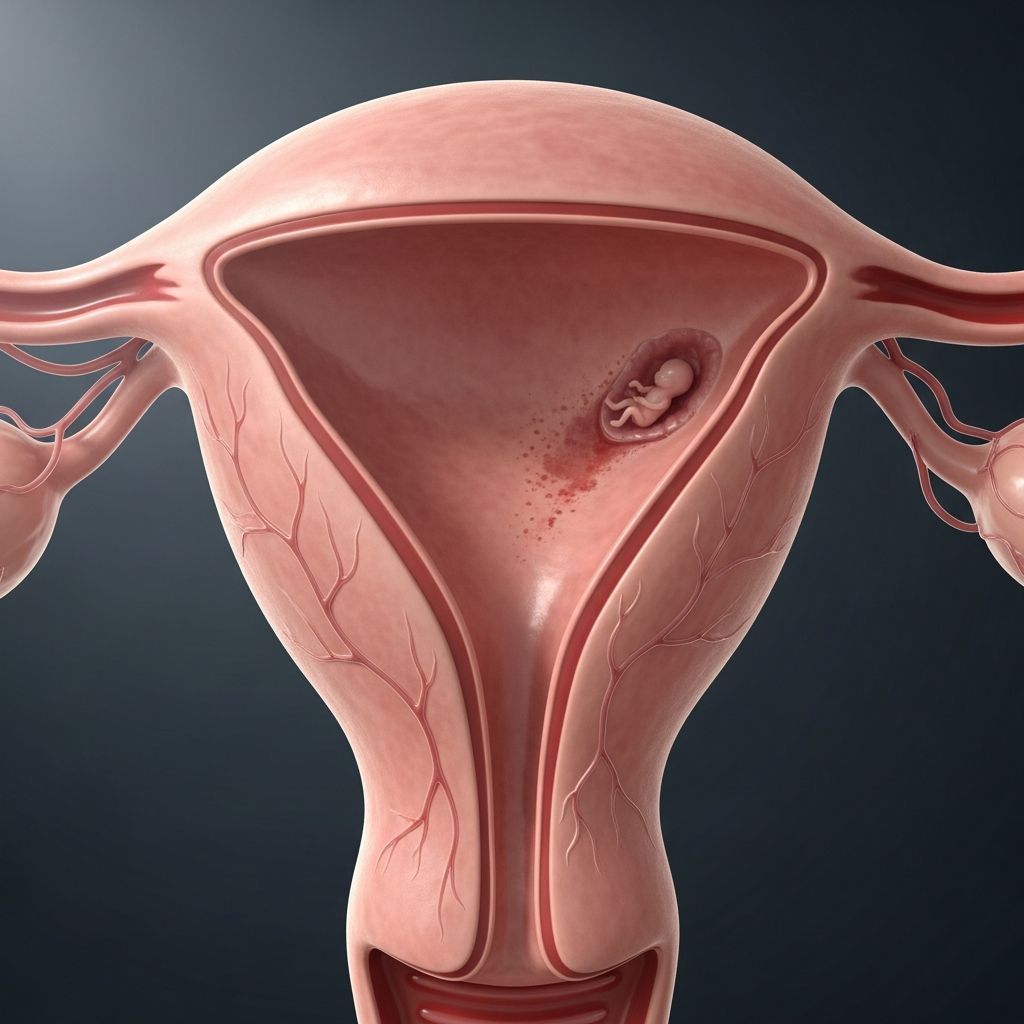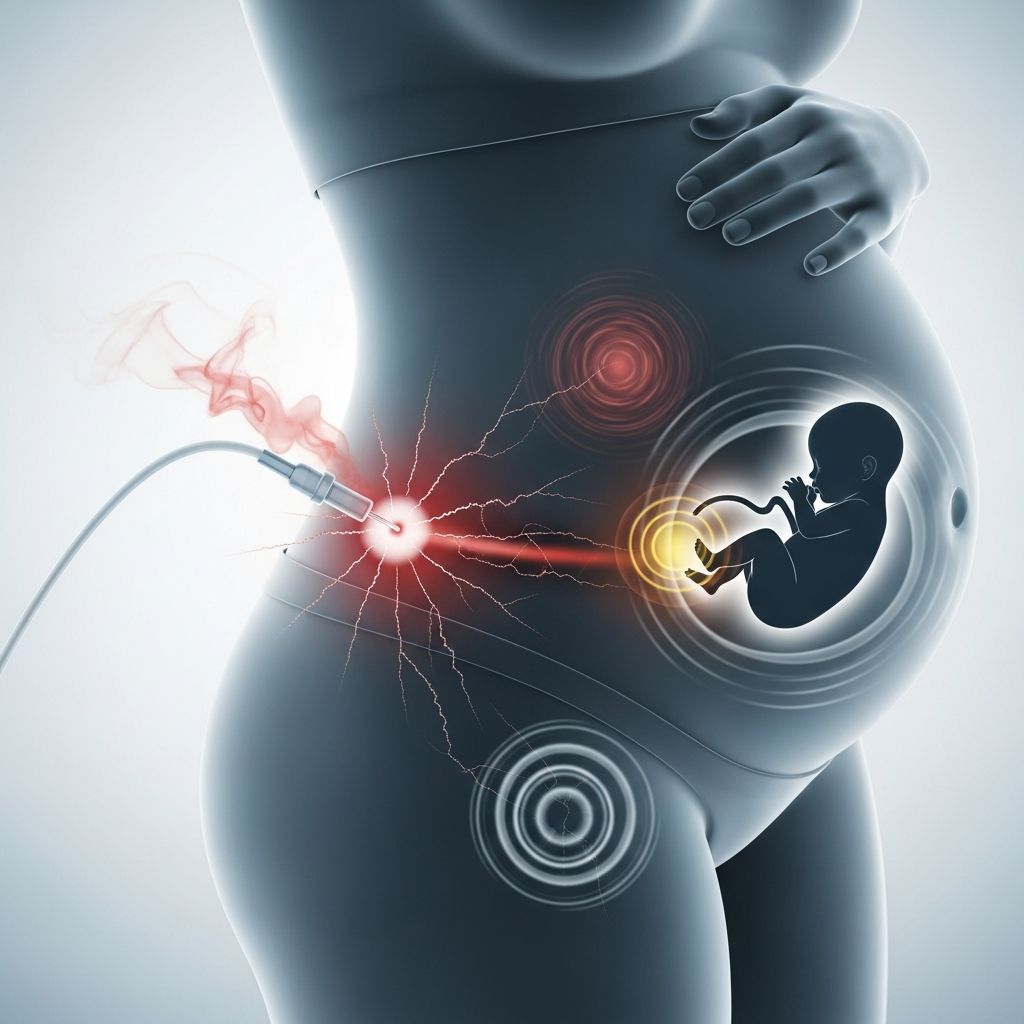
Epidural analgesia provides effective pain relief during childbirth but carries potential side effects ranging from common and temporary to rare and serious. Understanding these helps expectant mothers weigh benefits against risks.
Understanding Epidural Analgesia in Childbirth
Epidurals involve injecting anesthetic medication into the epidural space of the spine to block pain signals from the lower body. Administered via a catheter, it allows continuous dosing throughout labor. While highly effective, the procedure affects maternal blood pressure, fetal monitoring, and labor progression.
Healthcare providers monitor vital signs closely post-administration. Common concerns include immediate physiological changes that can influence delivery outcomes. Studies show 41.9% of women experience significant reactions like hypotension or fetal heart rate alterations.
Common Immediate Side Effects
The most frequent issues arise shortly after epidural placement and are manageable with medical intervention.
- Maternal Hypotension: A drop in systolic blood pressure below 90 mm Hg or over 20% from baseline occurs in about 36.2% of cases. This relaxes blood vessels, reducing uterine blood flow and potentially slowing fetal heart rate. Treatment includes IV fluids, side-lying position, or vasopressors like ephedrine.
- Fetal Heart Rate Changes: Worsening fetal heart rate category within 60 minutes affects 11.4% of cases. These variable decelerations link to maternal hypotension but can occur independently, prompting closer monitoring.
- Numbness and Motor Block: Temporary leg weakness or tingling hinders mobility and pushing efforts. This typically resolves post-delivery but prolongs the second stage of labor by about 15 minutes on average.
- Itchiness: Skin pruritus from opioid additives is widespread but mild, treatable with antihistamines.
Impact on Labor Progression
Epidurals can extend labor duration. The first stage may prolong due to slowed contractions, often requiring oxytocin augmentation. Second-stage effects stem from reduced pelvic floor sensation and strength, potentially increasing instrumental deliveries.
A cohort study of 439 women found cervical dilation at epidural placement, labor duration post-epidural, and fetal heart rate worsening independently predict cesarean delivery. Mediation analysis confirmed these factors’ direct and indirect roles in surgical births.
| Factor | Association with Cesarean | P-value |
|---|---|---|
| Cervical dilation at epidural | Independent predictor | 0.03 |
| Labor duration after epidural | Strong association | <0.001 |
| Fetal heart rate worsening | Independent risk | 0.01 |
This table summarizes key predictors from recent research, highlighting how epidural timing and monitoring influence outcomes.
Rare but Serious Complications
While uncommon, severe issues demand awareness.
- Post-Dural Puncture Headache: Occurs if the dura is pierced, causing cerebrospinal fluid leaks. Symptoms include severe positional headaches in less than 1% of cases, treatable with blood patches.
- Infection or Hematoma: Rare spinal infections or blood clots can lead to abscesses or paralysis. Incidence is under 1 in 10,000.
- Nerve Damage: Persistent numbness or pain from needle trauma affects fewer than 1 in 1,000, usually resolving spontaneously.
- Respiratory Depression: High opioid doses may slow breathing, though rare with standard protocols.
Long-Term Considerations
Long-term epidural effects are exceedingly rare. No strong evidence links epidurals to chronic back pain, sciatica, or permanent neurologic deficits beyond isolated cases of nerve root damage or hematoma.
Neonatal outcomes remain favorable; Apgar scores and NICU admissions show no association with epidural side effects. However, fetal heart rate changes correlate with higher cesarean rates for non-reassuring status, not neonatal morbidity.
Factors Influencing Risk Levels
Not all women face equal risks. Maternal BMI, age, cervical dilation at placement, and pre-existing conditions like hypertension elevate complications.
- Higher BMI correlates with prolonged labor post-epidural (P<0.001).
- Earlier epidural (less dilation) increases cesarean odds.
- Non-reassuring fetal tracings pre-epidural heighten uteroplacental insufficiency risks.
Experienced providers and proactive management, like low-dose protocols, mitigate issues. Institutions with low intervention rates achieve cesarean rates as low as 5% in epidural users.
Managing and Minimizing Side Effects
Prevention strategies enhance safety:
- Pre-hydration: IV fluids before placement counteract hypotension.
- Positioning: Left lateral tilt maintains placental perfusion.
- Monitoring: Continuous fetal heart rate and maternal vitals for 60 minutes post-placement.
- Dosing: Combined spinal-epidural or low-concentration infusions reduce motor block.
- Movement: Walking epidurals preserve mobility where possible.
Discuss preferences in birth plans. Alternatives like nitrous oxide or IV opioids suit low-risk cases seeking fewer interventions.
Debunking Epidural Myths
Misconceptions persist:
- Myth: Epidurals always cause cesareans. Association exists, but causation does not; skilled management prevents excess surgeries.
- Myth: Permanent back pain is common. No causal link; soreness is transient.
- Myth: Harmful to baby. No impact on Apgars or long-term health.
Frequently Asked Questions
Does an epidural increase cesarean delivery risk?
Factors like fetal heart rate changes post-epidural raise odds, but not universally. Logistic models show independent links to dilation and monitoring issues.
How is hypotension treated?
Fluids, positioning, and vasopressors restore pressure quickly, protecting fetal oxygenation.
Can epidurals cause long-term nerve damage?
Extremely rare (<1/1,000); most resolve without intervention.
Are headaches common?
Rare post-dural puncture; blood patch cures most.
Do epidurals affect breastfeeding?
No direct impact; mobility aids bonding.
Empowering Informed Choices
Weigh pain relief against potential effects with your provider. Epidurals suit many, but knowledge ensures personalized decisions. Research evolves, emphasizing vigilant monitoring for optimal outcomes.
References
- Side effects from epidural analgesia in laboring women and risk of cesarean delivery: a cohort study — Eluri et al. 2024-01-15. https://pmc.ncbi.nlm.nih.gov/articles/PMC10820310/
- Epidural Side Effects Long Term, In Pregnancy, Risks, & More — Milestone Scientific. 2023-06-01. https://www.milestonescientific.com/epidural-side-effects-long-term
- Complications of Epidural Analgesia During Labor — American Academy of Family Physicians. 1998-11-15. https://www.aafp.org/pubs/afp/issues/1998/1115/p1743.html
- Epidurals During Childbirth: What Women Should Know — Yale Medicine. 2023-05-10. https://www.yalemedicine.org/news/epidural-anesthesia
- Effects of Epidurals on the Second Stage of Labor — Evidence Based Birth. 2023-02-20. https://evidencebasedbirth.com/effects-of-epidurals-on-the-second-stage-of-labor/
- Epidural: What It Is, Side Effects, Risks & Procedure — Cleveland Clinic. 2024-08-05. https://my.clevelandclinic.org/health/treatments/21896-epidural