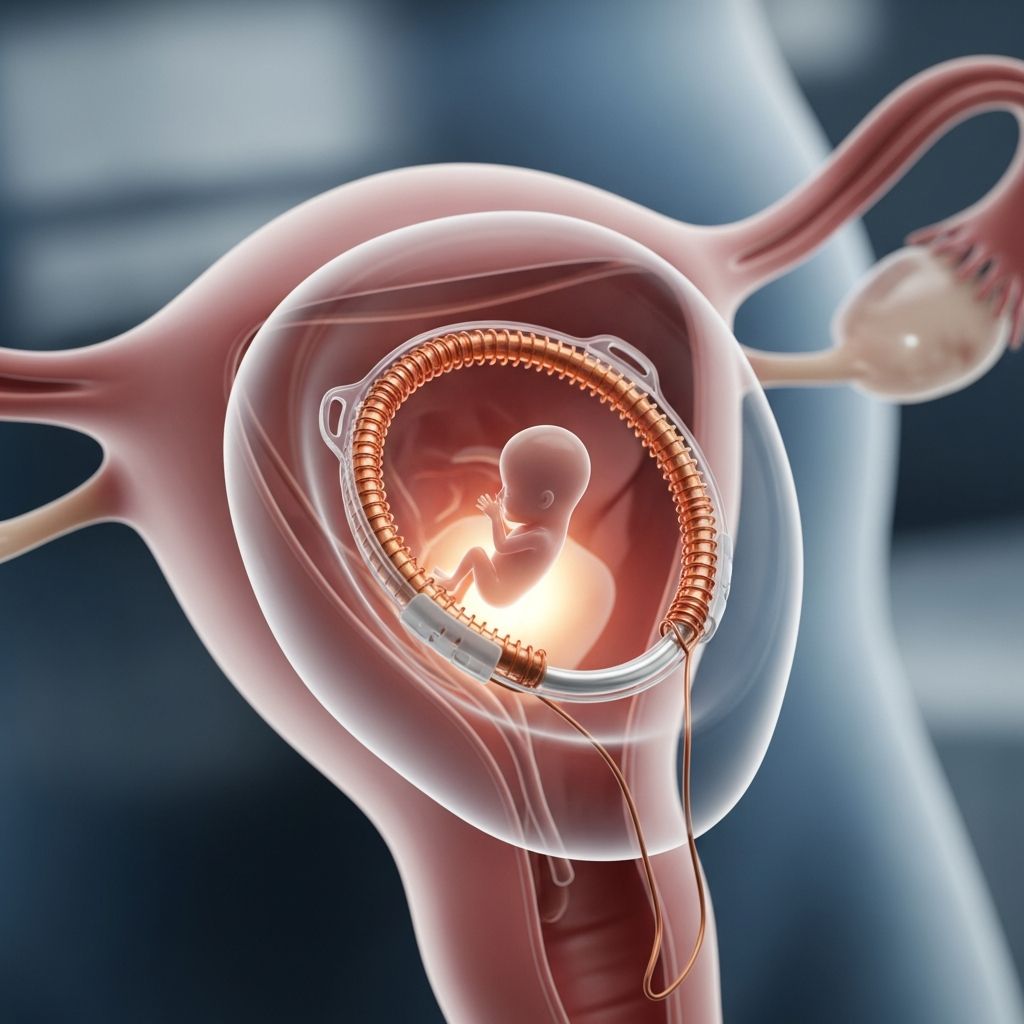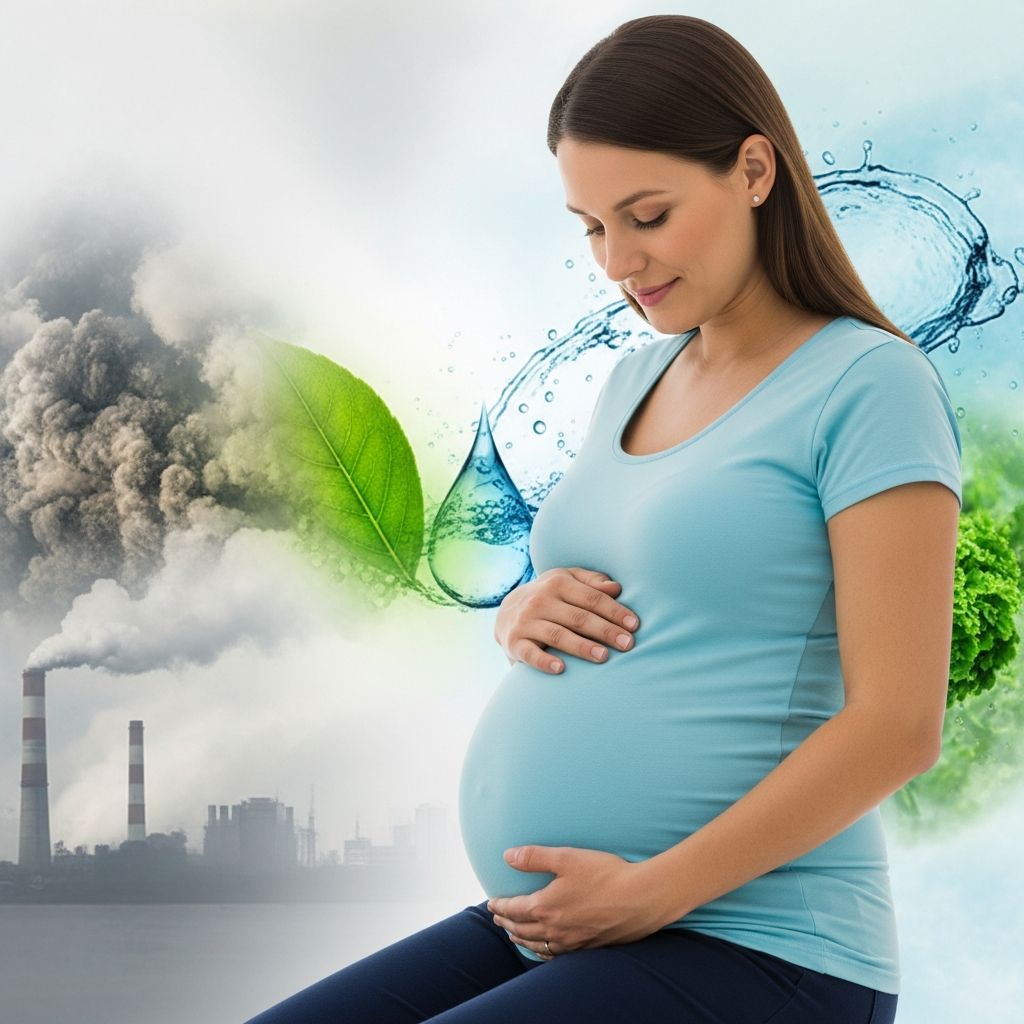
Pregnancy is a transformative time filled with anticipation and joy, but it also brings heightened awareness of potential health risks. One concern that deserves significant attention is the presence of environmental toxins that can affect both maternal health and fetal development. Understanding what these substances are, where they hide, and how to minimize exposure is crucial for ensuring a safer, healthier pregnancy journey.
The human body is constantly exposed to various chemicals and contaminants through multiple pathways. For pregnant women, the stakes become particularly high because developing babies are uniquely vulnerable to substances that might cause minimal harm to adults. This guide explores the landscape of environmental toxins, their potential impacts on pregnancy outcomes, and actionable strategies that expectant mothers can implement to protect themselves and their babies.
Understanding the Scope of Toxin Exposure in Pregnancy
Environmental toxins are substances present in our surroundings that can negatively affect health and development. During pregnancy, exposure to harmful chemicals becomes especially concerning because the developing fetus cannot detoxify substances the way adult bodies can. The critical periods of organ formation and cellular development make the fetus particularly susceptible to damage from chemical exposure.
Research indicates that toxin exposure during pregnancy can lead to serious complications including preterm birth, low birth weight, developmental delays, and immune system dysfunction. The timing of exposure matters significantly because certain critical windows of fetal development are especially vulnerable. When disruptions occur during these sensitive periods, the consequences can be permanent and affect lifelong health outcomes.
One particularly concerning category of contaminants is PFAS, often called “forever chemicals,” because they don’t break down naturally in the environment or body. Studies show that over 97% of Americans have detectable levels of PFAS in their bloodstream, meaning pregnant women likely carry these substances as well. During pregnancy, women experience increased water intake and physiological changes that may cause them to absorb and retain these chemicals at even higher levels than non-pregnant individuals.
Forever Chemicals: PFAS and Pregnancy Complications
PFAS (per- and polyfluoroalkyl substances) represent a significant emerging concern for maternal and fetal health. These synthetic chemicals have been used in manufacturing for decades and persist in the environment indefinitely, hence their nickname. The primary routes of PFAS exposure include contaminated drinking water, food packaged in PFAS-coated materials, personal care products, proximity to industrial sites, and household dust from stain-resistant furnishings.
The research connecting PFAS exposure to pregnancy complications is substantial and concerning. One landmark study found that mothers with higher PFOS and PFDA levels experienced a 60% and 64% increased odds, respectively, of developing late-onset preeclampsia. Another study from Canada reported that women with the highest PFHxS exposure levels had more than three times the odds of developing preeclampsia compared to those with the lowest exposure. Preeclampsia is a serious pregnancy condition characterized by high blood pressure and protein in urine that can threaten both mother and baby.
Low birth weight represents another significant concern linked to PFAS exposure. A comprehensive analysis funded by the National Institutes of Health examined data from over 3,000 pregnant women across 11 different cohorts and found that mothers with higher PFAS blood levels were more likely to deliver babies weighing less than optimal. Low birth weight is associated with increased risk of health complications, developmental challenges, and long-term health issues throughout childhood and beyond.
Additionally, emerging research suggests that PFAS exposure may increase the risk of miscarriage and preterm labor. A Swedish study discovered that higher maternal PFOA levels in early pregnancy correlated with a 50% increased risk of first-trimester miscarriage when PFOA exposure doubled. The biological mechanisms behind these associations likely involve hormonal disruption and immune system effects, though research continues to clarify the exact pathways.
Common Household Chemicals and Personal Care Products
Beyond environmental contaminants like PFAS, many products used in and around the home contain chemicals that warrant concern during pregnancy. These substances are often not labeled prominently and may hide under vague ingredient descriptions, making them easy to overlook.
Triclosan is an antimicrobial agent found in numerous soaps, lotions, detergents, deodorants, cosmetics, and even some plastics and fabrics. While marketed for antibacterial properties, triclosan may disrupt thyroid hormones and contribute to antibiotic-resistant bacteria. During pregnancy, avoiding triclosan-containing products is advisable since plain soap and water are equally effective for basic hygiene without the chemical burden.
Glycol ethers are chemical solvents commonly found in glass cleaners, all-purpose sprays, and other household cleaning solutions. Exposure to these chemicals has been associated with reduced sperm counts in male workers and birth defects in children born to exposed pregnant women. Switching to green cleaning alternatives using ingredients like castile soap, baking soda, and vinegar can eliminate this exposure source entirely.
Phthalates are chemicals used in plastics and to make fragrances last longer in personal care products. These substances often hide under the generic label “fragrance” on product packaging, making them difficult to identify. Phthalates can disrupt endocrine function and affect fetal development, making avoidance particularly important during pregnancy.
Parabens are preservatives found in many cosmetics, lotions, shampoos, and personal care products. These chemicals mimic estrogen in the body and may interfere with normal hormonal development in the fetus. Reading ingredient lists carefully and selecting paraben-free alternatives offers protection without sacrificing product quality or effectiveness.
Food-Related Toxin Exposures
The food we consume during pregnancy can be a significant source of toxin exposure, but this area also offers considerable opportunity for improvement through informed choices.
BPA in food packaging represents a widespread concern. Bisphenol A (BPA) is an endocrine-disrupting chemical used in polycarbonate plastics and can linings, particularly for canned foods. When food is heated in or stored in BPA-containing containers, the chemical can leach into food and beverages. Pregnant women should favor fresh or frozen foods over canned products and avoid heating food in plastic containers.
Pesticide residues on fruits and vegetables represent another food-related exposure pathway. While produce is generally beneficial for nutrition, washing fruits and vegetables thoroughly helps remove surface pesticide residues. When possible, selecting organic produce for items typically carrying higher pesticide loads offers additional protection.
Undercooked meat and food safety introduces risk of toxoplasma exposure. This parasite typically causes no symptoms in healthy adults but can cause serious complications in pregnancy, including miscarriage, stillbirth, or eye and brain damage in the developing baby. Cooking meat thoroughly to safe internal temperatures and practicing proper food handling hygiene significantly reduces this risk.
Making more meals at home using fresh ingredients provides greater control over food quality and preparation methods compared to restaurant or fast food options. Home cooking eliminates exposure to unknown chemicals added during commercial food processing and reduces reliance on packaging materials that might leach harmful substances.
Environmental and Lifestyle Toxin Sources
Beyond household products and food, several environmental and lifestyle factors contribute to toxin exposure during pregnancy.
Water quality deserves particular attention since pregnant women naturally increase their water intake. If you live in an area known to have PFAS contamination—which can be checked through the EPA’s PFAS Interactive Map—installing a certified water filtration system is prudent. Reverse osmosis and activated carbon filters certified to NSF/ANSI 53 or 58 standards effectively remove PFAS and other contaminants.
Lead exposure poses risks particularly in older homes where lead paint and lead pipes were common. Lead crosses the placenta and can affect fetal brain development and cause learning disabilities. Having water tested and home inspected for lead, particularly if living in an older property, provides critical information for decision-making.
Air quality significantly impacts pregnancy health. Air pollution exposure has been linked to preterm birth, low birth weight, and developmental delays. While global air quality is beyond individual control, improving indoor air quality through proper ventilation, air purifiers, and avoiding indoor pollution sources like smoking offers meaningful protection.
Smoking and vaping represent significant toxin sources with well-documented pregnancy risks. Beyond nicotine’s direct effects on fetal development, smoking exposes both mother and baby to thousands of chemicals, many of which are known toxins and carcinogens. Complete avoidance of smoking and secondhand smoke is crucial throughout pregnancy.
Pet-related exposures require attention. Pet medications, feces, and contaminated litter can introduce various pathogens and chemicals. Having another household member handle litter box duties eliminates toxoplasma exposure risk. If no other adult is available, wearing gloves and a mask provides protection.
Stain-resistant furniture and carpeting contain PFAS compounds that off-gas into indoor air and accumulate in household dust. If possible, choosing natural fiber furnishings or older furniture without stain treatments reduces this exposure source.
Practical Strategies for Reducing Toxin Exposure
Understanding potential toxin sources is the first step; implementing practical reduction strategies is equally important.
Immediate Actions
- Replace cleaning products with green alternatives using simple ingredients like baking soda, vinegar, castile soap, and essential oils
- Switch personal care products to brands explicitly labeled paraben-free, phthalate-free, and triclosan-free
- Invest in a high-quality water filter certified to remove PFAS and other contaminants
- Eliminate plastic food storage and avoid heating food in plastic containers
- Thoroughly wash all produce before consumption
Dietary Modifications
- Increase meals prepared at home using fresh ingredients
- Minimize consumption of canned foods, choosing fresh or frozen alternatives instead
- Select organic produce when possible, particularly for items on the Environmental Working Group’s “Dirty Dozen” list
- Ensure all meat, poultry, and seafood are cooked to proper internal temperatures
- Choose fresh, local foods from farmers markets when available
Home Environment Improvements
- Have home tested for lead, particularly if constructed before 1978
- Improve ventilation and consider an air purifier for the main living space
- Avoid stain-resistant treatments on furniture and carpets
- Regularly dust with damp cloths to minimize inhalation of contaminated dust
- Delegate pet litter box duties to another household member
Professional Guidance and Monitoring
The American College of Obstetricians and Gynecologists (ACOG) recommends that healthcare providers discuss toxin exposure prevention with patients during pregnancy. Open communication with your obstetrician or midwife about potential exposures—whether occupational, environmental, or dietary—enables personalized risk assessment and recommendations.
For pregnancies classified as high-risk due to environmental exposures, frequent prenatal monitoring becomes particularly important. Regular prenatal visits allow healthcare providers to assess for complications and implement early interventions if needed. An environmental risk assessment during pregnancy can identify specific concerns relevant to your situation and guide preventive strategies.
Understanding Critical Developmental Windows
The vulnerability of developing babies to environmental toxins varies depending on pregnancy stage. Organ development occurs primarily during the first trimester, when many women don’t yet know they’re pregnant. This underscores the importance of minimizing toxin exposure even before conception when possible, particularly for women actively trying to become pregnant.
The second and third trimesters bring continued vulnerability, particularly regarding substances that affect placental function or fetal growth. PFAS accumulation in the placenta can impair its ability to deliver nutrients and oxygen to the developing baby, potentially resulting in growth restriction and complications like preeclampsia.
Frequently Asked Questions
Q: Are all cleaning products unsafe during pregnancy?
A: No, but many conventional products contain chemicals like glycol ethers and other solvents that warrant concern. Plant-based, non-toxic cleaning products and homemade solutions using baking soda, vinegar, and castile soap are safe and effective alternatives.
Q: Can I eat canned foods during pregnancy?
A: Canned foods should be minimized during pregnancy due to BPA in can linings. Fresh or frozen produce and proteins offer superior nutrition without the chemical exposure. If canned foods are used, choose brands specifically labeled BPA-free.
Q: How can I reduce PFAS exposure if I don’t know if my water is contaminated?
A: Check the EPA’s PFAS Interactive Map to determine if your area has known contamination. Regardless of location, installing a water filter certified to NSF/ANSI 53 or 58 standards provides protection. Additionally, limiting consumption of food packaged in PFAS-coated materials reduces exposure from multiple sources.
Q: Is it necessary to buy all organic produce during pregnancy?
A: While organic is ideal, all produce is beneficial. If budget is a concern, prioritize organic for produce with thicker skins and higher pesticide residues, and thoroughly wash all conventional produce to remove surface residues.
Q: What should I do about lead exposure?
A: If your home was built before 1978, have water tested and walls inspected for lead paint. Lead crosses the placenta and affects fetal brain development, making detection and remediation important. Your local health department can provide testing resources and guidance.
Q: Can I continue using my regular cosmetics during pregnancy?
A: Many conventional cosmetics contain phthalates, parabens, and other endocrine-disrupting chemicals. Switching to brands explicitly labeled free of these substances eliminates unnecessary chemical exposure while maintaining beauty routines.
References
- PFAS Exposure During Pregnancy: Risks to Mom and Baby — PFAS Water Experts. 2024. https://pfaswaterexperts.org/pfas-and-pregnancy-risks-to-mother-and-baby/
- Safety First: Hidden Toxins to Avoid During Pregnancy — Mama Bird. 2024. https://www.lovemamabird.com/blogs/library/safety-first-hidden-toxins-to-avoid-during-pregnancy
- Changing Environmental Factors and its Effect on Pregnant Women — American Cord Blood. 2024. https://www.americordblood.com/articles/changing-environmental-factors-and-its-effect-on-pregnant-women
- Teratogens: Effects, Types, Risks & Prevention — Cleveland Clinic. 2024. https://my.clevelandclinic.org/health/articles/24325-teratogens
- 6 In-Home Toxins to Avoid During Pregnancy — UT Southwestern Medical Center. 2024. https://utswmed.org/medblog/home-toxins-pollutants-pregnancy/
- Toxic Chemicals: Steps to Stay Safer Before and During Pregnancy — American College of Obstetricians and Gynecologists. 2024. https://www.acog.org/womens-health/faqs/toxic-chemicals-steps-to-stay-safer-before-and-during-pregnancy
- Toxic Environmental Exposures in Maternal, Fetal, and Reproductive Health — Contemporary OB/GYN. 2024. https://www.contemporaryobgyn.net/view/toxic-environmental-exposures-maternal-fetal-and-reproductive-health
Moving Forward With Confidence
Protecting your pregnancy from environmental toxins may seem overwhelming given the pervasiveness of chemical exposures in modern life. However, understanding the risks and implementing practical strategies empowers expectant mothers to make informed decisions that meaningfully reduce exposure. Every change—from filtering drinking water to choosing safer personal care products—contributes to a healthier pregnancy environment for your developing baby. By staying informed, maintaining open communication with healthcare providers, and implementing the practical strategies outlined in this guide, you can navigate pregnancy with greater confidence and peace of mind.