What Parents Need to Know About Enteroviruses
Enteroviruses represent a significant group of viral pathogens that predominantly affect infants, children, and teenagers. These viruses are particularly prevalent during warmer months, typically from summer through early autumn, though they can occur year-round in various geographic locations. Understanding the nature of these infections is essential for parents seeking to protect their children’s health and recognize when professional medical intervention may be necessary.
Enteroviruses encompass numerous viral strains, including coxsackieviruses, echoviruses, and other enteroviral types, each capable of causing varying degrees of illness severity. The majority of enteroviral infections in children result in mild symptoms or may pass entirely unnoticed, yet certain strains have the potential to trigger more serious health complications requiring immediate medical attention.
Recognizing the Telltale Signs and Symptoms
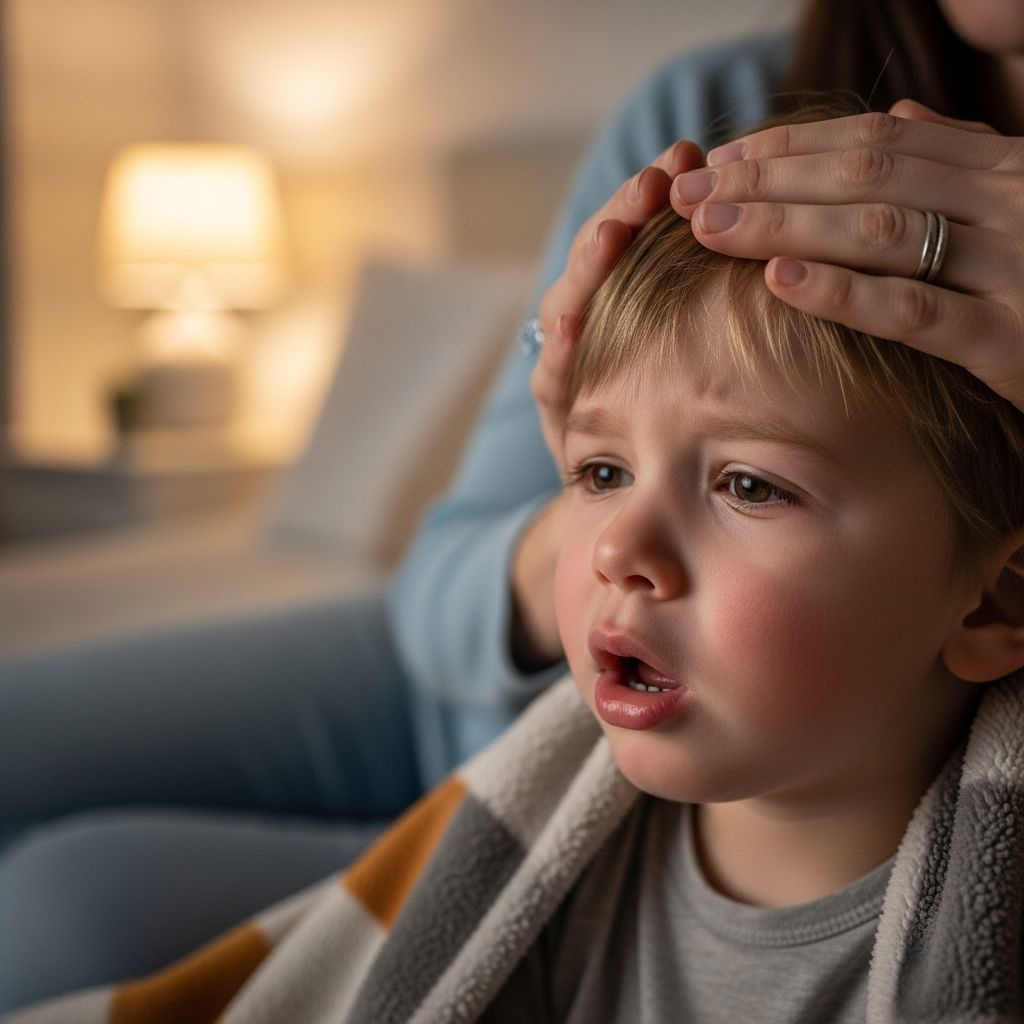
One of the most important aspects of managing enteroviral infections involves early identification of symptoms. The clinical presentation varies considerably among affected children, ranging from asymptomatic infections to those producing noticeable symptoms that typically resolve within a few days.
The most frequently observed symptoms include:
- Elevated body temperature (fever)
- Discomfort in muscles and joints
- Throat pain or irritation
- Nasal congestion and drainage
- Sneezing and coughing
- Respiratory distress or difficulty breathing
- Wheezing or whistling sounds during breathing
- Nausea, vomiting, or stomach upset
- Loose stools or diarrhea
Many children experience these symptoms mildly and recover spontaneously without requiring medical intervention. However, certain manifestations warrant closer observation and potential professional evaluation.
Characteristic Rashes and Oral Manifestations
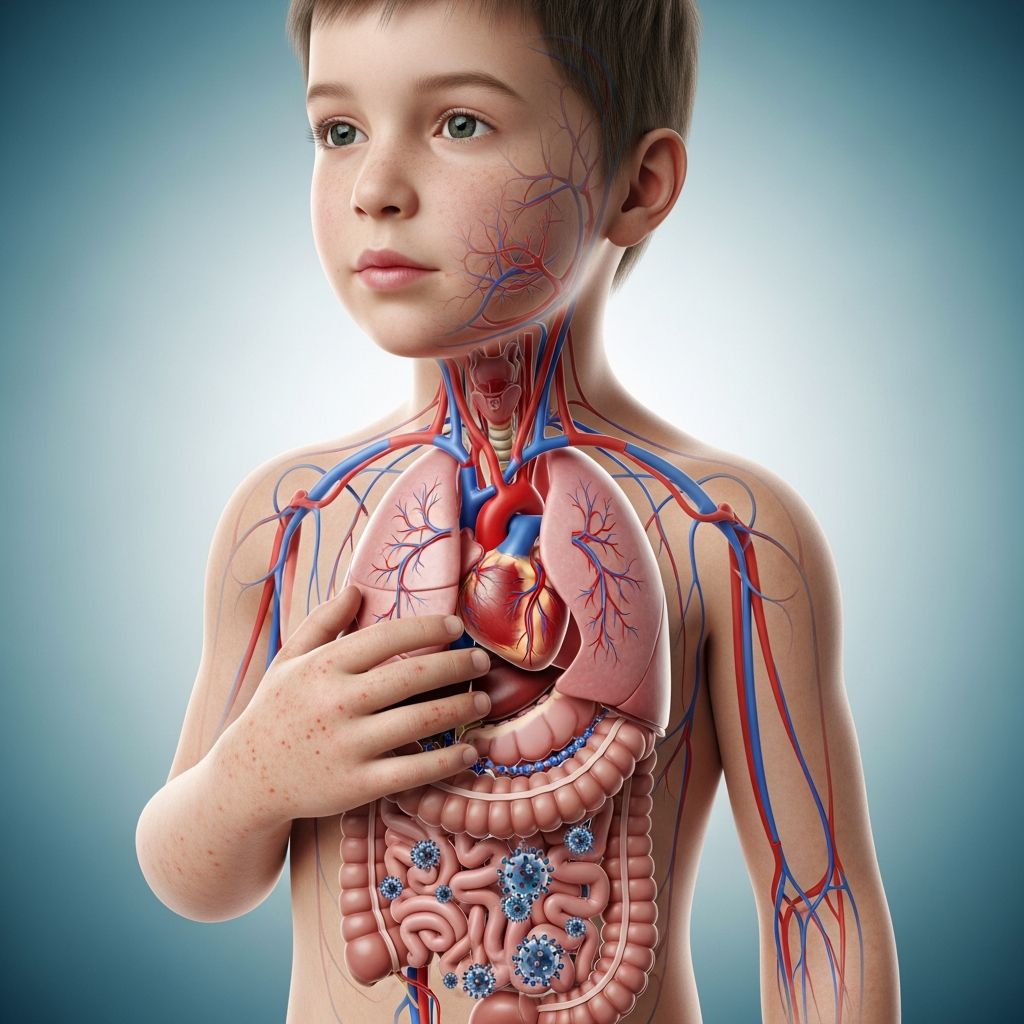
Some enteroviral infections produce distinctive physical findings that aid in diagnosis. Hand-foot-and-mouth disease, commonly caused by specific coxsackievirus strains, presents with characteristic fluid-filled blisters appearing on the palms, soles of the feet, and inside the mouth. These lesions can be uncomfortable, particularly when they interfere with eating or drinking, potentially leading to inadequate fluid intake in young children.
Beyond hand-foot-and-mouth disease, other enteroviral infections may trigger diffuse rashes affecting larger body surface areas. These rashes typically appear red and blanch with pressure, though they generally resolve without leaving permanent marks or scarring.
Herpangina represents another recognizable presentation, characterized by sudden fever accompanied by a sore throat, with grayish or yellowish bumps developing inside the mouth and throat within approximately two days of symptom onset. These painful ulcerations usually heal within one to seven days but may cause significant discomfort during eating and swallowing.
Age-Related Severity and Risk Factors
The severity of enteroviral infection correlates strongly with patient age and immune system maturity. Young infants, particularly those under three months of age, face substantially elevated risk for severe disease manifestations. Older children and teenagers typically experience milder symptoms, while adults often have minimal or no noticeable illness despite viral infection.
Children with pre-existing medical conditions requiring immunosuppressive therapy or those with inherent immune system deficiencies face increased vulnerability to serious complications. Additionally, children with chronic respiratory conditions, such as asthma, may experience more pronounced respiratory symptoms when infected with certain enteroviral strains, particularly Enterovirus D68.
Potential Serious Complications
Although uncomplicated enteroviral infections typically resolve without incident, certain strains and circumstances can lead to more serious health consequences. Understanding these potential complications helps parents identify warning signs requiring urgent medical evaluation.
Complications from enteroviral infections, while uncommon, may include:
- Meningitis (inflammation of membranes surrounding the brain and spinal cord)
- Encephalitis (brain tissue inflammation)
- Myocarditis (heart muscle inflammation)
- Hepatitis (liver inflammation)
- Acute flaccid myelitis (spinal cord involvement causing weakness or paralysis)
- Severe respiratory disease requiring hospitalization
- Conjunctivitis (eye infection)
- Muscle weakness or paralysis (particularly with poliovirus)
Enterovirus D68 deserves particular mention due to its capacity to cause respiratory distress in affected children. This strain gained prominence following disease outbreaks in 2014, 2016, and 2018, during which some infected children experienced severe respiratory compromise and, in rare instances, acute flaccid myelitis affecting limb mobility.
How Enteroviruses Spread Among Children
Transmission of enteroviral infections occurs through direct contact with infected body secretions. Parents and caregivers should understand these transmission mechanisms to implement effective prevention strategies.
Primary transmission routes include:
- Direct contact with respiratory secretions (saliva, nasal mucus) from infected individuals
- Inhalation of respiratory droplets when an infected person coughs or sneezes
- Contact with fecal material, particularly in diapered children
- Touching contaminated surfaces followed by touching the face, mouth, or eyes
- Sharing eating utensils, cups, or personal items with infected individuals
The highly contagious nature of these viruses means they spread readily through child care settings, schools, and family environments. Infected individuals remain contagious throughout their illness and for several days following symptom resolution, making prevention particularly challenging in group settings.
Diagnostic Approaches and Medical Evaluation
Healthcare providers diagnose enteroviral infections primarily through clinical assessment, evaluating symptoms and examining affected areas such as the mouth, throat, and skin for characteristic findings. The combination of distinctive symptoms, seasonal timing, and physical examination findings typically provides sufficient diagnostic information.
Laboratory testing may be pursued in cases of suspected serious complications, such as meningitis or encephalitis, where cerebrospinal fluid examination or specific viral testing might guide treatment decisions. However, routine laboratory confirmation is not necessary for uncomplicated enteroviral illness.
Parents should ensure their child receives professional medical evaluation if symptoms persist beyond one week, worsen despite initial improvement, or if warning signs suggesting serious complications develop.
Management and Supportive Care Strategies
Treatment of enteroviral infections focuses on supportive measures to alleviate symptoms and promote recovery. No antiviral medications specifically target most enteroviruses, making symptom management the cornerstone of care.
Recommended supportive care measures include:
- Maintaining adequate hydration through frequent small fluid intake
- Using appropriate fever-reducing medications as directed by healthcare providers
- Allowing rest and limiting strenuous physical activity during acute illness
- Offering soft foods if mouth sores make eating uncomfortable
- Using pain relief measures for muscle or throat discomfort
- Maintaining a cool environment if fever is present
Children with severe respiratory symptoms, signs of meningitis, or other concerning manifestations require hospitalization for intensive monitoring and supportive care. Some hospitalized children may require respiratory support or intravenous fluid administration depending on illness severity.
Prevention Strategies for Parents and Caregivers
While complete prevention of enteroviral exposure proves impossible, several evidence-based strategies substantially reduce transmission risk within families and child care environments.
Effective prevention measures encompass:
- Regular hand washing with soap and water for at least twenty seconds, particularly after diaper changes, before food preparation, and after contact with respiratory secretions
- Teaching children appropriate hand hygiene habits from an early age
- Avoiding sharing personal items such as cups, utensils, or toothbrushes
- Cleaning and disinfecting commonly touched surfaces regularly
- Maintaining distance from individuals displaying respiratory symptoms when possible
- Teaching children to cover mouth and nose when coughing or sneezing
- Keeping sick children home from school or child care until symptoms resolve
- Ensuring vaccination against polio, the only enterovirus with an effective preventive vaccine
Hand washing represents the single most effective preventive measure, as enteroviruses are readily inactivated by soap and water. Alcohol-based hand sanitizers may offer some benefit but prove less effective than thorough hand washing with soap.
When to Seek Immediate Medical Attention
Parents should recognize warning signs that indicate their child requires urgent medical evaluation. While most enteroviral infections resolve without serious consequences, certain symptoms necessitate prompt professional assessment.
Seek emergency medical care if your child experiences:
- Severe difficulty breathing or respiratory distress
- High fever (above 38.5°C or 101.3°F) accompanied by signs of severe illness
- Severe headache with neck stiffness or sensitivity to light
- Extreme irritability or lethargy
- Signs of dehydration including decreased urination or dry mucous membranes
- Muscle weakness or inability to move limbs normally
- Confusion or altered mental status
- Seizures or convulsions
- Chest pain or signs of cardiac distress
Contact your healthcare provider for evaluation if symptoms persist beyond one week or if you observe warning signs suggesting more serious illness.
Seasonal Patterns and Community Outbreaks
Enteroviral infections demonstrate marked seasonal variation, with peak occurrence during summer and autumn months in temperate climates. This seasonality reflects environmental factors and seasonal behavioral patterns that increase viral transmission during warmer months when children spend more time outdoors and in group settings.
Community outbreaks occasionally occur, with certain enteroviral strains affecting many individuals within a geographic area simultaneously. Public health monitoring helps track disease trends and identify emerging or re-emerging strains that may warrant enhanced surveillance or prevention efforts.
Frequently Asked Questions About Enteroviral Infections
Can my child attend school or child care with enteroviral symptoms?
No, children with active enteroviral symptoms should remain home until fever resolves without fever-reducing medication and symptoms improve significantly, typically within 24-48 hours of symptom onset, to prevent transmission to other children.
Is there a vaccine to prevent enterovirus infections?
Only poliovirus has an effective vaccine. All other enteroviruses lack specific vaccines, making prevention through hygiene and exposure avoidance the primary protective strategies.
How long does enteroviral illness typically last?
Most enteroviral infections resolve within 3-7 days. Certain conditions like epidemic pleurodynia may cause symptoms lasting 2-4 weeks or with intermittent recurrence.
Can adults catch enteroviruses from children?
Yes, adults can become infected, though they typically experience milder symptoms or may remain asymptomatic while still being contagious to others.
Are home remedies effective for treating enterovirus infections?
Home supportive care including rest, hydration, and fever management are the primary treatments. Always consult healthcare providers before administering any treatments, especially to young infants.
References
- Non-Polio Enteroviruses Symptoms and Complications — Centers for Disease Control and Prevention (CDC). 2024. https://www.cdc.gov/non-polio-enterovirus/signs-symptoms/index.html
- Enterovirus Infections — UR Medicine, University of Rochester. 2024. https://www.urmc.rochester.edu/encyclopedia/content?contenttypeid=160&contentid=63
- Enterovirus in Children — Pregnancy Birth and Baby. 2024. https://www.pregnancybirthbaby.org.au/enterovirus-in-children
- Overview of Enterovirus Infections — Merck Manuals. 2024. https://www.merckmanuals.com/home/infections/enteroviruses/overview-of-enterovirus-infections
- Enterovirus D68 (EV-D68) — Seattle Children’s Hospital. 2024. https://www.seattlechildrens.org/health-safety/illness/enterovirus-d68/