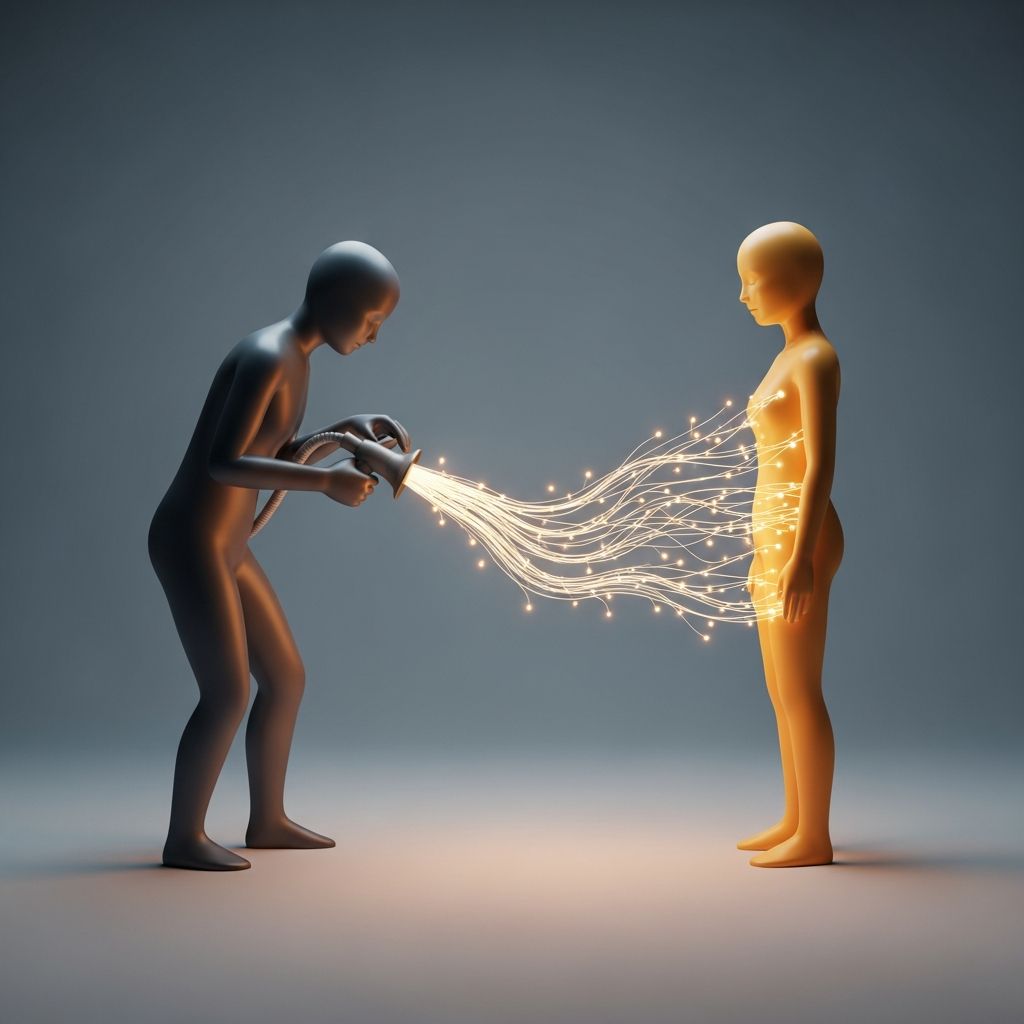
Interpersonal dynamics play a crucial role in our daily emotional well-being. Some individuals unintentionally sap the vitality from those around them, earning the metaphorical label of ‘energy vampires.’ This concept describes people whose interactions consistently leave others feeling depleted, anxious, or irritable, often without malice but through habitual patterns. Recognizing these traits in oneself is the first step toward cultivating more nourishing relationships.
Understanding the Energy Drain Phenomenon
The term ‘energy vampire’ refers to those who, through one-sided conversations, chronic negativity, or emotional demands, exhaust others’ mental and emotional reserves. Unlike clinical diagnoses, this is a relational metaphor highlighting imbalance where one party gives far more than receives. Healthy exchanges involve mutual support, but with energy drainers, fatigue follows every encounter.
Psychological roots may include codependency, unresolved trauma, or personality traits that prioritize self-needs. Empaths and highly sensitive people are particularly vulnerable, absorbing these drains more acutely. Self-awareness prevents perpetuating this cycle, promoting reciprocity instead.
Core Indicators of Energy-Draining Behavior
Examine these common patterns to assess your impact on others. Persistent exhibition of several suggests a need for change.
- Monopolizing Discussions: Conversations revolve around your experiences, with little interest in others’ input. You speak at length about personal dramas while glossing over their shares, shifting focus back swiftly.
- Chronic Pessimism and Complaints: Interactions fill with negativity, where minor setbacks become catastrophes. This constant gloom infects moods, leaving companions deflated.
- Victim Posture: Portraying yourself as perpetually wronged invites sympathy without action. Phrases like ‘Everything always goes wrong for me’ elicit pity but foster helplessness in listeners.
- Jealousy and One-Upping: Genuine joy for others’ successes eludes you; instead, you counter with superior tales or envy. This diminishes their wins, redirecting energy to soothe your ego.
- Boundary Disregard: Ignoring others’ limits, such as pressing for availability on your schedule or probing personal matters inappropriately, signals insensitivity.
Advanced Signs in Social Contexts
Beyond one-on-one talks, observe group dynamics. Energy drainers often dominate gatherings, interrupting or latching onto individuals. Key markers include:
| Behavior | Impact on Group | Example |
|---|---|---|
| Inserting into every dialogue | Others withdraw, tempers fray | Redirecting shared stories to personal anecdotes |
| Dismissing others’ concerns | Invalidates feelings, stifles openness | ‘That’s nothing compared to my ordeal’ |
| Seeking exclusive attention | Splits group energy unevenly | Clinging to one person amid crowd |
| Rejecting advice outright | Frustrates helpers, halts progress | ‘You don’t understand; it won’t work for me’ |
These actions create palpable tension, where even calm groups turn irritable.
Why These Patterns Emerge
Energy-draining tendencies often stem from deeper issues. Codependent personalities struggle with self-sufficiency, leaning heavily on others for validation. Trauma or neglect can manifest as chaos-seeking, where drama fulfills unmet needs. Personality disorders may amplify disregard for others’ emotions, though not all drainers fit this mold.
Narcissistic elements appear in some, like excessive admiration needs or empathy gaps, but most are simply unaware of their toll. Childhood patterns, such as learned helplessness, reinforce victim mindsets. Awareness breaks these cycles.
Self-Assessment: Are You the Source?
Reflect honestly: Do contacts end with others seeming weary? Do friends limit time with you? Feedback like ‘I need space’ or avoidance hints at drainage. Journal post-interactions: Note your talk ratio, emotional tone, and reciprocity. If imbalances prevail, adjustment is key.
- Track complaints over a week—aim to halve them.
- Solicit trusted input: ‘How do I affect your energy?’
- Observe physical cues in others: sighs, clock-checking, brevity.
Transforming from Drainer to Energizer
Change demands intentionality. Start with active listening: Ask open questions, paraphrase responses, and pause before sharing. Cultivate positivity by noting gratitudes daily, shifting from complaint defaults.
Set personal boundaries first—fulfill your needs independently to reduce reliance. Practice accountability: Own roles in issues, avoiding blame shifts. In groups, yield spotlight, celebrate peers authentically.
- Build Reciprocity: Match giving to receiving; offer support without expectation.
- Manage Emotions: Process negativity privately via journaling or therapy before sharing.
- Enhance Empathy: Visualize others’ perspectives to temper self-focus.
- Seek Professional Insight: Therapists address roots like codependency.
Protecting Yourself from External Drainers
While self-checks matter, shielding from others preserves your vitality. Limit exposure: Polite declines to draining invites maintain autonomy.
- Use phrases: ‘I appreciate sharing, but I lack bandwidth now.’
- Visualize energy shields during talks.
- Recharge post-interaction with solitude or energizing activities.
Long-Term Benefits of Balanced Interactions
Addressing these traits yields deeper connections, reduced isolation, and heightened well-being. Relationships thrive on equity, fostering mutual growth. You’ll notice invitations increase, moods stabilize, and true intimacy emerge.
Frequently Asked Questions (FAQs)
What exactly defines an energy vampire?
An energy vampire is someone whose interactions habitually leave others emotionally exhausted, often via negativity, one-sidedness, or demands, though not clinically diagnosed.
Can energy vampires change their ways?
Yes, with self-awareness, therapy, and practice in reciprocity, many transform behaviors rooted in codependency or trauma.
Are all negative people energy vampires?
No—occasional venting differs from chronic, unbalanced draining without reciprocity or growth efforts.
How do empaths handle energy vampires?
Empaths set firm boundaries, limit contact, and employ grounding techniques to avoid absorption.
Is this related to narcissism?
Some overlap exists in self-focus, but energy vampires often lack full narcissistic pathology; traits vary.
Implementing these insights empowers healthier dynamics. Prioritize self-reflection for lasting relational harmony.
References
- How to Identify Energy Vampires and Protect Yourself — FindMyTherapist.com. 2023. https://findmytherapist.com/resources/trending-topics/how-to-identify-energy-vampires-and-protect-yourself/
- Energy Vampire: Signs, Causes, and How to Protect Your Energy — Psych Central. 2023-05-15. https://psychcentral.com/blog/how-to-avoid-being-drained-by-energy-vampires
- Energy Vampires: 10 Signs to Watch For and How to Deal with Them — Healthline. 2023-08-10. https://www.healthline.com/health/mental-health/energy-vampires
- How to spot an “energy vampire” (or energy sucker) Plus 10 ways to … — Calm.com. 2024-01-22. https://www.calm.com/blog/energy-vampire