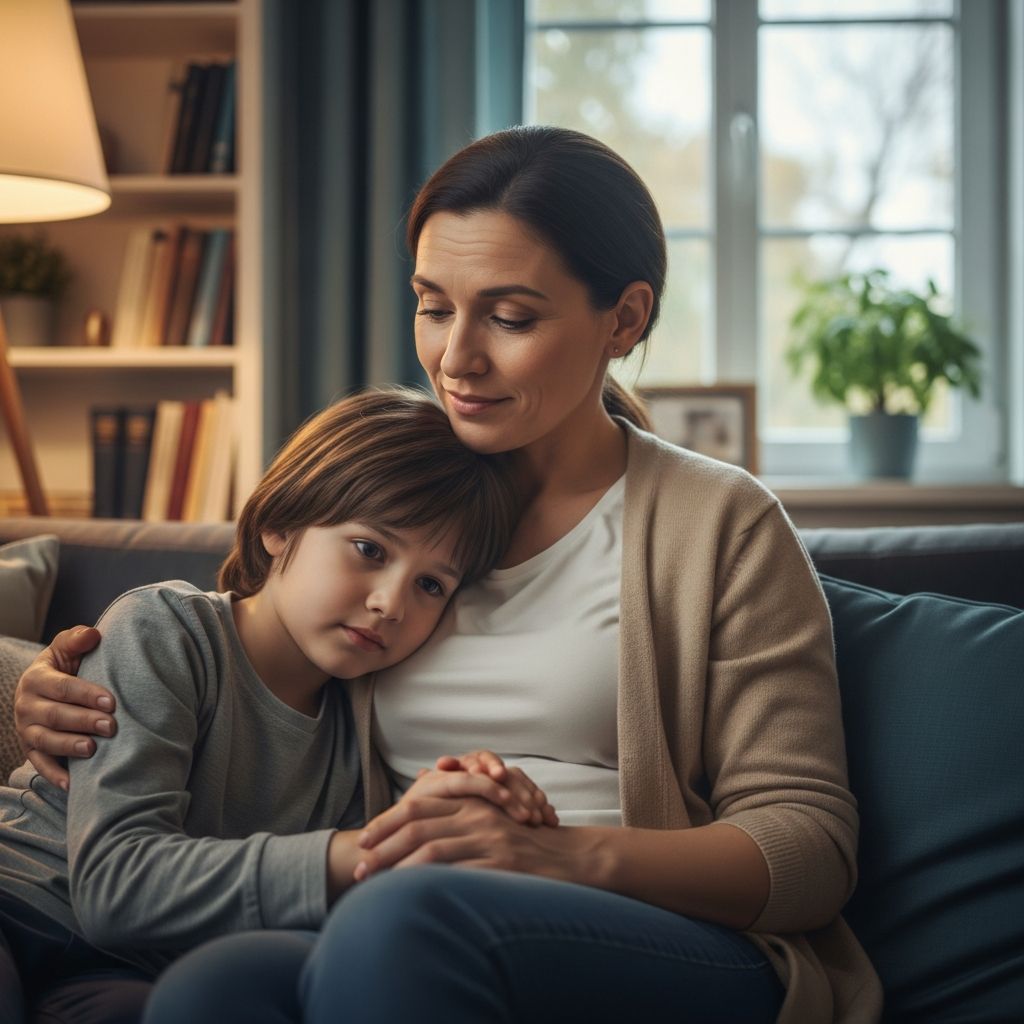
Parenthood is a journey filled with milestones, each one a mix of pride and poignant loss. As children mature and venture into the world, parents face an emotional crossroads: the joy of their independence clashing with the ache of an emptying home. This transition, often called the empty nest syndrome, tests the resilience of family bonds while opening doors to new personal growth.
Understanding the Emotional Rollercoaster
The shift from daily involvement in a child’s life to watching from afar stirs complex feelings. Joy surges as kids achieve independence, yet grief lingers over lost routines—like shared meals or bedtime stories. Psychological studies highlight this as a normal phase, where parents grieve the family unit’s evolution while celebrating their offspring’s progress.
Many parents describe it as a ‘breathless surrender,’ a moment where control slips away. This isn’t failure; it’s the natural progression of nurturing young lives toward self-sufficiency. Recognizing these emotions validates the depth of parental love.
Real Stories from Parents in Transition
Countless families echo these sentiments. Consider a public figure like a well-known home renovation expert and mother of five, who recently shared her raw vulnerability on social media. As her eldest son returned for his third year of college and her daughter prepared for her first across the country, she captured the universal struggle: holding tight yet releasing grip.
Her words resonate: time accelerates, days drag while years fly. Boxes piled in bedrooms symbolize not just packing, but packing away childhood. Such posts remind us that even those with picture-perfect lives navigate this turmoil.
- Pride in achievements: Seeing kids thrive in new environments fuels parental fulfillment.
- Sadness over change: Empty rooms echo with memories of laughter and chaos.
- Hope for the future: Belief that children are destined for greater experiences beyond home.
Strategies for Coping with the Change
Navigating this phase requires intentional steps. First, acknowledge feelings without judgment. Journaling or therapy provides outlets for processing grief. Connecting with other parents via support groups normalizes the experience.
Reframe the narrative: view this as an opportunity for reinvention. Pursue hobbies, travel, or career goals sidelined by child-rearing. One parent found solace in family dinners, savoring final moments before departures, emphasizing presence over perfection.
| Challenge | Coping Strategy | Expected Benefit |
|---|---|---|
| Empty house feeling | Redecorate child’s room as a guest space | Creates fresh start, honors memories |
| Loneliness | Schedule regular video calls | Maintains connection without intrusion |
| Lost identity | Enroll in classes or join clubs | Rediscovers personal passions |
| Worry about kids | Practice trust-building exercises | Builds confidence in their independence |
The Science Behind Empty Nest Emotions
Research from the American Psychological Association indicates that while 25% of parents experience significant distress, most adapt within two years, often reporting increased marital satisfaction and personal happiness. Hormonal shifts post-childrearing contribute, mirroring post-partum changes but in reverse.
A study by the American Psychological Association (2023) notes that proactive parents who foster autonomy early fare better. This involves gradual independence, like encouraging solo trips or decision-making, easing the final launch.
Preserving Family Ties Across Distances
Technology bridges gaps: apps for shared calendars, surprise care packages, or virtual game nights keep bonds alive. Yet, balance is key—avoid hovering, which can hinder growth. Parents who model healthy detachment inspire confidence.
Annual traditions, like holiday reunions or summer retreats, anchor family identity. One family’s last dinner before college departures, complete with hugs and playful rides on kid’s toys, exemplifies cherishing the now.
Preparing Younger Siblings for Their Turn
Younger children observe these shifts, learning resilience. Open conversations demystify the process: “It’s okay to feel sad and excited.” Involve them in send-offs, fostering empathy and preparing them emotionally.
This phase strengthens sibling relationships too, as older ones become role models and confidants.
Embracing Personal Growth Post-Launch
With kids independent, parents reclaim time. Many dive into volunteering, fitness, or creative pursuits. A bestselling author and entrepreneur turned her focus inward, penning books on self-acceptance that mirror her parenting evolution.
This rebirth phase boosts life satisfaction, per longitudinal studies from the CDC (2024), showing midlife adults with launched kids report higher well-being scores.
Common Myths About the Empty Nest
- Myth: It’s always depressing. Reality: Most parents thrive.
- Myth: Marriages suffer. Reality: Many couples reconnect deeply.
- Myth: Kids never return. Reality: Frequent visits and boomerang moves are common.
Frequently Asked Questions (FAQs)
What is empty nest syndrome?
A temporary state of grief and loneliness when children leave home, typically resolving with time and adaptation.
How long does it take to adjust?
Most parents adjust within 1-2 years, faster with support networks and new routines.
Should I discourage my child from moving far away?
No—support their choices to build independence, while maintaining open communication.
What if my marriage struggles during this time?
Seek counseling; this period often strengthens partnerships through shared rediscovery.
Can grandparents experience this too?
Yes, especially if heavily involved in childcare; coping strategies apply similarly.
Building a Legacy of Love and Launch
Ultimately, letting go honors the purpose of parenting: equipping children for lives of purpose. The heartache fades, replaced by pride in their flights. Parents who lean into community, self-care, and faith find profound peace.
As one mother reflected, kids are made for more—experiences, knowledge, growth beyond familiar walls. This surrender, though breathless, births new chapters for all.
References
- Empty Nest and Its Impact on Parents — American Psychological Association. 2023-05-15. https://www.apa.org/topics/parenting/empty-nest
- Well-Being in Midlife: National Health Trends — Centers for Disease Control and Prevention (CDC). 2024-02-10. https://www.cdc.gov/nchs/products/databriefs/db441.htm
- Family Transitions and Parental Adjustment — Journal of Family Psychology (APA). 2022-11-01. https://doi.org/10.1037/fam0000987
- Joanna Gaines on College Sendoffs — Fox News. 2024-08-25. https://www.foxnews.com/entertainment/joanna-gaines-says-college-sendoff-one-big-breathless-surrender-emotional-post
- Parental Perspectives on Child Independence — Pew Research Center. 2023-09-12. https://www.pewresearch.org/social-trends/2023/09/12/parenting-in-america-today/