Understanding Emotional Regulation in Preschoolers
Emotional regulation is the ability to manage and respond to emotional experiences in a healthy and constructive way. For preschoolers, this skill is still developing and requires consistent guidance and support from caregivers. Children at this age often experience big feelings, such as frustration, anger, or sadness, and may not yet have the tools to express or manage these emotions effectively.
Why Emotional Regulation Matters
Developing emotional regulation skills early in life sets the foundation for social competence, resilience, and overall well-being. Children who learn to recognize and manage their emotions are better equipped to handle challenges, build positive relationships, and succeed in school and beyond.
Key Strategies for Supporting Emotional Regulation
- Model calm and appropriate emotional responses by demonstrating how to stay composed during stressful moments.
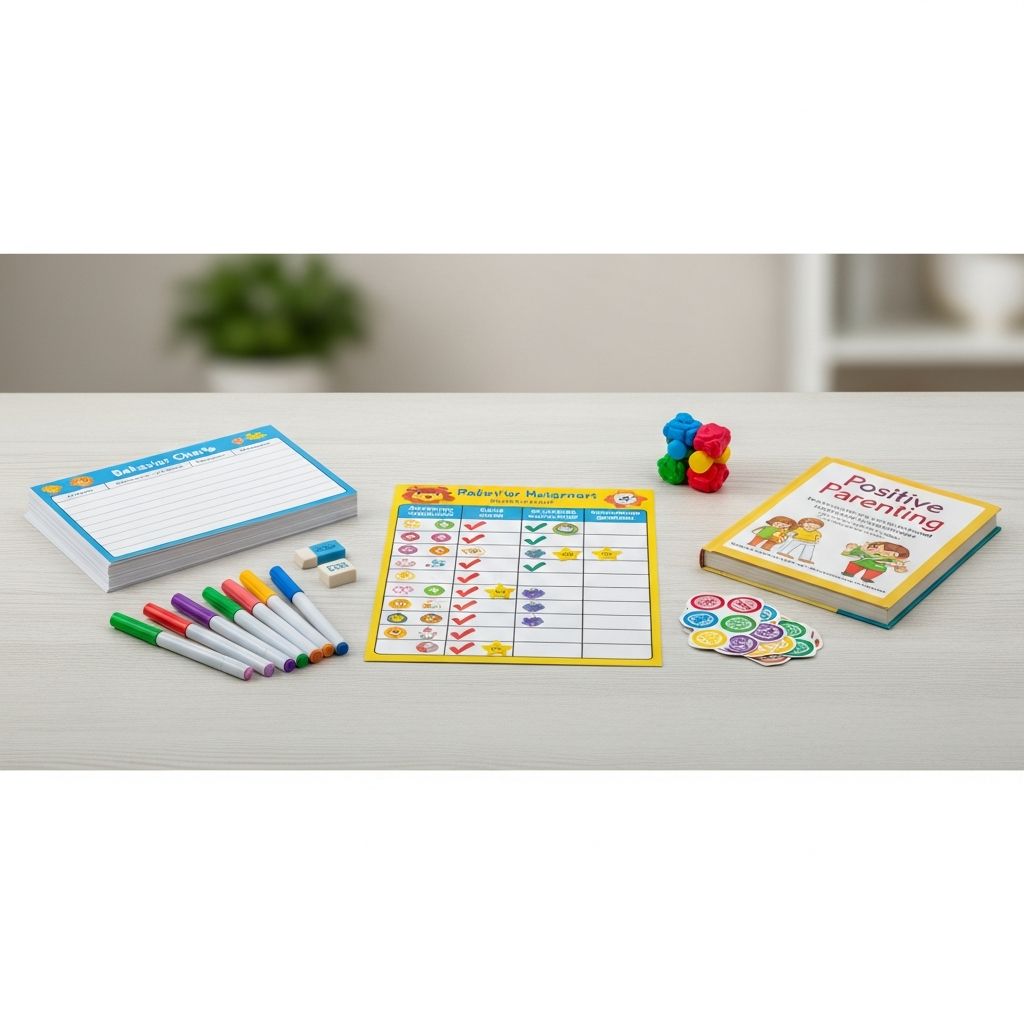
- Teach children to identify and name their emotions using simple language and visuals, such as emotion charts or feeling cards.
- Practice calming techniques like deep breathing, sensory grounding, or guided imagery to help children relax when upset.
- Establish predictable routines and visual schedules to provide a sense of security and reduce anxiety.
- Encourage active listening by giving children your full attention and validating their feelings.
- Reinforce positive behaviors with praise and encouragement, focusing on effort rather than outcome.
- Provide a quiet, cozy space where children can retreat to calm down, stocked with sensory items and physical comforts.
Creating a Calm-Down Corner
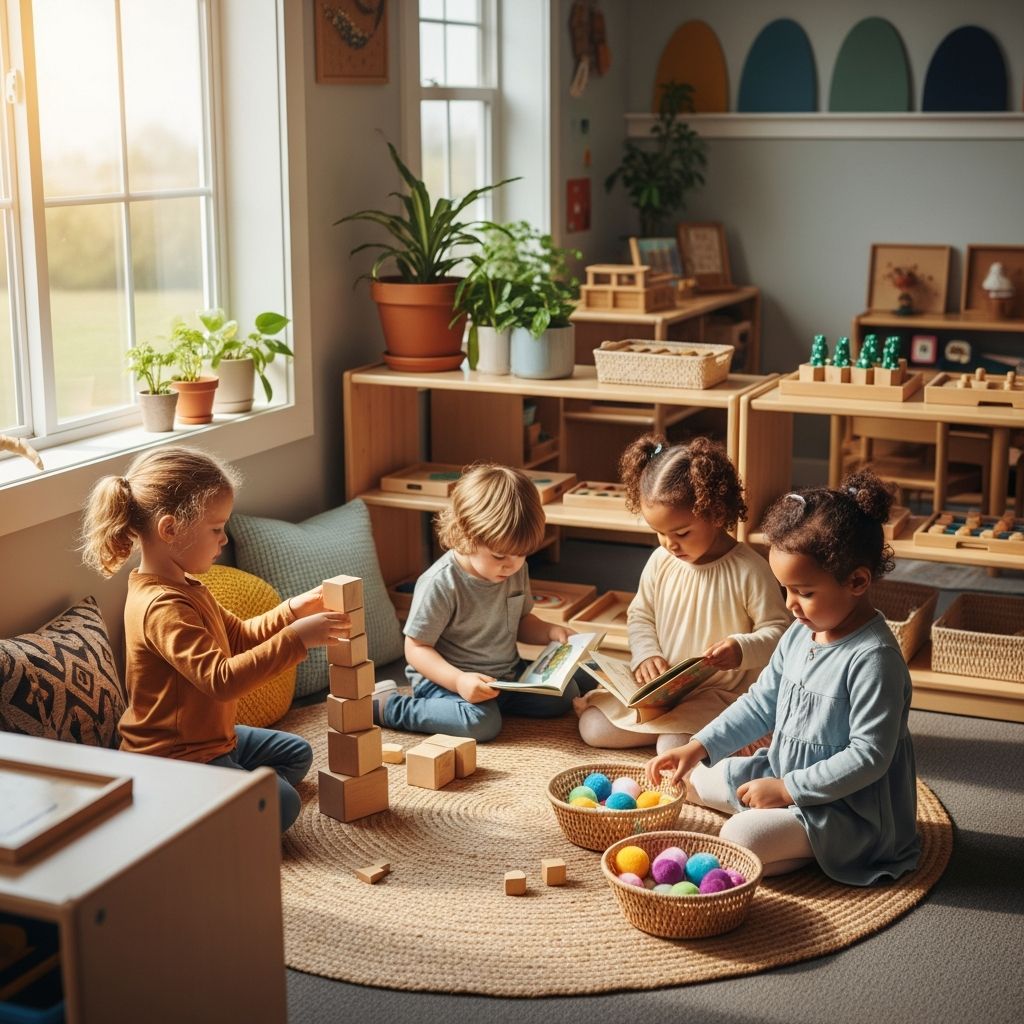
A calm-down corner is a designated area where children can go to self-regulate when feeling overwhelmed. This space should be inviting and stocked with items that promote relaxation, such as cushions, blankets, stress balls, and calming visuals. Encourage children to use the corner as a positive tool for managing emotions, rather than as a punishment or time-out.
Practical Techniques for Emotional Regulation
| Technique | Description | Benefits |
|---|---|---|
| Deep Breathing | Guide children to take slow, deep breaths, placing a hand on their belly to feel it rise and fall. | Reduces stress and helps children feel more in control. |
| Guided Imagery | Ask children to imagine calming scenes, such as floating on a cloud or blowing bubbles. | Distracts from overwhelming feelings and promotes relaxation. |
| Movement Breaks | Encourage quick physical activities like jumping jacks or animal walks. | Releases built-up energy and helps children refocus. |
| Emotion Chart | Use visuals to help children identify and express their feelings. | Builds emotional literacy and communication skills. |
Role of Caregivers in Emotional Regulation
Caregivers play a crucial role in modeling and teaching emotional regulation skills. By staying calm, validating feelings, and providing consistent support, adults help children feel safe and understood. Active listening, eye contact, and gentle encouragement are essential for building trust and fostering open communication.
FAQs
What is emotional regulation?
Emotional regulation is the ability to manage and respond to emotional experiences in a healthy and constructive way.
How can I help my preschooler regulate their emotions?
Model calm responses, teach emotion identification, practice calming techniques, establish routines, and provide a supportive environment.
What should I include in a calm-down corner?
Include cushions, blankets, stress balls, calming visuals, and any other sensory items that promote relaxation.
Why is it important to praise effort rather than outcome?
Praising effort encourages children to keep trying and builds resilience, rather than focusing solely on results.
How can I teach my child to identify their emotions?
Use emotion charts, feeling cards, and simple language to help children recognize and name their feelings.
Conclusion
Supporting preschoolers in developing emotional regulation skills is a vital part of parenting and child development. By providing a nurturing environment, modeling healthy behaviors, and teaching practical strategies, caregivers can empower children to manage their emotions and thrive in daily life.