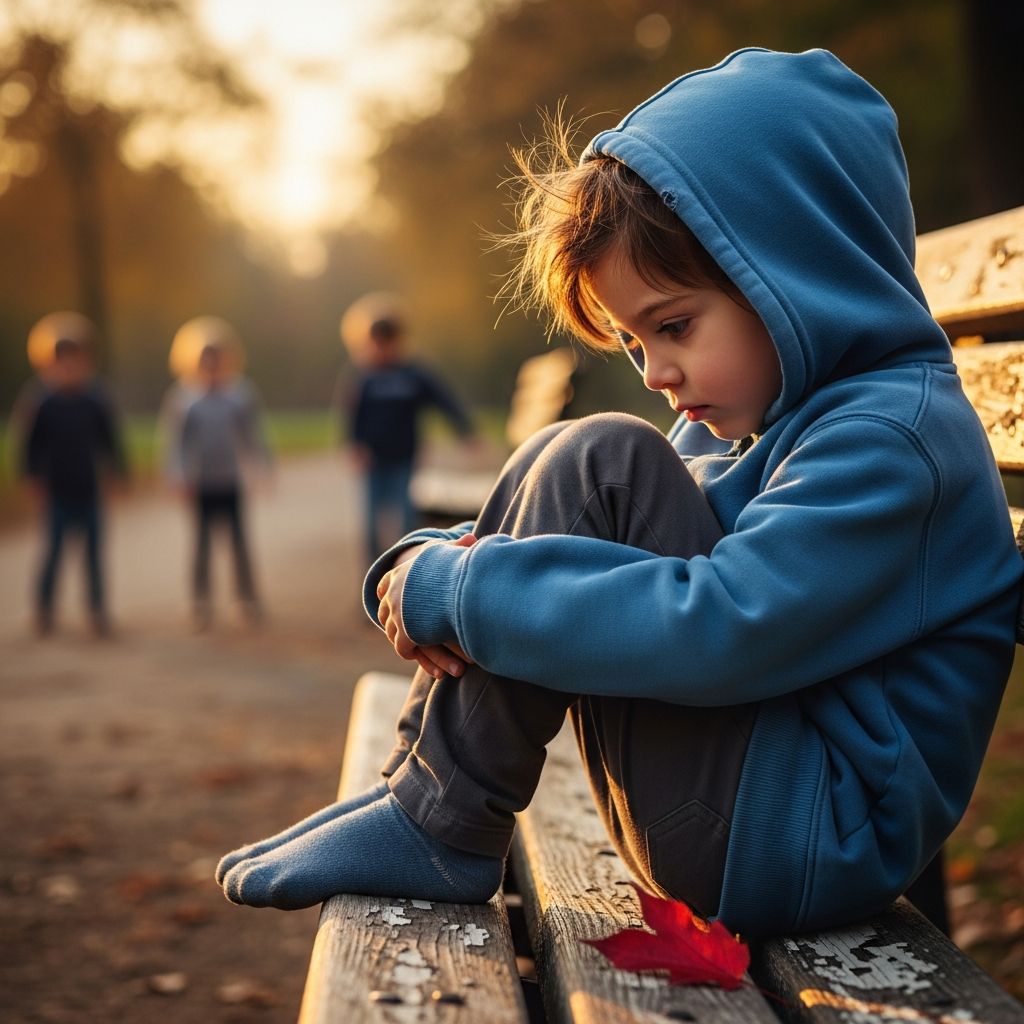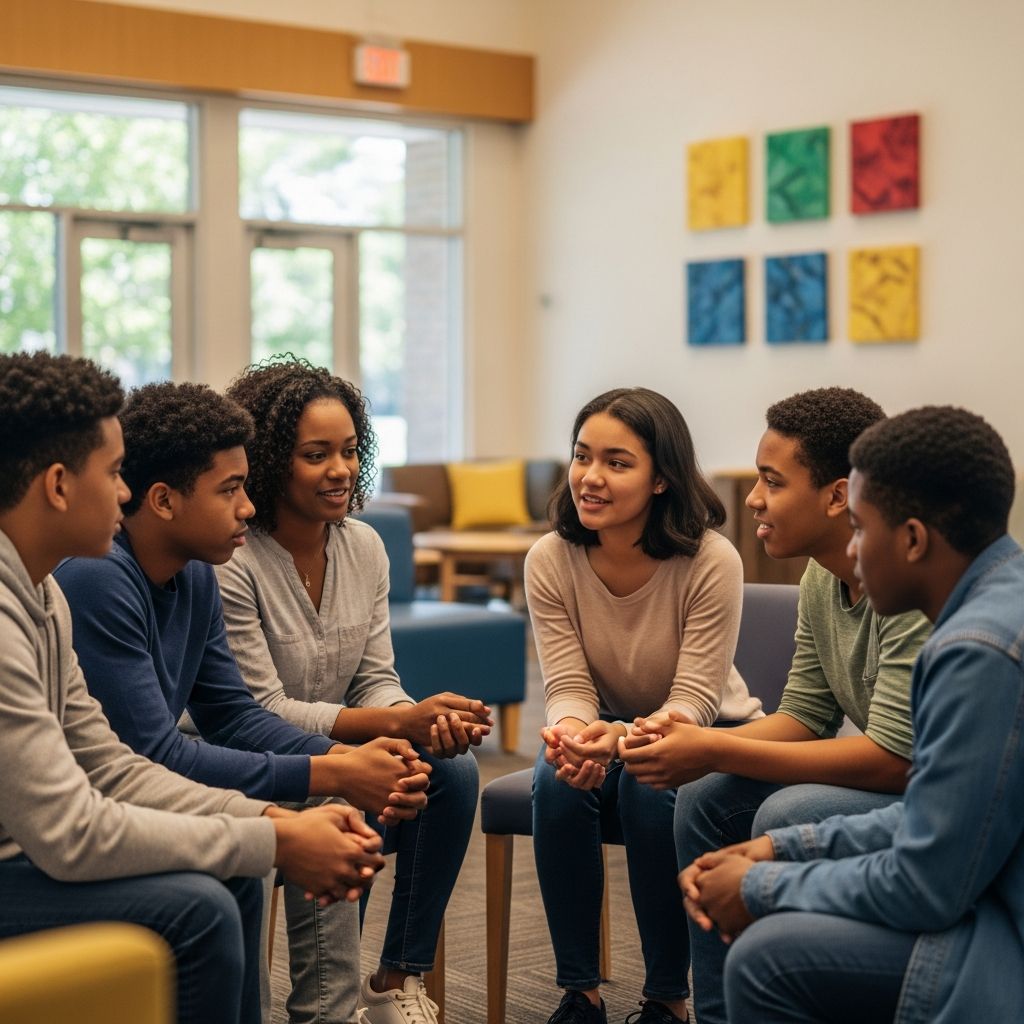
Emotional literacy—the ability to identify, understand, and express feelings—emerges as a vital tool in addressing the alarming rise in suicide rates among Black children and adolescents. Recent data highlights disproportionate impacts on Black youth, where systemic stressors compound traditional risk factors, making targeted interventions essential. By integrating social-emotional learning (SEL) into homes, schools, and communities, caregivers can equip young people with skills to navigate challenges, reducing hopelessness and fostering resilience.
The Growing Crisis: Suicide Trends Among Black Youth
Suicide represents a pressing public health concern for Black children, with rates increasing faster in this demographic than in others. Factors such as racial discrimination, economic pressures, and limited access to mental health resources exacerbate vulnerabilities. Research indicates that hopelessness, anxiety, and unaddressed trauma are key precursors, often intensified by cultural stigmas around emotional expression in Black families.
Unlike general populations, Black youth face unique barriers, including mistrust of healthcare systems rooted in historical inequities. This leads to underreporting of mental health struggles and delayed interventions. Protective measures must therefore prioritize culturally responsive approaches that validate experiences without judgment.
- Rising Statistics: Suicide attempts among Black adolescents have surged, outpacing peers in several regions.
- Key Risks: Bullying, family instability, and identity-related stress heighten dangers, particularly for LGBTQ+ Black youth.
- Early Onset: Warning signs can appear as young as elementary school, underscoring the need for proactive education.
Understanding Emotional Literacy: A Foundation for Resilience
Emotional literacy empowers children to name their emotions, distinguish between feelings like sadness and anger, and articulate needs effectively. For Black youth, this skill counters narratives of stoicism often ingrained culturally, where “toughness” discourages vulnerability. Developing it early builds self-awareness, mitigates isolation, and promotes help-seeking behaviors.
Core components include:
- Recognizing physical cues of emotions (e.g., tight chest for anxiety).
- Using age-appropriate vocabulary to describe states of mind.
- Linking emotions to behaviors and consequences.
Studies affirm that SEL programs incorporating these elements directly address suicide risk factors like anxiety and substance use, positioning emotional literacy as an upstream prevention strategy.
Social-Emotional Learning in Action: Proven Programs and Outcomes
SEL frameworks, endorsed by organizations like WHO, integrate socio-emotional skills into school curricula to bolster mental health. Programs such as Early Adolescent Skills for Emotions (EASE) target 10-15-year-olds, teaching coping mechanisms through group sessions adaptable to diverse communities, including those with adversity exposure.
| SEL Competency | Suicide Risk Mitigated | Example Activity |
|---|---|---|
| Self-Awareness | Hopelessness | Emotion journals |
| Self-Management | Anxiety | Deep breathing exercises |
| Social Awareness | Isolation | Empathy role-playing |
| Relationship Skills | Conflict | Peer mediation |
| Responsible Decision-Making | Impulsivity | Scenario discussions |
Evidence from school-based reviews shows all five SEL competencies present in effective youth suicide prevention initiatives, yielding measurable reductions in risk. For Black youth, culturally tailored adaptations amplify impact by addressing racial trauma.
Home Strategies: Parents as Primary Emotional Coaches
Parents play a pivotal role in cultivating emotional literacy from infancy. Start by normalizing discussions: “How does your body feel when you’re upset?” This frames mental health akin to physical wellness, dismantling taboos.
Practical tips include:
- Daily check-ins without pressure, using tools like mood charts.
- Modeling vulnerability: Share parental emotions appropriately.
- Affirming identities, especially for neurodivergent or LGBTQ+ children, to counter rejection risks.
Physical activities release endorphins, enhancing mood regulation—aim for 60 minutes daily, such as family walks or sports. Coping kits with items like stress balls or playlists provide immediate relief during distress.
School and Community Interventions: Scaling Support
Schools serve as ideal venues for SEL rollout, with whole-school approaches recommended by WHO and partners. Resources like Magnificent Mei comics engage 10-14-year-olds in fun, skill-building narratives. Communities can host workshops, partnering with trusted local figures to overcome access barriers in Black neighborhoods.
Educators should watch for subtle signs: withdrawal, escalated behaviors, or disinterest in hobbies. Immediate, empathetic responses—listening first, solutions second—de-escalate crises. Safety plans outlining triggers, coping steps, and contacts empower students.
Cultural Considerations: Addressing Unique Challenges for Black Families
Black children navigate racism’s psychological toll, from microaggressions to systemic violence coverage. SEL must incorporate anti-racism education, teaching youth to process grief collectively. Faith-based groups and elders can bridge generational gaps, reframing therapy as strength-building.
For neurodiverse Black youth, consistent routines and visual aids aid expression. Protective factors like strong peer networks and mentor connections buffer against isolation.
Warning Signs and Urgent Responses
Recognize red flags promptly:
- Expressing worthlessness or being a burden.
- Sudden mood shifts or withdrawal.
- Increased substance use or risky behaviors.
If suicidal ideation surfaces, stay calm, validate feelings, and connect to professionals. Hotlines and crisis teams offer 24/7 support. Never leave a child alone in acute risk.
Frequently Asked Questions (FAQs)
What age should emotional literacy training begin?
From birth, through everyday talks normalizing feelings, akin to physical health check-ins. Early habits ease future crises.
Does discussing suicide plant the idea in children?
No; open dialogue provides safe outlets, reducing isolation without inducing thoughts.
How can SEL be adapted for Black youth specifically?
Integrate cultural narratives, address racial stress, and involve community leaders for relevance and trust.
What if my child resists emotional talks?
Start small with shared activities, model openness, and reassure no judgment—patience builds comfort.
Are there free SEL resources for families?
Yes, WHO’s EASE manuals, CASEL tools, and comic series offer accessible, evidence-based options.
Long-Term Impact: Toward Healthier Futures
Investing in emotional skills yields lifelong benefits: better relationships, academic success, and mental fortitude. Collective action—parents advocating for SEL curricula, schools prioritizing equity, communities fostering inclusion—can reverse suicide trends. Black youth deserve environments where emotions are strengths, not secrets.
References
- Preventing Youth Suicide: A Review of School-Based Practices and the Applicability of the Social-Emotional Learning Framework — Mann et al. 2022-02-22. https://pubmed.ncbi.nlm.nih.gov/35139714/
- Talking with Kids and Teens About Suicide and Mental Health — Children’s Hospital Colorado. 2023. https://www.childrenscolorado.org/just-ask-childrens/articles/suicide-prevention-mental-health-tips/
- Foster socio-emotional life-skills in young people — World Health Organization. 2024. https://www.who.int/initiatives/live-life-initiative-for-suicide-prevention/foster-socio-emotional-life-skills-in-young-people
- Suicide Prevention: 12 Things Parents Can Do — American Academy of Pediatrics. 2023. https://www.healthychildren.org/English/healthy-living/emotional-wellness/Pages/suicide-prevention-things-parents-can-do.aspx