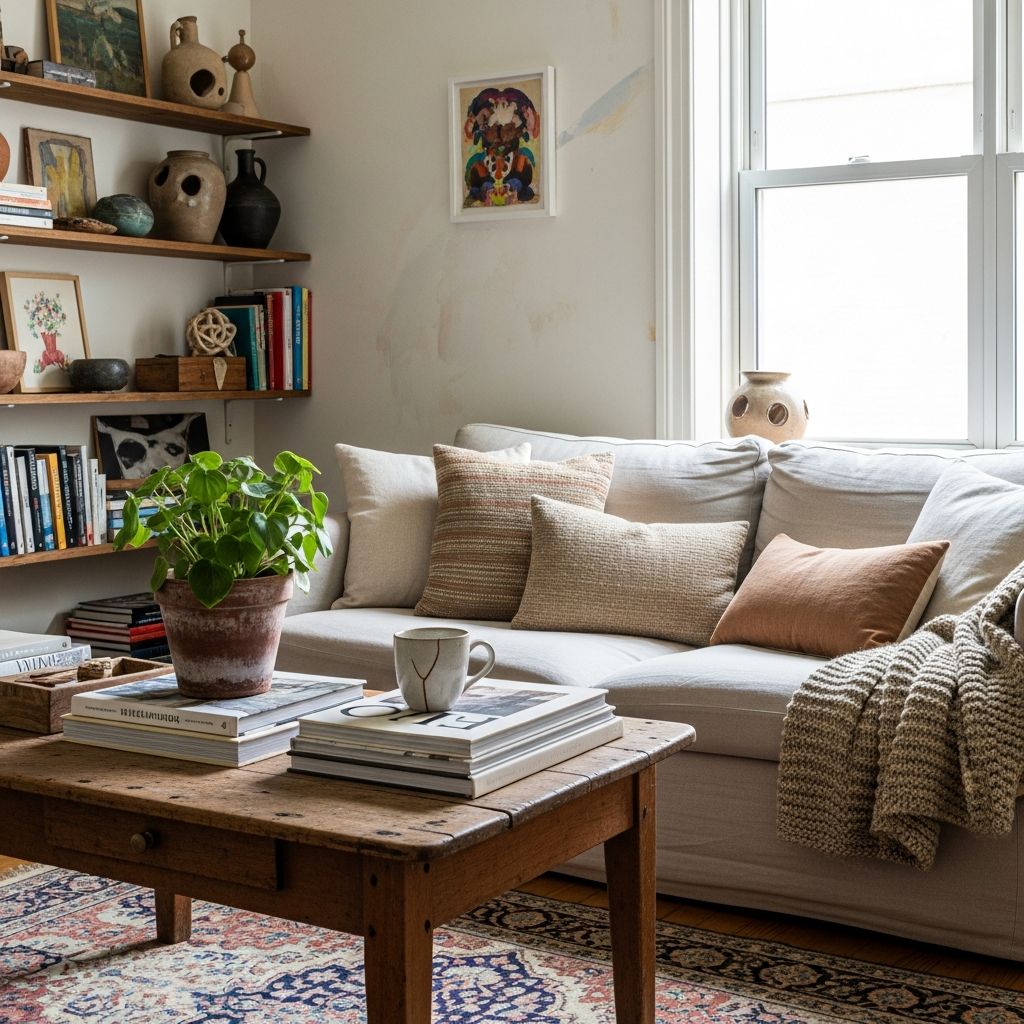
In the quiet moments of dawn, when the house is still hushed and the first light filters through curtains, there’s a unique opportunity to envision how our living spaces can truly nurture us. As parents and homeowners, we often chase flawless aesthetics—those magazine-ready rooms with symmetrical arrangements and pristine surfaces. Yet, the most memorable homes pulse with life, marked by subtle asymmetries, cherished mementos, and layers of personal history. This approach to design celebrates imperfection as the key to creating environments that feel genuinely alive and reflective of family dynamics.
The Beauty in Design Flaws
Perfection in interior design can feel sterile, like a showroom rather than a sanctuary. Introducing small imperfections—think a slightly crooked frame, a mismatched pillow, or a well-loved rug with faint stains—adds character and warmth. These elements signal a space that’s been lived in, loved, and evolved over time. Families thrive in such settings because they mirror the messiness of real life: children’s artwork pinned haphazardly, toys peeking from corners, or a favorite book left open on the sofa.
Consider how these ‘flaws’ foster emotional connections. A room that’s too polished might discourage kids from playing freely or parents from relaxing fully. Instead, embracing off-kilter elements invites interaction. For instance, layering textiles with varying textures—a velvet throw over linen cushions—creates visual interest without rigidity. This philosophy shifts design from rigid rules to intuitive storytelling, where every choice echoes daily rhythms.
Infusing Personal Stories into Every Corner
At the heart of authentic design lies personalization. Objects with sentimental value, such as inherited pottery, travel souvenirs, or handmade crafts, serve as anchors. These items aren’t mere decor; they spark conversations and memories, turning a house into a home. Start by identifying core pieces: a grandmother’s quilt, a child’s first drawing framed simply, or a stone collected from a family beach trip.
- Gather family heirlooms: Scan shelves and closets for items evoking joy, regardless of conventional beauty.
- Build palettes around them: Let the colors in a cherished scarf dictate wall hues or upholstery tones.
- Layer thoughtfully: Mix old with new—vintage lamps beside modern art—to create timeless depth.
This method ensures spaces evolve with their inhabitants. As children grow, so do the stories embedded in the decor, fostering a sense of continuity and belonging.
Crafting Cozy, Eclectic Family Havens
Modern family homes benefit from ‘cozy cool’ aesthetics—blending relaxed comfort with sophisticated edge. Picture an Upper West Side apartment: prewar bones with high ceilings, softened by eclectic furnishings. Neutral walls provide a canvas for bold accents, like a vibrant rug under a neutral sofa, punctuated by sculptural side tables.
| Element | Cozy Aspect | Cool Twist |
|---|---|---|
| Seating | Plush cushions, soft fabrics | Asymmetrical arrangements |
| Lighting | Warm bulbs, floor lamps | Sculptural pendants |
| Art | Family photos | Gallery walls with mixed media |
| Textures | Wool rugs, linen drapes | Metallic accents |
Such balance accommodates family life: durable fabrics withstand spills, while artistic touches elevate the everyday. Designers emphasize multifunctional zones—reading nooks doubling as play areas—to maximize joy in compact spaces.
Morning Routines That Inspire Design Choices
Mornings set the tone for the day, influencing how we perceive our surroundings. A designer might sip coffee amid clutter, noting how natural light highlights a favored vase, inspiring a fresh arrangement. This ritual reveals what works: a sunny corner for breakfast becomes a herb garden spot, or a quiet alcove transforms into a meditation zone.
- Observe light patterns: Note where sunbeams fall to position key pieces.
- Assess daily flow: Identify bottlenecks, like a crowded entry, and streamline with smart storage.
- Curate intuitively: Move items around freely, trusting gut feelings over trends.
These practices ground design in practicality, ensuring homes support busy family schedules without sacrificing style.
Layering for Depth and Functionality
Layering is the art of building visual and tactile richness. Begin with foundational elements: walls in soothing neutrals, floors in resilient materials. Add mid-layers—rugs, furniture—then finish with accents: pillows, plants, art. In family settings, prioritize durability: performance fabrics that repel stains, washable rugs for playrooms.
For parents, this means versatility. A living room layers for lounging, entertaining, and naps. Introduce patterns sparingly—a geometric rug under florals—to avoid chaos. Plants add life, purifying air while softening edges. The result? A dynamic space that adapts to moods and milestones.
Balancing Tradition with Modern Flair
Rooted in cultural anthropology, thoughtful design honors heritage while embracing innovation. Traditional motifs—think woven baskets or etched glass—pair with sleek lines for harmony. This duality resonates in family homes, teaching children about roots amid contemporary comforts.
Explore global influences: African textiles for bold prints, Scandinavian simplicity for calm. The goal? Environments feeling organically evolved, not assembled overnight.
Practical Tips for Busy Parents
Transforming a home doesn’t require a full overhaul. Start small:
- Declutter one shelf weekly, keeping only joy-sparkers.
- Rotate seasonal items to refresh without buying new.
- Involve kids in choices, like picking curtain colors, building ownership.
- Shop secondhand for unique finds that tell stories.
Budget-friendly hacks include DIY frames for art or thrifted vignettes. Over time, these accumulate into a bespoke narrative.
Frequently Asked Questions (FAQs)
How can I add imperfection without chaos?
Introduce one ‘off’ element per room, like a colorful vase amid neutrals, to add charm without overwhelming. Balance with clean lines elsewhere.
What if my family objects clash?
Unify via a shared color thread or texture family, turning diversity into deliberate eclecticism.
Best ways to personalize on a budget?
Frame personal photos, repurpose heirlooms, and layer thrifted finds for high impact, low cost.
How to design for growing families?
Opt for modular furniture and neutral bases that accommodate changes, adding pops of personality as needed.
Quick morning refresh tips?
Fluff pillows, open curtains, add fresh flowers—small acts that elevate energy instantly.
References
- Interior Designer Danielle Colding on Embracing Imperfection — YouTube (Benjamin Moore Paints channel). 2021. https://www.youtube.com/watch?v=A2O4jRtD9P0
- Danielle Colding House Tour – Cozy Cool Upper West Side Apartment — ELLE Decor. 2021-01-28. https://www.elledecor.com/design-decorate/house-interiors/a32892616/danielle-colding-new-york-apartment/
- Interior Designer Danielle Colding on Infusing Space with Soul — YouTube (Benjamin Moore Paints channel). 2021. https://www.youtube.com/watch?v=bcXAJPXYUDQ
- Danielle Colding Design: Reflecting Personalities Through Interiors — COVE House Blog. 2023. https://www.covethouse.eu/blog/danielle-colding-design-reflecting-personalities-through-interiors/
- A-List Approved with Danielle Colding — ELLE Decor. 2021-06-08. https://www.elledecor.com/promotions/g36329202/a-list-approved-with-danielle-colding/