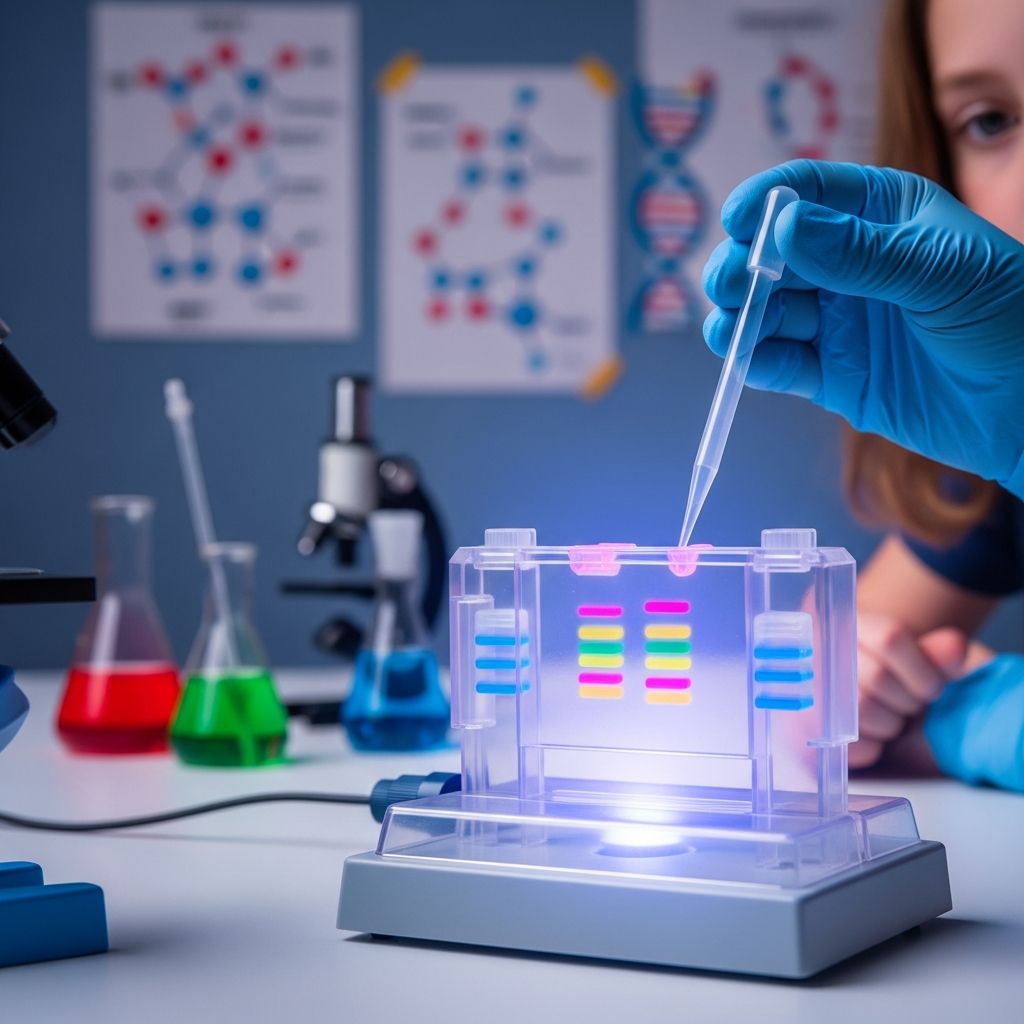
Electrophoresis is a vital diagnostic tool used to analyze blood components in children, helping detect abnormalities in hemoglobin or proteins that could indicate serious conditions. This test separates molecules based on their electrical charge, providing doctors with clear insights into a child’s health.
The Science Behind Electrophoresis in Pediatric Care
At its core, electrophoresis applies an electric current to a blood sample, causing different proteins or hemoglobin types to migrate at varying speeds across a gel or medium. This separation reveals normal versus abnormal variants, crucial for early diagnosis in kids. Developed in the 1930s, the technique has evolved into precise methods like hemoglobin electrophoresis for blood disorders and serum protein electrophoresis for immune issues.
In children, these tests are particularly important because many hemoglobinopathies, such as sickle cell disease, present early in life. Newborn screening often includes hemoglobin electrophoresis to identify risks before symptoms appear. Protein electrophoresis, meanwhile, assesses globulin levels to spot infections, inflammation, or rare cancers like multiple myeloma, though less common in kids.
Why Doctors Recommend Electrophoresis for Children
Pediatricians order electrophoresis when routine blood work shows anomalies like anemia or unusual cell shapes. Common triggers include family history of genetic blood disorders, ethnic backgrounds with higher risks (e.g., African, Mediterranean, or Southeast Asian descent for thalassemia), or symptoms like fatigue, jaundice, and growth delays.
- Hemoglobin disorders: Detects sickle cell trait, thalassemia, or Hb C disease by quantifying hemoglobin A, A2, F, S, and others.
- Protein imbalances: Identifies elevated globulins signaling chronic inflammation, autoimmune conditions, or gammopathies.
- Newborn screening: Routine in many hospitals to catch inherited anemias early.
- Follow-up testing: Monitors treatment for known conditions or unexplained lab results.
Early detection through electrophoresis can lead to interventions that prevent complications, improving long-term outcomes for children.
Types of Electrophoresis Tests Used in Children
Several variants exist, tailored to specific needs. Hemoglobin electrophoresis is the most frequent for kids, focusing on oxygen-carrying proteins in red blood cells. Serum protein electrophoresis (SPEP) separates blood serum into albumin and globulin fractions (alpha, beta, gamma) to evaluate liver, kidney, or immune function.
| Test Type | Purpose | Common in Kids? | Key Findings |
|---|---|---|---|
| Hemoglobin Electrophoresis | Identifies abnormal hemoglobins | Yes, especially newborns | Sickle cell (HbS), Thalassemia (elevated HbF/A2) |
| Serum Protein Electrophoresis (SPEP) | Analyzes protein fractions | Occasional, for inflammation | High gamma globulins (infection), low albumin (malnutrition) |
| Immunofixation Electrophoresis | Detects specific antibodies | Rare, for gammopathies | Monoclonal proteins (myeloma risk) |
| Isoelectric Focusing (IEF) | High-resolution hemoglobin ID | Yes, newborn screens | Precise variant separation |
Each type uses similar principles but differs in sample preparation and analysis depth.
Step-by-Step: What Happens During the Test
Preparation is minimal—no fasting required unless specified. For older children, a phlebotomist draws blood from an arm vein: the site is cleaned, a needle inserted (brief sting), and blood collected in 5 minutes or less. Newborns get a heel prick, squeezing drops onto filter paper—quick and low-pain.
In the lab, the sample undergoes electrophoresis: hemolysate or serum is loaded onto agarose gel, electric current applied, and bands form based on charge and size. Densitometry quantifies percentages, compared to normal ranges. Results typically return in days.
- Sample collection (venipuncture or heel stick).
- Lab processing: centrifugation for serum/plasma.
- Electrophoresis run: 30-60 minutes.
- Staining, scanning, and interpretation.
Safety and Comfort for Young Patients
Venipuncture risks are low: minor bruising, dizziness, or infection (<1%). Heel sticks may cause brief crying but no lasting harm. Distraction techniques like toys or videos help anxious kids. Parents can hold and comfort during the procedure.
For infants, topical numbing creams reduce discomfort. Always inform staff of allergies or bleeding disorders beforehand. Post-test, monitor the site and encourage hydration.
Decoding Test Results: What Parents Need to Know
Normal hemoglobin: mostly HbA (95-98%), HbA2 (<3.5%), HbF (<2%). Abnormalities like HbS >1% suggest sickle cell trait; elevated HbF indicates thalassemia. Protein results show albumin 55-65%, globulins 35-45%; spikes in gamma suggest inflammation.
Results are percentages, not absolute values—doctors correlate with complete blood counts and symptoms. False positives are rare but possible in dehydration.
- Normal range table excerpt: HbA: 95-98%, HbS: 0% (trait: 35-45%).
- Consult a hematologist for abnormals.
When Abnormal Results Lead to Action
Positive for sickle cell? Prophylactic antibiotics, vaccinations, and hydroxyurea may follow. Thalassemia? Iron chelation or transfusions. Protein shifts? Investigate infections or nutrition. Genetic counseling helps families understand inheritance risks.
Cost, Insurance, and Accessibility
Often covered in newborn screens; otherwise, $100-500 depending on type and location. Discuss with providers for financial aid. Widely available at children’s hospitals and labs.
Common Parental Concerns Addressed
Is it painful? Minimally, like a pinprick. Safe for babies? Yes, standard in screenings. What if positive? Manageable with modern care—many lead healthy lives.
Frequently Asked Questions (FAQs)
Why is electrophoresis part of newborn screening?
It detects hemoglobin disorders early, allowing prompt treatment to prevent crises.
How accurate are the results?
Highly reliable (95%+), but confirmed with DNA tests if needed.
Can my child eat before the test?
Usually yes, no fasting required for most.
What if my family has no history of blood issues?
Still recommended for at-risk ethnicities or symptoms.
Does it test for everything?
No, specific to hemoglobin/proteins; other tests needed for full picture.
This guide empowers parents to navigate electrophoresis confidently, ensuring proactive health management for their children.
References
- Hemoglobin Electrophoresis: MedlinePlus Medical Test — MedlinePlus.gov. 2023-10-15. https://medlineplus.gov/lab-tests/hemoglobin-electrophoresis/
- Hemoglobin Electrophoresis: Purpose, Procedure, and Results — Healthline. 2023-05-20. https://www.healthline.com/health/hemoglobin-electrophoresis
- Electrophoresis – StatPearls — NCBI Bookshelf. 2023-07-17. https://www.ncbi.nlm.nih.gov/books/NBK585057/
- Hemoglobin Electrophoresis: Test, Procedure & Results — Cleveland Clinic. 2023-11-01. https://my.clevelandclinic.org/health/diagnostics/22420-hemoglobin-electrophoresis
- Total Protein Electrophoresis — Cornell University College of Veterinary Medicine. 2022-08-10. https://www.vet.cornell.edu/animal-health-diagnostic-center/veterinary-resources/testing-guidelines/immunology/total-protein-electrophoresis
- Protein Electrophoresis (Blood) — UR Medicine. 2023-02-14. https://www.urmc.rochester.edu/encyclopedia/content?contenttypeid=167&contentid=protein_electrophoresis_serum
- Serum Protein Electrophoresis (SPEP) Test — MyHealth Alberta. 2023-09-05. https://myhealth.alberta.ca/Health/Pages/conditions.aspx?hwid=hw43650