When a child needs blood work, parents naturally want to know exactly what is being tested and why. One common but often confusing group of tests is called electrophoresis. These tests help doctors separate and measure important substances in the blood, such as hemoglobin and proteins, to look for certain medical conditions.
This guide explains in everyday language what electrophoresis is, why it may be done for your child, what to expect on test day, and how doctors use the results to support diagnosis and treatment.
What Is Electrophoresis?
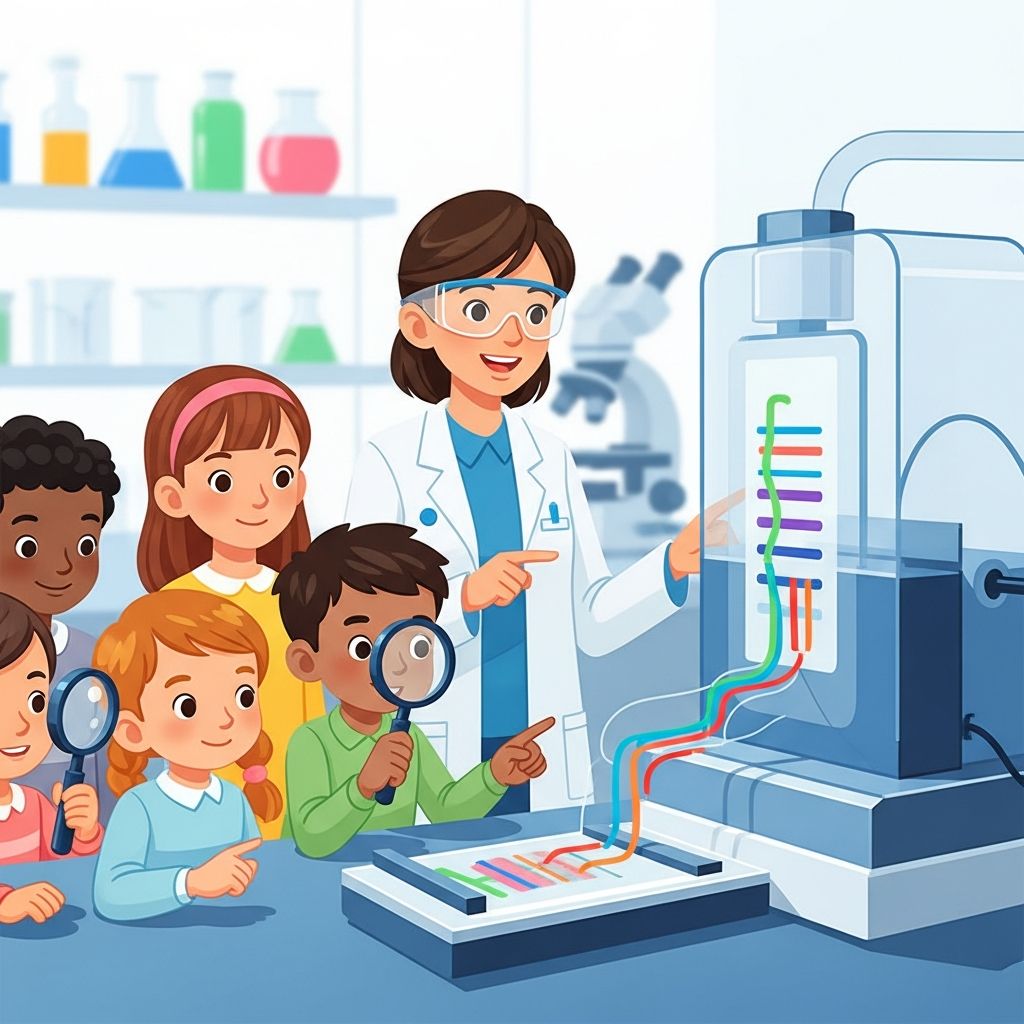
Electrophoresis is a laboratory technique that uses an electric current to separate charged molecules, such as proteins or hemoglobin, into distinct bands or groups. Each type of molecule moves at a slightly different speed in an electric field, so the lab can see and measure them one by one.
In children’s medicine, two main kinds of electrophoresis tests are especially important:
- Hemoglobin electrophoresis – focuses on the types of hemoglobin in red blood cells.
- Protein electrophoresis – focuses on proteins in the blood serum or other body fluids.
Both tests start the same way: a healthcare professional collects a small blood sample that is later analyzed in the lab.
Why Your Child’s Doctor Might Order Electrophoresis
Doctors do not order electrophoresis tests randomly. They are usually looking for a specific problem or trying to confirm a suspected diagnosis.
Reasons for Hemoglobin Electrophoresis
Hemoglobin electrophoresis measures the different types of hemoglobin in the blood. Hemoglobin is the protein that carries oxygen inside red blood cells. Changes in the type or amount of hemoglobin can point to inherited blood disorders.
Your child’s doctor may order hemoglobin electrophoresis if:
- There is a family history of sickle cell disease or thalassemia.
- Your child has unexplained anemia or low hemoglobin levels.
- Your child has symptoms such as fatigue, pale skin, yellowing of the eyes, or frequent pain crises that raise concern for a hemoglobin disorder.
- Abnormal results on a newborn screening test need to be confirmed.
- The doctor wants to understand the type of thalassemia or sickle cell trait present in your child.
Reasons for Protein Electrophoresis
Protein electrophoresis separates blood proteins into major groups like albumin and globulins. In children, this test is less common than hemoglobin electrophoresis but can still provide essential clues.
Doctors may request protein electrophoresis to:
- Investigate unexplained weight loss, chronic infections, or fatigue.
- Evaluate suspected immune system problems or antibody deficiencies.
- Look for abnormal proteins linked to rare blood or bone marrow disorders.
- Monitor certain conditions over time to see how they respond to treatment.
How Electrophoresis Works in the Laboratory
Even though you will not see what happens in the lab, understanding the basics can make the test less mysterious.
Step-by-Step Overview
- Sample preparation
After the blood is drawn, the lab processes it to isolate the part needed for testing (for example, hemolysate for hemoglobin, or serum for proteins). - Applying the sample
A small amount of the prepared sample is placed on a special gel or other medium. - Running the electric current
The equipment sends a controlled electric current through the gel. Molecules move differently based on their size and electrical charge. - Band formation
As they move, hemoglobin types or protein groups form distinct bands or peaks that can be seen with special stains or detectors. - Measurement and comparison
The lab measures each band and compares the pattern to normal reference patterns for age, and sometimes for ethnic or geographic background as well.
The final report sent to your child’s doctor includes a visual pattern, numerical values, and an interpretation from the laboratory specialist.
Preparing Your Child for the Test
Most electrophoresis tests require only a standard blood draw, so preparation is simple.
- Fasting: In many cases, no fasting is needed. For some protein studies, your child’s doctor may request fasting to avoid minor changes in blood proteins; always follow the specific instructions you receive.
- Medications: Tell the doctor and lab staff about all medicines, vitamins, and supplements. Certain drugs can influence some test results.
- Emotional preparation: Explain that the test involves a quick needle poke and that it is being done to help keep them healthy. Simple, honest descriptions work best for most children.
For babies, the blood sample is often taken from a heel stick, while older children usually have blood drawn from a vein in the arm or hand.
What Happens During the Blood Draw?
The blood collection process is usually brief, often taking just a few minutes.
- A healthcare professional cleans the skin with an antiseptic swab.
- A small needle is inserted into a vein (or the heel is pricked for infants).
- Blood is collected into one or more tubes.
- The needle is removed, and gentle pressure is applied with cotton or gauze.
- A small bandage is placed over the site.
Your child may feel a quick sting or pinch, but serious pain is uncommon. Many children are reassured by sitting on a parent’s lap or by using distraction techniques such as a favorite toy or song.
Risks and Safety
Electrophoresis itself is done on the blood sample in the lab, not on your child’s body, so there is no direct risk from the electrical process. The only real risk comes from the blood draw, and these risks are usually mild and short-lived.
Possible minor side effects include:
- Soreness or tenderness at the needle site
- Small bruise where the needle went in
- Lightheadedness during or right after the blood draw
Serious complications such as infection or significant bleeding are rare, especially when blood is drawn by trained healthcare professionals.
Understanding Hemoglobin Electrophoresis Results
The report for hemoglobin electrophoresis shows the types and percentages of hemoglobin found in your child’s blood. Different hemoglobin types include fetal hemoglobin (Hb F), adult hemoglobin (Hb A), and variant forms such as those seen in sickle cell disease or thalassemia.
| Finding | What It May Suggest (for Doctors to Evaluate) |
|---|---|
| Presence of sickle hemoglobin | Possible sickle cell disease or sickle cell trait, depending on percentage and pattern |
| Reduced or absent normal adult hemoglobin | Possible thalassemia or other inherited hemoglobin disorder |
| Higher than expected fetal hemoglobin in an older child | May indicate a hemoglobinopathy or delayed switching from fetal to adult hemoglobin |
| Normal pattern of hemoglobin types | Makes many inherited hemoglobin disorders unlikely |
Only your child’s healthcare provider can interpret the results in the full context of symptoms, physical exam findings, and other lab tests. A pattern that looks abnormal does not always mean severe disease; in some cases it may reveal a mild trait that does not cause major health problems but is useful for family planning and genetic counseling.
Understanding Protein Electrophoresis Results
Protein electrophoresis separates serum proteins into groups such as albumin and different globulin fractions (alpha, beta, gamma).
| Protein Group | General Role in the Body |
|---|---|
| Albumin | Helps keep fluid in blood vessels and transports many substances |
| Alpha and beta globulins | Include transport proteins and some components of the immune response |
| Gamma globulins | Contain most antibodies (immunoglobulins) that fight infection |
Doctors look at both the quantity of each group and the overall pattern. For example:
- A low albumin level may suggest problems with nutrition, liver function, or kidney loss of protein.
- Changes in gamma globulins can point toward immune deficiencies or chronic inflammation.
- Certain sharp spikes may indicate abnormal proteins that need further testing with more specific methods such as immunofixation.
In children, these findings are interpreted very carefully and usually in combination with other tests and clinical information.
Follow-Up After Electrophoresis Testing
Once the test results are ready, your child’s doctor will discuss the next steps. These may include:
- No further action if the pattern looks normal and symptoms have improved or resolved.
- Repeat testing at a later time to confirm a pattern or monitor a known condition.
- Additional blood tests, imaging, or genetic testing to better understand an abnormal result.
- Referral to a specialist, such as a pediatric hematologist or immunologist, if a complex disorder is suspected.
If an inherited condition is found, your child’s doctor may recommend that other family members be tested as well.
Supporting Your Child Before, During, and After the Test
Even routine blood work can be stressful for children. Parents play a key role in providing comfort and reassurance.
- Before the test: Use simple language to explain what will happen. Let your child ask questions.
- During the test: Stay close, hold a hand, or offer a distraction such as a story, video, or breathing exercise.
- After the test: Praise your child for being brave. Offer a snack or small reward if appropriate.
If your child is very anxious about needles, tell the clinic in advance. Many pediatric centers have child life specialists and other resources to help.
Frequently Asked Questions (FAQs)
Is electrophoresis painful for my child?
The electrophoresis itself is painless because it is done on the blood sample in the lab. Your child only feels the brief needle poke from the blood draw, which may cause a quick sting but usually passes in seconds.
How long does it take to get electrophoresis results?
Timing varies by hospital and lab. Many hemoglobin electrophoresis results are available within a few days, but specialized protein studies may take longer if additional confirmatory tests are needed.
Will my child need more tests after an abnormal result?
Often, yes. Electrophoresis is excellent for showing patterns, but doctors usually combine it with other blood tests, imaging, or genetic studies to make a clear diagnosis.
Can diet or recent illness affect electrophoresis results?
Short-term illness can sometimes influence protein levels, and severe nutritional problems may affect some results. This is why doctors always interpret the test in the context of recent health history and other findings.
Does a hemoglobin trait mean my child will be sick?
Not necessarily. Many hemoglobin traits, such as sickle cell trait or some thalassemia traits, cause few or no symptoms. However, they are important to know about for future family planning and for understanding possible risks in extreme conditions, such as severe dehydration or very intense exercise.
References
- Hemoglobin Electrophoresis — MedlinePlus, U.S. National Library of Medicine. 2023-02-28. https://medlineplus.gov/lab-tests/hemoglobin-electrophoresis/
- Hemoglobin Electrophoresis: Purpose, Procedure, and Results — Healthline. 2020-01-10. https://www.healthline.com/health/blood-cell-disorders/hemoglobin-electrophoresis/
- Protein Electrophoresis, Immunofixation Electrophoresis — Testing.com. 2022-04-05. https://www.testing.com/tests/protein-electrophoresis-immunofixation-electrophoresis/
- Hemoglobin Electrophoresis: Test, Procedure & Results — Cleveland Clinic. 2021-08-09. https://my.clevelandclinic.org/health/diagnostics/22420-hemoglobin-electrophoresis
- Electrophoresis — StatPearls, NCBI Bookshelf. 2023-06-26. https://www.ncbi.nlm.nih.gov/books/NBK585057/
- Serum Protein Electrophoresis (SPEP) Test — MyHealth Alberta. 2022-03-21. https://myhealth.alberta.ca/Health/Pages/conditions.aspx?hwid=hw43650
- Protein Electrophoresis (Blood) — University of Rochester Medical Center Health Encyclopedia. 2021-11-15. https://www.urmc.rochester.edu/encyclopedia/content?contenttypeid=167&contentid=protein_electrophoresis_serum