High-stakes election nights often pull parents into a whirlwind of news updates, debates, and anxiety, but embracing rest can transform these evenings into opportunities for renewal. By stepping away from screens, families gain clarity and emotional resilience for whatever outcomes arise.
Understanding the Emotional Weight of Election Seasons
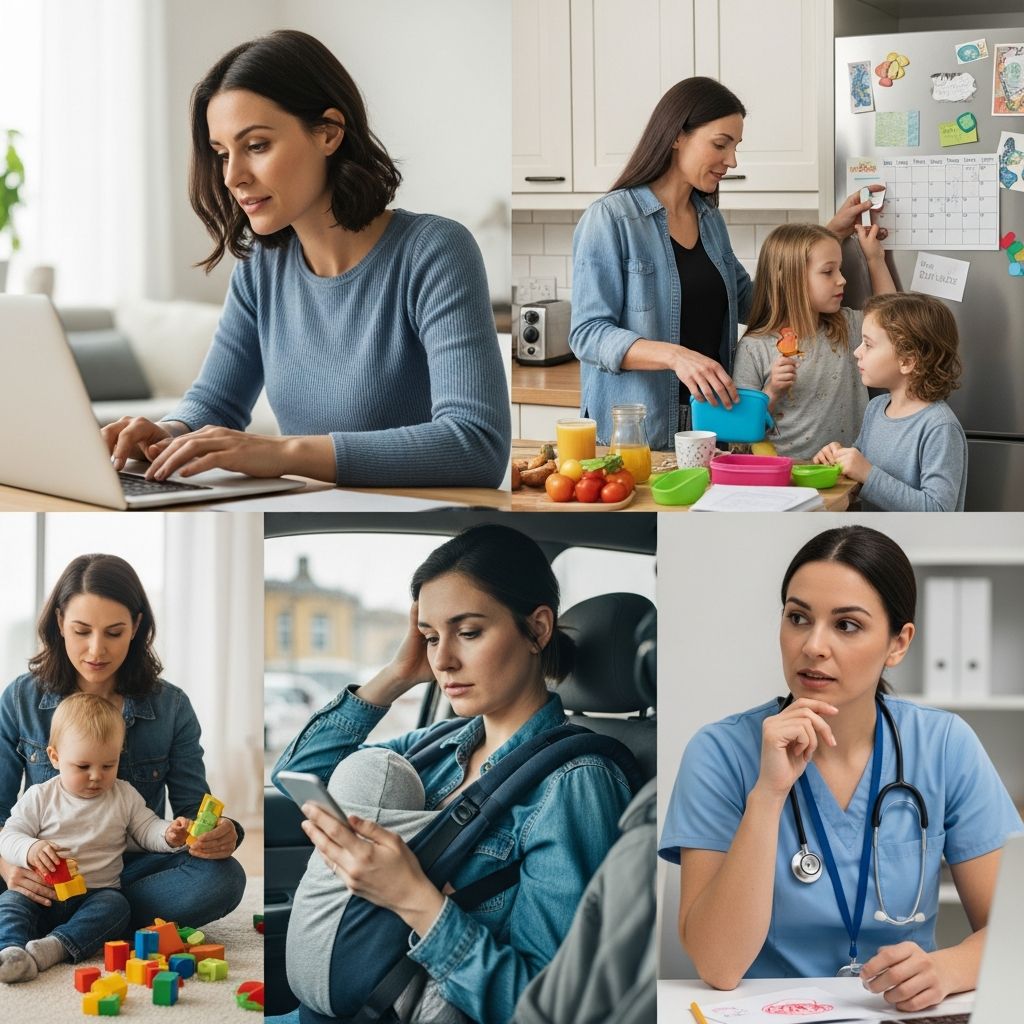
Election periods amplify stress for everyone, yet parents bear a unique load: balancing personal concerns with children’s emotional needs. Constant media exposure can heighten fears about the future, economy, or social issues, leading to sleepless nights that impair daily functioning. Research from child psychology experts emphasizes that parental anxiety directly influences family dynamics, making self-regulation essential.
Consider how prolonged vigilance—staying up for every poll result—exacerbates fatigue. Parents report elevated cortisol levels during such times, mirroring responses to chronic stress, which affects decision-making and patience with kids. Instead of succumbing to this cycle, recognizing the emotional toll empowers proactive choices like early bedtimes.
Why Sleep Trumps Staying Informed on Election Night
Opting for rest isn’t avoidance; it’s strategic self-preservation. A well-rested parent models healthy boundaries to children, demonstrating that world events, while important, don’t dictate personal well-being. Sleep restores cognitive function, enabling clearer-headed discussions about results the next day.
- Enhanced Emotional Regulation: Quality sleep reduces reactivity, helping parents respond calmly to children’s questions.
- Better Family Interactions: Refreshed mornings allow for meaningful conversations without exhaustion-fueled irritability.
- Long-Term Health Benefits: Consistent sleep patterns during stressful periods bolster immunity and mental health.
Experts from parenting organizations note that children thrive when parents prioritize recovery, creating a stable home base amid external uncertainty.
Age-Appropriate Ways to Engage Kids in Civic Life
Involving children in democracy builds lifelong interest without overwhelming them. Tailor discussions to developmental stages to foster curiosity rather than fear.
For Young Children (Ages 2-5)
Toddlers and preschoolers grasp concepts through play. Turn voting into a family adventure by sharing simple stories about choices, like picking a favorite snack. Election-themed books simplify abstract ideas, making civics fun and accessible. Avoid live coverage; instead, use crafts like making “vote” stickers to mimic the process.
For School-Age Kids (Ages 6-10)
Elementary students can handle basics like why people vote. Use questions to gauge understanding: “What do you think leaders do?” This sparks dialogue on family values without partisan bias. Activities like coloring electoral maps during recorded news segments keep engagement light.
For Tweens and Teens (Ages 11+)
Older kids benefit from nuanced talks on media literacy and values. Teach fact-checking to combat misinformation, empowering them to discern reliable sources. Role-playing debates hones respectful discourse.
| Age Group | Recommended Activity | Key Benefit |
|---|---|---|
| 2-5 | Read voting books, crafts | Builds excitement through play |
| 6-10 | Map coloring, family votes | Teaches process visually |
| 11+ | Fact-checking exercises, role-play | Develops critical thinking |
Building Family Routines Around Election Stress
Establish rituals that insulate your home from chaos. Designate screen-free zones and times, replacing news with board games or stories. Family voting on dinner menus mirrors democratic principles playfully.
Post-election, validate emotions: “It’s okay to feel worried; let’s talk about it.” Reassure safety through facts about governmental checks and balances, easing anxieties. Share your feelings moderately to normalize processing without alarm.
Navigating Media Overload and Misinformation
Election nights flood with unverified claims. Guide kids by modeling skepticism: Discuss ad strategies, emotional appeals, and source credibility. Resources from educators stress teaching free speech alongside respect, helping children differentiate rhetoric from reality.
Limit exposure strategically. Record key updates for morning review, preserving sleep. This approach counters the pull of 24/7 coverage, which studies link to heightened youth anxiety.
Self-Care Strategies for Election-Weary Parents
Parents must recharge to support others. Simple practices include:
- Evening wind-downs with herbal tea and journaling.
- Mindful breathing to process personal reactions.
- Connecting with supportive friends offline.
Psychology insights highlight that self-care enables better role-modeling, as children mirror parental composure.
Post-Election Conversations: Fostering Resilience
The morning after, debrief openly. Address fears directly: “Our community remains strong regardless.” Encourage empathy by exploring diverse viewpoints, promoting unity. Activities like community service reinforce civic engagement positively.
For divided families, emphasize respect for offices over individuals, teaching graceful disagreement.
Fun, Educational Election Activities Beyond the Night
Extend learning through hands-on fun. Mock elections at home decide family rules. Board games simulating electoral college teach strategy engagingly. Attending rallies or door-knocking (age-appropriately) builds real-world involvement.
Frequently Asked Questions (FAQs)
Should I let my child stay up for election results?
It’s generally better to prioritize sleep, especially for younger kids. Record coverage for a rested morning discussion, modeling healthy limits.
How do I explain election losses to sensitive children?
Validate feelings, reassure safety, and highlight democracy’s resilience. Share age-appropriate examples of positive change.
What if my child hears conflicting political views at school?
Role-play responses, teach fact-checking, and stress respectful listening. Empower them to walk away from toxicity.
Can election stress affect my parenting long-term?
Yes, unmanaged anxiety can lead to fatigue. Counter it with routines and self-care for sustained well-being.
Are there safe ways to involve toddlers in voting?
Absolutely—bring them to polls for the experience or read voting books. Keep it light and fun.
Long-Term Civic Education for Families
Beyond one night, nurture ongoing engagement. Volunteer together, follow local news critically, and discuss policies impacting daily life. This builds informed, empathetic citizens.
In summary, election evenings challenge parents profoundly, yet choosing rest over frenzy yields profound benefits. By fostering calm homes, validating emotions, and engaging thoughtfully, families emerge stronger, ready to navigate democracy’s ebbs and flows.
References
- How to Talk to Your Kids About the Elections — Beech Acres. 2020-10-01. https://beechacres.org/how-to-talk-to-your-kids-about-the-elections/
- How to talk to your kids about politics — Katie Porter, Substack. 2023-09-15. https://katieporteroc.substack.com/p/how-to-talk-to-your-kids-about-politics
- Election Day Activities for Kids of All Ages — Metro Parent. 2024-11-01. https://metroparent.com/things-to-do/election-day-activities-for-kids/
- The Day After the Election: 4 Key Messages Your Children Need to Hear — ParentMap. 2020-11-04. https://www.parentmap.com/article/the-day-after-the-election-4-key-messages-your-children-need-to-hear
- Six Ways to Help Your Students Make Sense of a Divisive Election — Greater Good Magazine, UC Berkeley. 2020-11-06. https://greatergood.berkeley.edu/article/item/six_ways_to_help_students_make_sense_of_a_divisive_election
- I’m Keeping My 10-Year-Old Daughter Up For Election Night — Scary Mommy. 2024-11-05. https://www.scarymommy.com/parenting/im-keeping-my-10-year-old-daughter-up-for-election-night
- How Do We Help Our Children Post-Election? — Psychology Today. 2024-11-06. https://www.psychologytoday.com/us/blog/parenting-matters/202411/how-do-we-help-our-children-post-election