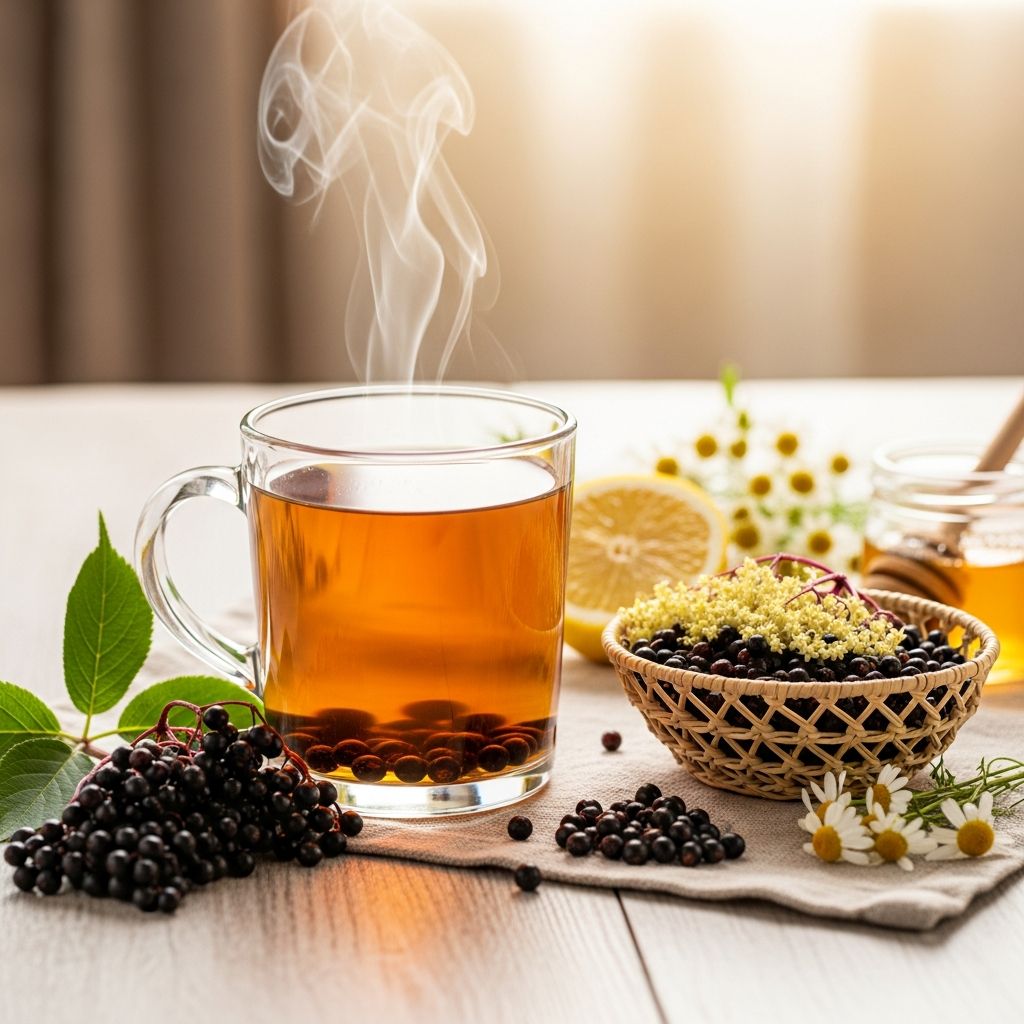
Expectant mothers often seek natural ways to bolster immunity amid frequent colds and flu, with elderberry emerging as a popular choice. However, conflicting guidance from health experts highlights the need for caution due to insufficient research on its effects during pregnancy.
Understanding Elderberry and Its Traditional Uses
Elderberry, derived from the Sambucus nigra plant, has been utilized for centuries in folk medicine to combat respiratory infections and enhance vitality. Modern supplements, including syrups, gummies, and teas, capitalize on its rich profile of flavonoids, vitamins, and antioxidants, which may inhibit viral replication in lab settings.
While general populations report benefits like shortened cold duration, pregnant individuals face unique considerations. The immune system modulates significantly during gestation to safeguard the fetus, potentially amplifying responses to stimulants like elderberry.
- Key components: Anthocyanins for anti-inflammatory effects, vitamin C for immune function.
- Common forms: Cooked berries, extracts, or processed products to neutralize toxins.
- Historical role: Syrups for sore throats, fevers in traditional European remedies.
Potential Health Benefits of Elderberry
Research outside pregnancy suggests elderberry reduces flu symptom severity by up to 4 days and prevents viral entry into cells. Antioxidants may lower inflammation, cholesterol, and chronic disease risks, per Cleveland Clinic insights.
| Benefit | Evidence Level | Relevance to Pregnancy |
|---|---|---|
| Flu symptom relief | Moderate (clinical trials) | Limited; no pregnancy-specific data |
| Antioxidant support | Strong (lab studies) | Potential nausea aid, but unproven |
| Immune modulation | Promising | Risk of overstimulation |
During pregnancy, these could theoretically ease seasonal illnesses without pharmaceuticals, but evidence gaps persist.
Safety Concerns for Pregnant Women
Raw or unripe elderberries contain cyanogenic glycosides, producing cyanide and causing nausea, vomiting, or worse. Cooking mitigates this, making commercial products safer. Yet, no robust human or animal trials confirm safety in pregnancy.
High doses might trigger uterine contractions via cramping, especially late-term, theorized by some experts. As an immune stimulant, it could disrupt pregnancy’s suppressed immunity. A small survey noted one case of stomach upset.
- Avoid raw forms entirely.
- Stick to reputable, cooked preparations if approved.
- Monitor for GI distress or unusual symptoms.
Regulatory voids exacerbate issues; FDA does not mandate pre-market safety proofs for supplements.
Expert Recommendations on Usage
Consensus urges consulting healthcare providers before use. Short-term, moderate intake of quality products may be tolerable for some, but caution prevails. OB-GYNs like Dr. Melinda Feely advocate alternatives absent confirmatory research.
Dosage lacks standardization; adhere to label suggestions, typically 1-2 teaspoons syrup daily for adults. No pregnancy-specific upper limits exist.
Short-term ingestion of ripened fruit in high-quality products may be okay, but without research, we remain cautious.
Elderberry During Breastfeeding: What to Know
Postpartum, data remains sparse. Normal amounts appear well-tolerated with trace compounds in milk posing minimal risk. Benefits for maternal immunity might indirectly aid infants, but high doses risk GI upset in nursing parents.
Experts like naturopath Thara Vayali note unknown infant impacts, advising avoidance. Brigham and Women’s Health Library explicitly contraindicates use.
- Potential perks: Antioxidant boost without proven lactation effects.
- Cautions: Consult pediatrician; watch baby for reactions.
Who Should Avoid Elderberry Altogether
Certain groups face heightened risks:
| Group | Reason |
|---|---|
| Pregnant/breastfeeding | Research gaps |
| Autoimmune patients | Immune overstimulation |
| Children under 1 | No dosing data |
| GI disorder sufferers | Exacerbates symptoms |
| Medication users (diuretics, immunosuppressants) | Interactions possible |
Allergies to Caprifoliaceae family plants warrant avoidance.
Safe Alternatives for Immune Support in Pregnancy
Prioritize evidence-backed options:
- Vitamin C-rich foods: Citrus, bell peppers (up to 2000mg/day safe).
- Zinc: From nuts, seeds; supplements if deficient.
- Honey-lemon tea: Soothes throats without risks.
- Probiotics: Yogurt for gut-immune health.
- Hydration and rest: Foundational defenses.
Vaccinations like flu shots offer proven protection.
Practical Tips for Staying Healthy
- Wash hands frequently.
- Maintain humidity to prevent dry airways.
- Eat nutrient-dense meals.
- Practice gentle exercise like walking.
- Seek prompt medical care for symptoms.
Integrate lifestyle habits with provider-guided remedies for optimal resilience.
Frequently Asked Questions
Can elderberry prevent colds during pregnancy?
Limited evidence suggests symptom reduction, but prevention lacks pregnancy trials. Opt for proven methods like vaccination.
Is cooked elderberry syrup okay in first trimester?
Moderation with doctor approval; early pregnancy heightens sensitivity.
Does elderberry affect baby development?
No direct studies; theoretical risks from immune shifts.
How much elderberry is too much when pregnant?
No limits set; follow labels, avoid excess.
Are there elderberry teas safe for pregnancy?
Commercial, cooked varieties possibly, but confirm with OB-GYN.
Can I give elderberry to my toddler while pregnant?
Not recommended under 1 year; no pediatric dosing.
References
- Elderberry During Pregnancy and Breastfeeding FAQ — Seattle Elderberry. Accessed 2026. https://seattleelderberry.com/pages/elderberry-during-pregnancy-and-breastfeeding-faq
- Is Elderberry Safe During Pregnancy? — The Bump. Accessed 2026. https://www.thebump.com/a/elderberry-pregnancy
- Elderberry While Pregnant: What to Know About Safety — Healthline. Accessed 2026. https://www.healthline.com/health/pregnancy/elderberry-pregnant
- Elderberry — Brigham and Women’s Hospital Health Library. Accessed 2026. https://healthlibrary.brighamandwomens.org/conditions/Pregnancy/19,Elderberry
- Echinacea and elderberry—should they be used against upper respiratory tract infections during pregnancy? — PubMed (Peer-reviewed). 2014-03-01. https://pubmed.ncbi.nlm.nih.gov/24624087/
- What Elderberries Can (and Can’t) Do for Your Health — Cleveland Clinic. Accessed 2026. https://health.clevelandclinic.org/elderberry-benefits