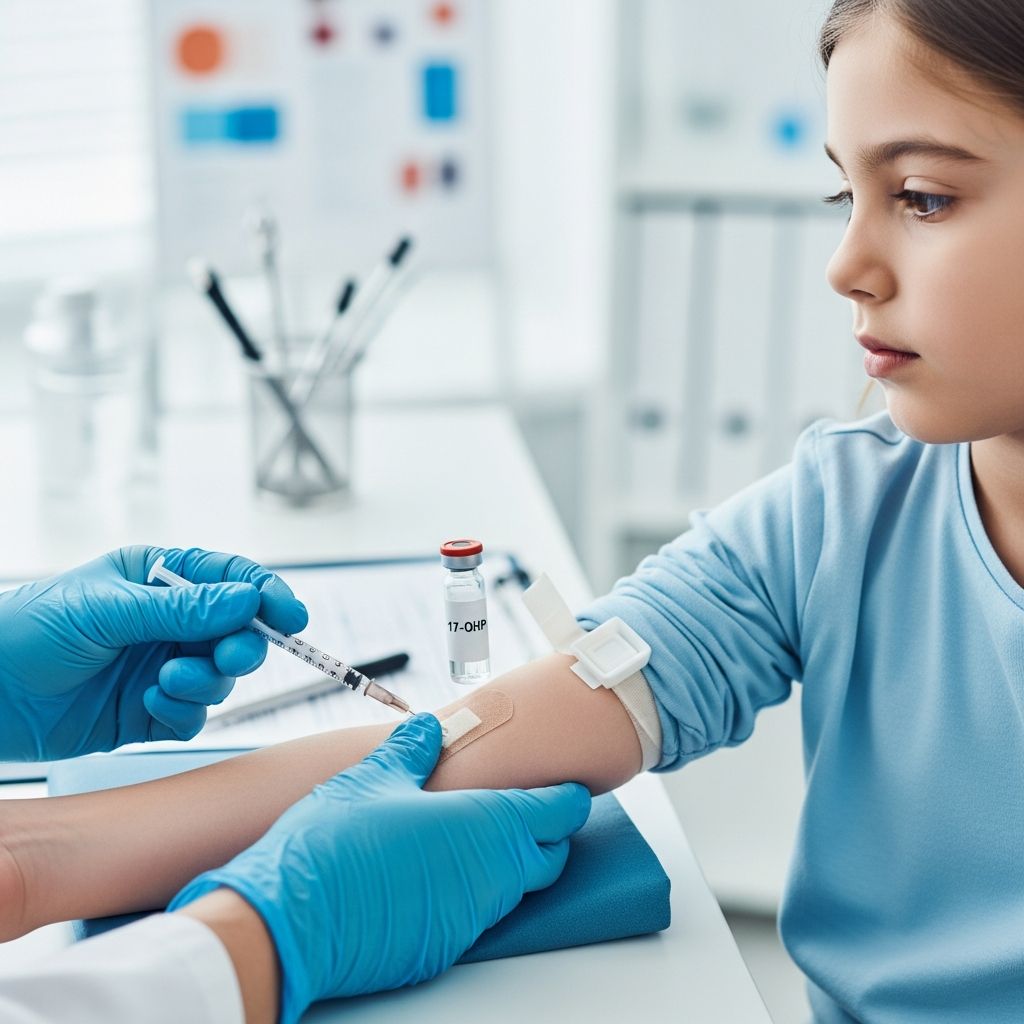
Egg allergy ranks among the top food allergies affecting young children, impacting roughly 2% of them worldwide. It occurs when the immune system overreacts to proteins in eggs, primarily in the white but sometimes the yolk, triggering a cascade of symptoms from mild irritation to life-threatening reactions. The good news is that about 70% of affected children outgrow this allergy by age 16, offering real hope for families navigating daily challenges.
Why Eggs Trigger Allergic Reactions in Children
The root of egg allergy lies in the immune system’s misidentification of harmless egg proteins as threats. When a sensitized child consumes egg, IgE antibodies bind to these proteins, prompting mast cells to release histamine and other chemicals. This reaction can unfold within minutes to hours.
Both raw and cooked eggs pose risks, though some children tolerate extensively baked forms where high heat alters protein structure—a process called denaturation—potentially evading immune detection. Breastfed infants may react if the nursing parent consumes eggs, as proteins can pass into milk.
Recognizing the Warning Signs
Symptoms vary widely but often target skin, respiratory, gastrointestinal, and sometimes cardiovascular systems. Early recognition is crucial to prevent escalation.
Skin Reactions: The Most Frequent Clue
- Hives: Red, itchy, raised welts appearing anywhere on the body.
- Eczema flare-ups or widespread rashes.
- Swelling (angioedema) around eyes, lips, or face.
Respiratory Distress Signals
- Runny or stuffy nose, sneezing.
- Coughing, wheezing, or shortness of breath.
- Throat tightness or hoarseness, signaling potential airway narrowing.
Gut and Other Symptoms
- Nausea, vomiting, diarrhea, or abdominal cramps.
- Itchy mouth or watery eyes.
- In severe cases, dizziness, weak pulse, or pale skin from blood pressure drop.[10]
In infants, watch for subtler cues like spitting up excessively, arching back, or repetitive tongue thrusting.
The Serious Threat of Anaphylaxis
Anaphylaxis represents the most dangerous outcome, a rapid multi-system reaction that can impair breathing and circulation. It may begin mildly but progress swiftly, involving two or more body areas like skin plus breathing difficulties. Infants might show irritability, floppy posture, or belly breathing.[10]
| Symptom Category | Common Signs in Anaphylaxis | Action Needed |
|---|---|---|
| Skin | Hives, widespread swelling | Administer epinephrine if prescribed |
| Respiratory | Wheezing, throat swelling, cyanosis | Call 911 immediately |
| Gastrointestinal | Persistent vomiting, diarrhea | Monitor for escalation |
| Cardiovascular | Dizziness, fainting, weak pulse | Position lying down, legs elevated |
Epinephrine via auto-injector is the first-line treatment; always seek emergency care post-use.
How Doctors Confirm an Egg Allergy
Suspected allergies warrant allergist evaluation. Diagnosis starts with a detailed history, followed by:
- Skin prick test: A tiny amount of egg extract pricks the skin; a wheal indicates sensitivity.
- Blood tests: Measure specific IgE levels to egg proteins.
- Food challenges: Supervised feeding in a medical setting for definitive proof, especially for baked egg tolerance.
These tests help tailor management, distinguishing true allergies from intolerances.
Daily Strategies for Avoidance
Strict avoidance remains the cornerstone. Eggs hide in baked goods, sauces, and processed foods, so vigilant label reading is essential. Look for ingredients like albumin, globulin, or ovomucoid.
- Safe alternatives: Use applesauce, flaxseed, or commercial egg replacers in baking.
- Dining out: Inform servers; opt for egg-free menus.
- School and travel: Provide allergy action plans and epinephrine.
Exploring Baked Egg Tolerance
Many children (up to 70%) handle baked eggs in muffins or cakes, where prolonged high-heat baking (e.g., 350°F for 20+ minutes) denatures allergenic proteins. This tolerance often predicts faster outgrowing and may accelerate desensitization under medical guidance. Start with doctor-supervised challenges; home trials risk reactions.
Tip for Parents: Baked egg introduction can expand diets safely. Discuss with an allergist before trying—regular exposure might hasten resolution.
The Bright Prospect of Outgrowing Egg Allergy
Unlike some allergies, egg allergy frequently resolves. Studies show 70% outgrow by adolescence, with regular allergist follow-ups tracking progress via tests. Factors like baked egg tolerance boost odds. Periodic re-evaluations guide when to retest or challenge.
Empowering Families: Action Plans and Support
Craft a personalized anaphylaxis action plan outlining triggers, symptoms, and treatments. Train caregivers in epinephrine use. Support groups and apps aid label scanning and recipe swaps.
- Pack safe snacks for outings.
- Educate siblings and teachers.
- Stay updated on immunotherapy research.
Frequently Asked Questions (FAQs)
Can egg-allergic kids eat traces in vaccines?
Most flu shots contain negligible egg; consult your allergist. Some vaccines are egg-free.
Is egg allergy linked to other allergies?
Often co-occurs with milk, peanut, or environmental allergies; monitor broadly.
How soon after exposure do symptoms appear?
Typically minutes to 2 hours; rapid onset signals higher risk.
What if my child has mild symptoms only?
Even mild reactions warrant evaluation—escalation is possible.
Does cooking eggs make them safe?
Not always; lightly cooked may still trigger, but well-baked often tolerated.
Long-Term Outlook and Emerging Treatments
Oral immunotherapy trials show promise in building tolerance, though not standard yet. Nutritionists help ensure balanced diets sans eggs, focusing on proteins from meat, dairy (if tolerated), or plants.
Families thrive with knowledge: avoidance, preparedness, and optimism. Regular check-ins track improvement, turning a daunting diagnosis into a manageable phase.
References
- Egg Allergy Fact Sheet — Anaphylaxis UK. 2023. https://www.anaphylaxis.org.uk/fact-sheet/egg-allergy/
- Egg Allergy – Symptoms & Causes — Mayo Clinic. 2024-03-15. https://www.mayoclinic.org/diseases-conditions/egg-allergy/symptoms-causes/syc-20372115
- Managing Egg Allergies in Children — Nemours KidsHealth. 2024. https://kidshealth.org/en/parents/egg-allergy.html
- Egg Allergy — Kids with Food Allergies. 2024. https://kidswithfoodallergies.org/living-with-food-allergies/top-food-allergens/egg-allergy/
- Egg Allergies — Children’s Hospital of Philadelphia. 2024-03-14. https://www.chop.edu/conditions-diseases/egg-allergies
- Egg Allergy: Causes, Symptoms & Treatment — American College of Allergy, Asthma & Immunology (ACAAI). 2024. https://acaai.org/allergies/allergic-conditions/food/egg/
- Egg Allergy — Food Allergy Research & Education (FARE). 2024. https://www.foodallergy.org/living-food-allergy/food-allergy-essentials/common-allergens/egg