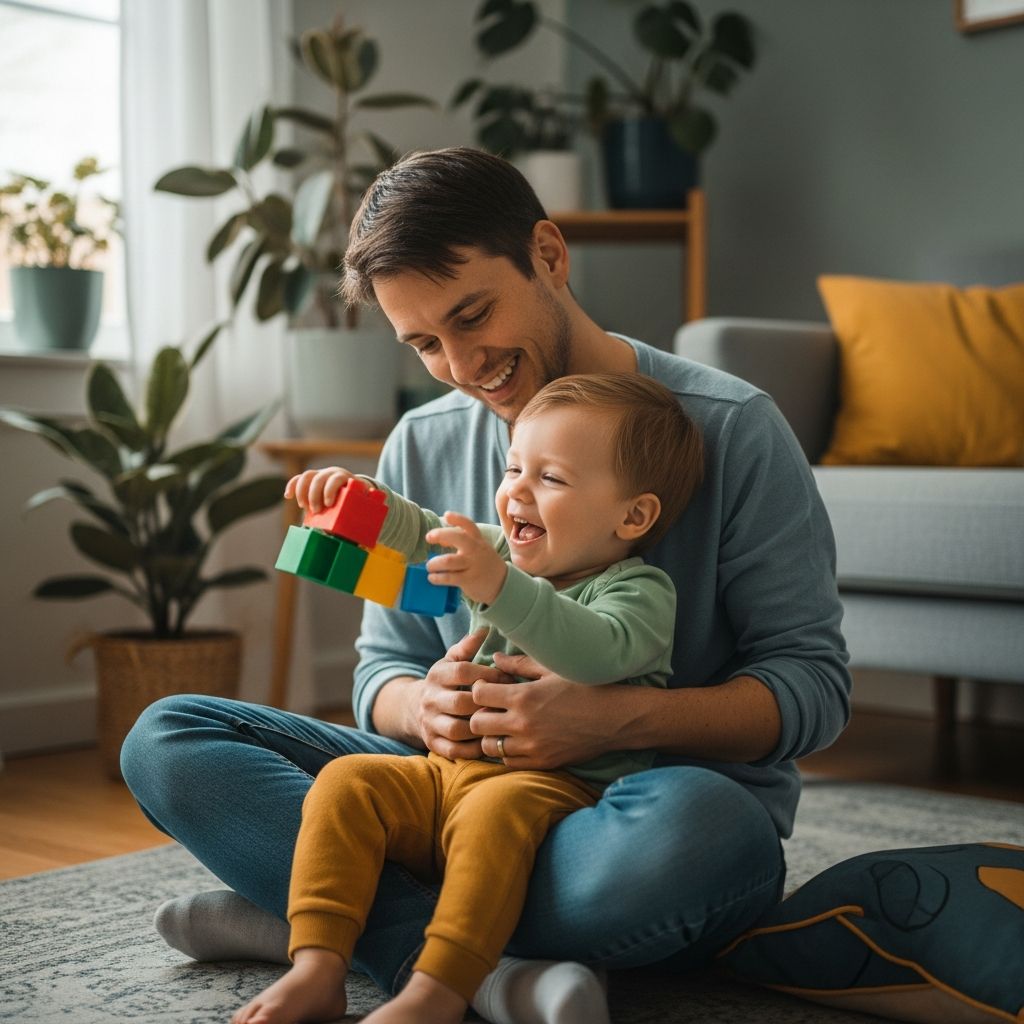
Effortless parenting flips the script on traditional child-rearing by focusing on intentional disengagement rather than constant oversight. This approach empowers children to develop critical skills like problem-solving and self-reliance while allowing parents to reclaim personal time and energy. Far from neglect, it involves upfront planning to create an environment where kids thrive independently.
Understanding the Core Philosophy
At its heart, effortless parenting means stepping back to let children navigate their world. Parents establish a structured framework of essential rules, then grant freedom within those limits. This method draws from educational philosophies emphasizing self-directed growth, helping kids build confidence through trial and error.
Research highlights how such independence reduces childhood stress and enhances focus. For instance, unstructured playtime allows children to explore creatively, leading to better emotional regulation and academic readiness. Unlike hovering involvement, this style prevents burnout for parents and entitlement in children.
Key Principles for Daily Implementation
- Set Firm Foundations: Define non-negotiable routines like consistent bedtimes and meal-end signals to minimize chaos.
- Promote Solo Exploration: Provide safe spaces with minimal toys to spark imagination without constant entertainment.
- Offer Guided Choices: Within boundaries, let kids select activities, books, or snacks to build decision-making skills.
- Enforce Clean-Up Habits: Transition to new tasks only after tidying, teaching responsibility effortlessly.
These principles create a predictable rhythm. Parents report fewer tantrums and more cooperative behavior as children internalize expectations.
Building Independence Through Free Play
Free play is the cornerstone of effortless parenting. When children engage without adult direction, they practice resilience and creativity. Studies from pediatric experts affirm that this activity lowers anxiety levels and boosts cognitive development.
Picture a child at the park: instead of orchestrating games, the parent observes from afar, intervening only if safety demands it. This fosters problem-solving as kids negotiate conflicts or invent rules. Over time, complaints of boredom diminish because children learn to entertain themselves.
| Play Type | Benefits | Parental Role |
|---|---|---|
| Guided Play | Skill-building in specific areas | Active facilitation |
| Free Play | Emotional resilience, creativity | Observe only |
| Structured Activities | Routine adherence | Minimal oversight |
This table illustrates why prioritizing free play yields superior long-term gains compared to over-scheduled days.
Establishing Boundaries That Empower
Clear limits provide security, enabling freedom. A daily nap, early bedtime ritual, and immediate clean-up policy form the backbone. Within these, children choose elements like story order or comfort items, turning routines into positive experiences.
Offering meal choices—fruits versus yogurt—shifts power struggles to collaboration. “Yes” becomes the default response, easing tensions. Consistency is key: enforce rules firmly at first, despite protests, for smoother sailing ahead.
Practical Strategies for Busy Families
Start small. Designate a low-furniture play area with select toys to encourage Montessori-like discovery. Stock a “building box” with blocks and fabrics for endless creativity, replenishing as needed.
- Observe without intervening during play sessions.
- Read nearby to model literacy while relaxing.
- Decline play invitations politely when recharging.
- Use screen time sparingly for adult breaks, balancing with active days.
These tactics demand initial effort but yield a self-sustaining system. Parents gain time for relationships and self-care, modeling healthy priorities.
Distinguishing Effortless from Neglectful Styles
Effortless parenting differs sharply from uninvolved approaches. The latter shows disinterest in a child’s life, skipping events and withholding emotional support, which can harm self-esteem and social skills.
In contrast, effortless parents actively prepare environments for success—anticipating needs, supplying tools, then withdrawing. This “intentional laziness” builds skills like time management without parental crutches. Children of neglectful parents may gain basic self-care early but suffer emotionally; effortless methods nurture both independence and connection.
Long-Term Advantages for Children and Parents
Kids raised this way excel in self-directed learning, a trait valued in modern workplaces. They handle obstacles creatively, showing advanced math and science aptitude from hands-on exploration. Parents enjoy reduced stress, cleaner homes, and stronger family bonds.
Critics of intensive styles note drawbacks like delayed resilience; effortless parenting counters this by allowing safe failures. Balanced implementation avoids overemphasis on emotions, promoting adaptability.
Overcoming Common Challenges
Initial resistance from children tests resolve. Stay confident—kids sense hesitation. Teachers endorse boundaries-with-freedom, confirming its efficacy.
For working parents, integrate by prepping evening routines or weekend free-play blocks. Track progress: fewer “I’m bored” pleas signal success.
Frequently Asked Questions (FAQs)
What age is best for effortless parenting?
It suits toddlers through school-age, adapting as needs evolve. Start with simple choices around age 2.
Does this mean no discipline?
No—clear consequences like ending meals for throwing enforce accountability within freedom.
How do I handle public judgment?
Trust evidence-based benefits; explain briefly if asked, focusing on your child’s growth.
Can screens fit in?
Use occasionally for breaks, prioritizing interactive play overall.
What if my child struggles initially?
Offer gentle prompts, then step back. Resilience builds with practice.
Real-World Examples and Testimonials
One parent shared: turning on educational shows for couple time led to uninterrupted conversations and a happier home. Another found playground bench-sitting sparked their child’s social skills. These stories underscore the win-win dynamic.
Educators praise graduates who self-start, attributing it to home freedoms. Effortless parenting equips kids for life beyond supervision.
References
- How To Be a Good Parent Through Dedicated “Lazy Parenting” — A Fine Parent. 2023-05-15. https://afineparent.com/simplify-life/how-to-be-a-good-parent.html
- Give Your Child the Gift of Intentionally Lazy Parenting — Compositive. 2024-02-10. https://compositive.org/give-your-child-the-gift-of-intentionally-lazy-parenting/
- Lazy Parenting: Myths, Realities, and How to Balance — Raising a Healthy Family. 2023-11-20. https://raisingahealthyfamily.com/article/lazy-parenting-myths-realities-and-how-to-balance
- Uninvolved Parenting: Pros and Cons, Effects, Examples, More — Healthline. 2024-08-05. https://www.healthline.com/health/parenting/uninvolved-parenting
- Gentle Parenting: What It Is, How It Can Help, and Possible Drawbacks — Brown University Health. 2023-09-12. https://www.brownhealth.org/be-well/gentle-parenting-what-it-how-it-can-help-and-possible-drawbacks