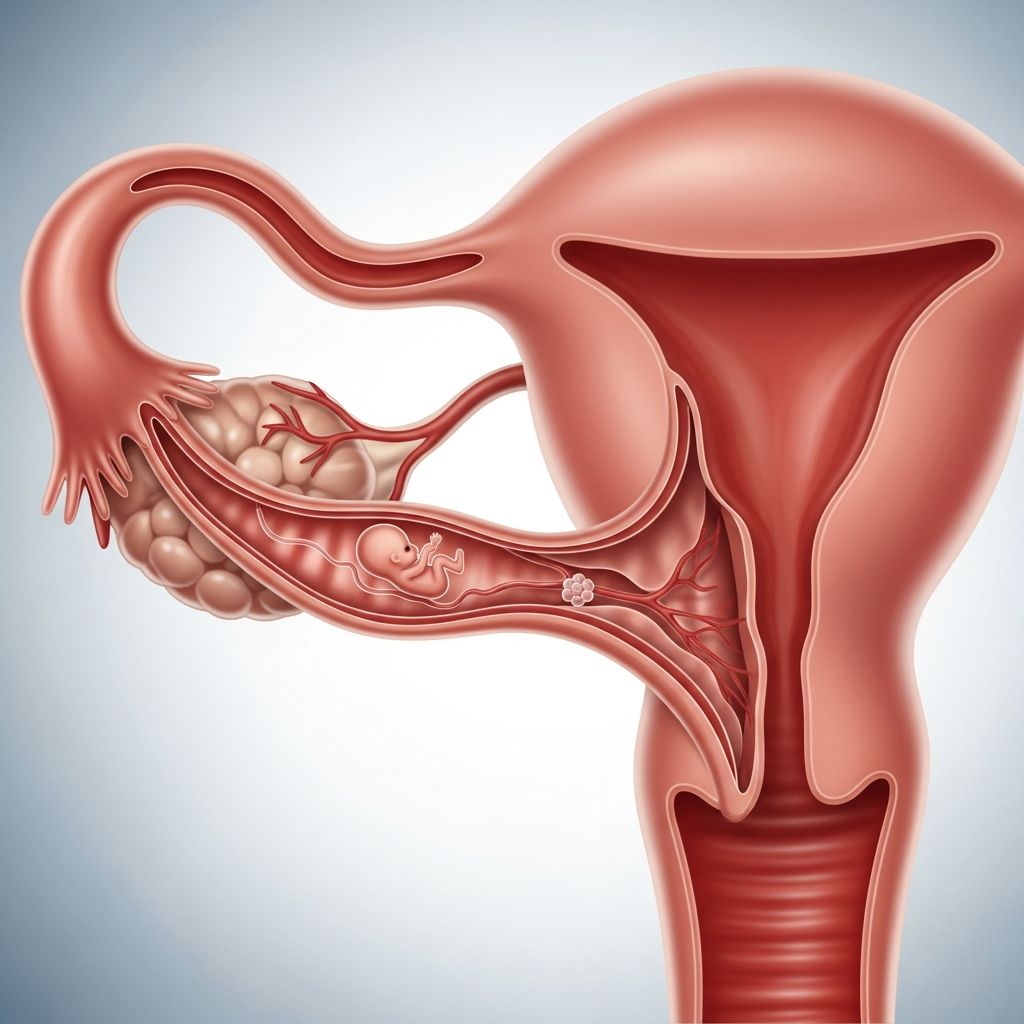
When Pregnancy Develops Outside the Uterus: A Comprehensive Overview
An ectopic pregnancy occurs when a fertilized egg implants and begins growing in a location other than the uterus, most commonly within the fallopian tubes that connect the ovaries to the uterus. This type of pregnancy represents a significant medical concern because the human body cannot sustain fetal development anywhere except within the uterine cavity. Approximately 1-2% of all pregnancies are ectopic, making this a relatively uncommon but serious condition that requires prompt medical attention.
The journey of a fertilized egg typically involves traveling through the fallopian tube before reaching the uterus, where it implants in the nutrient-rich uterine lining. When this process is disrupted and the embryo begins developing in the fallopian tube or other extrauterine locations, the pregnancy cannot progress normally. Understanding this condition is essential for anyone of childbearing age, as early recognition and treatment can prevent life-threatening complications including internal bleeding and reproductive damage.
Common Locations Where Ectopic Pregnancies Develop
While fallopian tube pregnancies account for the vast majority of ectopic cases, the fertilized egg can implant in several different locations:
- Fallopian tubes (most common location, representing the typical “tubal pregnancy”)
- Ovaries
- Abdominal cavity
- Cervix
- Cesarean section scar tissue
The fallopian tubes are particularly vulnerable locations because of their narrow diameter and the way their muscular contractions are designed to propel the egg toward the uterus rather than support implantation. Regardless of where the ectopic pregnancy develops, the outcome remains the same: the pregnancy cannot be medically continued or result in a viable birth.
Recognizing the Early Warning Signs and Symptoms
One of the most challenging aspects of ectopic pregnancy is that initial symptoms closely mirror those of a normal early pregnancy, which can delay diagnosis. Many women experience the typical signs of early pregnancy including a missed menstrual period, breast tenderness, fatigue, nausea, and frequent urination.
However, as the ectopic pregnancy progresses, distinctive warning signs typically emerge. The most significant early indicators include:
- Light vaginal bleeding or unusual spotting that differs from a normal period
- Pelvic pain, often concentrated on one side of the lower abdomen
- Lower abdominal cramping or discomfort
- Dizziness or lightheadedness
- Unusual shoulder tip pain, particularly when lying down
The abdominal pain associated with ectopic pregnancy can vary significantly in character and intensity. Some women describe it as a persistent, dull ache on one side, while others experience sharp, shooting pains. The pain may begin gradually or develop suddenly, and it can be accompanied by feelings of pressure or fullness in the abdomen.
Shoulder pain deserves special attention as a symptom. Unlike typical shoulder pain from muscle tension or sleeping position, shoulder tip pain related to ectopic pregnancy occurs when internal bleeding irritates the diaphragm muscle during breathing. This symptom typically develops alongside other signs such as abdominal pain, vaginal bleeding, or fainting.
Understanding the Underlying Causes and Risk Factors
Ectopic pregnancy typically results from obstruction or damage to the fallopian tube that prevents the normal passage of the fertilized egg toward the uterus. Several medical conditions and factors can contribute to this obstruction:
Pelvic Inflammatory Disease (PID): This infection of the female reproductive organs can cause scarring and inflammation that narrows or blocks the fallopian tubes. Even after the infection resolves, the resulting tissue damage can persist and increase ectopic pregnancy risk.
Endometriosis: In this condition, tissue from the uterine lining grows outside the uterus in other areas of the pelvis. This abnormal tissue growth can distort the fallopian tube structure and impede egg transport.
Surgical Scar Tissue: Previous abdominal or pelvic surgeries, including cesarean sections or fallopian tube procedures, can result in scar tissue formation that partially or completely blocks the tubes.
Structural Abnormalities: In rare cases, congenital birth defects can result in fallopian tubes that have an unusual shape or structure, increasing the likelihood of implantation outside the uterus.
Beyond mechanical obstruction, hormonal imbalances and abnormal fertilized egg development may also contribute to ectopic pregnancy formation. Additionally, certain lifestyle factors and medical history elements increase risk, including smoking history, prior ectopic pregnancy, and infertility-related conditions.
The Critical Progression: From Subtle Symptoms to Medical Emergency
As the fertilized egg continues to grow within the fallopian tube, the tube becomes increasingly distended. The tube is not designed to accommodate growing embryonic tissue, creating a dangerous situation. If the expanding pregnancy causes the tube to rupture, severe internal bleeding can occur rapidly.
Emergency symptoms that require immediate medical attention include:
- Severe abdominal or pelvic pain
- Heavy vaginal bleeding
- Extreme lightheadedness or fainting
- Rapid or irregular heartbeat
- Signs of shock, including pale skin and confusion
When a fallopian tube ruptures, the situation becomes life-threatening. Estimates suggest that ectopic pregnancy rupture accounts for approximately 2.7% of pregnancy-related deaths in the United States. This makes prompt recognition and treatment essential for preserving maternal health and survival.
Diagnostic Approaches and Testing Methods
Because ectopic pregnancy symptoms can mimic other conditions such as normal early pregnancy, miscarriage, ovarian cyst rupture, or appendicitis, proper diagnosis requires careful medical evaluation. A home pregnancy test will register as positive, since the body produces pregnancy hormones regardless of implantation location.
Healthcare providers typically use a combination of approaches to confirm ectopic pregnancy:
Pelvic Ultrasound Examination: Transvaginal ultrasound is the most effective tool for visualizing the pregnancy location. This imaging technique allows physicians to determine whether the gestational sac is located within the uterus or elsewhere.
Serum Human Chorionic Gonadotropin (hCG) Testing: Blood tests measuring pregnancy hormone levels help establish the timing and progression of pregnancy. In ectopic pregnancies, hormone levels may rise more slowly than in normal intrauterine pregnancies.
Clinical History and Physical Examination: A thorough discussion of symptoms, pain location, and bleeding patterns, combined with physical examination findings, helps guide the diagnostic process.
Some ectopic pregnancies are discovered incidentally during routine pregnancy ultrasounds performed without any awareness of the pregnancy complication. In other cases, particularly with cesarean scar pregnancies, the condition may be asymptomatic until advanced stages.
Treatment Options and Medical Management Approaches
Once ectopic pregnancy is diagnosed, treatment becomes necessary to protect maternal health and prevent rupture. Several management approaches are available, and the choice depends on factors including symptom severity, hormone levels, and the pregnancy’s location.
Medication-Based Treatment: For early, stable ectopic pregnancies without rupture, healthcare providers may recommend methotrexate, a medication that stops cell growth and allows the body to reabsorb the pregnancy tissue. This approach preserves the fallopian tube and may maintain fertility.
Surgical Intervention: When the fallopian tube has ruptured or rupture is imminent, emergency surgery may be necessary. Laparoscopic surgery, a minimally invasive approach, allows surgeons to remove the ectopic pregnancy tissue and repair or remove the affected fallopian tube.
Expectant Management: In some cases with very early ectopic pregnancies and stable vital signs, healthcare providers may monitor the situation closely with repeat ultrasounds and hormone testing, allowing the body to reabsorb the tissue naturally. This approach requires reliable patient follow-up and access to emergency care.
The choice of treatment approach involves careful consultation between the patient and healthcare team, considering factors such as symptom severity, future fertility desires, and the patient’s ability to follow up with medical care.
Distinguishing Ectopic Pregnancy from Other Conditions
Because ectopic pregnancy symptoms overlap significantly with other medical conditions, misdiagnosis can occur. Women presenting with lower abdominal pain and vaginal bleeding during early pregnancy may initially be thought to have conditions such as gastroenteritis (stomach virus), urinary tract infections, pelvic inflammatory disease, or early miscarriage.
The key to proper diagnosis involves prompt evaluation at an Early Pregnancy Unit or urgent care facility where ultrasound and blood testing can quickly establish the pregnancy location. Any woman of childbearing age experiencing abdominal pain and vaginal bleeding warrants evaluation to exclude ectopic pregnancy as the underlying cause.
Impact on Fertility and Future Pregnancies
An important consideration for women who have experienced ectopic pregnancy involves implications for future reproductive potential. The same factors that caused the first ectopic pregnancy (fallopian tube scarring, structural abnormalities, or inflammation) may persist and increase the risk of recurrence.
Women with a history of ectopic pregnancy should inform their healthcare providers of this history when planning future pregnancies. Early ultrasound confirmation of intrauterine pregnancy location becomes particularly important in these cases. Additionally, depending on how the ectopic pregnancy was treated, one or both fallopian tubes may be compromised, potentially affecting fertility.
Key Takeaways About Ectopic Pregnancy
- Ectopic pregnancy occurs when a fertilized egg implants outside the uterus, most commonly in the fallopian tube
- Early symptoms may mimic normal pregnancy but distinctive warning signs include unilateral abdominal pain, vaginal bleeding, and shoulder pain
- Fallopian tube rupture creates a life-threatening emergency requiring immediate medical intervention
- Prompt diagnosis using ultrasound and hormone testing is essential to prevent serious complications
- Treatment options include medication, surgical removal, or expectant management depending on individual circumstances
- Medical evaluation is crucial for any woman experiencing abdominal pain and vaginal bleeding in early pregnancy
Frequently Asked Questions
Q: Can an ectopic pregnancy continue normally if caught early?
A: No. An ectopic pregnancy cannot result in a viable birth regardless of when it is diagnosed. The pregnancy must be medically managed to protect maternal health and prevent rupture and internal bleeding complications.
Q: Will a standard home pregnancy test detect an ectopic pregnancy?
A: Yes, a home pregnancy test will show a positive result with an ectopic pregnancy because the body produces pregnancy hormones regardless of where the egg implants. However, home tests cannot determine pregnancy location, making medical ultrasound evaluation essential.
Q: How common is ectopic pregnancy?
A: Ectopic pregnancy affects approximately 1-2% of all pregnancies, making it a relatively uncommon but serious condition that requires prompt medical attention when diagnosed.
Q: What should I do if I experience symptoms suggesting ectopic pregnancy?
A: Seek immediate medical evaluation at an emergency department or urgent care facility. Report all symptoms including location and character of pain, vaginal bleeding, and any fainting or dizziness. Prompt evaluation can prevent life-threatening complications.
Q: Does ectopic pregnancy treatment affect future fertility?
A: The impact on fertility depends on the treatment approach and extent of fallopian tube damage. Some treatments preserve tubal function while others may result in tube removal. Discuss fertility implications with your healthcare provider based on your specific situation.
Q: Can ectopic pregnancy be prevented?
A: While ectopic pregnancy cannot always be prevented, managing risk factors such as treating pelvic infections promptly, maintaining sexual health to prevent STIs, and addressing endometriosis may reduce risk for some women.
References
- Ectopic Pregnancy | Nemours KidsHealth — Nemours Foundation. 2024. https://kidshealth.org/en/parents/ectopic.html
- Ectopic pregnancy – Symptoms & causes — Mayo Clinic. 2024. https://www.mayoclinic.org/diseases-conditions/ectopic-pregnancy/symptoms-causes/syc-20372088
- Ectopic Pregnancy | Tubal Pregnancy — MedlinePlus, National Library of Medicine. 2024. https://medlineplus.gov/ectopicpregnancy.html
- Ectopic pregnancy — NHS. 2024. https://www.nhs.uk/conditions/ectopic-pregnancy/
- Ectopic Pregnancy Signs And Symptoms — Ectopic Pregnancy Trust. 2024. https://ectopic.org.uk/ectopic-pregnancy-symptoms
- Ectopic Pregnancy — StatPearls, National Center for Biotechnology Information. 2024. https://www.ncbi.nlm.nih.gov/books/NBK539860/
- Ectopic Pregnancy: Causes, Symptoms & Treatments — Cleveland Clinic. 2024. https://my.clevelandclinic.org/health/diseases/9687-ectopic-pregnancy