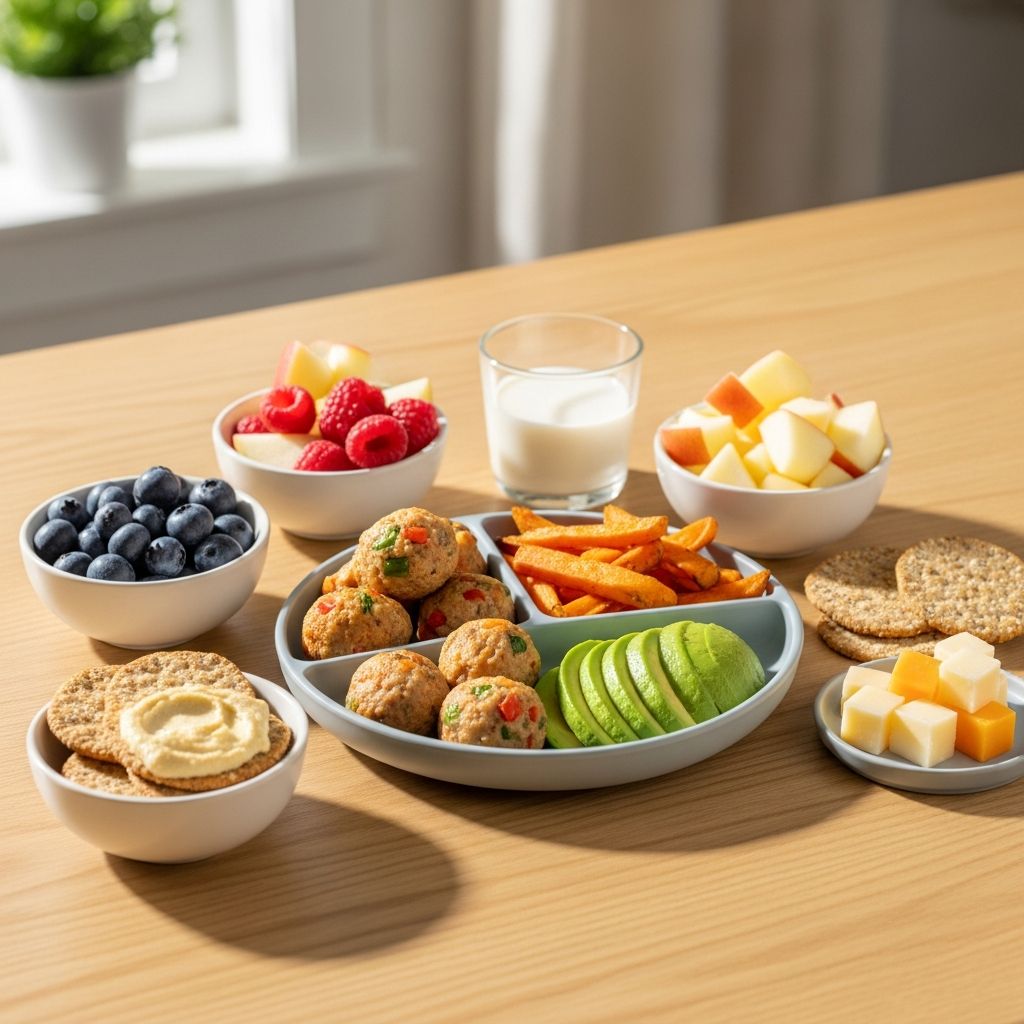
Toddlers between ages 1 and 3 require about 1,000 to 1,400 calories daily, with meals emphasizing whole foods for brain development, bone health, and steady energy, according to USDA guidelines on child nutrition.
Why Quick Meals Matter for Toddler Development
Rapid growth phases demand consistent nutrient intake: proteins for muscle building, healthy fats for brain function, complex carbs for sustained play energy, and vitamins from fruits and veggies for immunity. The American Academy of Pediatrics stresses balanced plates to prevent picky eating and deficiencies. Time-strapped parents can succeed with no-cook assemblies or 15-minute preps using pantry staples, reducing stress while modeling healthy habits.
Essential Building Blocks of Toddler Plates
Construct every meal with these components for completeness:
- Protein (25-30% plate): Eggs, cheese, yogurt, beans, fish, poultry, or nut butters for growth and satiety.
- Complex Carbs (25-30%): Whole grains like oats, quinoa, brown rice, or bread for lasting fuel.
- Fruits & Veggies (40-50%): Fresh, frozen, or pouched for fiber, vitamins A/C, and antioxidants.
- Healthy Fats: Avocado, seeds, olive oil to aid nutrient absorption.
Portion sizes: 1-2 oz protein, 1/4 cup grains, 2-4 tbsp produce per year of age. Always supervise to prevent choking on grapes, nuts, or popcorn.
Speedy Breakfast Ideas to Kickstart the Day
Mornings set the tone; these options assemble in 5-10 minutes.
Nut Butter Toast Trio
Toast whole-grain bread lightly, spread with almond or sunflower butter (nut-free option), top with banana slices or berries. Pair with whole milk or fortified plant milk. This delivers 10g protein, potassium, and B vitamins for focus during playtime.
Egg Taco Surprise
Scramble one egg with shredded cheese in a warmed corn tortilla. Dice alongside strawberries and cucumber sticks. Fun finger-food format encourages self-feeding; provides iron from egg yolk essential for oxygen transport.
Build-Your-Own Parfait
Layer full-fat Greek yogurt with granola, chopped apple, and chia seeds. Let toddlers add toppings for engagement. High in probiotics for gut health and calcium for strong bones.
Blended Fruit Power Smoothie
Blend frozen berries, spinach, yogurt, and oat milk; serve with dry cheerios on the side. Sneaks in greens unnoticed; fiber aids digestion.
| Breakfast | Prep Time | Key Nutrients |
|---|---|---|
| Nut Butter Toast | 5 min | Protein, Vit E |
| Egg Taco | 8 min | Iron, Calcium |
| Parfait | 4 min | Probiotics, Fiber |
| Smoothie | 3 min | Vit C, Antioxidants |
Effortless Lunches for On-the-Go Energy
Lunch fuels midday adventures; focus on portable, no-reheat packs.
Melty Cheese Quesadilla
Microwave flour tortilla stuffed with cheddar and black beans; slice into wedges with carrot sticks and pineapple chunks. Ready in 90 seconds, it’s protein-rich and reheats well for daycare.
Egg Snack Platter
Halve a hard-boiled egg, add whole-grain crackers, hummus, and pear slices. Customizable with leftovers; omega-3s from egg support cognitive growth.
Pouch and Cracker Combo
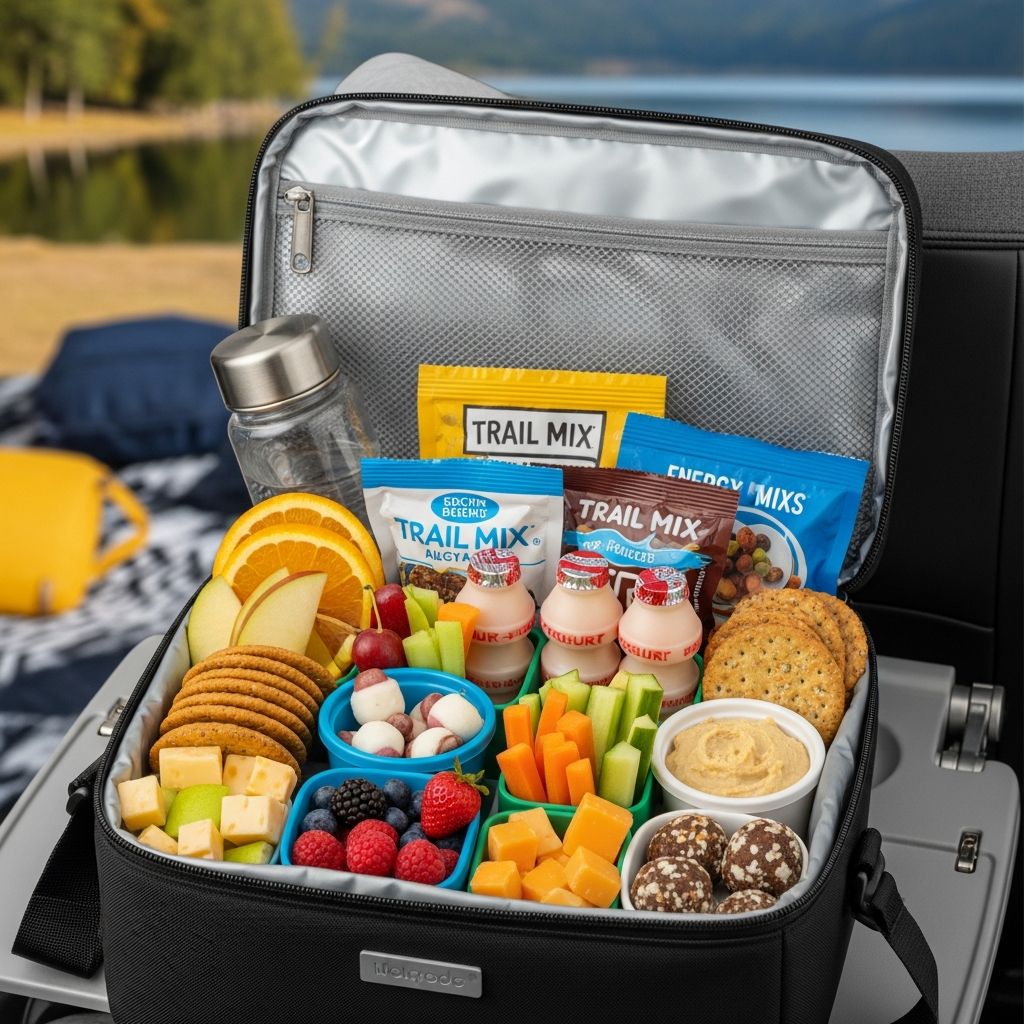
Pair fruit-veggie pouch with seed crackers and cheese cubes. Convenient for errands; boosts veggie intake without battle.
Hummus Veggie Wrap
Spread hummus on whole-wheat tortilla, roll with cucumber, bell peppers, and turkey slices. Under 5 minutes; chickpeas offer plant protein and folate.
Simple Dinners the Whole Family Loves
Evenings call for shared plates; these one-pan wonders minimize cleanup.
Sheet Pan Sausage Medley
Toss chicken-apple sausage, frozen broccoli, sweet potato chunks on a tray; bake 20 minutes at 400°F. Lean protein pairs with vitamin A-rich veggies.
Quinoa Taco Bowl
Mix cooked quinoa with ground turkey, corn, tomatoes, and mild spices; top with avocado. One-skillet in 15 minutes; quinoa provides complete protein.
Salmon Sweet Potato Patties
Mash canned salmon with mashed sweet potato, form patties, air-fry 10 minutes. Omega-3 fatty acids crucial for heart and brain health per NIH research.
Cheesy Veggie Pasta
Boil pasta, stir in peas, cottage cheese, and parmesan. Vegetarian delight with 15g protein per serving.
Snack Smart: Fuel Between Meals
Two snacks daily bridge hunger gaps; aim for protein + produce.
- Yogurt with berries and pumpkin seeds.
- Apple slices dipped in peanut butter.
- Cheese stick, grapes (halved), whole-grain pretzels.
- Cottage cheese with cherry tomatoes.
- Mini muffin tin with hummus, cucumber, crackers.
Snacks prevent meltdowns; USDA recommends 100-175 calories each.
Tips for Picky Eaters and Busy Schedules
Introduce variety gradually; involve kids in prep for buy-in. Batch-cook grains weekly. Use cookie cutters for fun shapes. Track intake via apps aligned with MyPlate.gov. For allergies, swap nuts for seeds, dairy for fortified alternatives.
Nutrition Guidelines from Trusted Authorities
The CDC’s toddler feeding guide emphasizes iron-rich foods post-12 months to combat anemia risks. Whole milk until age 2 supports fat-soluble vitamin absorption, transitioning to low-fat later.
Frequently Asked Questions
At what age can toddlers have honey or cow’s milk?
Wait until 12 months for both to avoid botulism and digestive issues.
How often should toddlers eat?
Three meals plus 2-3 snacks, every 2-3 hours, totaling 1,000+ calories.
What if my toddler refuses veggies?
Hide in smoothies/sauces, offer dips, repeat exposure 10-15 times without pressure.
Are pouches healthy?
Yes in moderation; choose low-sugar, pair with solids for chewing practice.
Can I use frozen produce?
Absolutely—often more nutrient-dense, picked at peak ripeness.
These strategies ensure your little one thrives amid chaos. Experiment to find favorites, prioritizing joy at the table.
References
- Nutrition and Your Toddler (1–3 Years Old) — Centers for Disease Control and Prevention. 2024-02-15. https://www.cdc.gov/nutrition/infantandtoddlernutrition/foods-and-drinks/index.html
- Toddler Nutrition — USDA MyPlate.gov. 2025-01-10. https://www.myplate.gov/life-stages/toddlers
- Sample Menu for a Toddler — American Academy of Pediatrics. 2023-11-20. https://www.healthychildren.org/English/ages-stages/toddler/nutrition/Pages/Sample-One-Day-Menu-for-a-Toddler.aspx
- Dietary Guidelines for Americans, 2020-2025: Infants and Toddlers — U.S. Department of Health and Human Services. 2020-12-01. https://www.dietaryguidelines.gov/sites/default/files/2020-12/Dietary_Guidelines_for_Americans_2020-2025.pdf
- Iron Needs of Babies and Children — NIH Office of Dietary Supplements. 2024-06-05. https://ods.od.nih.gov/factsheets/Iron-HealthProfessional/