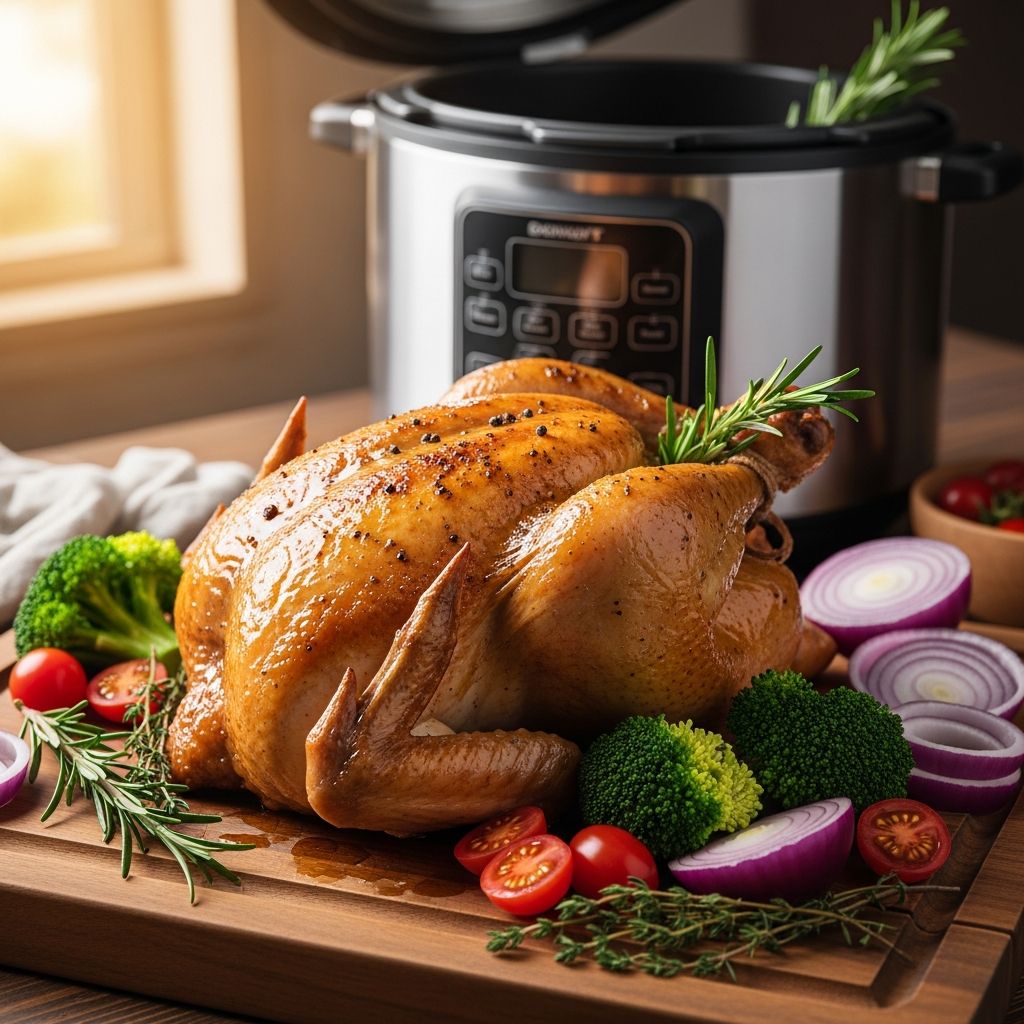
Pressure cookers have changed how busy families get dinner on the table, and chicken might be the easiest place to start. With a few pantry staples and simple techniques, you can turn basic chicken pieces into tender, flavorful meals that taste like they simmered all afternoon but were ready in a fraction of the time.
This guide focuses on approachable, flexible pressure cooker chicken ideas rather than fussy restaurant-style recipes. Whether you are juggling kids’ homework, late work calls, or just a long day, these strategies will help you serve homemade meals with far less stress.
Why Pressure Cooker Chicken Works So Well for Families
Chicken is affordable, widely available, and familiar to most eaters, making it a reliable base for family dinners. A pressure cooker locks in steam and heat, cooking chicken quickly while trapping moisture, which helps prevent the dry, stringy texture that can happen with high-heat roasting or pan-frying.
Because the cooking environment is enclosed, you can build flavor directly in the pot with broth, seasonings, and vegetables. The cooking liquid becomes a ready-made sauce or soup base, giving you multiple components of the meal in one step.
Essential Equipment and Ingredients
You do not need a kitchen full of gadgets to make great pressure cooker chicken, but a few basics make the process smoother and more consistent.
Core Equipment
- A modern electric pressure cooker with clearly labeled pressure, sauté, and keep-warm functions.
- A metal or silicone trivet for lifting chicken above the liquid when you want it to steam rather than simmer.
- Heat-safe measuring cups and spoons for accurate liquid and seasoning amounts.
- Tongs for turning chicken and safely removing hot pieces from the pot.
Staple Pantry Ingredients
Keeping a few versatile ingredients on hand provides endless flavor combinations without complicated shopping lists.
- Chicken pieces: boneless breasts, thighs, drumsticks, or bone-in mixed pieces.
- Liquid: low-sodium chicken broth, water, or a mix with canned tomatoes.
- Fat: olive oil or neutral oil for sautéing aromatics and browning chicken.
- Aromatics: onion, garlic, shallots, or leeks for a flavorful base.
- Seasonings: salt, pepper, dried herbs, smoked paprika, chili powder, cumin, or Italian seasoning blends.
- Optional enrichers: coconut milk, cream, yogurt, or tomato paste for thicker sauces.
Timing Guide for Common Chicken Cuts
Cooking times in a pressure cooker depend mostly on thickness, bone-in or boneless cuts, and whether the chicken is fresh or frozen. Always ensure the cooker reaches full pressure before the timer starts, and check that the chicken is fully cooked before serving.
| Cut | Fresh (High Pressure) | Frozen (High Pressure) | Best Uses |
|---|---|---|---|
| Boneless chicken breasts | 7–10 minutes | 10–14 minutes | Shredded chicken, salads, sandwiches |
| Boneless chicken thighs | 9–12 minutes | 13–16 minutes | Curry, tacos, rice bowls |
| Bone-in thighs or drumsticks | 12–15 minutes | 16–20 minutes | Family-style platters, saucy dishes |
| Whole chicken (3–4 lb / 1.4–1.8 kg) | 20–25 minutes | 25–30 minutes | Carved dinners, leftovers |
These times assume enough liquid in the pot and that pieces are in a single layer when possible. Thicker pieces or very tightly packed layers may need a few extra minutes. When in doubt, you can always return chicken to pressure for 2–3 additional minutes.
Step-by-Step Formula for Reliable Chicken Every Time
Instead of memorizing dozens of recipes, use a simple process you can adapt to whatever ingredients you have. Think of it as a flexible template that covers most everyday dishes.
Basic Cooking Method
- Season first: Pat chicken dry and season with salt, pepper, and any dry spices you like.
- Sauté aromatics: Use the sauté function to soften onions and garlic in oil until fragrant.
- Deglaze the pot: Pour in a small splash of broth and scrape up any browned bits so nothing burns.
- Add chicken and liquid: Nestle chicken into the pot, then add enough broth or liquid to reach the minimum level recommended by your cooker manual.
- Seal and cook: Close the lid, set the valve to sealing, and cook at high pressure following the timing guide for your cut.
- Release pressure: For tender but not overcooked chicken, let some dishes rest for a few minutes before manually releasing pressure. For soups and shreddable meat, natural release often gives the best texture.
- Finish and taste: Remove chicken and adjust the sauce by simmering, thickening, or adding fresh herbs and acid (like lemon juice) at the end.
Flavored Chicken Ideas for Busy Weeknights
Once you understand the basic method, you can plug in different flavor profiles without changing your cooking process much. Below are simple, family-friendly concepts rather than strict recipes so you can adapt to what is in your kitchen.
Comforting Creamy Herb Chicken
This style works well with boneless thighs or breasts and makes a cozy sauce to spoon over potatoes, noodles, or rice.
- Sauté onion and garlic, then add dried thyme, parsley, and a pinch of nutmeg.
- Cook chicken with broth until done, then stir in cream, Greek yogurt, or a dairy-free alternative at the end.
- Finish with fresh herbs and a squeeze of lemon for brightness.
Simple Salsa Chicken for Tacos and Bowls
Salsa chicken is extremely forgiving and perfect for meals that need to stretch over several days or feed a crowd. The main idea is to let salsa stand in for much of the seasoning and liquid.
- Combine boneless chicken with jarred salsa, a bit of broth, cumin, and chili powder.
- Cook, then shred right in the pot so the meat soaks up the flavorful juices.
- Serve in tacos, burrito bowls, quesadillas, or over roasted vegetables.
One-Pot Lemon and Garlic Chicken
This approach creates a bright, tangy sauce that pairs well with vegetables and grains. Bone-in pieces hold up nicely and bring extra flavor to the cooking liquid.
- Sauté plenty of garlic, then add lemon zest, a few lemon slices, and dried oregano.
- Pressure cook with broth until the chicken is tender.
- Whisk in a little butter or olive oil at the end for a silky sauce.
Turning Chicken and Staples into One-Pot Meals
One of the biggest advantages of pressure cooker chicken is the ability to cook your protein and sides together. With a bit of planning, you can cook grains or sturdy vegetables along with the chicken, transforming a simple idea into a complete meal.
Chicken with Rice or Grains
Rice and grains work especially well because they cook in flavored broth, absorbing the spices and juices from the chicken. The key is matching the cooking time of the grain to the type of chicken you use.
- Use boneless thighs or small pieces of chicken when pairing with white rice, which cooks relatively quickly.
- Consider parboiling or partially cooking brown rice or farro before adding if your chicken cut cooks faster than the grain.
- Avoid very thick or large frozen pieces when cooking grains in the same cycle, as uneven cooking can occur.
Chicken with Vegetables
Vegetables can go in with the chicken, but their sturdiness matters. Some vegetables turn to mush under pressure, while others become pleasantly tender.
- Add dense vegetables like carrots, potatoes, and parsnips with the chicken at the start of cooking.
- Stir in quick-cooking vegetables, such as peas, spinach, zucchini, or bell peppers, after releasing pressure, using the residual heat to soften them.
- Consider layering: chicken on the bottom with hearty veg and a steaming rack above for delicate items in a heatproof dish.
Making the Most of Leftover Pressure Cooker Chicken
One batch of chicken can easily become several different meals throughout the week, which saves time and reduces food waste. Neutral seasonings on the first night make it easier to transform leftovers into entirely new dishes later.
Repurposing Shredded or Chopped Chicken
- Use shredded chicken in enchiladas, stuffed baked potatoes, or quick skillet fried rice.
- Add chopped chicken to soups, grain salads, or pasta dishes for easy protein.
- Mix with a light dressing and crunchy vegetables for chicken salad sandwiches or lettuce wraps.
Freezer-Friendly Ideas
Pressure cooker chicken also freezes well, making it a useful component for batch cooking. Freezing in small portions gives you flexibility for both lunches and dinners.
- Portion shredded chicken into labeled freezer bags with some of the cooking liquid for moisture.
- Freeze in flat layers to save space and allow faster thawing.
- Use frozen cooked chicken in casseroles, soups, and skillet meals where it will reheat gently.
Kid-Friendly Flavor Twists
Families often juggle different taste preferences at the same table. Simple, mild base recipes can be “dressed up” individually at serving time so everyone eats essentially the same main dish with custom flavors.
- Start with lightly seasoned chicken and offer sauces on the side, such as barbecue, honey mustard, mild buffalo, or teriyaki.
- Serve chicken in different formats: sliced over pasta for one child, shredded in a soft tortilla for another, and on a salad for adults.
- Let kids choose their own toppings like shredded cheese, avocado, salsa, or crunchy vegetables to build buy-in and reduce mealtime battles.
Safety, Texture, and Troubleshooting Tips
Because pressure cookers operate at high temperatures and hold steam under pressure, safe usage and attention to texture make a big difference in both confidence and final results. A few small habits will help your chicken turn out juicy and reliable.
Safety Basics
- Always check the sealing ring and steam release components before cooking to ensure they are clean and properly placed.
- Use enough liquid to reach your cooker’s minimum requirement so it can come to pressure without triggering safety shutoffs.
- Keep hands and face away from the steam path when manually releasing pressure, and consider using a long utensil to turn the valve.
Preventing Dry or Rubbery Chicken
Overcooking is the most common culprit behind tough chicken. Pressure cookers are powerful, so even a few extra minutes can noticeably affect texture, especially for lean cuts like boneless breasts.
- Choose thighs or bone-in pieces when possible, as they tolerate longer cooking better than breasts.
- Avoid stacking thick, uneven chicken pieces; slice very thick breasts in half to even out cooking.
- Allow a short natural release (a few minutes) for most cuts, which lets juices redistribute instead of forcing them out with a rapid pressure drop.
Frequently Asked Questions
Can I cook frozen chicken directly in the pressure cooker?
Yes, frozen chicken can go straight into the pressure cooker as long as the pieces are separated rather than one solid block. You will generally need to add a few extra minutes of cook time compared to fresh cuts, and it is especially important to check that all pieces are fully cooked before serving.
How do I know if my chicken is fully cooked?
The most reliable way to check doneness is with a digital thermometer inserted into the thickest part of the meat, avoiding bones. The temperature should reach the safe recommended level, and juices should run clear rather than pink when pierced.
Why is there so much liquid after cooking, and what can I do with it?
Chicken naturally releases juices under pressure, often adding to the broth or water you started with. That flavorful liquid can be thickened into gravy, used as a soup base, or cooled and frozen for future recipes that call for chicken stock.
Can I crisp the skin on pressure cooked chicken?
Pressure cooking will not produce crispy skin on its own because of the steamy environment. To add texture, transfer cooked chicken to a hot oven or broiler for several minutes, optionally brushing with sauce or oil to encourage browning.
Is it safe to leave cooked chicken in the pressure cooker on keep-warm?
Most models maintain a safe temperature on the keep-warm setting, but texture can suffer if chicken sits for a very long time. For best results, transfer cooked chicken to a serving dish within an hour or so and store any leftovers promptly in the refrigerator.