Becoming a parent changes everything, including the way you think about dinner. Before kids, skipping meals or eating cereal at 9 PM was inconvenient. After kids, it can feel like a crisis. This guide is designed to help overwhelmed parents feed themselves and their families with less stress, more support, and a lot more grace.
Why Feeding Yourself Matters More After Kids
In the blur of diapers, nap schedules, and midnight wakeups, parents often slide their own meals to the bottom of the priority list. Yet steady, nourishing food is one of the foundations that allows you to care for your children with patience and energy.
Feeding yourself well does not mean cooking elaborate dinners. It means having realistic, repeatable ways to get food on the table—even if that table is the coffee table, and even if the food started in your freezer. When you see mealtimes as a form of self-care instead of another performance test, the pressure melts away and your creativity has room to grow.
The Emotional Load of Dinner for Parents
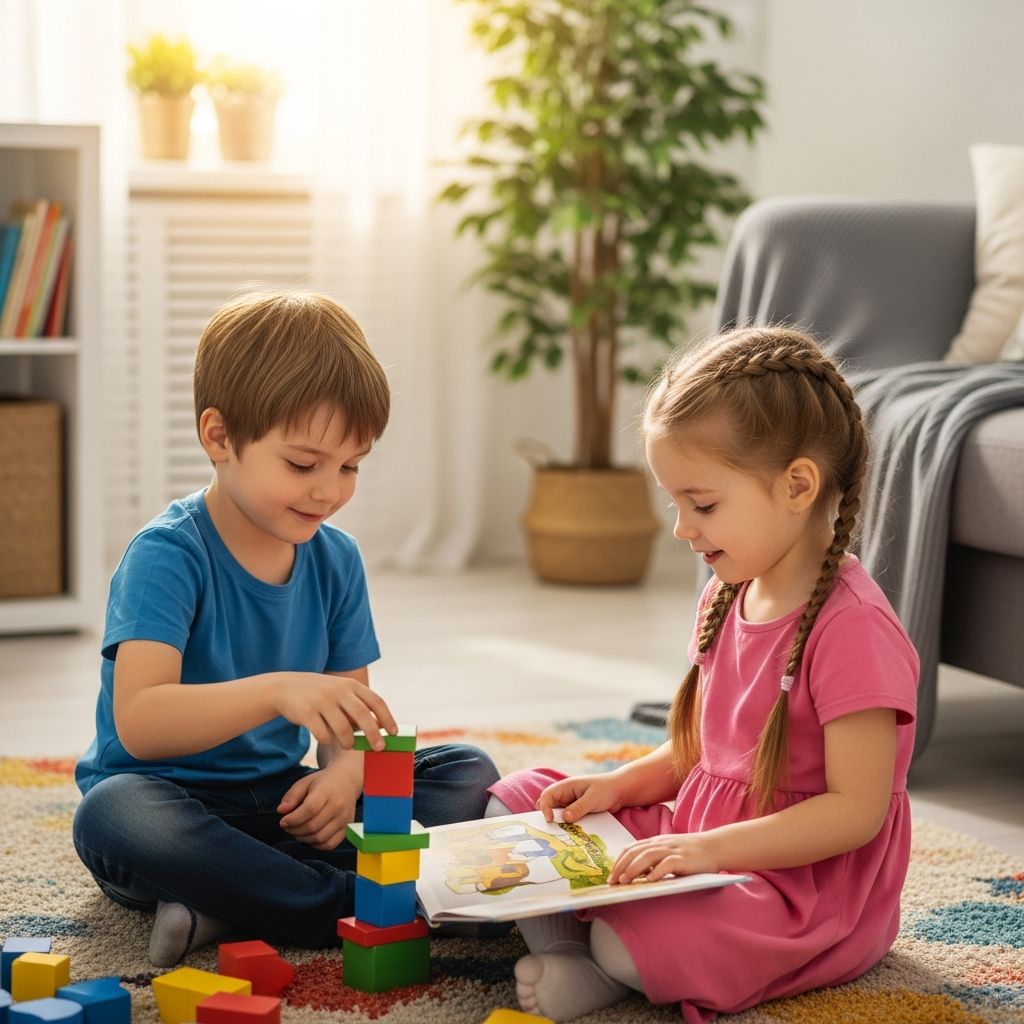
Many parents picture family dinner as a calm, happy scene: everyone seated, home-cooked food, meaningful conversation. Real life brings fussy babies, picky toddlers, late commutes, and dishes stretching from the sink to the stove. The gap between the dream and the reality can create shame and frustration.
Letting go of perfection and embracing “good enough” meals is a powerful mindset shift. Dinner does not have to look like a magazine photo to be successful. If food is reasonably nourishing, mostly safe, and everyone leaves the table a little less hungry and a little more connected, that is a win.
- Stop comparing your dinners to what you see on social media or in cookbooks.
- Measure success by: Did we eat something? Did I reduce chaos a little? Did I show myself some kindness?
- Remember that routines evolve; what works with a baby will look different from what works with a school-age child.
Principles of Sanity-Saving Family Cooking
Instead of chasing individual recipes, start by building a few core principles that fit your family’s reality. These ideas will guide your meal choices no matter what is on your calendar.
Keep Meals Modular
Modular meals are built from flexible components that can be combined in different ways. Think of a formula like: base + protein + vegetable + flavor. This structure lets you adapt dinner to different ages, preferences, and energy levels without fully starting from scratch each night.
Examples of modular components include cooked grains, roasted or steamed vegetables, cooked chicken or beans, and easy sauces or dressings. Once these are prepped, the same batch can turn into bowls, wraps, salads, or kid-friendly finger plates.
Cook Once, Eat Multiple Times
When energy and time are scarce, repetition is your friend. Instead of planning five completely different meals, intentionally repeat ingredients and dishes through the week. Doubling a recipe or prepping a few foundational ingredients is often easier than making something new each day.
This approach also simplifies your grocery list and reduces food waste. Knowing that Wednesday’s lunch comes from Monday’s dinner lowers mental load and makes you less likely to default to takeout because you are too tired to decide what to eat.
Lower the Bar on “From Scratch”
There is no merit badge for making every element of your meals from scratch. Smart shortcuts—like jarred sauces, frozen vegetables, rotisserie chicken, precut produce, and parbaked breads—can be the difference between cooking at home and giving up altogether.
Think of convenience items as building blocks, not failures. You are still the one combining, seasoning, and serving the meal in a way that works for your family’s needs and schedule.
Time-Saving Tools and Shortcuts That Actually Help
The right tools and habits can cut your active cooking time dramatically. You do not need every gadget, but a few thoughtfully chosen helpers can turn dinnertime from overwhelming to manageable.
- Slow cooker or pressure cooker: Hands-off cooking while you do bath time, bedtime, or work emails.
- Sheet pans: Toss protein and vegetables with oil and seasoning, roast, and dinner is done with one pan to wash.
- Large lidded skillet: Perfect for one-pan meals like quick pastas, sautés, and skillet stews.
- Quality food containers: Make it easier to store leftovers, freeze future meals, and pack lunches quickly.
- Big cutting board and sharp knife: A simple upgrade that speeds up prep more than most fancy gadgets.
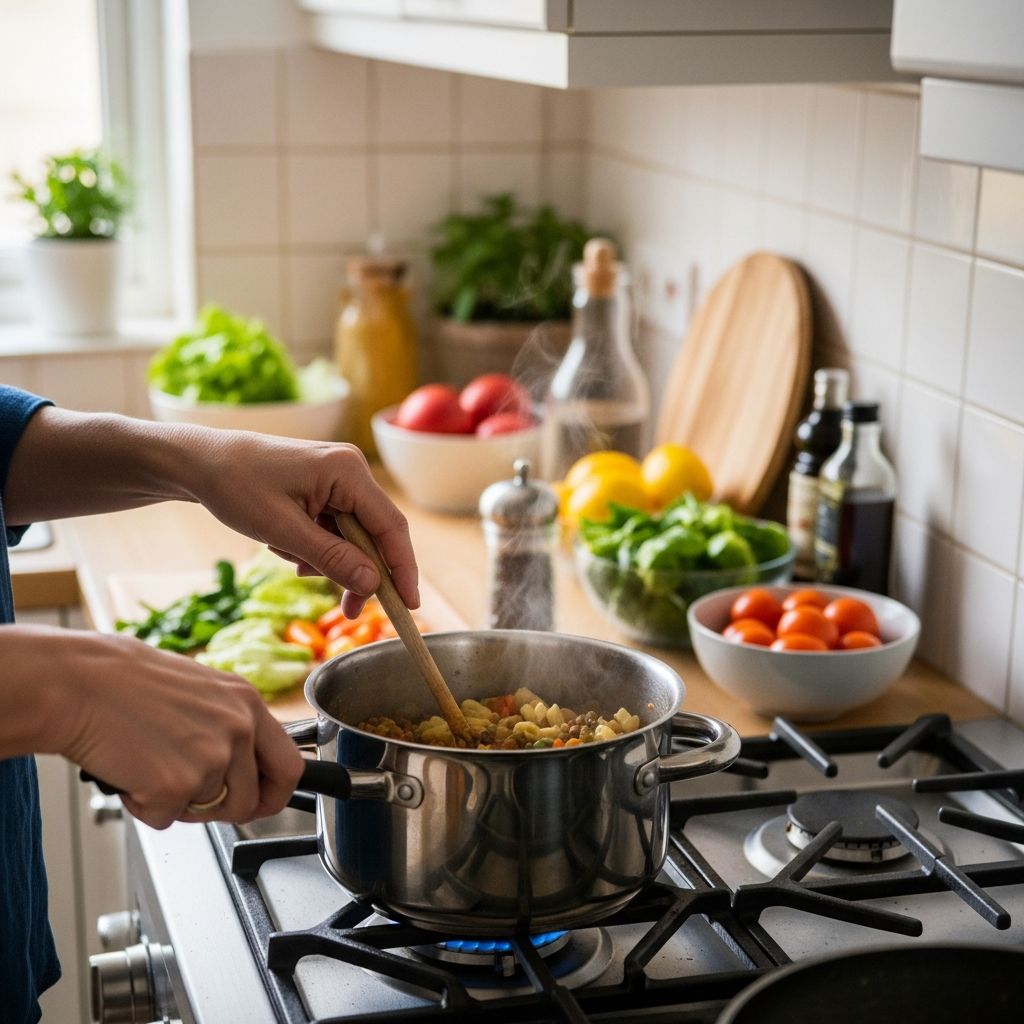
Combine tools with small habits, such as starting rice or pasta as soon as you walk in the door, or chopping a double batch of onions and carrots on the weekend to use in several recipes. These micro-routines quickly add up to meaningful time savings.
Sample Flexible Meal Frameworks for Busy Parents
Instead of rigid meal plans, try loose frameworks that can flex with your family’s needs and grocery store availability. Each framework can be filled with whatever ingredients you have on hand.
| Framework | Basic Formula | Parent Perks |
|---|---|---|
| One-Bowl Dinners | Grain or starch + protein + vegetables + sauce in a bowl | Easy to customize for different eaters; great for leftovers |
| Sheet Pan Suppers | One pan of seasoned protein and vegetables roasted together | Minimal dishes and hands-off cooking time |
| Snack Plates | Array of small items: cheese, crackers, veggies, dips, fruit, nuts | No cooking required and ideal for low-energy nights |
| Freezer Rescue Meals | Pre-portioned stews, sauces, or casseroles reheated with a side | Zero decision-making on the hardest days |
| Breakfast-for-Dinner | Eggs, toast, fruit, and simple sides | Quick, kid-friendly, and uses pantry staples |
Pick one or two frameworks to repeat every week, such as “sheet pan Monday” or “breakfast-for-dinner Thursday.” Predictability reduces mental effort and helps kids feel secure about what to expect at mealtime.
Making the Freezer Your Best Co-Parent
The freezer is one of the most powerful tools for parents. Treat it not as a graveyard for forgotten leftovers but as a curated stash of help for your future self. A well-stocked freezer can turn a night of total fatigue into a night of home-cooked comfort.
What to Keep in Your Parent Survival Freezer
- Cooked grains and beans: Freeze flat in bags or in small containers for fast reheating.
- Portioned sauces and soups: Tomato sauce, curry base, broth-heavy soups, and chilis are ideal.
- Ready-to-bake items: Unbaked meatballs, marinated chicken pieces, or vegetable patties.
- Frozen vegetables and fruit: Perfect for quick sides, smoothies, and last-minute stir-fries.
- Pre-made breakfast items: Pancakes, waffles, or muffins that can move from freezer to toaster or microwave.
Label everything with the name and date so you do not have to guess what it is when you are tired. Aim to use frozen items regularly so they cycle through and do not linger indefinitely.
Inviting Real Help From Friends and Family
Many new parents hear, “Let me know if you need anything,” and have no idea how to answer. Food is one of the most concrete and helpful forms of support that friends and family can offer. Allowing others to feed you is not a sign of weakness; it is an investment in your well-being and your baby’s.
When loved ones ask how they can help, respond with specific, low-ambition requests:
- “Could you bring a double batch of something that reheats well, like soup or baked pasta?”
- “Would you be willing to drop off cut-up fruit and snack veggies for the week?”
- “We would love a delivery of rotisserie chicken, salad, and bread—no need to cook from scratch.”
If your community is enthusiastic, consider setting up a shared calendar for meal drop-offs with clear guidelines about timing, food preferences, allergies, and portion sizes. This avoids overlap and ensures that support extends beyond the first week.
Cooking With Babies and Toddlers in the Mix
Cooking with small children around rarely looks like the peaceful scenes in advertisements. It might involve wearing your baby in a carrier, chopping vegetables while someone tugs at your leg, or narrating your steps to a curious toddler. Safety and simplicity should always come first.
Strategies for Cooking Around Kids
- Use containment wisely: High chairs, playpens, or a safe gated area with toys let you move quickly while still keeping eyes on your child.
- Prep in micro-bursts: Chop vegetables during nap, cook grains during a quiet play stretch, assemble the final dish when another adult is home.
- Introduce simple kitchen tasks: Toddlers can wash produce, tear lettuce, or stir cool ingredients, building skills and interest.
- Embrace partial prep: Even washing and chopping items earlier in the day can turn chaotic evenings into manageable ones.
Remember that this season is temporary. As your children grow, they can participate more actively, eventually becoming true helpers rather than adorable obstacles.
Balancing Adult Tastes and Kid Preferences
One of the biggest challenges for parents is cooking food that both adults and kids want to eat. It is easy to slip into a pattern of separate meals, but that quickly becomes exhausting. Instead, aim for a shared base meal with small tweaks for different appetites and comfort levels.
Practical Ways to Share One Meal
- Serve certain elements “deconstructed,” such as plain pasta with sauce on the side, or taco ingredients laid out separately.
- Offer a simple, familiar side at most dinners, like bread, rice, or fruit, so cautious eaters always see something they recognize.
- Adjust seasoning at the table with hot sauce, extra herbs, or cheese instead of making two versions of the same dish.
- Respect your own palate: make sure there is at least one component that feels satisfying and flavorful to you.
Over time, repeated exposure to family foods gently nudges kids toward broader tastes, without pressure or bribes. Meanwhile, parents avoid the burnout of acting like short-order cooks.
Building a Gentle Weekly Meal Rhythm
Highly detailed meal plans often fall apart the first time your child gets sick or you hit traffic. A gentler rhythm, built around themes rather than specific recipes, tends to survive real life. The goal is not rigidity but a sense of predictable flow.
Here is an example of a breathable weekly rhythm you can customize:
- Monday: One-bowl dinner using weekend leftovers or cooked grains and vegetables.
- Tuesday: Hands-off cooking (slow cooker, pressure cooker, or sheet pan).
- Wednesday: Quick stovetop meal like pasta, stir-fry, or skillet beans.
- Thursday: Breakfast-for-dinner with eggs, toast, and fruit.
- Friday: Intentional simple night: sandwiches, snack plates, or planned takeout.
- Weekend: One bigger-cook session to stock the freezer and prep components.
Use this as a starting point, not a rulebook. Adjust for work schedules, cultural food traditions, and your family’s preferences. The rhythm should support you, not the other way around.
Frequently Asked Questions About Parents and Cooking
What if I hate cooking but still want my family to eat well?
You do not have to enjoy cooking to feed your family. Focus on extremely simple, repeatable meals that require minimal decision-making and cleanup. Think rotisserie chicken with bagged salad, frozen vegetables with microwavable grains, or sandwiches loaded with protein and vegetables. It is completely valid to rely on shortcuts, store-bought items, and the occasional prepared meal.
How can I avoid spending my entire weekend cooking?
Instead of marathon meal prep, use “tiny prep” moments woven into your existing schedule. While your coffee brews, chop one onion and a few carrots for later. When the baby is happily playing, cook a pot of rice or quinoa. Double recipes when you do cook and immediately freeze half. Over time, these small efforts build a safety net of ready-to-use ingredients and meals.
Is it okay to serve the same meals over and over?
Yes. Repetition is normal, especially during demanding parenting seasons. Most children find comfort in predictable foods, and adults benefit from fewer decisions. As long as your basic nutrition needs are met and you are not relying solely on highly processed options, repeating a rotation of five to ten dinners is completely reasonable.
What if my child hardly eats what I make?
This is a common and stressful experience. Offer a small portion of the family meal alongside one or two safe foods your child usually accepts, and try not to pressure them to eat. Appetite varies day to day, and it can take many exposures before a child is willing to taste or enjoy a new food. Your job is to decide what, when, and where to serve; your child’s job is to decide whether and how much to eat.
How do I manage meals when both parents work late?
When time is tight, prioritize food that is easy to assemble and safe to eat at flexible times. Keep a stash of individual portions in the freezer, such as soup, stews, or single-serving casseroles. Pair these with simple sides like fruit, toast, or prewashed greens. If possible, share the workload with a partner by alternating cooking days, dividing tasks such as shopping and prep, or scheduling a regular night for takeout to relieve pressure.
Giving Yourself Permission to Do Less
The goal of feeding your family is not to impress anyone or win an invisible competition. It is to support your household with steady, dependable nourishment while protecting your own mental and physical health. Some seasons of parenting invite creativity in the kitchen; others call for the simplest possible solutions.
When you choose frozen vegetables over fast food, accept a friend’s casserole, or serve scrambled eggs and toast for the third night this week, you are not failing. You are adapting. That adaptability is one of the most powerful skills a parent can have—at the table and far beyond it.