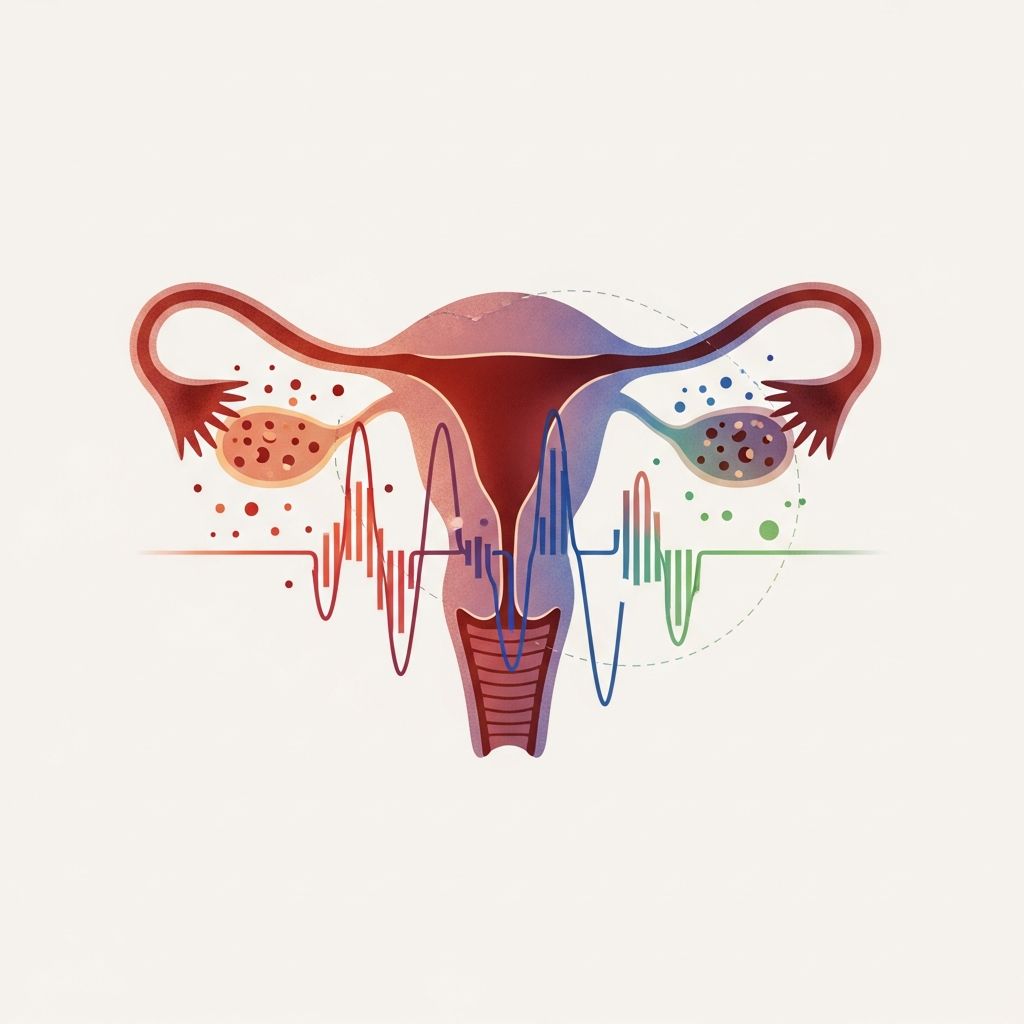
Vaginal discharge naturally increases during early pregnancy due to elevated estrogen and progesterone levels, typically appearing as thin, clear, or milky white fluid known as leukorrhea. This change helps maintain vaginal health and protect the developing fetus from infections.
Why Does Discharge Increase in the First Trimester?
The body ramps up mucus production shortly after conception to create a protective barrier in the cervix. Hormonal surges cause vaginal walls to thicken, boosting blood flow and fluid secretion. This process starts almost immediately post-implantation and persists throughout pregnancy.
Key factors driving this include:
- Estrogen rise: Stimulates cervical glands to produce more slippery mucus, similar to fertile cervical mucus but sustained longer.
- Progesterone influence: Thickens discharge slightly, making it creamy while supporting uterine lining growth.
- Increased vascularity: Softens tissues and enhances secretion volume for infection prevention.
Normal Characteristics of Early Pregnancy Discharge
Healthy discharge in weeks 1-12 is usually odorless or mildly scented, non-irritating, and varies from watery to thick. Volume can increase noticeably, requiring frequent panty liner changes without concern.
| Feature | Normal Appearance | Purpose |
|---|---|---|
| Color | Clear, white, or milky | Maintains pH balance |
| Texture | Thin, stretchy, or creamy | Flushes out bacteria |
| Odor | Mild or none | Indicates healthy flora |
| Amount | Increased but consistent | Protects against pathogens |
Some experience egg-white-like discharge early on, mimicking ovulation due to estrogen peaks, but it lacks the brief duration of mid-cycle mucus.
How Pregnancy Discharge Differs from Pre-Period Changes
Distinguishing cycle phases from pregnancy relies on consistency, timing, and accompanying signs. Pre-period discharge often thickens to sticky white under progesterone dominance, drying before flow starts.
| Aspect | Pre-Period | Early Pregnancy |
|---|---|---|
| Timing | Late luteal phase | Post-conception onward |
| Consistency | Thick, sticky, minimal | Abundant, milky/stretchy |
| Symptoms | PMS cramps, mood swings | Fatigue, nausea, tender breasts |
Pregnancy discharge tends to persist and grow, unlike the abrupt drop before menstruation.
Potential Warning Signs and Abnormal Discharges
While most changes are benign, certain traits signal issues needing prompt evaluation. Infections rise in pregnancy due to pH shifts and immunity adjustments.
- Foul odor: Fishy (bacterial vaginosis) or yeasty smells indicate imbalance.
- Discoloration: Yellow, green, gray, or frothy suggests trichomoniasis, chlamydia, or gonorrhea.
- Texture issues: Clumpy like cottage cheese points to yeast infections (thrush).
- Blood-tinged: Light pink may be implantation; heavier or with pain warrants checking for miscarriage or ectopic risks.
- Associated discomfort: Itching, burning, swelling, fever, or pelvic pain requires immediate care.
Sudden gushes of watery fluid could mean amniotic leak, especially with contractions.
Hormonal and Physiological Mechanisms at Play
Post-implantation, the corpus luteum and later placenta secrete hormones transforming the reproductive tract. Estrogen prompts clear, fertile-type mucus; progesterone adds creaminess for plug formation—a bacterial seal.
This leukorrhea flushes pathogens, stabilizes pH (around 4.0-4.5), and nourishes beneficial lactobacilli. Variations occur individually, influenced by hydration, diet, and activity.
Tracking and Managing Discharge Effectively
Monitor via daily checks: note color, smell, amount, and symptoms in a journal or app. Wear cotton underwear, avoid douching/scented products, and stay hydrated to support normal patterns.
- Use unscented liners for absorption.
- Practice gentle hygiene with water or mild soap.
- Probiotics may aid flora balance, per doctor approval.
Pregnancy tests confirm suspicions alongside discharge shifts; ultrasound verifies viability if concerns arise.
Common Myths and Facts About Pregnancy Mucus
Myth: Egg-white discharge always means ovulation. Fact: Pregnancy hormones can replicate it briefly.
Myth: All increased discharge is infection. Fact: Leukorrhea is protective and normal.
Myth: Discharge confirms pregnancy alone. Fact: Tests are essential; symptoms vary.
Frequently Asked Questions
Is milky white discharge a reliable pregnancy sign?
It’s common due to estrogen but not diagnostic—pair with tests and symptoms like missed periods.
What if discharge smells bad during early pregnancy?
Contact your provider; it may signal bacterial vaginosis or STI needing treatment.
Can clear watery discharge indicate issues?
Usually normal, but gushing with cramps could be amniotic fluid—seek evaluation.
Does discharge volume predict baby’s sex?
No scientific basis; it’s hormonally driven regardless of gender.
How does discharge evolve later in pregnancy?
Increases further, forming the mucus plug near term; report losses.
Steps to Take if You Notice Changes
Prompt reporting ensures safety. Telehealth or in-person visits allow swab tests for infections, treated safely (e.g., antifungals for thrush).
Routine prenatal care monitors via exams. Most issues resolve with intervention, preserving pregnancy health.
References
- Early Pregnancy Egg White Discharge: Causes and What It Means — Thomson Medical. 2023-10-15. https://www.thomsonmedical.com/blog/early-pregnancy-egg-white-discharge
- Early pregnancy discharge: What to expect — Medical News Today. 2024-05-20. https://www.medicalnewstoday.com/articles/what-does-early-pregnancy-discharge-look-like
- Discharge Before Period vs Early Pregnancy: Key Differences & Signs — MiraCare. 2024-02-12. https://shop.miracare.com/blogs/resources/discharge-before-period-vs-early-pregnancy
- Yep, Pregnancy Will Change Your Vaginal Discharge — Babylist. 2023-11-08. https://www.babylist.com/hello-baby/vaginal-discharge-early-pregnancy
- Early Pregnancy Symptoms — UPMC. 2024-01-10. https://www.upmc.com/services/womens-health/services/obgyn/obstetrics/pregnancy/journey/getting-pregnant/early-symptoms
- Vaginal discharge in pregnancy — NHS. 2023-09-05. https://www.nhs.uk/pregnancy/common-symptoms/vaginal-discharge/