Some parents are told that potty training before age three is unrealistic or even harmful, while others swear by starting as early as toddlerhood. The truth is less dramatic and much more nuanced: early potty training can work well for some children and families, and feel frustrating or counterproductive for others.
This guide walks through the potential benefits and drawbacks of starting earlier, what “readiness” really means, and how to choose an approach that respects your child’s development and your household’s sanity.
What Counts as “Early” Potty Training?
Parents, pediatricians, and parenting books often define “early potty training” differently, which can make conversations confusing. For most modern families, early training usually means starting with clear expectations of daytime dryness sometime between about 18 and 30 months, rather than waiting until closer to three or beyond.
Earlier than that, some families practice elimination communication or occasional potty opportunities, which is more about exposure and communication than formal training. Understanding where your own expectations sit on this spectrum helps you pick strategies that match your goals instead of someone else’s timeline.
- Elimination communication (EC): Offering the potty from infancy as a communication tool, often while still using diapers some or most of the time.
- Early toddler training: Introducing the potty with a real intention to move out of diapers sometime in the second year of life.
- Conventional training: Waiting until closer to age three and doing a short, usually intensive training period.
Why Some Parents Choose to Start Early
There are several understandable reasons parents feel drawn toward early potty training. For many, it is a mix of practical, financial, environmental, and emotional factors, rather than a belief that children must be trained early to develop normally.
- Diaper fatigue: After years of diaper changes, the idea of moving on can feel liberating.
- Cost and waste: Reducing diaper use can save money and cut down on household trash.
- Child’s interest: Some toddlers begin to show curiosity about bathrooms and underwear well before age three.
- Household logistics: Schedules, daycare policies, and the arrival of a new baby can all nudge parents toward an earlier start.
Choosing to start early is not automatically a pushy or competitive decision. What matters most is the manner in which the process is handled and whether the child’s pace is respected.
Potential Advantages of Early Potty Training
While every child’s experience is unique, parents considering an earlier start often report a cluster of practical benefits when training is approached gently and realistically.
1. Less Time in Diapers
Even if the process takes longer than a short, late-training “boot camp,” a child who learns to use the toilet earlier may spend fewer total months or years in diapers. This can feel like a meaningful relief for both caregivers and budgets.
- Reduced daily laundry from messy diapers once bowel movements are mostly in the potty.
- More independence for the child, who participates actively in their own hygiene.
- A sense of progress for parents who feel stuck in a never-ending diaper routine.
2. Environmental and Financial Benefits
Disposable diapers are convenient, but they are also resource-intensive. Families who are already trying to reduce waste or manage tight budgets often see early training as one part of a broader effort to live more sustainably.
- Fewer diapers used overall means less household trash.
- Families may be able to scale back on bulk diaper purchases or subscriptions.
- Early training can pair well with part-time cloth diaper use for additional savings.
3. Early Body Awareness and Communication
Learning to notice and respond to bodily sensations is a valuable developmental skill. Early exposure to the potty can help some children connect internal signals (like pressure or discomfort) with an appropriate action (going to the toilet) sooner.
- Children practice pausing play briefly to check in with their bodies.
- Words and signs about pee and poop become part of everyday language.
- Caregivers gain more insight into the child’s patterns, which can support overall health awareness.
Real Challenges and Drawbacks of Starting Early
Despite the attractive upsides, early potty training has real downsides that are worth weighing carefully. A decision that looks good on paper can become very stressful if it causes daily conflict or leaves a child feeling pressured.
1. Longer Training Period
One of the most common surprises for families who start early is that the timeline rarely looks like a quick before-and-after transformation. When the body and brain are less mature, progress may be slow, uneven, and punctuated by many accidents.
- Some children need months of gentle repetition before staying reliably dry.
- Frequent cleaning can feel more tiring than simply changing diapers.
- Parents may experience frustration if expectations were set around a rapid switch.
2. Power Struggles and Resistance
Toilet use is one of the few areas toddlers can truly control. If a child senses that adults are highly invested in success, they may resist, hold stool or urine, or refuse to sit on the potty at all, especially if they feel pressured or shamed.
- Nagging or forcing often backfires, increasing anxiety for everyone.
- Children who feel embarrassed by accidents may become more secretive.
- Regression can occur during major life changes if earlier training was fragile or adult-driven.
3. Social and Caregiving Complications
Parents rarely manage potty training in isolation. Daycare providers, grandparents, and other caregivers all influence the experience. If some adults are not on board, the child can receive mixed messages that make consistency difficult.
- Childcare settings may prefer or require children to be fully trained at a specific age, or may be reluctant to support very young toddlers on the potty.
- Different homes may have different rules, equipment, and bathroom setups.
- Well-meaning relatives may criticize or second-guess the timing, increasing parental stress.
Signs Your Child Might Be Ready (Regardless of Age)
Age alone is a blunt tool for deciding when to introduce the potty. Instead of circling a birthday on the calendar, it can be more helpful to look at a combination of physical, cognitive, and emotional cues that suggest a child is ready to learn new bathroom habits.
- Dry intervals: Staying dry for about two hours at a time during the day.
- Predictable patterns: Pooping around similar times each day or showing consistent pre-poop behaviors.
- Awareness: Noticing when they are wet or soiled, or hiding to poop.
- Simple communication: Using words, gestures, or signs to signal pee/poop or bathroom needs.
- Basic skills: Walking steadily, sitting down and standing up from a small chair, and following simple one-step instructions.
- Curiosity: Wanting to flush, sit on the potty, or wear underwear like siblings or adults.
No child will show every single sign perfectly, and readiness can fluctuate with illness, growth spurts, and life events. Treat these cues as a gentle green light to offer opportunities, not as proof that success must happen on a fixed timeline.
Parent Factors: Your Readiness Matters Too
Potty training does not happen in a vacuum. The emotional climate, available time, and energy of the adults in the house play a major role in how the process feels day to day. Parents’ readiness can be just as important as a child’s developmental stage.
- Time and attention: Do you have the bandwidth right now to deal with frequent bathroom trips, possible accidents, and a bit of extra mess?
- Patience: Can you respond to setbacks calmly, or are you already feeling stretched thin?
- Consistency: Are the main caregivers on the same page about methods and expectations?
- Living situation: Is your home set up to handle accidents without major stress (e.g., washable rugs, easy access to laundry)?
If most answers are “not yet,” waiting a little or starting with very low-pressure exposure may serve your family better than a full training push.
Early vs. Later Potty Training at a Glance
The right age window often depends on your priorities: speed, independence, stress level, or flexibility. The table below outlines some typical patterns families notice when comparing earlier and later approaches. These are trends, not guarantees, and individual children may differ.
| Aspect | Starting Earlier (around 18–30 months) | Starting Later (around 3+ years) |
|---|---|---|
| Overall time involved | May take longer overall, with a gradual path to reliability. | Often shorter, more intensive training window once started. |
| Number of accidents | More frequent small accidents over an extended period. | Fewer accidents for some children, but they may be larger or more dramatic. |
| Child’s independence | More adult assistance at first; independence grows slowly. | Child can often handle more steps independently from the outset. |
| Parental effort | Requires patience and willingness to accept ongoing learning. | Requires short-term intensity and scheduling around a dedicated training period. |
| Diaper use | Potentially fewer total months or years in diapers. | Longer diaper use beforehand, but a faster transition at the end. |
Gentle Strategies for a Positive Early Start
If you decide to explore early potty training, the goal is not perfection, but slow and steady learning in a low-pressure environment. Think of it as adding a new routine rather than launching a high-stakes performance.
1. Make the Potty Part of the Scenery
Begin by normalizing the presence of a small potty or child seat without demanding that your child use it every time. Casual exposure helps reduce fear and novelty.
- Let your toddler sit on the potty fully clothed during story time or while you brush their teeth.
- Explain in simple terms what the potty is for, without pressure to produce results immediately.
- Model bathroom routines by narrating what you are doing in neutral language.
2. Use Predictable “Potty Moments”
Rather than asking constantly, pick a few reliable transition times during the day to offer the potty. This can prevent both over-prompting and missed opportunities.
- Upon waking in the morning or after naps.
- Before and after leaving the house.
- Before bedtime and after baths.
3. Focus on Practice, Not Perfection
During early stages, the real win is the child’s willingness to sit and try, not whether anything ends up in the bowl every single time. Treat each attempt as a small step forward.
- Offer simple praise for effort: “You sat on the potty when it was time; that was helpful.”
- Keep sit times short and optional, especially for very young toddlers.
- Avoid bribes that turn the potty into a high-pressure performance.
4. Respond Calmly to Accidents
Accidents are not failures; they are data about timing, readiness, and signals. A neutral response protects your child’s self-esteem and keeps the atmosphere supportive.
- State what happened without judgment: “Your pants are wet. Let’s get you dry.”
- Involve your child gently in clean-up as appropriate for their age.
- Avoid scolding, shame language, or comparing them to other children.
When to Pause, Adjust, or Seek Help
Sometimes, the most loving and effective potty training decision is to back off. This is especially true for younger toddlers whose behavior suddenly shifts during big transitions or stress.
- Signals to pause: Frequent tantrums around the potty, consistent refusal to sit, or new fears that do not improve with extra patience.
- Signals to adjust: Many accidents at a particular time of day, suggesting a need to tweak your routine or prompts.
- Signals to seek medical input: Painful urination, blood in the stool, extreme constipation, or a sudden change in bathroom habits accompanied by discomfort.
If stopping for a few weeks leads to calmer behavior and more cooperation later, that is not a setback; it is a sign that you are responsive to your child’s needs.
Frequently Asked Questions About Early Potty Training
Is there a “best” age to potty train?
There is no single age that guarantees smooth, fast, pressure-free potty training for every child. Some children are ready and willing around two, while others truly benefit from waiting until closer to three or beyond. The combination of a child’s cues, caregiver readiness, and daily life circumstances usually matters more than the calendar.
Can starting too early cause long-term problems?
The potential risks most often arise not from the age itself but from methods that push children faster than their bodies and brains are prepared to go. Chronic stool or urine holding, fear of the bathroom, and intense power struggles are more likely when children feel coerced. A gentle, responsive approach that respects a child’s signals helps reduce these risks at any age.
What if my child shows interest, then suddenly refuses?
Interest in the potty can ebb and flow, especially during developmental leaps or big life changes. Short-term refusal does not mean you did anything wrong or that your child will never train. It usually helps to lower the stakes, maintain neutral routines, and come back to more active training once your child’s resistance has eased.
Should I use rewards like stickers or candy?
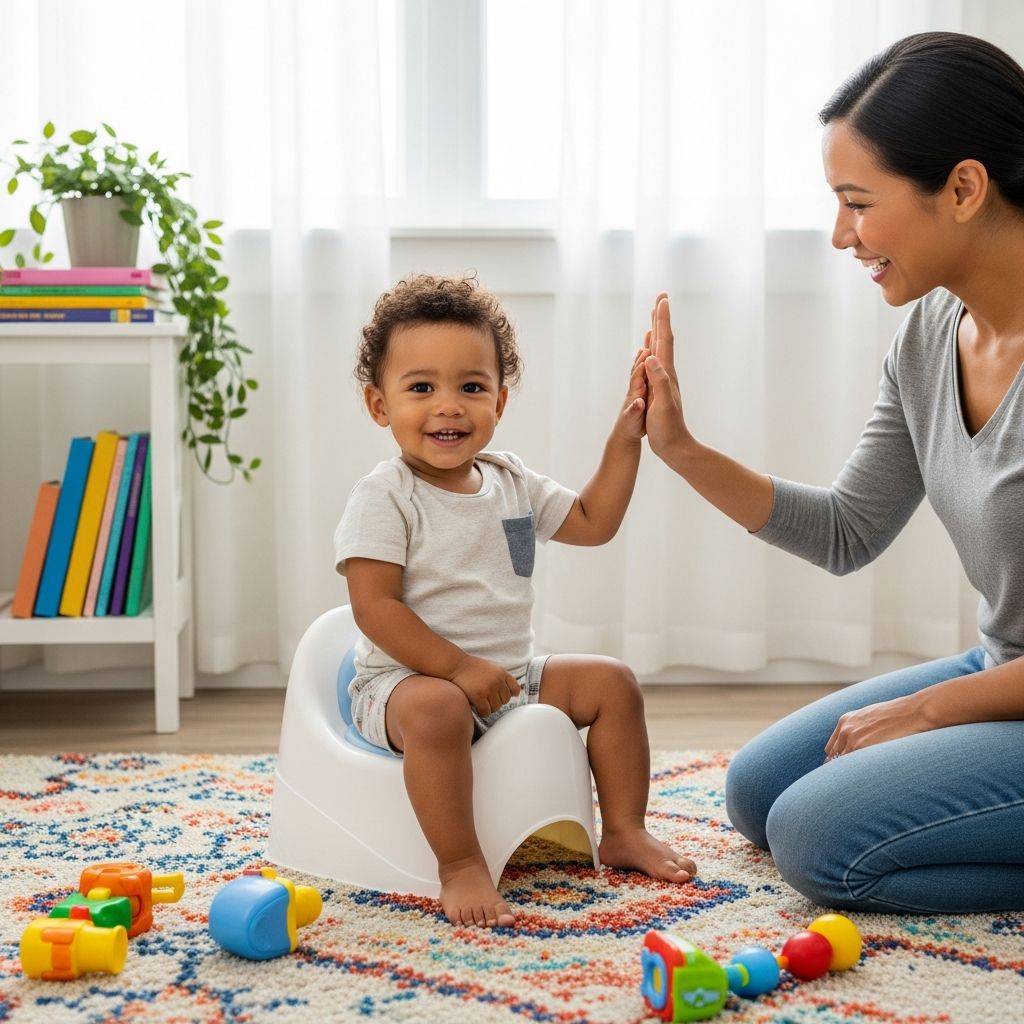
Small, simple rewards can be motivating for some children, but they are not essential. Many families find that verbal encouragement, high-fives, and pride in new skills are enough. If you do use rewards, keep them light and avoid creating a dynamic where the child feels pressured to perform in order to earn treats.
How do I handle daycare or multiple caregivers?
Communication and consistency are crucial when more than one adult is involved. Share your goals and methods in advance, ask about any policies, and be open to compromise about practical details like clothing choices or timing. When everyone responds similarly to accidents and successes, children tend to feel safer and more confident.
Finding a Timeline That Honors Your Child
Ultimately, the real question is not whether early potty training is good or bad in the abstract, but whether a specific approach at a given moment respects your child’s temperament and needs while also working for your family. Some children thrive with a gradual, early introduction; others respond best to a quick, later transition once they are more independent.
When you treat potty training as a skill to be learned together—rather than a test of parenting success—it becomes easier to read your child’s cues, adjust course, and celebrate progress at whatever pace it unfolds.