Ear injuries represent a frequent concern for parents, particularly in active children prone to accidents. These traumas can impact the outer, middle, or inner ear, leading to issues ranging from mild discomfort to lasting hearing or balance difficulties. Prompt recognition and appropriate response are crucial to minimize complications and promote swift recovery.
Common Causes of Ear Trauma in Kids
Children explore their world energetically, often leading to unintended ear injuries. Everyday hazards include rough play, sports without protection, or household mishaps. For instance, a forceful slap or blow during play can damage the outer ear, while inserting objects like cotton swabs or toys into the canal risks puncturing the eardrum. Sudden pressure shifts from water activities or air travel may also cause barotrauma. Understanding these triggers empowers parents to create safer environments.
- Playground falls or collisions: Blunt force to the head or ear.
- Swimming or diving: Water pressure changes affecting the middle ear.
- Cleaning attempts: Use of swabs or fingers scratching the canal.
- Sports impacts: Lack of helmets in biking or contact games.
- Foreign objects: Small toys or food pieces lodged inside.
Recognizing Symptoms Across Ear Regions
Manifestations vary by injury site. Outer ear problems often show visible signs, while inner ear issues disrupt equilibrium. Early detection hinges on observing both obvious and subtle cues.
| Ear Region | Typical Symptoms | Potential Severity |
|---|---|---|
| Outer Ear | Bleeding, swelling, bruising, pain on touch | Mild to moderate; infection risk |
| Ear Canal | Scratch-induced bleeding, foreign body sensation, discharge | Moderate; may lead to infection |
| Middle Ear (Eardrum) | Sudden pain, hearing muffling, fluid leakage, ringing | Moderate; often self-heals |
| Inner Ear | Dizziness, vertigo, balance loss, nausea | Severe; possible permanent effects |
Beyond local signs, watch for systemic indicators like fever, facial weakness, or cerebrospinal fluid leakage resembling clear nasal drip, signaling urgent care needs.
Immediate First Aid for Ear Injuries
Initial response can prevent escalation. Stay calm, assess severity, and act decisively without probing the ear.
- Control bleeding: Apply gentle pressure with clean gauze for 10 minutes; avoid tight packing.
- Clean exterior only: Rinse superficial wounds with soap and water; pat dry.
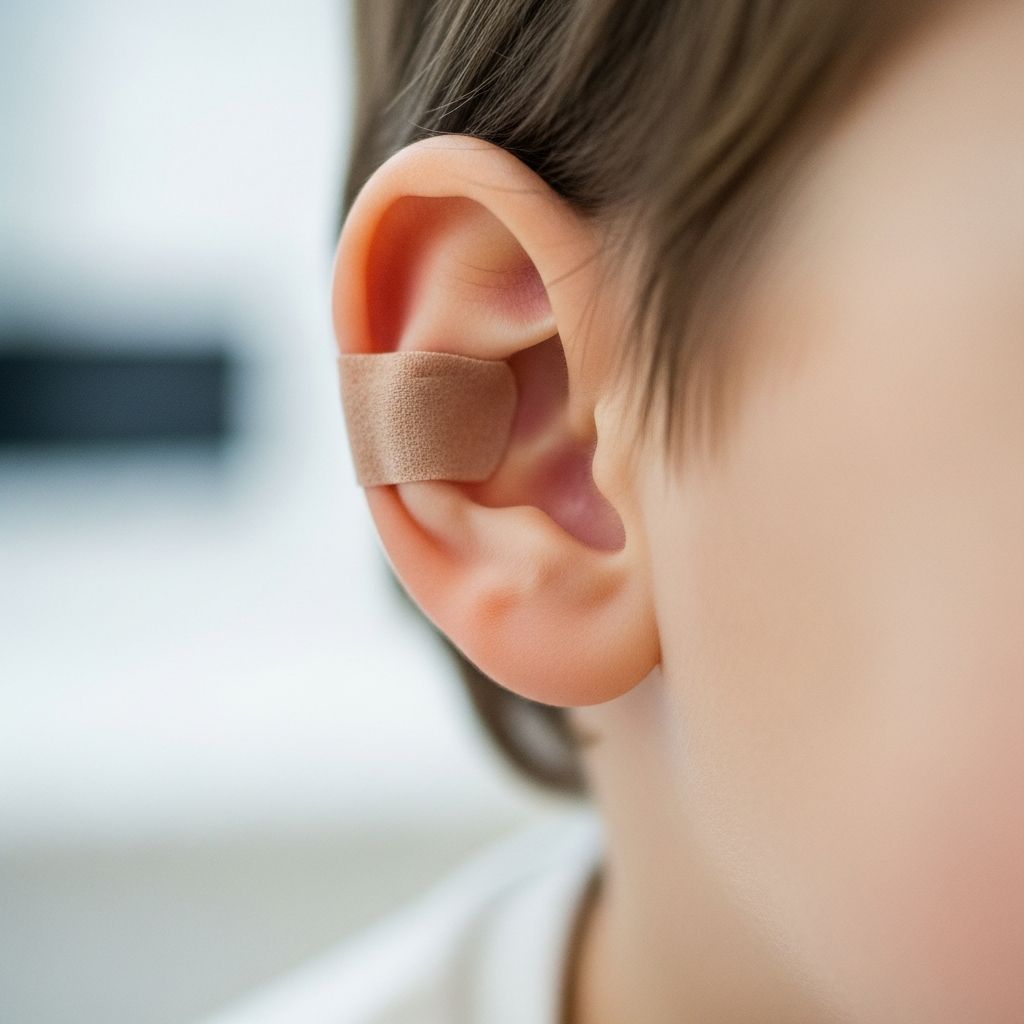
- Apply ointment: Use antibiotic cream on cuts; cover with bandage if needed.
- Manage pain: Administer age-appropriate acetaminophen or ibuprofen.
- Prevent pressure: Discourage nose blowing or forceful coughing.
Never insert anything into the canal, as this worsens damage. Position the child comfortably, ear upward if fluid drains.
Medical Interventions for Different Injuries
Outer Ear Trauma: Hematomas and Lacerations
Auricular hematomas, blood pockets under the skin, create a balloon-like swelling. Untreated, they cause cauliflower ear deformity. Early intervention drains the fluid and applies a bolster dressing. Lacerations require evaluation if deep, dirty, or bite-related, often needing stitches or antibiotics.
Middle Ear Damage: Eardrum Perforations
Ruptures from objects or pressure heal spontaneously in many cases, within weeks. Antibiotics combat infection risks like otitis media. Persistent holes may necessitate tympanoplasty, patching with body tissue outpatient.
Inner Ear and Bone Issues
Trauma here induces vertigo and unsteadiness. Physical therapy customizes exercises to retrain balance, reduce dizziness, and enhance neck mobility. Temporal bone fractures, confirmed via CT, demand monitoring for hearing loss, facial nerve damage, or fluid leaks. Ossicular dislocations might require surgical reconstruction.
Long-Term Recovery and Rehabilitation
Post-treatment, focus shifts to restoration. Therapists employ vestibular exercises for inner ear recovery, improving gaze stability and coordination. Hearing assessments detect losses, from conductive (middle ear) to sensorineural (inner ear). Speech therapy aids children with communication delays from auditory deficits. Regular follow-ups track progress and address complications like cholesteatoma cysts.
Preventing Ear Injuries: Practical Strategies
Proactive measures drastically cut risks. Supervise play, enforce protective gear, and educate on safe habits.
- Enforce helmets for biking, skating, sports.
- Supervise water activities; teach equalizing ear pressure.
- Ban cotton swabs, fingers from ears—clean externally only.
- Remove small objects from reach of toddlers.
- Promote quiet environments to avoid loud noise trauma.
For frequent flyers, yawning or chewing gum helps pressure equalization. Routine check-ups catch vulnerabilities early.
When to Seek Emergency Help
Not all injuries resolve at home. Rush to care if:
- Bleeding persists beyond 10 minutes.
- Clear fluid or pus drains.
- Severe dizziness impedes walking.
- High fever or facial asymmetry appears.
- Hearing vanishes suddenly.
- Injury stems from high-impact trauma.
These signal potential fractures, nerve involvement, or infections needing imaging and specialist input.
Frequently Asked Questions (FAQs)
Can a child’s eardrum heal without surgery?
Yes, most perforations close naturally within 2-3 months with rest and infection prevention.
Is swimming safe after an ear injury?
Avoid until cleared by a doctor to prevent infection; use earplugs post-recovery.
What if my child complains of ear fullness?
This may indicate blockage or pressure; examine for objects and consult if persistent.
How do I know if it’s a serious inner ear problem?
Vertigo, nausea, and imbalance distinguish it; seek PT or ENT evaluation.
Does ear trauma cause permanent hearing loss?
Possible with inner ear or bone fractures, but early treatment improves outcomes.
Supporting Your Child Through Recovery
Emotional reassurance complements physical care. Explain procedures simply, celebrate milestones, and monitor school performance for hidden hearing issues like attention struggles or loud speech. Collaborate with pediatricians, otolaryngologists, and therapists for holistic management.
By mastering recognition, response, and prevention, parents mitigate ear injury impacts, preserving children’s auditory health and active lifestyles.
References
- Physical Therapy Guide to Inner Ear Trauma — ChoosePT. 2023. https://www.choosept.com/guide/physical-therapy-guide-inner-ear-trauma
- Ear Injuries & Trauma — Cleveland Clinic. 2023-10-24. https://my.clevelandclinic.org/health/diseases/17574-ear-injuries-and-trauma
- Ear Injuries and Trauma — Stanford Health Care. 2024. https://stanfordhealthcare.org/medical-conditions/ear-nose-and-throat/ear-injuries-trauma.html
- Ear Injuries & Trauma — Stanford Medicine Otolaryngology. 2024. https://med.stanford.edu/ohns/OHNS-healthcare/earinstitute/conditions-we-treat/ear-injuries-and-trauma.html
- Ruptured eardrum (perforated eardrum) – Diagnosis & treatment — Mayo Clinic. 2023-08-21. https://www.mayoclinic.org/diseases-conditions/ruptured-eardrum/diagnosis-treatment/drc-20351884