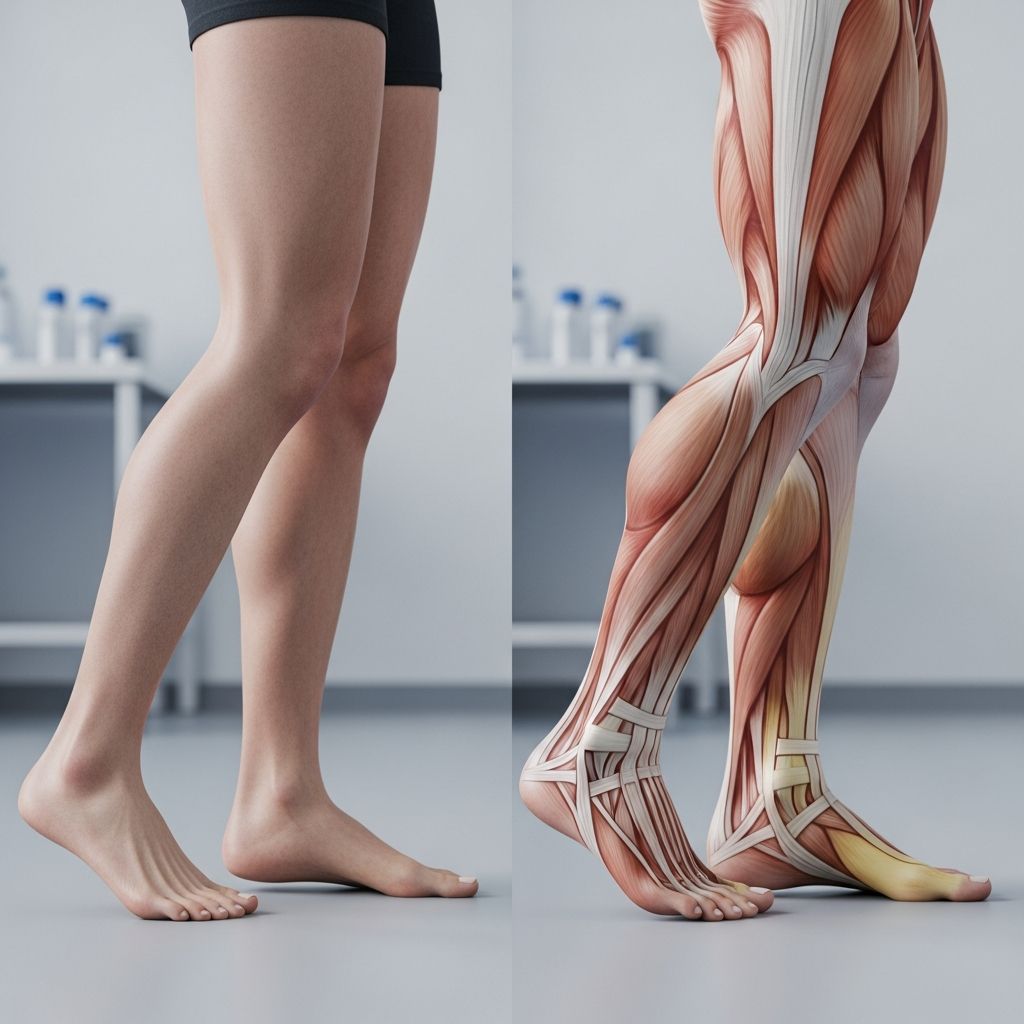
Dwarfism refers to a condition where a child experiences significantly shorter stature than peers, typically defined as an adult height under 4 feet 10 inches (147 cm). It arises from over 400 distinct medical conditions, primarily genetic, affecting bone growth or hormonal functions.
Defining Short Stature and Its Types
Short stature, or dwarfism, is clinically identified when a person’s height falls below the third percentile for their age and sex, often more than two standard deviations from the mean. This can manifest as proportionate dwarfism, where all body parts are proportionally small, or disproportionate dwarfism, where limbs or trunk differ markedly in size.
Proportionate forms often stem from systemic issues like hormone imbalances, while disproportionate types usually involve skeletal issues. Understanding these distinctions helps parents anticipate physical traits and health needs.
Primary Causes of Dwarfism
Genetic mutations account for most cases, with achondroplasia being the predominant form, representing about 70% of instances. This condition results from a mutation in the FGFR3 gene, which disrupts bone elongation in the long bones of arms and legs.
Other causes include:
- Skeletal dysplasias: Over 400 types affect cartilage and bone formation, such as diastrophic dysplasia or spondyloepiphyseal dysplasia.
- Hormonal deficiencies: Growth hormone deficiency (GHD), where the pituitary gland produces insufficient hormone for bone growth, or hypothyroidism impacting metabolism.
- Nutritional or environmental factors: Rare cases from malnutrition, chronic illnesses, or intrauterine growth restriction due to maternal health issues like preeclampsia.
- Chromosomal syndromes: Conditions like Turner syndrome or Noonan syndrome leading to proportionate short stature.
In 80% of achondroplasia cases, the mutation is spontaneous (de novo), not inherited, often linked to advanced paternal age over 35.
Recognizing Signs and Symptoms
Symptoms vary by type but often appear early. In disproportionate dwarfism like achondroplasia, children exhibit:
- Short arms and legs relative to trunk and head.
- Large head with prominent forehead.
- Bowed legs or exaggerated spinal curves (lordosis or kyphosis).
- Delayed motor milestones, like walking.
Proportionate dwarfism may show uniform smallness without obvious disproportions, alongside fatigue or delayed puberty from endocrine issues.
Common complications include:
| Complication | Description | Affected Types |
|---|---|---|
| Joint issues | Arthritis, stiffness, or limited mobility | Disproportionate (e.g., achondroplasia) |
| Spinal problems | Hunched back, swayback, or spinal stenosis | Skeletal dysplasias |
| Ear infections/hearing loss | Frequent otitis media due to anatomy | Achondroplasia |
| Hydrocephalus | Excess brain fluid from skull base narrowing | Achondroplasia |
| Obesity risk | Due to shorter limbs and mobility limits | Most types |
Early vigilance for breathing difficulties, sleep apnea, or numbness from nerve compression is crucial.
How Dwarfism is Diagnosed
Diagnosis begins with measuring growth charts against percentiles. If growth deviates, doctors order:
- Imaging: X-rays to assess bone age and structure.
- Genetic testing: Confirms mutations like FGFR3 for achondroplasia.
- Blood tests: Checks hormone levels, thyroid function, or metabolic markers.
- Specialist consults: Endocrinologists, geneticists, or orthopedists.
Prenatal ultrasound may detect limb shortening as early as 20 weeks, prompting further amniocentesis for genetic analysis.
Treatment and Management Strategies
No cure exists for most genetic dwarfisms, but interventions improve quality of life:
- Leg-lengthening surgery: Gradual bone extension for disproportionate types, though risky.
- Growth hormone therapy: Effective for GHD, increasing height by 4-6 inches if started early.
- Orthopedic interventions: Braces, spinal surgery, or limb corrections for alignment.
- Monitoring and therapy: Physical/occupational therapy for mobility, hearing aids if needed.
Recent advancements include FDA-approved vosoritide for achondroplasia, a daily injection mimicking CNP hormone to promote bone growth in young children. Lifestyle management emphasizes nutrition, exercise, and weight control to prevent comorbidities.
Daily Life Adaptations for Families
Children with dwarfism thrive with practical adjustments:
- Home modifications: Step stools, reachable cabinets, adaptive clothing.
- School accommodations: IEPs for seating, mobility aids, or bullying prevention.
- Sports and activities: Swimming, cycling suit shorter limbs; avoid high-impact contact sports.
- Health vigilance: Regular check-ups for spine, ears, and weight.
Encourage independence through age-appropriate tasks, fostering confidence.
Emotional and Social Support
Psychosocial challenges like staring or teasing are common. Parents can:
- Join support groups like Little People of America.
- Promote positive self-image via diverse role models.
- Address mental health proactively, as obesity and pain heighten depression risk.
Open family discussions normalize differences, building resilience.
Genetic Inheritance Patterns
Most cases (80%) are sporadic, but inherited forms follow:
- Autosomal dominant: Achondroplasia – 50% chance per child if one parent affected.
- Autosomal recessive: Diastrophic dysplasia – 25% risk if both parents carriers.
- X-linked: Rare, like in some skeletal dysplasias.
Genetic counseling aids family planning, explaining risks like homozygous achondroplasia, often fatal.
Future Outlook and Research Directions
Life expectancy nears normal with management, though complications like spinal issues may arise. Ongoing research targets gene therapies and broader vosoritide applications, promising taller stature and fewer surgeries.
Parents should connect with multidisciplinary clinics for holistic care.
Frequently Asked Questions (FAQs)
Can dwarfism be prevented?
No, as most cases are genetic and unpredictable, though prenatal care reduces some risks.
Is growth hormone safe for all short children?
Only for confirmed GHD; genetic testing rules out skeletal causes first.
Do children with achondroplasia need special schools?
No, with accommodations, they succeed in mainstream settings.
What is the average height for adults with achondroplasia?
Men: ~4 feet 4 inches; women: ~4 feet 1 inch.
Can adults with dwarfism have children?
Yes, with standard pregnancies, though monitoring for complications.
References
- Dwarfism – Symptoms and Causes — Quirónsalud. 2023. https://www.quironsalud.com/en/diseases-symptoms/dwarfism
- Dwarfism – Causes, Symptoms & Signs — Gleneagles Hospital. 2024-01-15. https://www.gleneagles.com.sg/conditions-diseases/dwarfism/symptoms-causes
- Dwarfism: Types, Causes, Treatments, and More — WebMD. 2025-06-12. https://www.webmd.com/children/dwarfism-causes-treatments
- Restricted growth (dwarfism) — NHS. 2024-03-20. https://www.nhs.uk/conditions/restricted-growth/
- Dwarfism | Achondroplasia — MedlinePlus (U.S. National Library of Medicine). 2025-11-05. https://medlineplus.gov/dwarfism.html
- Dwarfism — StatPearls (NCBI Bookshelf, NIH). 2024-07-28. https://www.ncbi.nlm.nih.gov/books/NBK563282/