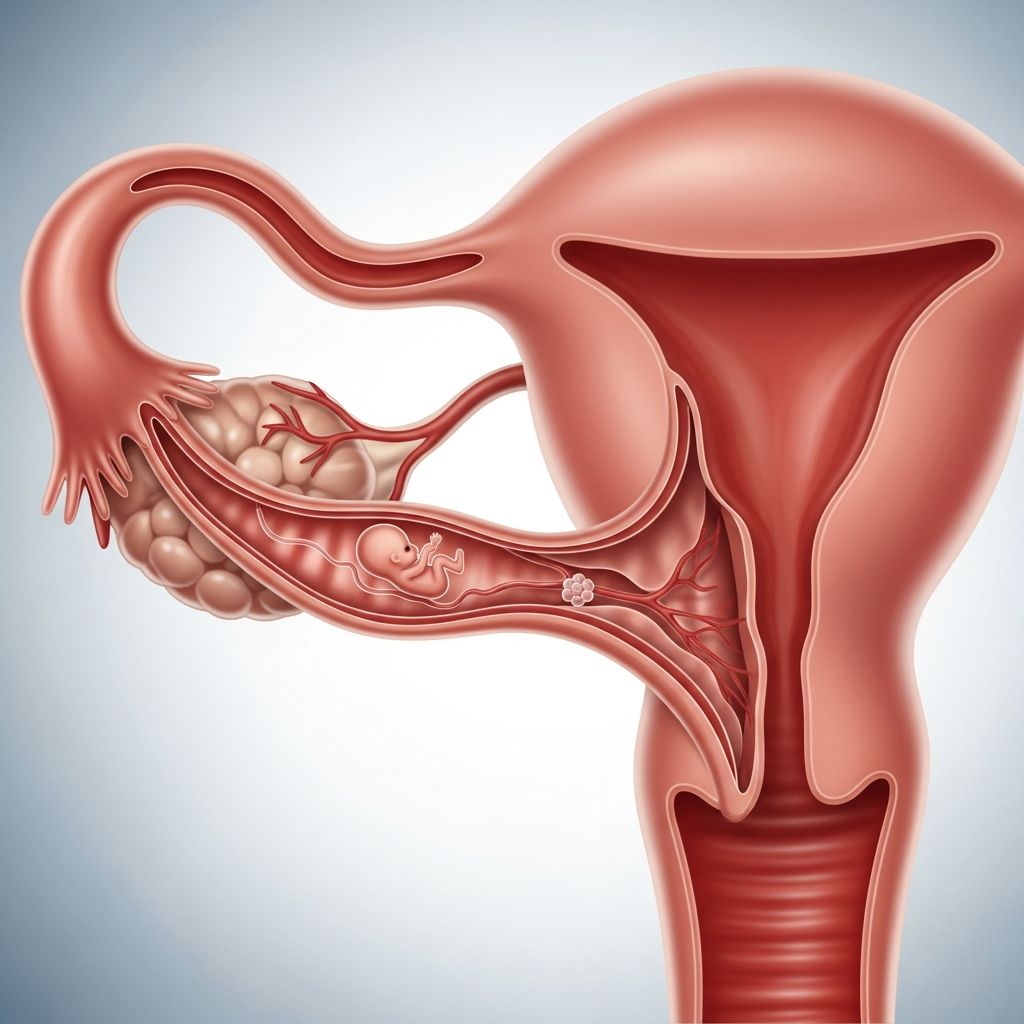
The human chorionic gonadotropin (hCG) hormone plays a pivotal role in early pregnancy, produced by the developing placenta to support fetal growth. While rising hCG levels typically indicate a healthy pregnancy, a decline can raise alarms. However, dropping levels do not always confirm miscarriage, as various factors influence these measurements. This comprehensive guide delves into the science behind hCG fluctuations, potential causes of declines, associated risks, and proactive steps for concerned parents.
Understanding hCG: The Pregnancy Hormone Basics
hCG is detectable in blood and urine shortly after implantation, roughly 10-14 days post-conception. It peaks around 8-11 weeks, then gradually decreases. Serial measurements track viability, with healthy pregnancies showing levels doubling every 48-72 hours in the first weeks.
Key functions include:
- Stimulating progesterone production to maintain the uterine lining.
- Suppressing maternal immune response to prevent rejection of the embryo.
- Promoting corpus luteum development for early placental support.
Deviations from expected patterns prompt further investigation, as abnormal trends correlate with outcomes like miscarriage or ectopic implantation.
Normal hCG Ranges Across Pregnancy Stages
hCG levels vary widely but follow predictable trajectories. Blood tests provide precise quantification in mIU/mL. Here’s a reference table for singleton pregnancies:
| Weeks from LMP | Typical hCG Range (mIU/mL) |
|---|---|
| 3 weeks | 5 – 50 |
| 4 weeks | 5 – 426 |
| 5 weeks | 18 – 7,340 |
| 6 weeks | 1,080 – 56,500 |
| 7-8 weeks | 7,650 – 229,000 |
| 9-12 weeks | 25,700 – 288,000 |
| 13-16 weeks | 13,300 – 254,000 |
| 17-24 weeks | 4,060 – 165,400 |
| 25-40 weeks | 3,640 – 117,000 |
Note: Multiples can elevate levels 30-50% higher. Individual variation is common; trends matter more than absolute values.
Why Do hCG Levels Drop? Common Causes
Declining hCG signals the body may no longer support the pregnancy. Primary reasons include:
- Miscarriage: Tissue loss halts hCG production. Levels drop from prior baselines, e.g., 120 to 80 mIU/mL in 48 hours.
- Ectopic Pregnancy: Implantation outside the uterus (often fallopian tubes) leads to slow rises or falls. A medical emergency risking rupture.
- Blighted Ovum: Gestational sac forms without embryo development, causing stagnant or dropping levels.
- Lab Errors or Timing Issues: Rare, but retesting confirms accuracy.
- Advanced Gestation: Natural decline post-peak in viable pregnancies.
Slow rises (e.g., 120 to 130 mIU/mL in 48 hours) also flag nonviable pregnancies.
Declining hCG and Miscarriage: The Connection
Falling levels post-positive test generally predict poor outcomes. Fertility and Sterility reports declining hCG indicates nonviable pregnancy in most cases. Accompanying symptoms like bleeding, cramping, or tissue passage strengthen this likelihood.
However, exceptions exist:
- Vanishing twin syndrome in multiples.
- Ovarian hyperstimulation post-fertility treatments.
- Initial high levels in later-detected pregnancies slowing naturally.
Ultrasound confirms absence of heartbeat or sac growth, essential for diagnosis.
Other Implications of Abnormal hCG Trends
Slow-Rising hCG: A Warning Sign
Levels rising less than 53% in 48 hours suggest risks. Studies link this to 80-90% miscarriage rates by 6-7 weeks.
High or Elevated hCG: Beyond Declines
Conversely, unexplained rises above 2.5-4 MoM (multiples of median) signal complications:
| Condition | hCG Impact | Risks |
|---|---|---|
| Multiple Gestation | 30-50% higher | Stronger symptoms, preterm labor |
| Molar Pregnancy | >30,000 mIU/mL | Gestational trophoblastic disease |
| Down Syndrome | Elevated hCG, low AFP | Chromosomal anomaly |
| Preeclampsia/FGR | >2.5 MoM mid-trimester | Hypertension, growth restriction |
Second-trimester elevations increase preeclampsia odds (OR 4.4) and fetal growth restriction (OR 2.8).
Diagnostic Process: What Happens Next
Upon detecting drops:
- Repeat Blood Tests: Confirm trend over 48-72 hours.
- Progesterone Check: Low levels (<5 ng/mL) support nonviability.
- Transvaginal Ultrasound: Visualizes sac, yolk, heartbeat (visible ~6 weeks).
- Symptom Monitoring: Bleeding/cramping accelerates evaluation.
For ectopics, urgent intervention prevents rupture. Retained miscarriage tissue risks infection.
IVF and Assisted Pregnancies: Unique Considerations
In vitro fertilization alters dynamics. Elevated post-transfer hCG correlates with lower miscarriage/ectopic rates in some cohorts (523 pregnancies studied). Fresh vs. frozen embryos and timing affect readings. Close monitoring is standard.
Emotional and Practical Support
Uncertainty around hCG tests can be distressing. Support includes:
- Counseling from reproductive specialists.
- Support groups for pregnancy loss.
- Future fertility planning post-resolution.
Most resume normal cycles within 4-6 weeks; hCG normalizes to <5 mIU/mL.
Frequently Asked Questions
Do dropping hCG levels always mean miscarriage?
No, but they indicate high risk. Confirm with ultrasound and symptoms. Lab errors or ectopics are alternatives.
How quickly should hCG double in early pregnancy?
Every 48-72 hours until 6 weeks. Slower rises warrant investigation.
Can stress or medications cause hCG drops?
No direct causation; consult providers for fertility meds impact.
What if hCG is high in second trimester?
May signal preeclampsia or growth issues; high-risk management advised.
After miscarriage, how long until hCG returns to zero?
Typically 4-6 weeks, longer with retained tissue.
Prevention and Proactive Monitoring Tips
While not all losses are preventable, early prenatal care aids detection:
- Schedule beta-hCG tests if history of loss.
- Report spotting or pain immediately.
- Maintain folic acid, avoid smoking/alcohol.
High-risk cases benefit from specialist oversight.
References
- The association between unexplained second-trimester elevations of maternal serum hCG and adverse pregnancy outcomes — American Journal of Obstetrics and Gynecology (PubMed). 1992-07. https://pubmed.ncbi.nlm.nih.gov/1603504/
- The outcome of pregnancies with unexplained increased HCG — Fetal Medicine Foundation. 2018. http://www.fetalmedicine.org/abstracts/2018/var/pdf/abstracts/2018/2498.pdf
- hCG Levels and Your Risk of Miscarriage — Healthline (reviewed by medical experts). 2023-10-12. https://www.healthline.com/health/hcg-levels-miscarriage
- Possible Risks When Your hCG Level Is High — Vinmec International Hospital. 2024. https://www.vinmec.com/eng/blog/possible-risks-when-hcg-levels-are-high-en
- Low (or Slow Rising) hCG Levels – What It Means for Your Pregnancy — Mira Fertility Shop (research-based). 2024. https://shop.miracare.com/blogs/resources/low-slow-rising-hcg
- Pregnancy Test — University of Florida Health (UF Health). 2023. https://ufhealth.org/conditions-and-treatments/pregnancy-test