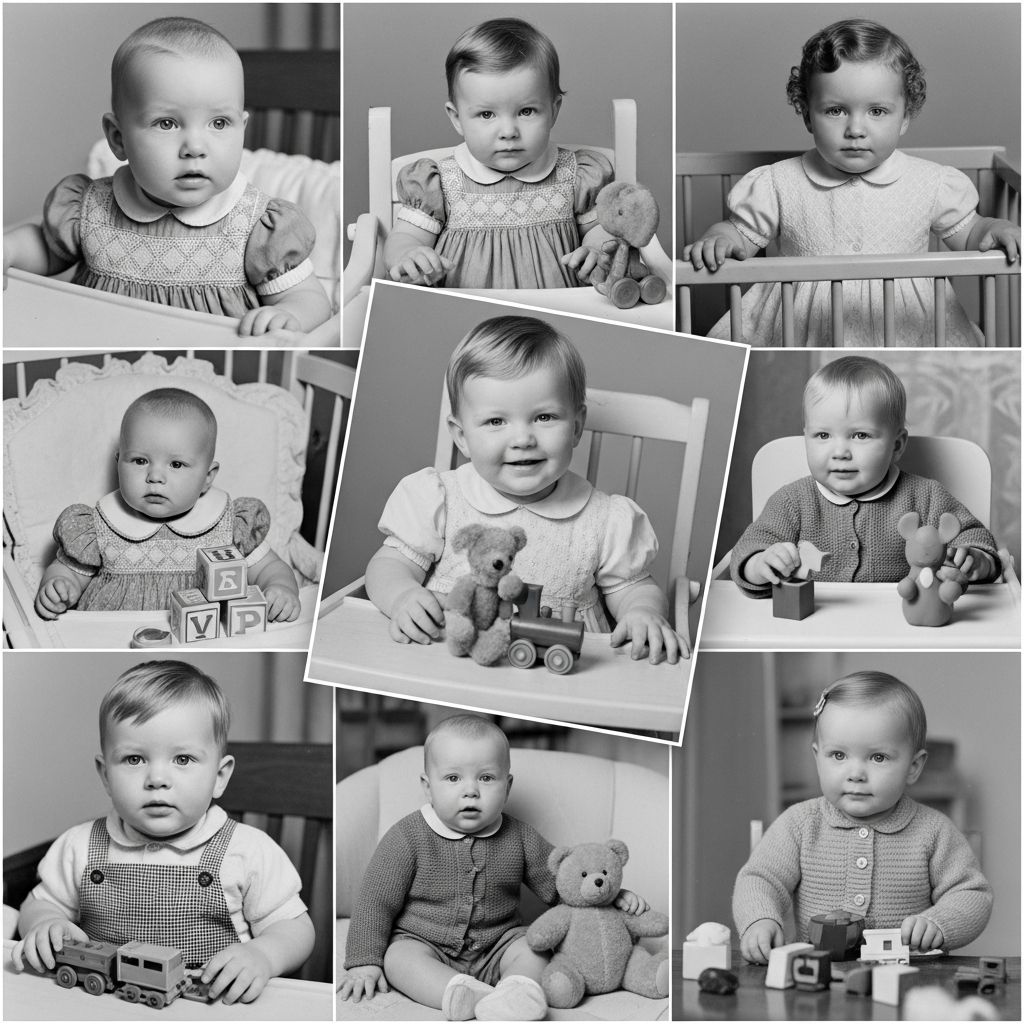
Many exhausted parents hear about the idea of a dream feed and hope it might stretch their baby’s sleep so everyone can rest. This guide explains what dream feeding is, why some families like it, what research and clinicians say about safety and effectiveness, and how to decide whether it fits your baby and your goals.
What Exactly Is a Dream Feed?
A dream feed is a planned feeding that happens late in the evening, usually just before the parent’s own bedtime, when the baby is either asleep or only partially awake. The parent offers breast or bottle without fully waking the baby, hoping to “top off” the tummy so the next stretch of sleep is longer.
Parents typically introduce dream feeds to:
- Reduce the number of night wakings for hunger
- Align the baby’s longest sleep stretch with their own sleep window
- Support milk supply or weight gain under medical guidance
Why Do Parents Consider Dream Feeding?
Caring for a newborn or young infant often means fragmented sleep. A dream feed can feel appealing because it seems like a small tweak that might create a longer block of rest. Some families report that offering a feed at around 10–11 p.m. helps their baby sleep until the early morning, giving parents a more predictable stretch of sleep.
However, sleep and feeding are biologically complex. Not every baby responds the same way, and not all evidence supports dream feeding as a universal solution.
Potential Benefits of Dream Feeding
Research on dream feeding is limited, but clinicians and sleep educators describe several possible advantages when it works well for a specific baby and family.
- Longer uninterrupted sleep for parents
By feeding just before your own bedtime, you may shift your baby’s next waking to later in the night, giving you a more continuous stretch of sleep. Even an extra 60–90 minutes can make a noticeable difference in how rested you feel. - Fewer hunger-related night wakings
Some babies who routinely wake from genuine hunger in the early night hours may sleep longer after a late-evening feed. WebMD notes that dream feeding can lower the number of times parents need to nurse or bottle-feed overnight for some infants. - Support for developing longer night stretches
When combined with gradually spacing out nighttime feeds, a dream feed may help nudge sleep patterns toward more consolidated nighttime sleep as the baby matures. - Convenience for feeding schedules
For families with work or pumping schedules to juggle, a predictable late-evening feed can feel easier to plan around than fully on-demand night feeds.
Possible Downsides and Risks
Dream feeds are not automatically harmless or universally helpful. Emerging research and professional guidance highlight several concerns parents should weigh carefully.
- Sleep disruption instead of improvement
If the dream feed interrupts your baby’s natural longest sleep stretch, you may actually see more night waking, not less. In these cases, experts suggest dropping the dream feed if there is no benefit after several nights. - Feeding-to-sleep dependency
Regularly feeding while your baby is falling or staying asleep can strengthen the association between feeding and sleep. This can make self-soothing harder later, as the baby may expect to feed each time they transition between sleep cycles. - Overfeeding and tummy discomfort
When babies are not fully awake, it is easier to misread their cues and offer more milk than they really want. Overfeeding, especially via bottle, can cause gassiness, spit-up, or discomfort that then disturbs sleep. - Choking or aspiration risk with bottles
Feeding a deeply sleeping baby, particularly with a bottle, can increase the risk of aspiration (milk entering the airway) if the baby cannot coordinate suck–swallow–breathe effectively. Health professionals often advise that babies be at least partially awake and alert during feeds to minimize this risk. - May not be appropriate for some medical situations
Premature babies, infants with reflux, breathing problems, neurological conditions, or growth concerns may need a more individualized feeding plan. Reviews of pediatric feeding difficulties note that “dream feeding” can be risky in some contexts and may need to be discouraged.
Is Dream Feeding Safe? What Professionals Say
Health organizations emphasize that safe feeding means protecting both airway safety and responsive feeding cues. While there is no major guideline that fully endorses dream feeding as a standard practice, experts do give some important cautions:
- Feed when babies are appropriately arousable, not in very deep sleep, so they can actively coordinate sucking and swallowing.
- Avoid forcing milk when the baby turns away, does not latch well, or shows stress cues such as coughing, gagging, or color changes.
- Discuss dream feeds with your pediatrician if your baby has medical, growth, or feeding issues before starting or continuing them.
| Aspect | Potential Advantage | Potential Concern |
|---|---|---|
| Parent sleep | May create a longer stretch overlapping parent’s bedtime | Can break baby’s longest natural stretch and worsen waking |
| Baby feeding | Can reduce hunger-related wakings for some babies | Risk of overfeeding and reflux-like discomfort |
| Safety | May be safe if baby is arousable and positioned well | Higher choking/aspiration risk if deeply asleep, especially with bottles |
| Sleep learning | Sometimes fits into gradual night-weaning plans | Can reinforce feed-to-sleep associations and delay self-settling |
How to Try a Dream Feed Step by Step
If, after speaking with your baby’s health-care provider, you decide to try a dream feed, the following practical steps can help lower risks and maximize the chance that it’s useful.
1. Choose a Thoughtful Time
- Most families schedule a dream feed between 10:00 p.m. and midnight, depending on their own bedtime.
- Aim for a time that does not frequently coincide with your baby’s longest spontaneous sleep stretch, so you are shifting, not shortening, that stretch.
2. Keep the Environment Calm but Safe
- Dim lights, soft voices, and minimal stimulation can help your baby drift back to sleep more easily.
- Follow safe sleep recommendations (firm surface, back-sleeping, no loose bedding) before and after the feed per American Academy of Pediatrics guidance.
3. Gently Rouse Your Baby
- Pick your baby up slowly or roll them slightly toward you.
- Offer a gentle touch to the cheek or lips to trigger the rooting reflex.
- Look for signs that they are at least partially awake: brief eye opening, active sucking, or responsive movements.
4. Offer Breast or Bottle Responsively
- Hold your baby at a slight upright angle to support safe swallowing, especially with bottles.
- Allow pauses for breathing and do not push the nipple if your baby turns away or stops sucking.
- For bottle-feeding, consider a slower-flow nipple so your baby has more control over the milk flow.
5. After the Feed
- Gently keep your baby upright for a few minutes if reflux is a concern, following your clinician’s advice.
- Many experts note that routine burping after dream feeds may not always be necessary, but follow your baby’s individual needs.
- Place your baby back to sleep on their back, in a safe sleep space.
How Long Should You Continue Dream Feeding?
The ideal duration of dream feeding varies. Some parents find it helpful for only a few weeks, while others keep it for several months. Consider changing course when:
- Your baby consistently sleeps through the dream feed time without waking hungry.
- The dream feed no longer extends the longest stretch of sleep (for example, your baby still wakes at the same time as before).
- Your baby starts resisting the feed, refusing to latch, or becoming more awake and upset.
- You wish to support more independent sleep without feeding as a central cue.
When discontinuing, some families stop abruptly; others gradually move the dream feed earlier or offer a smaller volume over several nights. Watch your baby’s overnight hunger cues and growth, and stay in contact with your pediatrician if you are unsure.
Alternatives to Dream Feeding
If dream feeding does not work for your family—or you prefer not to use it—there are other strategies to support better sleep without feeding in light sleep.
- Responsive on-demand night feeding
Many infants need several feeds overnight, especially in the first months. Responding to true hunger cues (rooting, active sucking, escalating crying) while avoiding automatic feeding for every stir can help distinguish hunger from other wakings. - Gradual night-time spacing
As your pediatrician confirms that your baby can safely go longer between feeds, you can gently extend the time between night feeds instead of adding a dream feed. - Daytime nutrition focus
Ensuring that your baby eats well during the day may naturally reduce some night-time hunger. Growth-monitoring visits can confirm whether intake and weight gain are adequate. - Sleep-supportive routines
Predictable evening rituals, exposure to daylight during the day, and an age-appropriate bedtime can help consolidate sleep over time, regardless of dream feed use.
Who Should Avoid Dream Feeding?
While every baby is unique, extra caution or medical input is important in the following situations:
- Babies with significant reflux or swallowing disorders, where aspiration risk is higher
- Preterm infants or babies with complex medical histories
- Infants who are struggling with weight gain and need carefully monitored intake patterns
- Families who find that dream feeds consistently worsen sleep or cause distress
In these cases, work with your pediatrician, lactation consultant, or feeding therapist to create a tailored plan. Some multidisciplinary teams specifically recommend avoiding dream feeds in children with feeding difficulties or high aspiration risk.
Frequently Asked Questions (FAQs)
At what age can I start dream feeding my baby?
There is no universal age, but many parents who try dream feeds do so in the first few months, once feeding is established and the pediatrician is comfortable with the baby’s growth. Newborns under a few weeks often wake frequently anyway, so a structured dream feed may not change sleep much. Always ask your clinician before adding planned night feeds.
Does a dream feed guarantee my baby will sleep through the night?
No. Even with a dream feed, babies may still wake from other causes such as light sleep cycles, discomfort, or habit. Evidence suggests that dream feeding is only sometimes effective and should not be seen as a guaranteed solution.
Is breast or bottle better for dream feeding?
Both methods are used, but bottle feeding a deeply sleeping baby may carry more choking or aspiration risk because the milk flow is harder for the baby to control. If you offer a bottle, keep your baby slightly upright, use a suitable flow nipple, and ensure they are at least somewhat awake and actively sucking.
Should I burp my baby after a dream feed?
Some infants tolerate dream feeds without burping, especially when they take relatively small, calm feeds. Experimental work suggests that regurgitation risk is not always reduced by routine burping in sleepy babies. Observe your own baby: if they frequently seem uncomfortable or spit up after feeds, ask your clinician for personalized guidance.
How do I know if dream feeding is working for us?
Track your baby’s sleep for about a week. If the dream feed leads to a noticeably longer stretch of consolidated sleep without extra wakings, and your baby remains comfortable and is growing well, it may be helpful. If wake-ups increase, your baby struggles to settle, or you feel more exhausted, it is reasonable to stop and reassess other options.
References
- All About Dream Feeds and Why I Don’t Recommend Them — Sleepfull Baby. 2023-06-01. https://www.sleepfullbaby.com/blog/all-about-dream-feeds-and-why-i-dont-recommend-them
- What Is a Dream Feed for Babies? — WebMD. 2022-04-20. https://www.webmd.com/parenting/baby/what-is-a-dream-feed
- Dream feeding: An evidence-based guide — Parenting Science. 2021-09-15. https://parentingscience.com/dream-feeding/
- Why Is Dream Feeding Considered a Choking Risk When Breastfeeding While Bedsharing Seems Safe? — Milk to Mealtime. 2023-03-10. https://www.milktomealtime.com/post/why-is-dream-feeding-considered-a-choking-risk-when-breastfeeding-while-bedsharing-seems-safe-as-it
- The Dream Feed — Taking Cara Babies. 2020-08-05. https://www.takingcarababies.com/blogs/feeding/the-dream-feed
- Poster Presentations – Feeding difficulties in children — Archives of Disease in Childhood / BMJ via PubMed Central. 2008-09-01. https://pmc.ncbi.nlm.nih.gov/articles/PMC7158246/