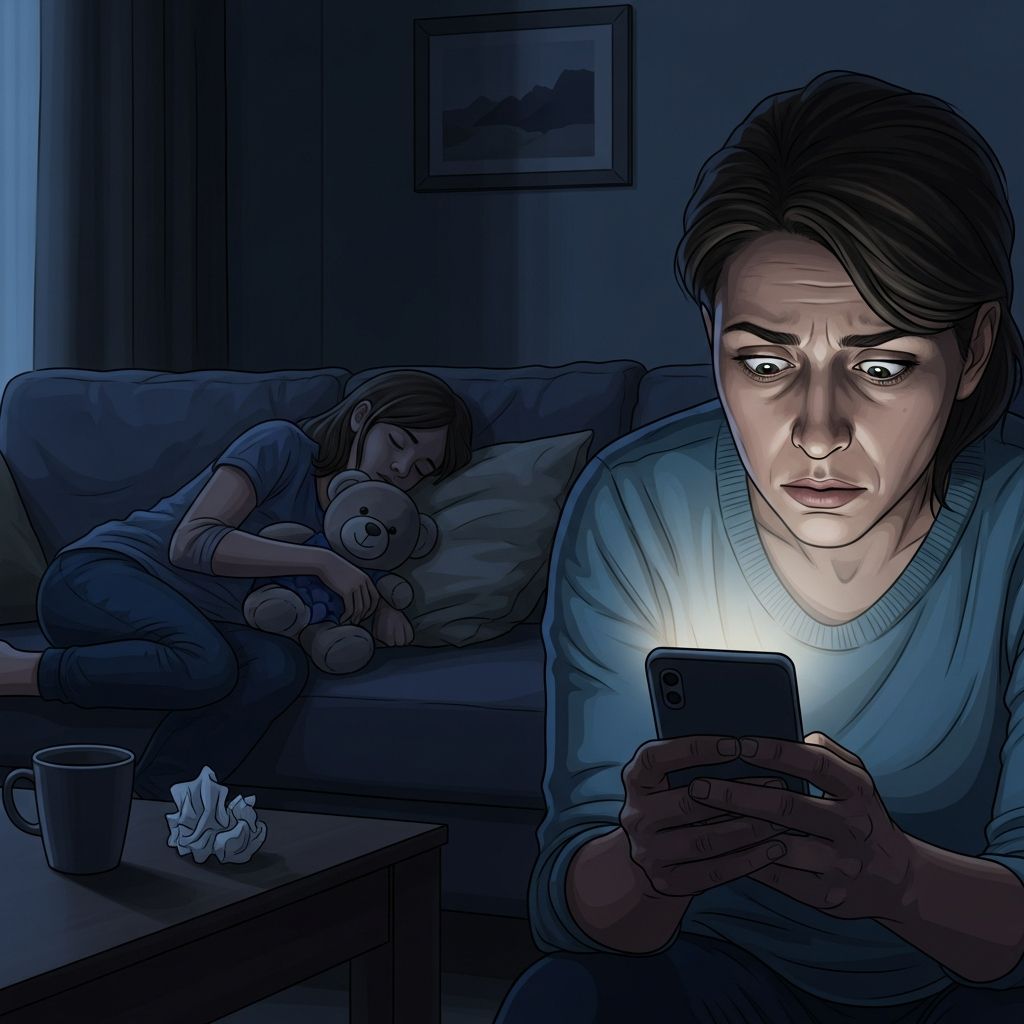
Endless scrolling through negative news has become a silent epidemic in modern families, quietly undermining emotional resilience and daily joy. Parents and children alike find themselves trapped in cycles of worry, with profound implications for mental health across generations.
Understanding the Doomscrolling Phenomenon
Doomscrolling refers to the compulsive consumption of distressing online content, often late into the night, fueled by algorithms that prioritize alarming headlines. This behavior surged during global crises but persists as a daily habit, blending fear-driven curiosity with the addictive pull of social media.
For families, it manifests differently: parents seek updates on world events to feel prepared, while children chase peer conversations or shocking stories. Yet, this shared screen time often isolates rather than unites, as each member retreats into their digital echo chamber of negativity.
Neurological Hooks: Why We Can’t Stop
The brain’s reward system plays a central role in perpetuating doomscrolling. Platforms deliver intermittent dopamine surges from novel alerts, interspersed with cortisol spikes from dire news, creating an addictive loop.
- Dopamine highs from engaging posts keep users returning for quick hits of satisfaction.
- Cortisol surges from scary content heighten alertness, mimicking survival instincts but exhausting the body over time.
- Switching cycle between pleasure and stress reinforces the habit, especially in developing brains.
Children are particularly susceptible due to immature prefrontal cortices, which struggle to regulate impulses. Teens, facing FOMO or a need for social relevance, scroll to stay ‘in the know,’ amplifying vulnerability.
Immediate Effects on Parents’ Mental Health
Parents, already navigating high stress levels, experience amplified strain from doomscrolling. A 2024 U.S. Surgeon General report notes that 48% of parents feel overwhelmingly stressed most days, with screen habits exacerbating this.
| Effect | Description | Common Symptoms |
|---|---|---|
| Increased Anxiety | Constant exposure to threats reinforces worry. | Restlessness, panic episodes. |
| Sleep Disruption | Blue light and stimulation delay melatonin. | Insomnia, fatigue. |
| Emotional Fatigue | Overload leads to burnout. | Irritability, low mood. |
Reinforcing negative biases, parents may catastrophize everyday challenges, viewing the world through a lens of perpetual danger. This not only heightens personal distress but models unhealthy coping for children.
How Doomscrolling Harms Children’s Developing Minds
Youngsters face unique risks as their brains wire for emotional regulation. Constant negativity distorts worldviews, fostering hopelessness and distorted threat perception.
- Heightened fight-or-flight responses lead to chronic irritability and withdrawal.
- Sleep disturbances from late-night scrolling impair focus and academics.
- Desensitization reduces empathy, normalizing violence or tragedy.
Studies link heavier screen use to elevated anxiety and depression in teens, with bedtime exposure tied to nightmares via the ABCD Study findings. For preteens, inappropriate content overwhelms underdeveloped coping skills, spiraling into negative thought loops.
Long-Term Ramifications for Family Dynamics
Beyond individual harm, doomscrolling erodes family cohesion. Parents’ stress-fueled scrolling strains relationships, while children’s isolation deepens despite ‘connectivity.’
Research during COVID-19 revealed daily social media exposure correlated with worsened depression and PTSD, especially in those with trauma histories. A 2023 review of 1,200 adults tied it to poorer life satisfaction, with 2024 studies noting existential dread and work disengagement.
Children risk reduced resilience, attention spans shrinking from bite-sized content, and critical thinking diminishing amid headline skimming. Families may face collective ‘popcorn brain’—overstimulation hindering real-world engagement.
Physical Health Cascades from Digital Overload
Mental strain manifests physically: headaches, muscle tension, appetite loss, and elevated blood pressure plague chronic doomscrollers. Sleep deprivation compounds this, impairing immune function and growth in kids.
Parents report worsened pre-existing conditions, with scrolling triggering depressive episodes or panic. Over time, this cycle fosters sedentary habits, further distancing families from active, restorative pursuits.
Practical Strategies to Break the Cycle
Reclaiming well-being starts with intentional boundaries. Families can implement these evidence-informed steps:
- Set Screen Curfews: No devices one hour before bed to protect sleep cycles.
- Curate Feeds: Unfollow negative accounts; prioritize uplifting content.
- Tech-Free Zones: Designate meals and bedrooms as no-scroll areas to rebuild connections.
- Mindful Check-Ins: Limit news to twice daily, 10 minutes each, from trusted sources.
- Family Rituals: Replace scrolling with walks, games, or discussions to foster resilience.
Tools like parental controls help younger kids, while apps tracking usage empower teens. Therapy focusing on cognitive behavioral techniques addresses underlying anxiety fueling the habit.
Building Resilience in a Negative News World
Teach balanced information diets: discuss news factually, emphasizing positive stories and personal agency. Mindfulness practices, like guided breathing, counteract cortisol buildup.
For parents, self-compassion is key—acknowledge stress without judgment, modeling healthy habits. Schools and communities can support via digital literacy programs, reducing FOMO-driven scrolling.
Frequently Asked Questions
What exactly is doomscrolling, and why is it addictive?
Doomscrolling is compulsively reading negative online news. It’s addictive due to dopamine-cortisol cycles that mimic survival scanning but exhaust modern users.
Can doomscrolling cause clinical mental health issues?
Yes, it worsens anxiety, depression, and insomnia, especially in vulnerable individuals, per studies like ABCD and COVID-19 analyses.
How does doomscrolling affect children’s sleep and school performance?
Blue light and stress disrupt sleep, leading to fatigue, poor focus, and declining grades.
Are parents more at risk than kids?
Parents face high baseline stress (48% overwhelmed daily), fueling heavier scrolling and modeling poor habits.
What are quick wins to reduce family doomscrolling?
Implement curfews, curate feeds, create tech-free zones, and build shared non-digital rituals.
By addressing doomscrolling head-on, families can restore mental clarity, deepen bonds, and navigate digital life with empowerment rather than exhaustion. Small, consistent changes yield lasting protection against this pervasive threat.
References
- Doomscrolling and How It’s Affecting Your Teen — Affinity Psychological Services. 2024. https://affinitypsych.com/doomscrolling-and-how-its-affecting-your-teen/
- Doomscrolling and why it impacts your family’s mental health — Mobicip. 2024. https://www.mobicip.com/blog/how-doomscrolling-affects-children
- Doomscrolling and Brain Rot: What Are They? — Nationwide Children’s Hospital. 2025-01-01. https://www.nationwidechildrens.org/family-resources-education/700childrens/2025/01/doomscrolling-and-brain-rot
- How Parental Stress Fuels Doomscrolling — Pew Charitable Trusts. 2026-02-27. https://www.pew.org/en/research-and-analysis/articles/2026/02/27/how-parental-stress-fuels-doomscrolling
- Doomscrolling: Breaking the Habit — University Hospitals. 2024-07. https://www.uhhospitals.org/blog/articles/2024/07/doomscrolling-breaking-the-habit
- Doomscrolling Again? Expert Explains Why We’re Wired for Worry — UC San Diego Today. 2024. https://today.ucsd.edu/story/doomscrolling-again-expert-explains-why-were-wired-for-worry
- Doomscrolling during COVID-19: The negative association between… — PMC (NCBI). 2023. https://pmc.ncbi.nlm.nih.gov/articles/PMC10074257/
- Doomscrolling dangers — Harvard Health Publishing. 2024. https://www.health.harvard.edu/mind-and-mood/doomscrolling-dangers