Most people assume that as long as a shampoo bottle still has liquid in it, it is fair game for the next shower. Then one day you flip the cap, squeeze, and suddenly notice that the scent is off, the texture is gloopy, or the color looks suspiciously different. That is usually the moment the question hits: does shampoo actually go bad and, if so, what does that mean for your hair and scalp?
This guide walks through what happens to shampoo over time, how to recognize the signs of expiration, and how to decide whether to keep, toss, or repurpose an old bottle. You will also find practical storage tips and answers to common questions so you can stop side-eyeing your shower caddy and wash with confidence.
Why Shampoo Has a Shelf Life
Shampoo is a blend of water, cleansing agents, conditioning ingredients, fragrance, and preservatives. That mix is formulated to stay stable only for a certain period. Over time, exposure to air, moisture, heat, and bacteria slowly changes the formula, even if the bottle still looks almost full.
Two main timelines matter when talking about shampoo longevity:
- Unopened shelf life: how long a sealed bottle stays stable in storage.
- Period after opening: how long a product is expected to remain safe and effective once the seal is broken and air and water contact begin.
These timeframes vary between brands and formulas, which is why one bottle might stay fine for years, while another starts to change within a year of opening.
How Long Shampoo Usually Lasts
There is no single universal expiration date for shampoo, but most everyday formulas fall into a predictable range. Think of the following as general guidelines, not rigid rules.
| Product Status | Approximate Lifespan | What Affects It Most |
|---|---|---|
| Unopened, conventional shampoo | About 2–3 years in a cool, dry place | Formula type, packaging quality, storage temperature |
| Opened, conventional shampoo | Roughly 6–24 months after opening | Frequency of use, water contamination, exposure to steam |
| Natural / low-preservative shampoo | Often shorter, sometimes under 12 months | Limited preservatives, botanical ingredients, storage conditions |
| Medicated shampoo (e.g., dandruff) | Depends on active drug expiry date | Stability of active ingredients, regulatory requirements |
Even within those windows, you may notice subtle changes in texture or scent as a product ages. Instead of treating the dates as absolute laws, use them as a starting point and pay attention to what you see, smell, and feel.
Decoding Labels: Dates, Symbols, and Codes
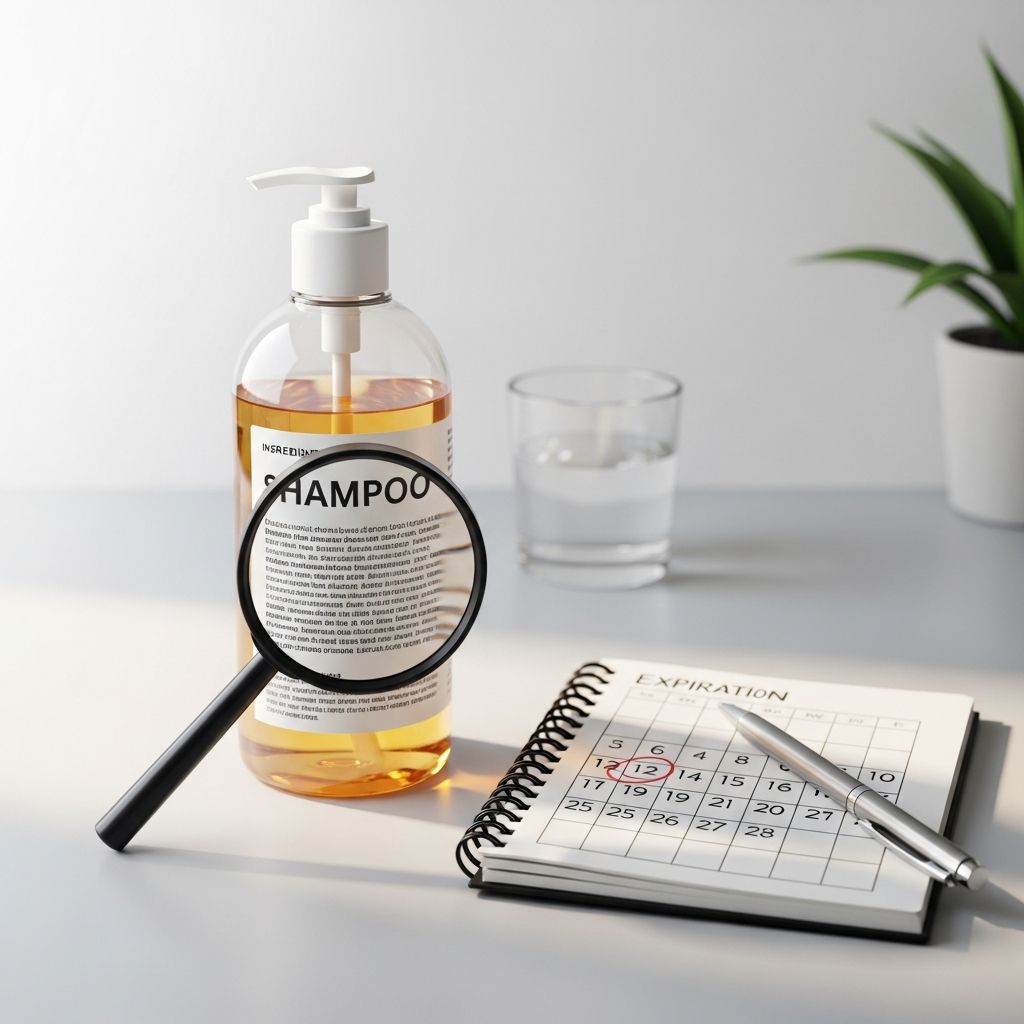
Shampoo labels can be surprisingly cryptic. Some bottles shout their expiration date in clear text, while others hide information behind symbols and batch numbers. Understanding those clues gives you a better sense of how fresh your product is.
The open-jar “PAO” symbol
One of the most useful markings is a small icon that looks like an open jar with a number and the letter M inside (for example, 12M or 24M). This is the Period After Opening (PAO) symbol. It tells you how many months the manufacturer expects the product to remain at its best once the bottle has been opened.
- 6M: Use within about 6 months of opening.
- 12M: Use within about 12 months of opening.
- 24M: Use within about 2 years of opening.
If you want to track this more accurately, write the date you first opened a new bottle directly on the label with a permanent marker.
Manufacture dates and batch codes
Some companies print a coded batch number or a small date on the crimp, base, or side of the bottle. That number typically reflects when the product was made, not when you must stop using it. Brand websites or customer service can sometimes help you decode these markings if you are unsure how old a product is.
If a bottle has clearly sat in a cupboard untouched for several years—even if it was never opened—it is reasonable to be cautious, especially if the formula contains natural oils or botanicals that are more prone to breaking down.
Five Clear Signs Your Shampoo Has Gone Bad
Even without a date, your senses are reliable tools. Expired shampoo usually tells on itself through its appearance, smell, or performance. If you notice one or more of the signs below, it is time to question whether the bottle still deserves a spot in your shower.
1. The scent has changed
One of the easiest red flags to pick up is a shift in fragrance. Shampoos are designed to smell pleasant, clean, or fresh, but as fragrance oils oxidize and preservatives degrade, the aroma can morph into something sour or stale.
- Trust your nose. If a shampoo smells off, like rancid oil or musty perfume, it is not worth using.
- Even a fading scent combined with other changes can indicate that the formula is slowly breaking down.
2. The texture is lumpy, stringy, or separated
Fresh shampoo is usually smooth and consistent, whether it is gel-like, creamy, or translucent. As it ages, the ingredients can separate, thicken, or form clumps that never used to be there.
- If you see clear liquid on top and thick sludge at the bottom that does not mix well when shaken, the emulsion has likely destabilized.
- Lumps, jelly-like strands, or a grainy feel are also strong indicators that the product is no longer in its original condition.
3. The color looks different
Discoloration is another common signal of age. Certain dyes and natural extracts darken, fade, or develop an unusual hue after prolonged exposure to light and oxygen.
- A pale pink shampoo that has deepened to brown, or a pearly formula that has turned yellowish, may be oxidizing.
- Subtle color shifts might not be harmful on their own, but when combined with smell or texture changes, they strengthen the case for tossing the bottle.
4. It does not lather or cleanse like it used to
If you need two or three times as much shampoo to get the same level of lather or your hair feels coated and unclean afterward, the cleansing agents might be degrading.
- Reduced foam can come from surfactants breaking down over time.
- Noticeably dull, sticky, or unusually dry hair after using the same formula may indicate that the balance of conditioning and cleansing ingredients has changed.
5. The bottle has been open for a very long time
Even if your senses are not picking up obvious changes, there is still a point where an open bottle is simply past its reasonable life.
- If you know you opened a shampoo more than two years ago, err on the side of safety and replace it.
- Shampoos stored permanently in hot, steamy showers reach that point even faster because heat and humidity speed up degradation and microbial growth.
Is Using Expired Shampoo Dangerous?
Most of the time, expired shampoo is more of a nuisance than a medical emergency. The biggest problem is that it does not work as well: it may not clean your hair properly, may leave residue, or simply not smell pleasant. But there are situations where it can be more than just disappointing.
Potential issues from using clearly degraded shampoo include:
- Scalp irritation: Broken-down ingredients and microbial contamination can provoke itching, redness, or a burning feeling in sensitive scalps.
- Allergic-type reactions: Fragrance and preservative components change as they oxidize, which can make them more irritating for some people.
- Increased oiliness or dryness: An unbalanced formula may strip too much natural oil or leave behind film that weighs down the hair.
If a shampoo ever causes visible irritation, flaking, or discomfort, stop using it immediately—regardless of whether it is technically expired. When in doubt, it is almost always more cost-effective to replace the bottle than to deal with an angry scalp.
When You Can Probably Still Use It—and When You Should Toss It
Not every slightly old bottle demands the trash can. The decision depends on both time and condition. Use the checklist below as a practical decision aid.
Probably safe to finish the bottle if:
- The product has been open less than the recommended months on the PAO symbol.
- The texture, scent, and color are all the same as when you first opened it.
- Your hair and scalp feel normal and comfortable after use.
- The bottle has been stored in a relatively cool, dry place between uses.
Better to throw it out if:
- The smell is sour, musty, extremely faint, or just not the same.
- The product looks separated, clumpy, or unusually thick or thin.
- The color has clearly changed from the original shade.
- You notice itching, burning, or increased flaking after washing.
- The bottle has been open for more than two years, or sat unused in a hot, humid bathroom for a long time.
Does Type of Shampoo Change Its Lifespan?
Different shampoos age differently. What keeps a basic clarifying formula stable is not the same as what preserves a botanical, sulfate-free, or medicated one. It helps to know where your favorite product fits.
- Standard commercial shampoos: These typically contain synthetic preservatives and stabilizers that keep them usable for a relatively long time, especially when unopened.
- Natural or organic shampoos: Formulas that rely more on plant-based ingredients and fewer preservatives may have a noticeably shorter usable window once opened.
- Sulfate-free options: These can last well within typical timelines but may show texture changes more quickly if the formulation is delicate.
- Medicated shampoos: These often include active ingredients meant to treat scalp conditions; once those degrade, the product may no longer do its job even if it looks and smells fine. Always respect the printed drug expiration date on these.
How to Store Shampoo So It Lasts Longer
Good storage habits can stretch the usable life of your shampoo and keep it fresher in day-to-day use. You do not need anything fancy—just a bit of awareness and consistency.
Smart storage tips
- Keep it cool and dry: Store backup bottles in a cabinet away from direct sunlight, radiators, or heat vents.
- Avoid constant steam exposure: If possible, place daily-use bottles on a shelf slightly away from the direct spray and heat of the shower.
- Always close caps tightly: This minimizes air and water getting inside the bottle, which can speed up spoilage.
- Do not add water to “stretch” it: Topping off a thick shampoo with water may make it easier to pour, but it also dilutes preservatives and increases the risk of bacterial growth.
- Rotate products: If you like to alternate several shampoos, use them in rotation instead of letting one bottle sit unused for months at a time.
Eco-Friendly Ways to Let Go of Old Shampoo
Throwing a nearly full bottle into the trash can feel wasteful. While you should not keep using clearly spoiled shampoo on your hair, you can sometimes give it a short second life around the house if it still looks and smells reasonably normal but is simply older than you like.
Before repurposing, make sure there is no sign of mold, separation, or bad odor. Then consider using small remaining amounts for non-body uses, such as:
- Washing delicate hand-wash items like hats or scarves (test a tiny area first).
- Cleaning makeup brushes and combs.
- Removing light residue from bathroom surfaces, followed by a proper rinse.
When you are finished, rinse the bottle thoroughly and recycle it if your local program accepts that type of plastic. This helps reduce guilt about parting ways with a product that no longer serves your hair.
Quick Reference Table: Keep or Toss?
| What You Notice | Likely Meaning | Recommended Action |
|---|---|---|
| Looks, smells, and feels normal; opened less than a year | Still within typical performance window | Safe to keep using as usual |
| Scent is faint but normal; no other changes | Fragrance slowly fading with age | Use up soon; monitor for any new changes |
| Texture is thicker or separated | Formula destabilizing | Stop using on hair; discard or carefully repurpose |
| Smells sour, musty, or rancid | Possible ingredient breakdown or microbial growth | Discard immediately |
| Opened more than 2 years, even if it seems okay | Likely past recommended usable period | Replace with a fresh bottle |
Frequently Asked Questions About Shampoo Expiration
1. Does shampoo always have an expiration date printed on it?
No. Many shampoos list a manufacturing code or a PAO symbol instead of a clearly labeled expiration date. The lack of a specific “use by” line does not mean it lasts forever; you still need to use common sense and watch for signs of change.
2. Is it okay to use a shampoo that is a few months past its suggested period after opening?
Sometimes, yes. The PAO timeframe is a conservative estimate of when the product will perform at its best. If your shampoo is only slightly past that window, has been stored properly, and still looks, smells, and feels normal, many people choose to finish the bottle. However, there is always a small increase in risk as you go further beyond the recommended period.
3. Can expired shampoo cause hair loss?
It is unlikely that using an expired shampoo for a short time will directly cause permanent hair loss. The more realistic concern is scalp irritation, dryness, or buildup that leads to hair looking thinner, dull, or more prone to breakage. If you notice unusual shedding or scalp issues after using an old product, discontinue it and speak with a qualified professional.
4. Are solid shampoo bars affected in the same way?
Shampoo bars often contain less water, which generally helps them resist microbial growth compared to liquid products. However, their oils and fragrance can still oxidize, and they can still collect bacteria from handling and moist storage. Treat them similarly: store them dry, avoid letting them sit in puddles, and replace them once they start to smell odd, crack excessively, or feel slimy.
5. What should I do with old or unwanted shampoo?
If the product is clearly spoiled, dispose of the contents down the drain with plenty of water, then rinse and recycle the container where possible. If the product still seems stable but you simply no longer like it, you may be able to use it for non-skin cleaning tasks or pass it along to a friend or donation program that accepts unopened, in-date personal care items.
6. How can I avoid ending up with half-used bottles that expire?
Try to keep only a few shampoos open at once. Finish one before buying a new formula “just to try it,” or rotate consistently so each bottle is used up within its recommended period after opening. Choosing sizes you can realistically finish within a year also helps minimize leftovers.
Final Thoughts
Shampoo does not last forever, but it also does not usually turn dangerous overnight. If you understand the rough timeframes, pay attention to what your senses are telling you, and store your products thoughtfully, you can keep your hair routine both safe and satisfying. When in doubt, treat yourself to a fresh bottle—clean, healthy hair and a comfortable scalp are worth more than squeezing the last questionable drops out of an aging product.