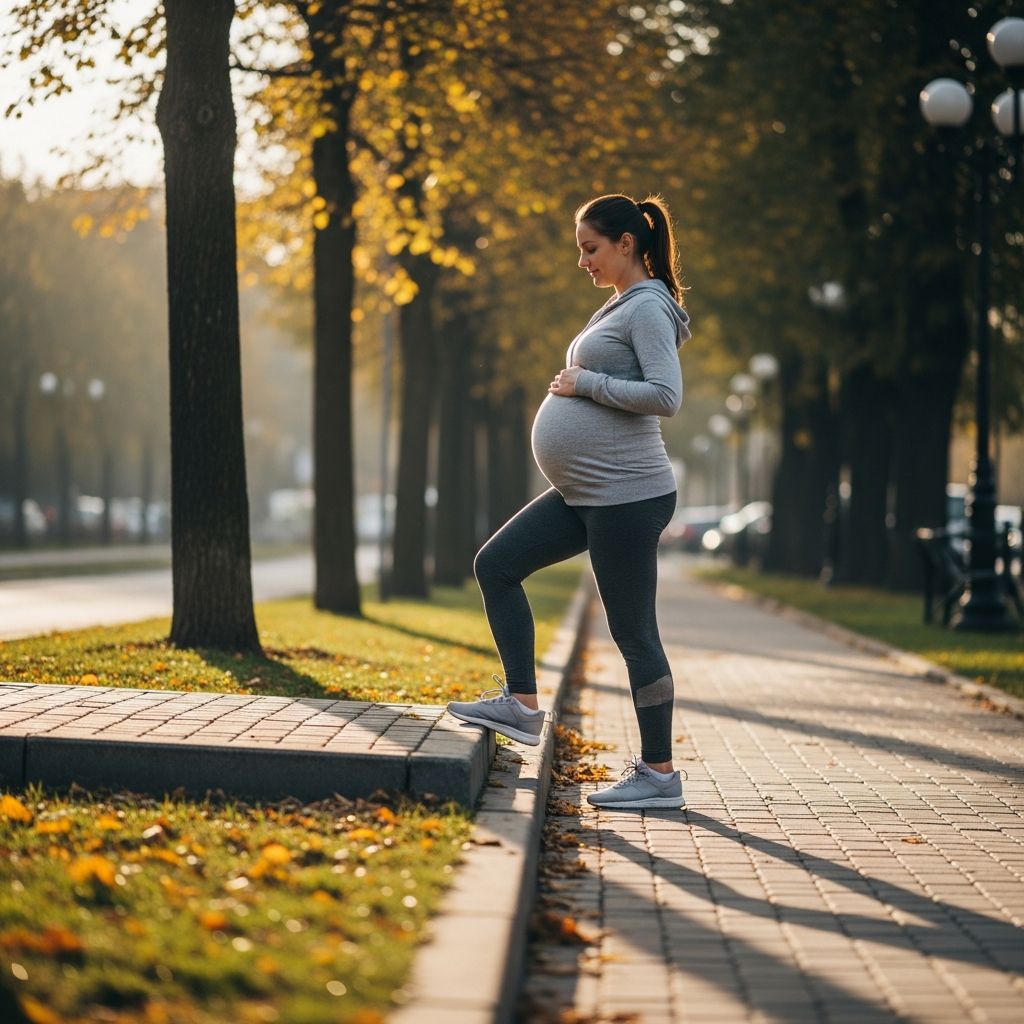
In the final weeks of pregnancy, many women seek gentle, natural ways to encourage labor when nearing or past their due date. One viral technique gaining traction is curb walking, a simple exercise involving an uneven stride to potentially nudge the body toward delivery. This method promises to help position the baby optimally without medical intervention, but does it deliver results? This article delves into its mechanics, supporting evidence, safety considerations, and practical advice drawn from expert insights and research on pregnancy movement.
Understanding the Mechanics of Curb Walking
Curb walking entails placing one foot on a raised curb or ledge while the other remains on the lower street or ground level, creating an asymmetrical gait. This uneven motion is believed to generate a rocking effect in the pelvis, which may assist the baby’s descent into the birth canal. Proponents suggest it increases pressure on the cervix, promoting dilation—the opening of the cervix—and effacement, its thinning process essential for labor progression.
The technique mimics other labor-prep exercises like stair climbing or pelvic tilts, emphasizing rotational hip movement. Typically, sessions start short: 10-15 minutes, gradually increasing if comfortable. Unlike flat walking, the elevation challenges balance slightly, intensifying pelvic mobility. Variations include wearing one high-heeled shoe indoors or alternating steps on uneven surfaces, ideal for those without safe curbs nearby.
Potential Benefits for Late-Stage Pregnancy
Beyond induction hopes, curb walking aligns with proven advantages of physical activity in the third trimester. Regular movement enhances circulation, reducing leg swelling and boosting oxygen delivery to muscles and the fetus. It also elevates mood via endorphin release, countering late-pregnancy anxiety.
- Fetal Positioning: The pelvic sway may encourage the baby to engage deeper, optimizing head-down position for vaginal birth.
- Hormonal Support: Activity stimulates oxytocin, the hormone driving contractions, potentially amplifying early labor signals.
- Stamina Building: Maintains cardiovascular fitness, aiding endurance during active labor.
- Stress Reduction: Gentle exercise lowers cortisol, fostering a calmer mindset conducive to spontaneous labor onset.
Research underscores walking’s broader role: women walking 40 minutes, four days weekly in late pregnancy showed improved cervical readiness (higher Bishop scores), more spontaneous labors, and fewer interventions like inductions or cesareans.
Scientific Perspective: Evidence and Limitations
Direct studies on curb walking are absent, classifying it as anecdotal rather than evidence-based. However, its principles draw from robust data on walking’s labor benefits. A peer-reviewed study found late-pregnancy walking significantly enhanced Bishop scores—a measure of cervical ripeness—and boosted spontaneous labor rates while cutting cesarean and instrumental delivery needs.
| Aspect | Walking Benefits (Evidence-Based) | Curb Walking (Anecdotal) |
|---|---|---|
| Spontaneous Labor | Increased likelihood | Potentially amplified by pelvic motion |
| Cervical Changes | Improved dilation/effacement | Extra pressure theorized |
| Interventions Reduced | Lower C-sections/inductions | No specific data |
| Safety Profile | Generally safe | Balance risks noted |
Experts emphasize: no technique induces labor if the body isn’t hormonally primed (typically 39+ weeks, with early dilation). Curb walking may ‘nudge’ prodromal labor but won’t override unreadiness. A Novant Health review echoes cautious optimism, noting possible pelvic shifts aiding engagement, though unproven.
Safety First: Precautions and Contraindications
While low-risk for healthy pregnancies, curb walking demands caution. Balance shifts with a full-term belly heighten fall risks, so always enlist a partner for support.
- Site Selection: Choose stable, crack-free curbs away from traffic; avoid inclines or wet surfaces.
- Duration: Limit to 10-20 minutes; halt at pain, dizziness, or fatigue.
- Medical Clearance: Consult providers if high-risk (preterm labor history, placenta issues, reflux).
- Alternatives: Flat walks, swimming, or prenatal yoga offer similar perks sans balance demands.
Anecdotal concerns include joint strain or overexertion, but no formal risks are documented due to lacking research. The American College of Obstetricians and Gynecologists endorses moderate exercise for uncomplicated pregnancies, implicitly supporting such activities when supervised.
Optimal Timing and Realistic Expectations
Curb walking shines post-39 weeks, especially with prodromal contractions or initial cervical changes. It’s least effective preterm or without signs of readiness. Track progress via kick counts, contraction patterns, or provider exams. Combine with other naturals: nipple stimulation, dates consumption, or acupuncture for synergy, always provider-approved.
Expect variability—some report intensified Braxton Hicks within hours; others see no change. Patience is key: only 5-10% of labors start precisely on due dates; most occur 37-42 weeks.
Comparing Curb Walking to Other Natural Methods
How does it stack against peers?
| Method | Mechanism | Evidence Level | Accessibility |
|---|---|---|---|
| Curb Walking | Pelvic rocking | Anecdotal | Free, outdoor |
| Regular Walking | Gravity, circulation | Strong | High |
| Stair Climbing | Hip rotation | Anecdotal | Home-based |
| Sex/Orgasm | Oxytocin, prostaglandins | Moderate | Private |
| Acupuncture | Energy flow stimulation | Emerging | Professional |
Regular walking emerges superior per data, but curb adds novelty for motivation.
Real Mom Stories and Expert Tips
Anecdotes abound: one Ochsner patient credited 15-minute curb walks for labor onset after stalled prodrome. Midwives recommend hydration, comfortable shoes, and mindfulness—breathe deeply, visualize descent. Track via apps for patterns.
Frequently Asked Questions (FAQs)
Can curb walking start labor immediately?
No guarantee; it supports if body-ready, per experts. Results vary.
Is it safe at 40 weeks?
Yes for low-risk; consult doctor. Use support.
How long to try curb walking?
10-20 mins/day, 3-4 days; stop if uncomfortable.
What if no curb available?
Try stairs, one heel/flat shoe walks.
Does it reduce C-section risk?
Walking does via better positioning; curb unstudied but aligned.
Final Thoughts on Embracing Movement
Curb walking offers an accessible, fun entry to labor prep, backed by walking’s solid science. Prioritize safety, realism, and professional input. Ultimately, trust your body’s timeline—movement empowers, but rest equally vital. Celebrate each step toward meeting your baby.
References
- Curb Walking: What Is It and Can It Help Induce Labor? — Ochsner Health Blog. 2023. https://blog.ochsner.org/articles/curb-walking-what-is-it-and-can-it-help-induce-labor/
- The Science Behind Curb Walking To Induce Labor — She Births Bravely. 2023. https://shebirthsbravely.com/curb-walking-to-induce-labor/
- How much walking does it take to induce labor? — Natural Womanhood. 2023. https://naturalwomanhood.org/how-much-walking-to-induce-labor/
- What is Curb Walking? — Blissful Birthing Westchester NY. 2023. https://blissfulbirthingwestchesterny.com/what-is-curb-walking/
- ‘Natural’ moves that induce labor? We fact-check 9 claims — Novant Health. 2023. https://www.novanthealth.org/healthy-headlines/natural-moves-that-induce-labor
- The effect of walking during late pregnancy on the outcomes of labor — PMC (PubMed Central). 2021-08-23. https://pmc.ncbi.nlm.nih.gov/articles/PMC8395880/
- Does Curb Walking Actually Help Induce Labor? — MiracleCord. 2023. https://miraclecord.com/news/curb-walking-to-induce-labor/