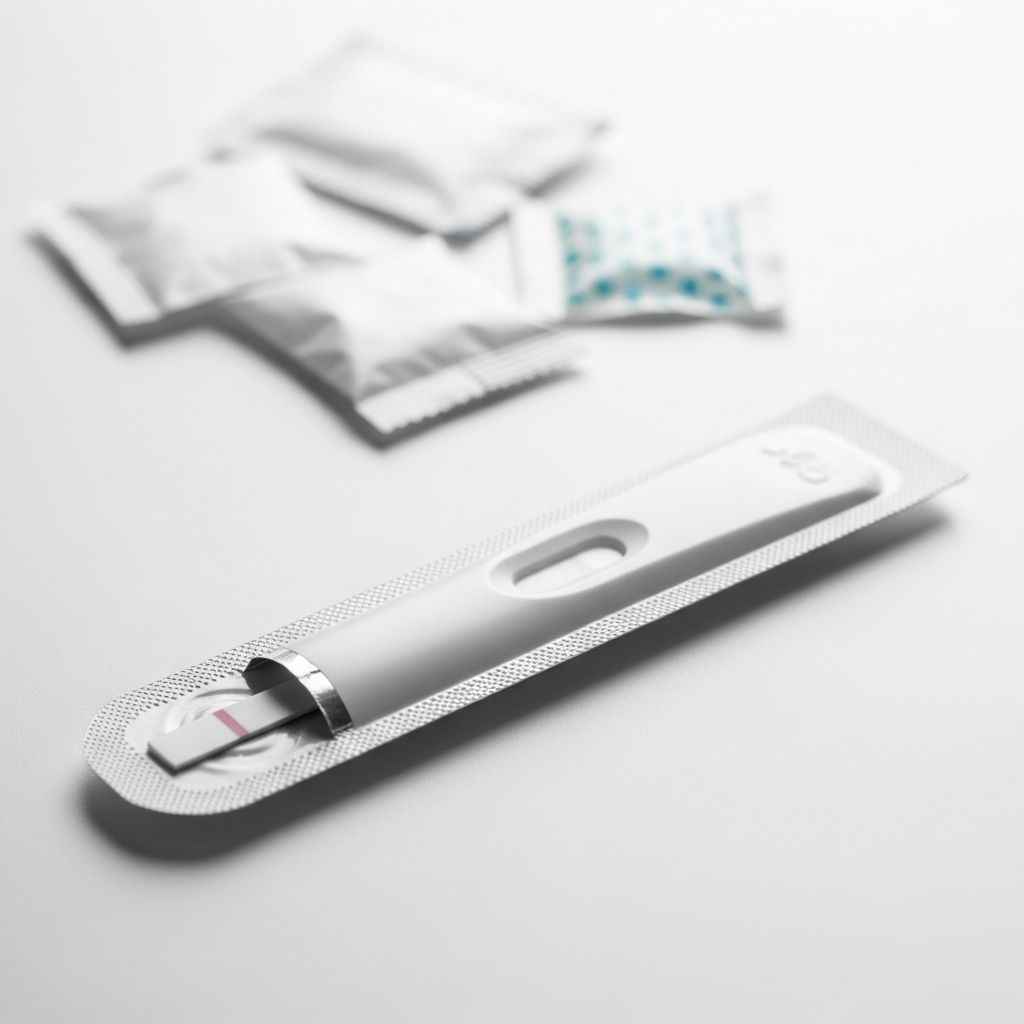
Home pregnancy tests offer a quick, private way to detect pregnancy by identifying human chorionic gonadotropin (hCG), a hormone produced after implantation. These kits contain antibodies that bind to hCG in urine, triggering a visible line or digital readout. However, like all medical diagnostics, they have a limited lifespan due to chemical degradation over time.
Understanding Pregnancy Test Lifespan
Most over-the-counter pregnancy tests remain effective for **1 to 3 years** from the manufacturing date. This range varies by brand and formulation, with high-sensitivity options sometimes lasting toward the upper end. The antibodies and reagents degrade gradually, reducing their ability to detect even high hCG levels.
Manufacturers set expiration dates conservatively to ensure reliability. For instance, tests from reputable brands like Clearblue print dates on both the box bottom and foil wrappers, allowing checks even for individual sticks. Digital tests follow the same rules, as they rely on identical hCG-detection chemistry.
Locating Expiration Information
Finding the date is straightforward but requires attention:
- Box exterior: Typically stamped on the bottom or side.
- Foil wrapper: Each test stick has its own date for post-box storage.
- Stick itself: Some models print it directly, though less common.
If only a manufacturing date appears, add 1-3 years to estimate viability. Always verify before use, especially for bulk purchases or older stock. Retail shelves may carry near-expired items, so inspect at purchase.
Risks of Using Expired Tests
Expired tests pose reliability issues, primarily **false negatives**. Degraded antibodies fail to bind hCG adequately, even if present at detectable levels (usually 10-25 mIU/mL for sensitive tests). False positives are rarer but possible from chemical residue or evaporation lines mimicking results.
| Issue | Cause | Impact |
|---|---|---|
| False Negative | Antibody degradation | Misses early pregnancy; delays confirmation |
| False Positive | Residue or damage | Unnecessary anxiety; repeat testing needed |
| Inconclusive | Partial reaction | Faint lines causing doubt |
No physical harm comes from using expired tests, but emotional stress from misleading results can be significant. Experts like Dr. G. Thomas Ruiz emphasize discarding them promptly.
Optimal Storage for Longevity
Proper storage preserves test integrity beyond manufacturing concerns. Key guidelines include:
- Temperature: Room temperature (68-77°F / 20-25°C); avoid refrigerators, freezers, or hot cars.
- Humidity: Dry areas only—skip bathrooms with steam exposure.
- Light: Keep in original packaging away from direct sunlight.
- Packaging: Remove from box if desired, but leave in foil until testing.
Implement a ‘first-in, first-out’ system for multiples: use oldest first to minimize waste. Damaged packaging (torn foil, water exposure) invalidates tests regardless of date.
When to Test for Best Accuracy
Timing complements freshness. Test after the first day of a missed period when hCG peaks. Early-response tests detect lower levels but still require viable reagents. Use first morning urine for concentration, and follow instructions precisely: over-saturating or reading too early/late skews outcomes.
If results are unclear, retest in 48 hours or consult a healthcare provider for blood tests, which quantify hCG precisely.
Common Myths About Test Shelf Life
Several misconceptions persist:
- Myth: “No expiration means it’s good forever.” All tests expire; dates ensure 99% accuracy.
- Myth: “Storage tricks extend life.” No method beats replacement post-expiration.
- Myth: “Digital tests last longer.” They share the same chemistry and timeline.
Alternatives if Tests Are Expired
Don’t delay confirmation:
- Buy fresh tests from pharmacies with recent stock.
- Visit clinics for free or low-cost urine/blood screening.
- Use apps tracking cycles alongside symptoms like nausea or fatigue.
Blood tests at labs detect hCG earlier (6-8 days post-ovulation) with lab-grade precision.
Frequently Asked Questions
Can I use a pregnancy test after its expiration date?
No—risk of inaccurate results rises significantly due to reagent breakdown. Opt for a new one.
How do I know if my test is too old?
Check box/wrapper dates. If over 3 years from manufacture or damaged, discard.
Does heat or humidity ruin tests before expiration?
Yes—store in cool, dry spots to avoid premature degradation.
Are faint lines on expired tests valid?
Rarely; retest with a current kit to confirm.
Do all brands have the same shelf life?
No, 1-3 years typical, but always verify per package.
Expert Insights on Reliability
Ob-gyns like Dr. Meleen Chuang stress label adherence: “The chemical reagent breaks down, making tests unreliable”. Primary sources confirm uniform industry standards for hCG sensitivity.
In summary, treating expiration dates seriously ensures trusted results during this pivotal moment. Stock wisely, store properly, and test confidently.
References
- Do pregnancy tests expire? – Clearblue — Clearblue. 2023. https://www.clearblue.com/pregnancy-tests/do-pregnancy-tests-expire
- Do Pregnancy Tests Expire? – The Bump — The Bump. 2023. https://www.thebump.com/a/do-pregnancy-tests-expire
- Do Pregnancy Tests Expire? The Truth About Test Accuracy — Willow Women’s Center. 2023. https://www.willowwomenscenter.org/do-pregnancy-tests-expire-the-truth-about-test-accuracy
- Do Pregnancy Tests Expire? Accuracy, Storage & Best Practices — MiraCare. 2023. https://shop.miracare.com/blogs/resources/do-pregnancy-tests-expire
- Do Pregnancy Tests Expire? What to Know Before Using One — Healthline. 2023. https://www.healthline.com/health/pregnancy/do-pregnancy-tests-expire