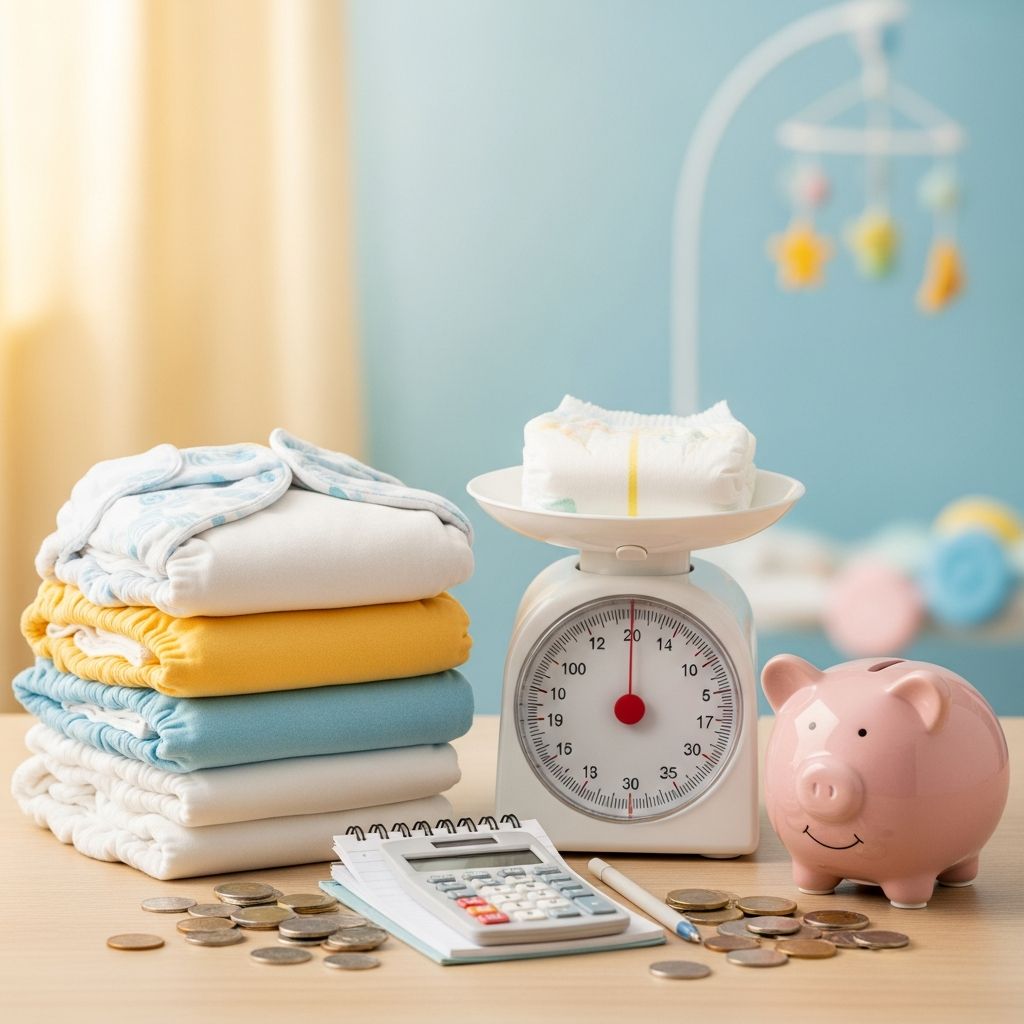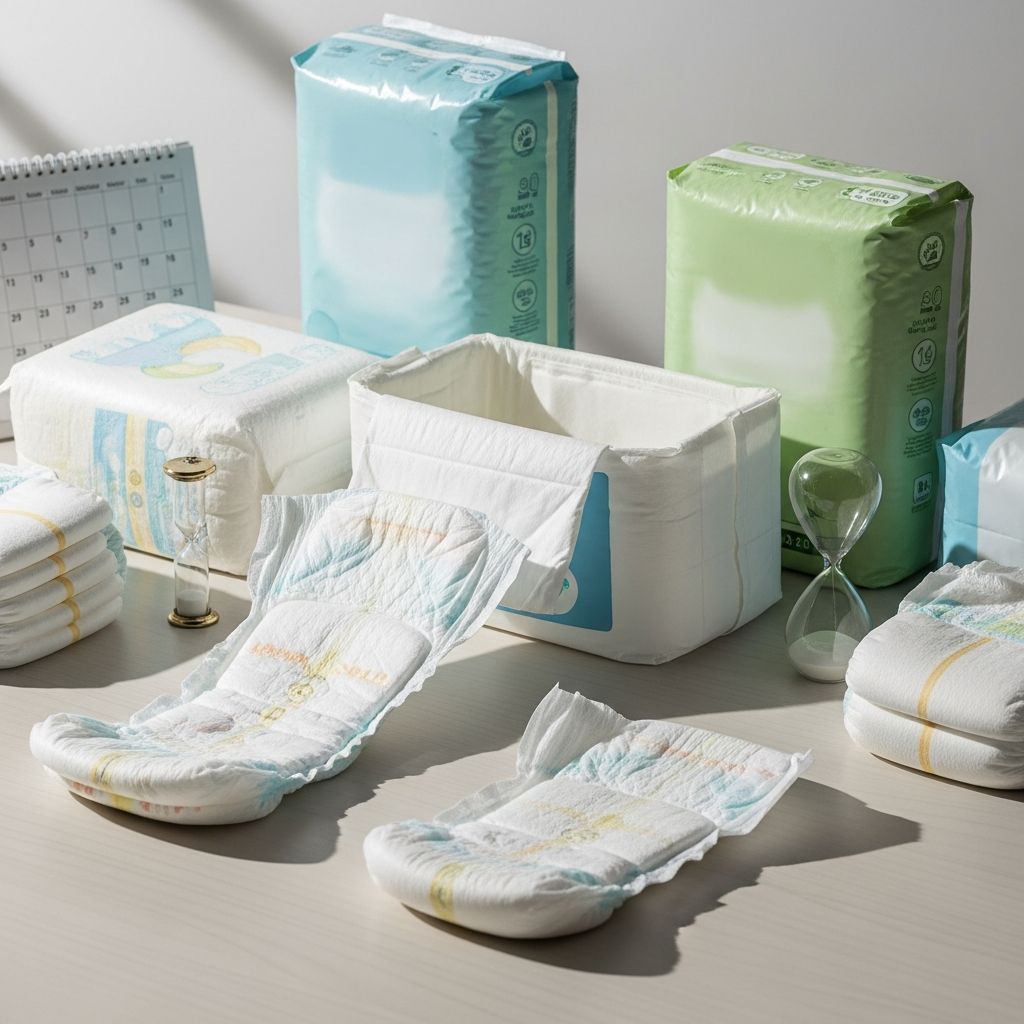
Parents often stock up on diapers in anticipation of their baby’s needs, but a common concern arises: do these essentials have a limited lifespan? While diapers do not carry official expiration dates like perishable food items, their performance can decline over time due to material degradation. This comprehensive guide delves into the realities of diaper longevity, examining disposable and cloth varieties, optimal storage methods, telltale signs of wear, and practical advice for maximizing their usability. By understanding these factors, caregivers can make informed decisions, reduce waste, and ensure their little ones remain comfortable and dry.
The Science Behind Diaper Durability
Modern diapers, whether disposable or reusable, are engineered with advanced materials designed for absorbency, fit, and comfort. Disposable versions typically feature a core of superabsorbent polymers (SAP), such as polyacrylate granules, combined with cellulose, wood pulp, nonwoven fabrics, polypropylene layers, and elastic components. These elements work synergistically to wick away moisture and prevent leaks. However, exposure to environmental factors can initiate gradual breakdown.
SAP granules, for instance, are highly effective at locking in liquids but can clump if they absorb ambient humidity over extended periods, reducing their capacity. Elastic bands in leg cuffs and waistbands, made from synthetic rubbers, may lose stretchiness when subjected to heat or UV light. Adhesives on tabs can harden in cold conditions or become less tacky in warmth, compromising secure fastening. Polypropylene outer layers might yellow or brittle under sunlight exposure. Unlike food, this degradation doesn’t pose health risks—no toxins are released—but it impacts functionality, potentially leading to leaks or poor fit.
Cloth diapers, often made from cotton, bamboo, or hemp with synthetic backups, fare differently. Their natural fibers can withstand years of use with proper laundering, though closures like Velcro may wear from repeated washing.
How Long Can You Expect Diapers to Last?
Most manufacturers, including major brands like those consulted by Healthline, state that disposable diapers lack a formal expiration but recommend use within 2 years for peak performance. This aligns with insights from brands like Healthybaby, suggesting a 3-year window under ideal conditions. Unopened packages generally outlast opened ones, as exposure to air accelerates moisture absorption.
| Diaper Type | Typical Shelf Life (Unopened) | Factors Shortening Life |
|---|---|---|
| Disposable Standard | 2-3 years | Humidity, heat, sunlight |
| Disposable Eco-Friendly | 2 years | Biodegradable materials degrade faster in moisture |
| Cloth/Reusable | Years to decades with care | Repeated washes, improper drying |
Opened packs may show changes sooner, especially in humid climates. Store extras in airtight containers to extend usability. Even beyond these timelines, diapers remain safe if they pass simple functionality tests—no need to discard perfectly good stock hastily.
Ideal Storage Practices for Longevity
Proper storage is the cornerstone of preserving diaper quality. Key principles include maintaining a cool, dry environment away from direct sunlight and extreme temperatures. Ideal conditions mimic a climate-controlled closet: temperatures between 50-77°F (10-25°C) and humidity below 50%.
- Avoid basements or attics: These spaces often fluctuate in temperature and trap moisture, hastening elastic breakdown and gel clumping.
- Use airtight bins: For opened packs, transfer to sealed plastic containers or zip-top bags to block humidity and dust.
- Elevate off floors: Prevent contact with damp surfaces that could introduce mold risks.
- Rotate stock: Follow FIFO (first in, first out) to use oldest packs first.
- For cloth diapers: Wash thoroughly, air-dry in shade, and store folded in breathable fabric bags to avoid mildew.
These habits can push usability well beyond manufacturer guidelines, saving money and reducing landfill contributions.
Recognizing When Diapers Have Lost Effectiveness
Visual and tactile inspections are your best tools for assessing diaper viability. Before outfitting your baby, perform quick checks on a sample from the pack.
- Discoloration: Yellowing, fading prints, or off-white hues indicate material oxidation, often from light or age.
- Brittleness: Stiff, cracked elastics or tabs that don’t stretch signal breakdown—test by pulling gently.
- Odor issues: Musty smells suggest moisture exposure or mold; chemical scents may mean adhesive degradation.
- Absorbency test: Pour a measured amount of water (simulating urine) onto the core. If it pools or leaks prematurely, discard the batch.
- Fit evaluation: Wrap around a doll or your hand; loose cuffs or non-sticking tabs mean poor performance.
Baby feedback is telling too: increased rashes, leaks, or discomfort during changes warrant switching packs. For cloth, thinning fabrics or pilling are red flags.
Disposable vs. Cloth: Comparing Longevity and Care
Choosing between disposable and cloth impacts not just immediate costs but long-term sustainability and maintenance.
| Aspect | Disposable | Cloth |
|---|---|---|
| Shelf Life | 2-3 years unopened | Indefinite with maintenance |
| Degradation Risks | Gel clumping, adhesive failure | Fabric wear, closure fatigue |
| Storage Needs | Airtight, dry | Clean, dry, breathable |
| Post-Use | Landfill waste | Reusable, eco-friendly |
Cloth options promote potty training by allowing wetness sensation and offer resale value, offsetting initial investment. Disposables excel in convenience but contribute to environmental strain—opt for eco-brands with plant-based materials for a middle ground, though they may shorten shelf life slightly.
What to Do with Outdated Diapers
If inspections reveal subpar quality, don’t bin everything. Viable but imperfect diapers suit lighter use, like nighttime for smaller babies or travel backups. Donate clean, unopened packs to shelters or pregnancy centers—many accept stock up to 3 years old.
For irredeemable disposables, check local recycling programs; some facilities process non-soiled ones. Cloth diapers beyond repair can be repurposed as cleaning rags or stuffing for pet beds. Always prioritize safety: when in doubt, replace to avoid leaks and irritation.
Frequently Asked Questions
Are old diapers safe for my baby’s skin?
Yes, degraded diapers pose no toxicity risks, but reduced absorbency can lead to prolonged wetness, risking rashes. Inspect thoroughly before use.
Do eco-diapers expire quicker?
Potentially, due to biodegradable components sensitive to humidity, but proper storage yields similar 2-year lifespans.
Can I use diapers bought during bulk sales years ago?
Test a few: if they absorb well, fit snugly, and smell fresh, they’re fine. Brands guarantee performance for 24 months typically.
How do I store cloth diapers long-term?
Clean, fully dry them, then store in breathable bags in a cool, dark place. Refresh with a pre-wash before reuse.
Does opening a pack shorten shelf life significantly?
Yes, due to air exposure; reseal promptly or use containers to mitigate.
Expert Tips for Smart Diaper Management
Bulk buying saves money, but pair it with vigilant storage. Track purchase dates with labels on packs. Consider hybrid routines: disposables for outings, cloth at home. Monitor baby size growth to avoid outgrowing old sizes before they age out. By staying proactive, parents ensure reliable protection without excess spending or waste.
This approach not only safeguards baby comfort but aligns with sustainable parenting. With diapers as a top expense—averaging $800-1000 yearly per child—extending usability pays dividends.
References
- Do Diapers Expire and How to Store Them Properly — Alppi Baby. 2023-2024. https://alppibaby.com/blogs/alppi-adventures/decoding-diaper-expiration-do-diapers-actually-expire
- Diaper Durability: Do Diapers Have an Expiration Date? — Jude’s Family. 2023-2024. https://www.judesfamily.com/en/blogs/academy/windelhaltbarkeit-hat-eine-windel-ein-ablaufdatum
- Do Diapers Expire? 5 Diaper Brands Spill the Tea — The Baby Bump Diaries. 2023-2024. https://thebabybumpdiaries.com/baby/do-diapers-expire-diaper-brands-spill-the-tea/
- Do Diapers Have Expiration Dates or Otherwise ‘Go Bad’? — Healthline. 2024-01-16. https://www.healthline.com/health/baby/do-diapers-expire
- Do Diapers Expire? — Hello Bello. 2023-2024. https://www.hellobello.com/blogs/diapering/do-diapers-expire