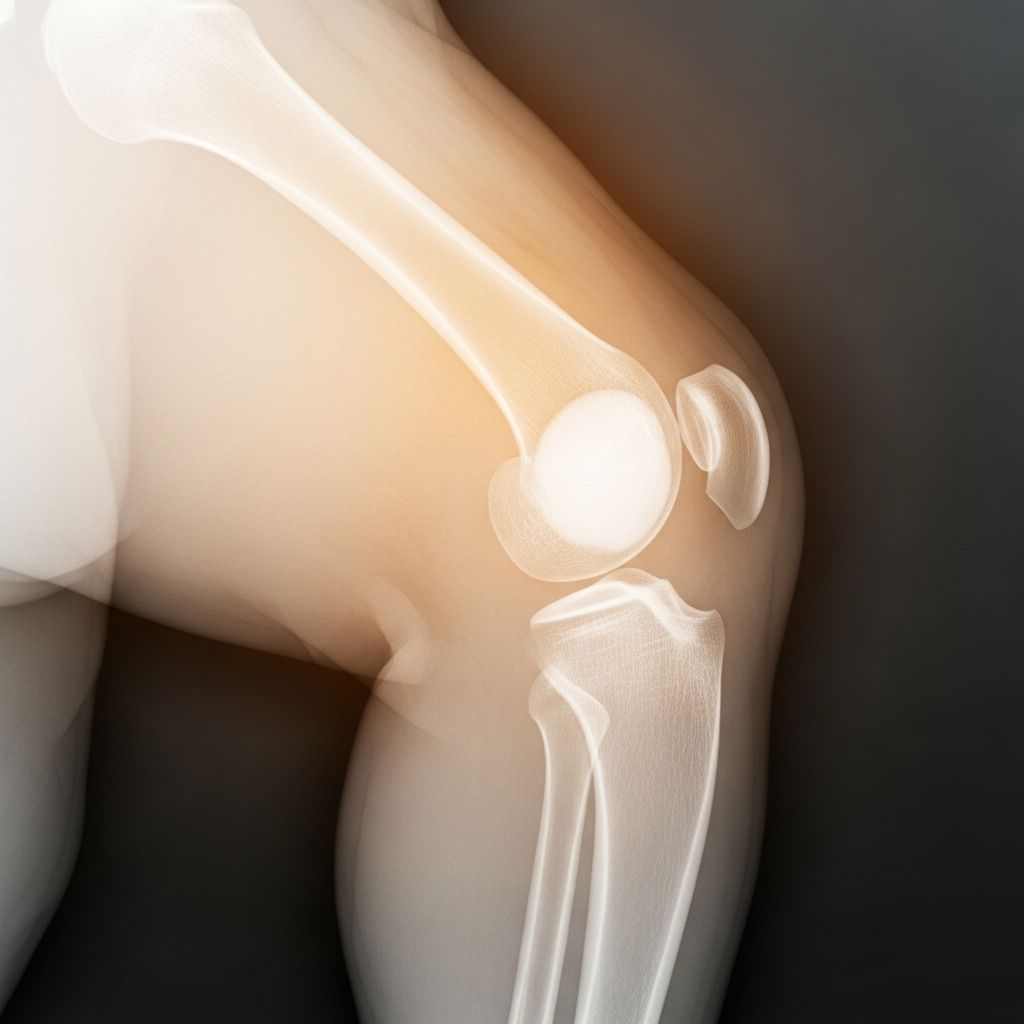
Infants are born with kneecaps, but these are composed of soft cartilage rather than hard bone, allowing flexibility for rapid growth and movement. This cartilaginous structure, known as the patella, protects the knee joint while accommodating the intense physical changes of early childhood.
Understanding the Patella in Newborns
The patella forms during fetal development as a cartilaginous template, providing structural support without the rigidity of bone. Cartilage offers resilience against the pressures of birth and initial activities like kicking or rolling, which bony structures might not withstand as well. Unlike adult kneecaps, which are fully ossified sesamoid bones embedded in the tendon, infant versions remain pliable to facilitate leg elongation and joint maturation.
This setup is evolutionarily advantageous, as rigid bones could complicate delivery or increase fracture risk during the vulnerable newborn phase. By around birth, the patella is a distinct entity visible on ultrasounds, though not detectable as bone on standard X-rays until ossification begins.
Timeline of Kneecap Ossification
Ossification, the process converting cartilage to bone, initiates between ages 2 and 6, varying by individual genetics, nutrition, and activity levels. Initial bone centers appear within the cartilage, often multiple sites that later fuse. Primary ossification solidifies the core by ages 5-6, with full maturation extending to puberty, around 10-12 years.
| Age Range | Development Milestone |
|---|---|
| Birth | Fully cartilaginous patella |
| 2-3 years | Early ossification centers detectable on X-ray |
| 3-6 years | Main bone formation and expansion |
| 10-12 years | Complete bony fusion, with residual cartilage |
This gradual timeline aligns with overall skeletal maturation, where long bones like the femur and tibia also ossify progressively.
Why Cartilage Over Bone at Birth?
- Flexibility for Growth: Infant legs grow rapidly, up to 50% in length during the first year; cartilage stretches without cracking.
- Birth Safety: Softer tissues compress during vaginal delivery, minimizing trauma.
- Mobility Support: Enables crawling, standing, and walking without joint stiffness.
- Injury Resistance: Absorbs impacts from falls, common in toddlers learning balance.
These attributes make cartilage ideal for the dynamic demands of infancy, transitioning to bone as weight-bearing increases.
Observing Normal Knee Growth Patterns
Babies often exhibit bowed legs at birth due to intrauterine positioning, shifting to knock-knees around age 3-4 before straightening by puberty. These variations stem from softening bones and muscle development, resolving naturally in most cases. Symmetric appearance, pain-free movement, and milestone achievement—like cruising at 9-12 months—signal healthy progress.
Parents can monitor via simple checks: knees should align progressively, with no limping or asymmetry. Weight-bearing exercises, like supported standing, promote even development without forcing bones prematurely.
Factors Influencing Healthy Patella Maturation
Nutrition: Calcium, vitamin D, and protein are vital; deficiencies delay ossification. Breast milk or fortified formula supplies essentials, supplemented by sunlight exposure for vitamin D synthesis.
Activity: Encourage tummy time, crawling, and play to stimulate bone loading, which triggers ossification signals.
Genetics: Family history influences timing; some children ossify earlier.
Avoid excessive passive sitting, which can weaken leg muscles and alter alignment.
Potential Knee Development Concerns
While most variations self-correct, persistent issues warrant attention:
- Bowed legs beyond age 2
- Knock-knees with pain or gait issues past age 7
- Swelling, limping, or refusal to bear weight
- Asymmetric leg lengths
Conditions like rickets (vitamin D deficiency), Blount’s disease, or hip dysplasia can mimic normal patterns but require intervention. Early detection via pediatric exams prevents long-term joint stress.
Common Myths About Infant Knees
Myth 1: Babies lack kneecaps entirely. Reality: Cartilage patellae exist from embryonic stages.
Myth 2: Bowed legs mean weak bones. Reality: Often positional, resolving with growth.
Myth 3: Ossification completes by school age. Reality: Full bony structure takes until adolescence.
Diagnostic Tools for Knee Assessment
Pediatricians use physical exams, growth charts, and imaging:
- X-rays: Post-age 2 to visualize ossification centers.
- Ultrasound: For newborns to confirm cartilage presence.
- MRI: Rare, for soft tissue evaluation in complex cases.
Routine well-child visits track progress against norms.
Supporting Knee Health Through Childhood
Beyond infancy, foster bone density with balanced diets, outdoor play, and low-impact sports. Limit screen time to encourage active exploration, which strengthens tendons around the patella. By school age, as ossification advances, proper footwear and ergonomics prevent alignment issues.
Frequently Asked Questions
Are newborns truly without bony kneecaps?
No, they have cartilaginous kneecaps that ossify starting around age 2-6.
Is it normal for toddlers to have bowed or knock-knees?
Yes, these typically resolve by puberty; monitor for pain or persistence.
How can nutrition impact kneecap development?
Vitamin D and calcium promote timely ossification; deficiencies may delay it.
When should I worry about my child’s knees?
If asymmetry, pain, or delayed walking occurs, consult a pediatrician promptly.
Does early walking affect kneecap formation?
No, natural activity supports healthy progression without rushing bone hardening.
References
- When Do You Get Kneecaps? Baby Development Explained — GetLabTest. 2023. https://www.getlabtest.com/news/post/when-do-you-get-kneecaps
- Knee Development in Children — Noyes Knee Institute. Accessed 2026. https://noyeskneeinstitute.com/bowlegged-knock-kneed-healthy-knee-development-young-children/
- Do Babies Have Kneecaps? — Healthline. 2023-01-15. https://www.healthline.com/health/do-babies-have-kneecaps
- Do Babies Have Kneecaps? — The Bump. 2023. https://www.thebump.com/a/do-babies-have-kneecaps
- Bones Develop in Distinctive Ways Depending on Gender — Rady Children’s Hospital San Diego. 2024. https://www.rchsd.org/health-safety/growing-up-columns/bones-develop-in-distinctive-ways-depending-on-gender/