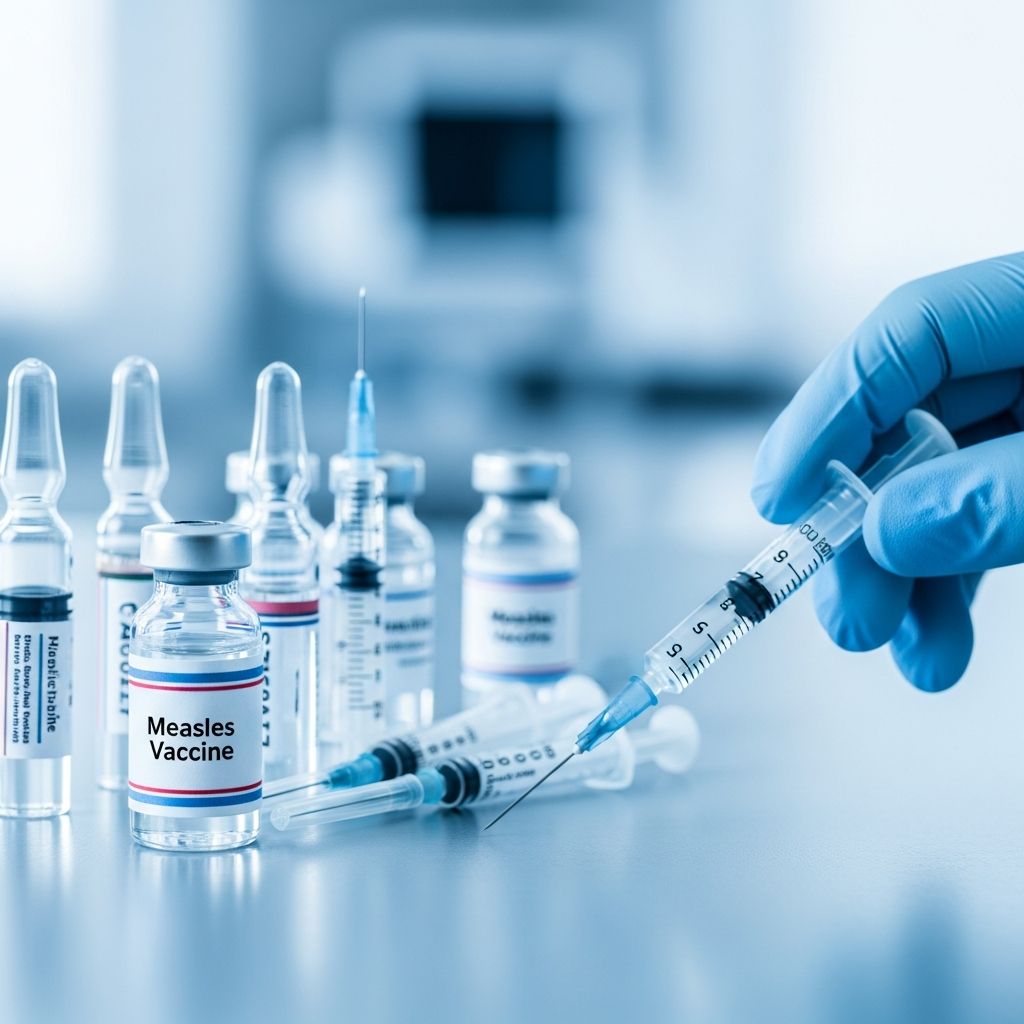
Measles outbreaks are surging across the United States, with 1,575 cases reported in 2026 to date, predominantly affecting unvaccinated individuals and underscoring vulnerabilities in adult immunity, particularly for those born before 1989 when vaccination practices differed significantly. The Centers for Disease Control and Prevention (CDC) emphasizes that two doses of the MMR vaccine provide 97% effectiveness against measles, yet many adults from that era may lack full protection due to historical vaccine types or incomplete records. This article delves into the reasons behind potential revaccination needs, current guidelines, outbreak data, and practical steps for ensuring lifelong immunity.
Understanding Measles and Its Resurgence
Measles is one of the most contagious viruses known, spreading through airborne droplets and capable of infecting 90% of susceptible contacts in close proximity. Complications include pneumonia, encephalitis, hearing loss, and death, with young children under 5 bearing the brunt—330 cases in 2026 alone. The 2026 American Academy of Pediatrics (AAP) immunization schedule reaffirms protection against 18 preventable diseases, including measles, amid over 2,200 cases and three deaths in the prior year. Declining kindergarten MMR coverage from 95.2% in 2019–2020 to 92.5% in 2024–2025 has eroded herd immunity, leaving 286,000 children vulnerable and amplifying risks for all ages.
Historical context reveals why pre-1989 births are at risk: early vaccines like the inactivated version offered limited protection, and live vaccines post-1968 were not universally two-dose regimens until later. Adults born before 1989 often received only one dose or none, presumptive immunity based on birth year was once assumed but is now questioned amid outbreaks.
CDC and AAP Vaccination Guidelines Explained
The CDC recommends two MMR doses for children: first at 12–15 months, second at 4–6 years, with MMRV options up to age 12. For adults, one dose suffices for most unless in high-risk groups like healthcare workers, travelers, or college students, who need two. The AAP echoes this, mandating 28-day intervals for MMR and 90 days for MMRV, with early doses for travel or outbreaks not counting toward the series if before age 1.
| Group | Recommended Doses | Timing/Notes |
|---|---|---|
| Children (Routine) | 2 doses MMR/MMRV | Dose 1: 12-15 months; Dose 2: 4-6 years |
| Infants 6-11 months (Travel/Outbreak) | 1 dose MMR | Does not count toward series; repeat at 12 months |
| Adults (General) | 1-2 doses | 2 for high-risk; no routine antibody testing post-vax |
| Pre-1989 Adults | Assess immunity | Revaccinate if no evidence (records, lab, birth post-1957) |
Post-exposure, MMR within 72 hours or immunoglobulin within 6 days can mitigate infection. The 2026 AAP schedule remains stable, prioritizing evidence-based timing despite minor federal tweaks.
Why Pre-1989 Adults Face Unique Risks
Presumptive immunity once applied to those born before 1989, assuming natural infection or vaccination, but waning antibodies and incomplete early campaigns necessitate verification. In 2026 outbreaks, 92% of cases were unvaccinated/unknown status, with 27% in adults 20+. Breakthrough infections occur in 10% of vaccinated during intense outbreaks, but two doses slash risk dramatically. Healthcare personnel and travelers must confirm two doses, as single-dose efficacy is 93%.
- Vaccine Evolution: Inactivated vaccines (pre-1968) failed; live versions improved but required boosters.
- Record Gaps: Many lack proof, prompting safe revaccination without testing.
- Outbreak Pressures: 814 cases in 5-19 year-olds signal community spread risks.
Steps to Check and Boost Your Immunity
Consult providers for vaccination history; if uncertain, revaccinate—it’s safe and effective without antibody tests. High-risk adults should aim for two doses. Pregnant individuals or immunocompromised avoid live vaccines, opting for immunoglobulin post-exposure.
- Review records or recall childhood shots.
- Discuss with doctor; lab immunity tests available but not routine.
- Receive MMR if needed; side effects mild (fever, rash).
- Protect contacts, especially infants too young for full series.
Outbreak Data and Vaccination Impact
2026 saw 1,575 cases versus 2,285 in 2025, with kindergarten coverage dips fueling spread. Two-dose efficacy (97%) versus one (93%) is critical for herd immunity above 95%. AAP stresses simultaneous safe administration with other vaccines.

Visualizing 2026 data: Under-5s (21%), 5-19s (52%), adults 20+ (27%).
Common Concerns and Side Effects
MMR is safe; no autism links, thimerosal-free flu shots continue. Mild reactions (10% fever) outweigh measles risks. Contraindications: pregnancy, severe allergy.
Frequently Asked Questions
Do pre-1989 adults need measles boosters?
Yes, if no presumptive evidence like two prior doses or lab immunity; CDC advises against routine adult catch-up but urges high-risk verification.
Is one MMR dose enough for adults?
For most, yes (93% effective), but two recommended for outbreaks, travel, healthcare.
Can I get MMR if previously vaccinated?
Yes, harmless; extra doses don’t harm and may boost waning immunity.
What about post-exposure vaccination?
MMR within 72 hours or IG within 6 days prevents/reduces severity.
How effective is MMR against measles?
97% with two doses, 93% with one; breakthroughs rare.
Protecting Families in High-Risk Settings
International travel mandates early infant doses (6-11 months), not counting toward routine series. College students, immunocompromised contacts prioritize two doses. 2026 AAP guidance protects against measles alongside rotavirus, pertussis, and more.
Maintaining high coverage curbs outbreaks; parents verify status via HealthyChildren.org schedules. Revaccination bridges gaps for pre-1989 cohorts, safeguarding communities.
References
- Measles Vaccine Recommendations — CDC. 2026. https://www.cdc.gov/measles/hcp/vaccine-considerations/index.html
- Measles Vaccine — American Academy of Pediatrics (AAP). 2026. https://www.aap.org/en/patient-care/measles/measles-vaccine/
- AAP Releases Recommended Childhood and Adolescent Immunization Schedule for 2026 — HealthyChildren.org (AAP). 2026-01-26. https://www.healthychildren.org/English/news/Pages/AAPs-recommended-childhood-and-adolescent-immunization-schedule-for-2026.aspx
- Measles Cases and Outbreaks — CDC. 2026. https://www.cdc.gov/measles/data-research/index.html
- American Academy of Pediatrics releases 2026 immunization schedule — CHOC. 2026. https://health.choc.org/american-academy-of-pediatrics-2026-immunization-schedule/
- Measles Vaccine Recommendations — CDC. 2026. https://www.cdc.gov/measles/hcp/vaccine-considerations/index.html