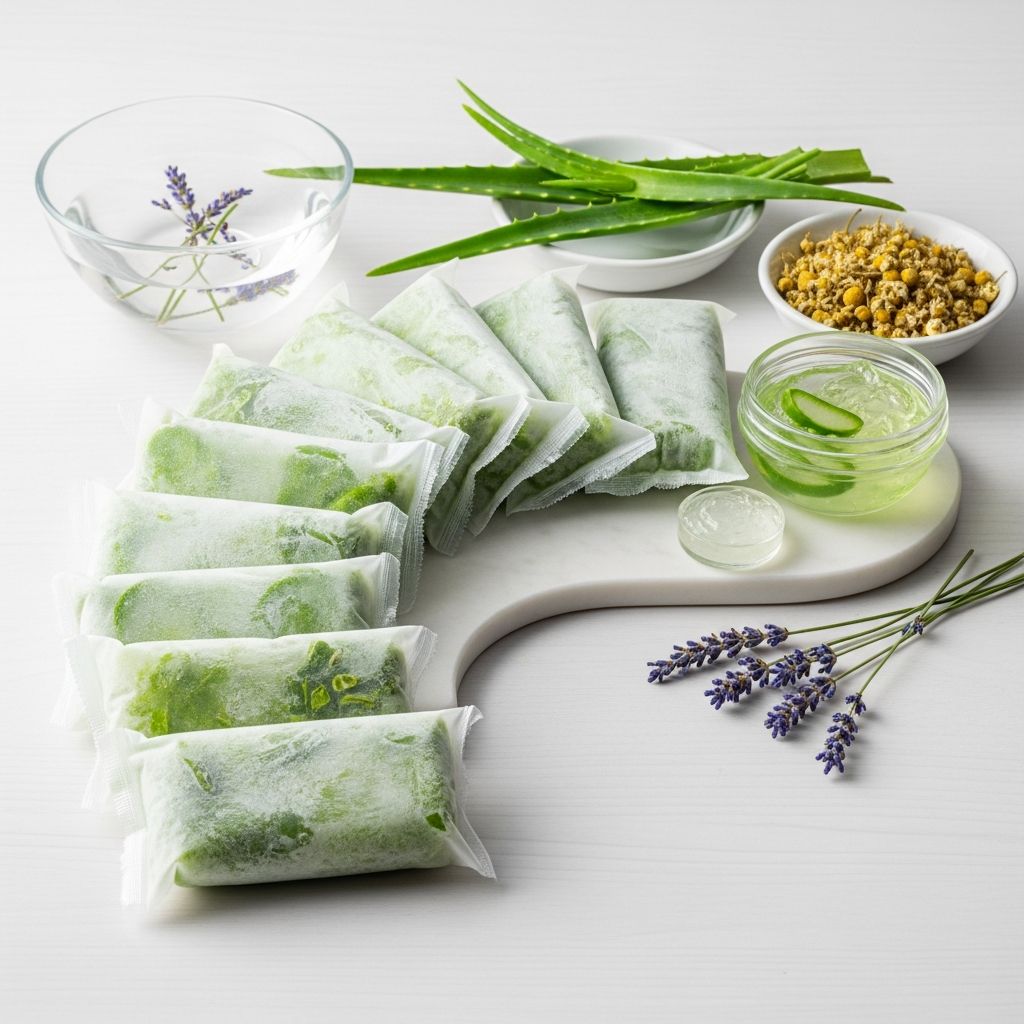
Postpartum recovery involves managing discomfort from vaginal soreness, swelling, and healing after delivery. Padsicles—maxi pads infused with soothing ingredients—offer targeted cooling relief when frozen. This guide provides an original recipe, benefits, variations, and tips for new mothers preparing for the early recovery days.
Understanding Postpartum Vaginal Soreness
After vaginal birth, the perineal area often experiences tenderness due to stretching, tears, or episiotomy. Swelling peaks around 24-48 hours postpartum, exacerbated by lochia (post-birth discharge). Cooling therapies reduce inflammation by constricting blood vessels, easing pain without medication. According to the American College of Obstetricians and Gynecologists (ACOG), non-pharmacological interventions like cold packs support perineal recovery.
Commercial perineal pads exist, but DIY padsicles allow customization with natural antiseptics and anti-inflammatories. They hydrate skin, promote healing, and provide a barrier against infection risks from moisture.
Essential Ingredients for Effective Padsicles
Select hypoallergenic, pregnancy-safe components. Focus on purity to avoid irritation on sensitive tissue.
- Aloe vera gel: Pure, organic gel moisturizes and cools, with studies showing it accelerates wound healing via polysaccharides.
- Witch hazel: Astringent from Hamamelis virginiana bark reduces swelling and itching; alcohol-free versions prevent drying.
- Herb-infused oil: Calendula or chamomile in carrier oil (like coconut) offers antibacterial properties.
- Essential oils: Lavender or frankincense for calming aroma and mild antimicrobial effects; dilute properly (1-2% max).
- Maxi pads: Overnight, organic cotton for absorbency without dyes or fragrances.
Avoid petroleum-based products or strong scents that could disrupt pH balance.
Step-by-Step Padsicle Preparation Guide
Prep time: 20 minutes. Makes 12-16 padsicles. Store in freezer bags for up to 3 months.
- Prepare herbal infusion: Boil 1 cup distilled water, steep 2 tbsp dried calendula and chamomile for 10 minutes. Strain and cool. This base enhances soothing without residue.
- Mix soothing liquid: In a bowl, combine 1/2 cup aloe vera gel, 1/2 cup witch hazel, 1/4 cup herb infusion, and 2 tbsp fractionated coconut oil. Stir until emulsified.
- Add essential oils: Mix in 10 drops lavender and 5 drops frankincense. Test on inner arm for sensitivity.
- Assemble pads: Unfold maxi pads on parchment-lined baking sheet. Use pastry brush or squeeze bottle to apply 1-2 tbsp mixture evenly, focusing on center and wings. Fold and stack gently.
- Freeze: Place in gallon freezer bags, separating layers with parchment. Freeze flat for 4-6 hours until solid.
| Batch Size | Aloe Vera | Witch Hazel | Herb Infusion | Oil | Makes |
|---|---|---|---|---|---|
| Small (6 pads) | 1/4 cup | 1/4 cup | 2 tbsp | 1 tbsp | 6 |
| Standard (12 pads) | 1/2 cup | 1/2 cup | 1/4 cup | 2 tbsp | 12-16 |
| Large (24 pads) | 1 cup | 1 cup | 1/2 cup | 1/4 cup | 24-32 |
Flavor Variations for Padsicles
Customize based on needs: anti-inflammatory for swelling, antimicrobial for tears, or hydrating for dryness.
- Ultimate Cooling: Add 1 tbsp menthol-free arnica oil for deeper relief.
- Antibacterial Boost: Infuse with 1 tbsp tea tree hydrosol (diluted).
- Luxury Spa: Rose geranium oil (8 drops) with extra aloe for scent and moisture.
- Simple Budget: Just aloe, witch hazel, and vitamin E oil for healing.
For C-section recovery, use externally on incision sites if doctor-approved, or make smaller panty liner versions.
Safe Usage and Postpartum Application Tips
Thaw slightly (10-15 minutes) before use for gentler cold. Wear over mesh underwear; change every 2-4 hours or as needed. Combine with sitz baths using Epsom salts for comprehensive care.
Monitor for allergies: Discontinue if redness occurs. Consult OB-GYN if you have stitches, hemorrhoids, or infections. Not a substitute for medical advice.
Benefits Backed by Research
Cold therapy reduces perineal pain by 20-30% in first days postpartum, per Cochrane reviews. Natural ingredients like witch hazel match hospital gels in efficacy. Mothers report improved mobility and sleep with padsicles.
Preparation Timeline for New Moms
- Third Trimester (Week 36+): Assemble freezer stock during nesting phase.
- Hospital Bag: Pack 4-6 thawed padsicles in cooler.
- Home Recovery (Days 1-7): Primary use period; restock as needed.
Common Mistakes to Avoid
– Over-saturating pads leads to leakage.
– Using tap water risks bacteria; always distilled.
– Freezing unfolded causes sticking.
– Ignoring patch tests for oils.
Frequently Asked Questions
Can I use padsicles after C-section?
Yes, externally on the incision if cleared by your doctor, or for general comfort. Avoid direct pressure.
How long do padsicles last in the freezer?
Up to 3 months; label with date for freshness.
Are essential oils safe postpartum?
Diluted, yes, but skip if breastfeeding concerns arise. Consult a lactation expert.
Can I make padsicles without witch hazel?
Substitute cooled chamomile tea for similar astringency.
What if I have allergies to aloe?
Use pure shea butter or more herb infusion as alternatives.
Complementary Postpartum Wellness Practices
Pair padsicles with:
– Perineal massage (pre- and postnatal).
– High-fiber diet to prevent constipation straining.
– Kegel exercises starting week 2.
– Supportive pillow for sitting.
These holistic steps enhance recovery, reducing hospital readmissions per WHO guidelines.
References
- ACOG Practice Bulletin: Obstetric Analgesia and Postpartum Care — American College of Obstetricians and Gynecologists. 2023-10-01. https://www.acog.org/clinical/clinical-guidance/practice-bulletin/articles/2023/10/postpartum-care
- Aloe Vera: A Systematic Review of Its Wound Healing Properties — National Institutes of Health (PubMed). 2020-07-15. https://pubmed.ncbi.nlm.nih.gov/32667369/
- Herbal Medicine: Calendula for Skin Health — National Center for Complementary and Integrative Health. 2024-02-12. https://www.nccih.nih.gov/health/calendula
- Perineal Care After Childbirth — Centers for Disease Control and Prevention (CDC). 2022-05-20. https://www.cdc.gov/reproductivehealth/maternalinfanthealth/perineal-care.htm
- Cold Therapy for Perineal Pain Postpartum (Cochrane Review) — Cochrane Database of Systematic Reviews. 2021-11-08. https://doi.org/10.1002/14651858.CD010061.pub2
- Post-Cesarean Wound Care Guidelines — World Health Organization. 2023-04-15. https://www.who.int/publications/i/item/9789240071542
- WHO Recommendations on Postnatal Care — World Health Organization. 2022-09-01. https://www.who.int/publications/i/item/9789240055993