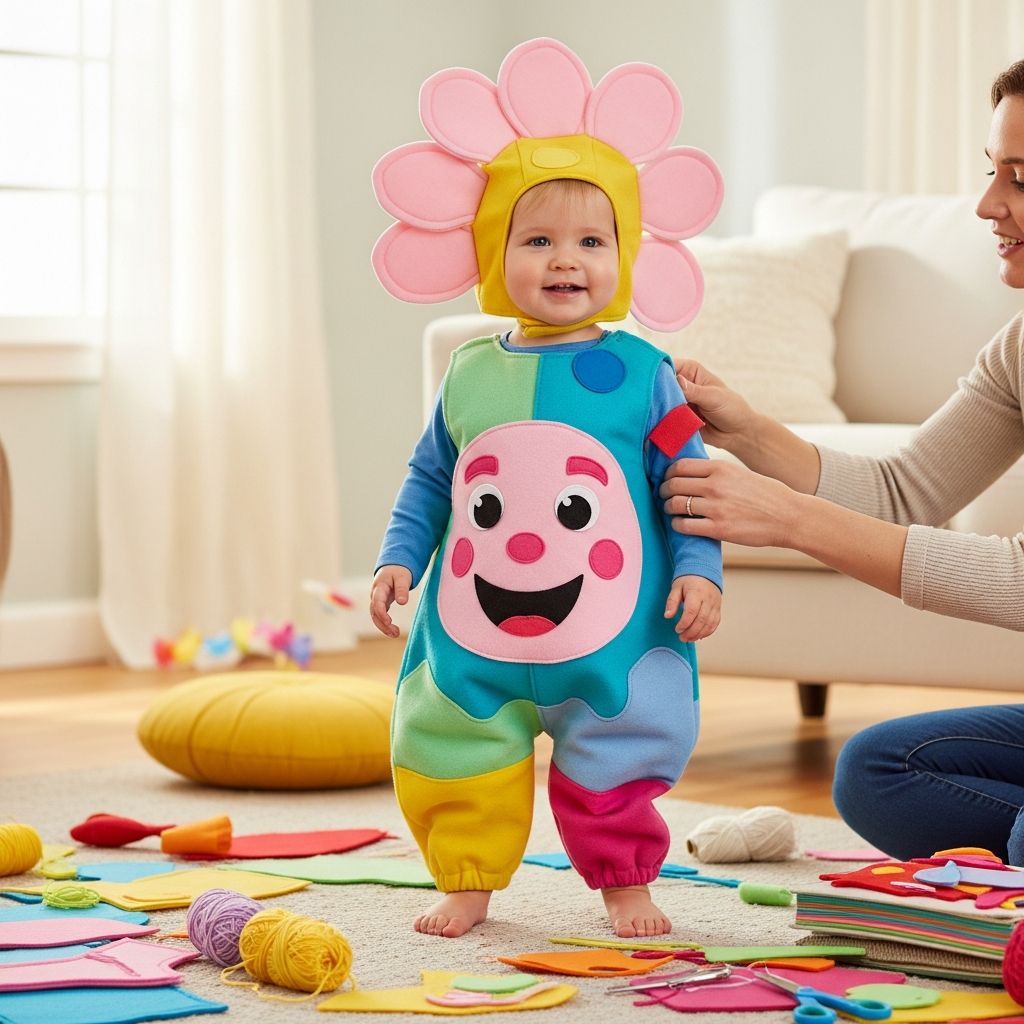
Creating a Foofa-inspired costume for a toddler is easier than it looks when you start with everyday clothing and add a few simple craft details. Instead of chasing down an expensive store-bought outfit, you can customize a cozy costume that fits well, feels soft, and stands up to playground-level activity.
This guide walks you through an original, parent-tested approach to building a pink character costume using a sweatshirt, pants, and felt accents. You will find planning advice, materials, step-by-step instructions, styling ideas, and answers to common questions to help you finish with confidence.
Understanding the Foofa-Inspired Look
Foofa from “Yo Gabba Gabba!” is known for her cheerful, flower-like appearance, which is friendly and easy to translate into a child’s costume. The character’s core features are a pink body, rounded shapes, a simple smiling face, and a flower on top of the head.
When recreating the look for a toddler, the goal is not perfect accuracy but capturing the playful essence: lots of pink, soft textures, simple facial features, and a fun headpiece. By focusing on comfort and safety first, you’ll end up with a costume a young child actually wants to wear rather than pull off after two minutes.
Planning Your DIY Toddler Costume
Before buying anything, take a quick inventory of what you already own. Many families have at least one pink sweatshirt, hoodie, or pair of leggings that can serve as the base of the costume. Planning around existing clothes saves money and helps ensure a familiar, comfortable fit.
Think about the environment where your toddler will wear the costume. Indoor parties may allow lighter fabrics, while outdoor trick-or-treating calls for layers that can fit under or over the costume. Plan for bathroom breaks too: easy-on, easy-off clothing is your friend.
Materials and Tools Checklist
You don’t need advanced sewing skills to complete this project. Many steps can be done with fabric glue or fusible products, but a few stitches will make the costume more durable.
Basic clothing pieces
- Pink sweatshirt or hoodie (slightly loose for layering).
- Matching pink sweatpants or leggings.
- Optional: pink socks or shoes to complete the look.
Craft materials
- Pink felt sheets (for petal details and belly).
- White felt (for eyes and flower petals).
- Black felt (for mouth and pupils).
- Yellow felt (for the flower center).
- Polyester fiberfill or batting (for light padding on the belly, optional).
- Soft headband or knit hat in pink (for the headpiece base).
- Fabric glue or hot glue gun with fabric-safe glue sticks.
- Needle and thread in matching colors (for reinforcement).
- Fabric scissors and regular scissors.
- Tailor’s chalk or washable marker (for tracing shapes).
- Safety pins or clips for temporary positioning.
Designing the Costume Details
Instead of copying any one design exactly, approach this as your own interpretation of a friendly pink flower character. That mindset removes pressure and leaves room for creativity, especially if your child wants to help choose shapes or colors.
Key design elements to plan include a rounded belly patch, petal-like accents around the neckline or hem, a simple cartoon face on the headpiece, and a flower on top. Sketch a rough layout on paper or directly on the sweatshirt with tailor’s chalk before cutting any felt.
Step-by-Step: Creating the Pink Body
1. Prepare the clothing base
- Wash and fully dry the sweatshirt and pants so they won’t shrink after you attach decorations.
- Lay the garments flat on a table, smoothing out wrinkles so you can measure and place felt accurately.
- Slide cardboard, a cutting mat, or a thick magazine inside the sweatshirt to keep glue from soaking through.
2. Add a soft belly panel
The belly patch helps give the costume its character and adds a cute, plush effect without making the outfit bulky.
- Measure the front of the sweatshirt from just below the neckline down to above the hem.
- Cut an oval or rounded rectangle of lighter pink felt that fits comfortably in that space.
- If you want a puffy look, cut a second identical piece and place a thin layer of fiberfill between them.
- Glue or lightly stitch around the edges of the felt panel, leaving no sharp corners that could catch on objects.
3. Create petal accents
Petals hint at Foofa’s flower-like design and are an easy way to make the costume more playful.
- Draw simple teardrop or petal shapes on pink felt using chalk or marker.
- Cut out several identical petals for a consistent look.
- Attach the petals around the neckline, bottom edge of the sweatshirt, or at the wrists for a gentle flower effect.
- Secure with fabric glue or small stitches, pressing firmly so each petal lays flat and won’t irritate your child’s skin.
Crafting the Character Headpiece
The headpiece is where the face and flower come together. Using a soft hat or headband keeps everything comfortable and easy to remove if your toddler becomes overwhelmed.
1. Build the face
- Cut two white felt circles for eyes and two smaller black circles for pupils.
- Cut a simple smiling mouth shape from black felt. Avoid tiny details that are hard to cut and glue.
- Lay the pieces on the hat or headband to test placement. Adjust until the expression looks friendly and balanced.
- Attach the eyes and pupils with fabric glue, then add the mouth below. Let everything dry fully before trying it on your child.
2. Add the flower topper
- Cut 5–6 rounded white petals from felt, all about the same length.
- Cut a small yellow circle for the flower center.
- Arrange petals in a circle, overlapping their bases slightly, and glue them together.
- Glue or stitch the yellow circle in the middle, covering the petal bases.
- Attach the finished flower to the top or front of the hat, making sure it is secure but not heavy.
Optional Extras and Embellishments
Once the core elements are in place, you can add a few extra details if time and energy allow. Keep your child’s comfort at the center of every choice, especially when adding elements that might shift, scratch, or heat them up.
- Arm or leg spots: Add small circular felt patches along sleeves or pant legs for extra whimsy.
- Soft mittens: Simple pink mittens can complete the look on cool evenings, but make sure your child can still grasp objects.
- Matching treat bag: Decorate a small pink tote with leftover felt shapes to echo the costume.
Comfort and Safety Considerations
Costumes for toddlers must balance cuteness with practicality. Always prioritize movement, visibility, and warmth so your child can enjoy the occasion without frustration. Avoid anything that could twist around the neck or limit airflow.
- Use soft, breathable layers under or as part of the costume to avoid itching or overheating.
- Skip hard or sharp decorations such as rigid plastic gems, wires, or pins.
- Make sure the headpiece can be removed quickly by an adult or by the child if they feel uncomfortable.
Quick Reference: Materials and Time
| Item | Approximate Quantity | Notes |
|---|---|---|
| Pink sweatshirt & pants | 1 set | Size up for layering and growth. |
| Pink felt sheets | 4–6 sheets | Used for belly panel and petals. |
| White felt | 2–3 sheets | For eyes and flower petals. |
| Black felt | 1 sheet | For mouth and pupils. |
| Yellow felt | 1 sheet | For flower center. |
| Fiberfill stuffing | Small handful | Optional for padded belly. |
| Fabric glue | 1 tube | Choose a washable, flexible type. |
| Needle and thread | As needed | For reinforcement on high-stress areas. |
| Pink hat or headband | 1 | Base for face and flower. |
Budgeting and Reusing Everyday Items
One of the biggest advantages of this project is that it repurposes everyday clothing instead of relying on a single-use costume. After the event, you can remove felt pieces to return the sweatshirt and pants to regular rotation, or keep them as dress-up clothes.
To save more, check secondhand shops or swap with friends for pink basics. Craft stores often offer sales on felt and fabric glue, and many of the materials needed are small enough that leftovers from other projects can be used.
Getting Your Toddler Involved
Including your child in simple decisions can make them more excited about wearing the costume. Toddlers often enjoy choosing between two colors, pointing to where eyes should go, or helping “press” felt pieces after you glue them.
- Invite them to pick which shade of pink to use for petals or the belly patch.
- Let them try the hat on in front of a mirror so they can see the transformation.
- Give them a small paintbrush to “help” spread fabric glue (with supervision).
Fitting and Test Run
Before the big day, schedule a short trial run at home. Dress your toddler fully in the costume and let them play for a few minutes while you observe how it fits and holds up.
- Check if any pieces scratch, twist, or restrict movement.
- Look for loose edges that might peel off and reinforce them with extra stitching or glue.
- Confirm that your child can sit, bend, and reach comfortably in the outfit.
Photography Tips for Your Homemade Costume
Once your Foofa-inspired creation is complete, you’ll want to capture it in photos. Simple adjustments in lighting and background can highlight the costume’s details without requiring professional equipment.
- Photograph your toddler near a window or outside during the early morning or late afternoon for soft, flattering light.
- Choose a simple background in neutral colors so the pink costume stands out.
- Let your child move and play naturally to capture genuine smiles and expressions.
Frequently Asked Questions
Can this costume be made without sewing?
Yes. Most elements, including the belly panel, petals, eyes, and mouth, can be attached with fabric glue. However, adding a few simple stitches at stress points, such as the edges of the belly patch or the flower topper, will improve durability if your toddler is very active.
What if my child doesn’t like wearing hats?
If a hat or headband is a problem, shift the face details to the sweatshirt instead. You can place the character’s features on the chest and add a small felt flower at the shoulder or neckline to echo the original look while keeping your child comfortable.
How long does this project usually take?
For most parents, cutting and gluing the main pieces can be done in one evening, with extra time the next day for drying and minor adjustments. If you plan more detailed stitching or embellishments, add an extra hour or two.
Can I wash the costume after it’s finished?
That depends on your materials. Felt and fabric glue can often handle gentle hand-washing, but machine washing may loosen glued pieces. To extend the life of the costume, spot clean visible stains and, if necessary, detach felt elements before running the base clothing through the washer.
Is this design adaptable for other characters?
Definitely. Once you understand the basic idea of transforming a sweatsuit with felt, you can adjust colors, shapes, and facial features to represent animals, friendly monsters, or different TV characters. Simply change the palette and key details while keeping the same comfortable structure.
Final Thoughts on Your DIY Foofa-Inspired Costume
By combining a pink sweatsuit with a few custom felt accents, you can build a toddler costume that is playful, practical, and unique to your family. The process is forgiving, budget-friendly, and flexible enough to fit around naps, snacks, and real life with a young child.
Most importantly, this style of DIY project encourages creativity and emphasizes comfort, ensuring your toddler can fully enjoy the fun of dressing up as a bright, cheerful character.