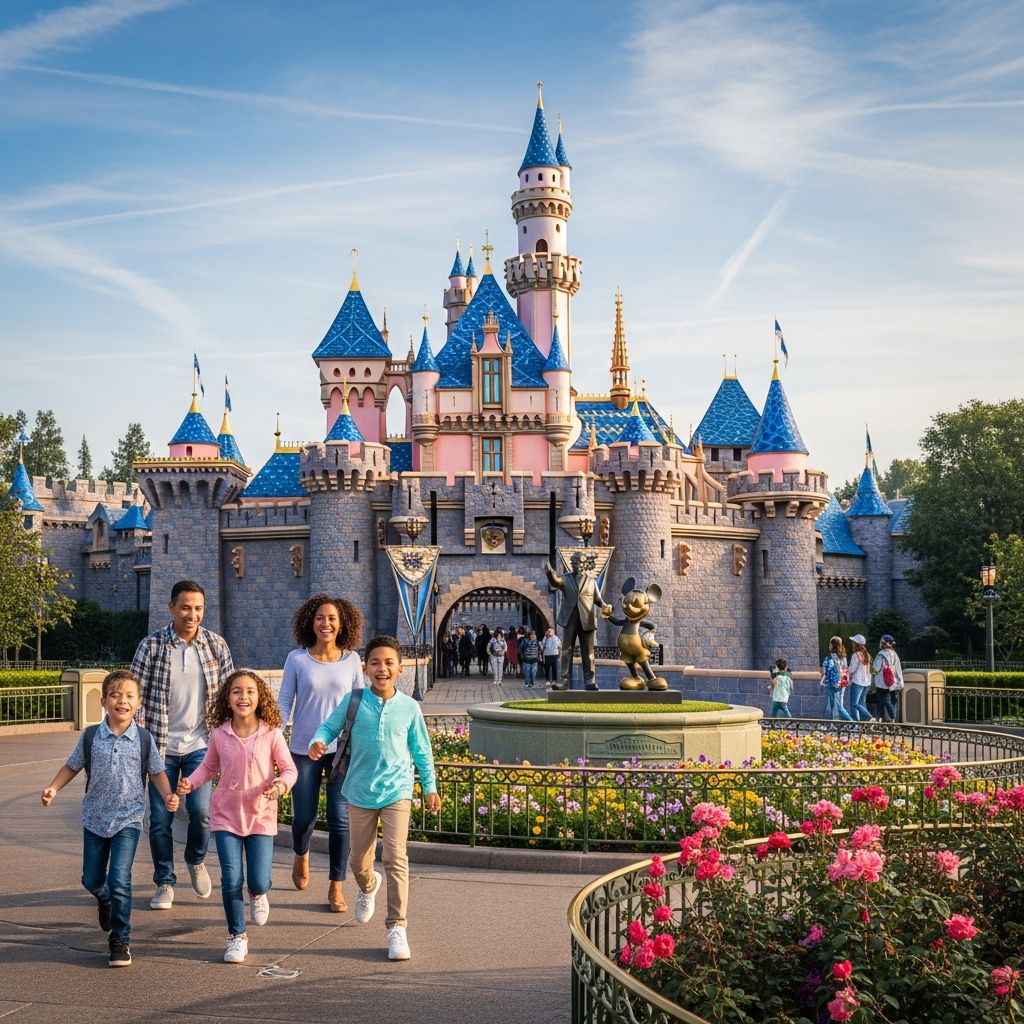
Visiting Disneyland with children is equal parts wonder and logistics. You want the fireworks, the photos, and the big smiles – without the tears, exhaustion, or hours lost in the wrong lines. The key is not to “do it all” but to choose wisely what’s worth your family’s time and energy.
This guide focuses on how to decide what to prioritize, what to skip, and how to shape a day that feels magical instead of overwhelming. It is written for parents who want realistic, kid-centered strategies, not just a list of every single ride.
Start With Your Family’s Real Priorities
Before you think about maps or ride lists, get clear on what matters most for your specific kids. Their ages, energy levels, and fears should drive your plan more than any “must-do” list on the internet.
- Ask each child for one or two “dream” experiences (for example, meeting a certain character, riding a specific attraction, or seeing fireworks).
- Decide as adults what your non-negotiables are (such as taking an afternoon break or leaving by a certain time).
- Agree as a family that you will not do everything, but you will definitely do the things that matter most to each person.
Write these priorities down. When you are in the park and tempted by every sign and light, this list will help you say yes or no quickly instead of debating in the middle of a walkway.
How to Think About Rides With Kids
Not every headliner ride is a good fit for every child. It helps to think about attractions in categories instead of just height requirements.
Four Ride Categories to Consider
- Gentle story rides: Slower, often indoors, focused on scenes and music rather than thrills. Great for toddlers and younger elementary kids.
- Outdoor classics: Boats, trains, and simple rides where the movement is gentle but the setting is visually fun. These are ideal when everyone is getting tired or hot.
- Thrill and big-kid rides: Faster, louder, and sometimes dark or intense. Better for older kids who like speed and surprises.
- Exploration areas: Play spaces, treehouses, and interactive zones where kids move their bodies instead of sitting in vehicles.
Look for a balance of these categories across your day instead of stacking three intense attractions in a row. Alternating between high excitement and low-key rides can prevent both overstimulation and boredom.
What to Prioritize With Young Kids
The youngest travelers (roughly ages 2–6) are easily enchanted by simple experiences. Focus on things that feel magical without requiring long waits or high bravery levels.
High-Value Experiences for Little Ones
- Character encounters: Meeting favorite characters can be more meaningful than any ride. Lines are often shorter earlier in the day or at less obvious locations.
- Gentle dark rides: Story-based attractions with colorful scenes and music often become instant favorites.
- Fantasy-style carousels and spinners: Short, repeatable, and great for kids who want to “do it again” without melting down from long waits.
- Boats and trains: These give movement and views while allowing everyone to sit and reset for a few minutes.
With smaller children, your win for the day is usually a steady stream of “pretty good” experiences rather than one or two huge moments that cost an hour in line.
What to Prioritize With Older Kids
Older kids and tweens often care less about characters and more about big thrills and feeling independent. Give them chances to feel brave and included in decision-making.
High-Value Experiences for Older Children
- Headliner attractions: Use early entry or park opening hours to hit one or two major thrill rides before lines build.
- Interactive or competitive rides: Shooting-gallery style attractions or races are perfect for kids who like to “beat” a score or a sibling.
- Nighttime shows: Fireworks, evening projections, and after-dark parades often feel more special to older kids who can stay up later.
- Exploration zones: Themed play areas or obstacle-course style spaces are an excellent way to burn off energy and break up queuing time.
Give older kids some power: let them choose one land to explore after dinner or which ride to repeat at the end of the night.
Smart Things to Skip (Or Limit)
You do not get extra points for going on every ride. Some experiences cost more time and emotional energy than they are worth for many families.
Common Time Traps
- Extremely long lines for very short rides: If the posted wait approaches an hour for a 90-second experience, ask if it is truly anyone’s top priority.
- Attractions that duplicate what you have at home: Simple spinning rides or basic car tracks might not be worth premium time if your kids can ride something similar at a local amusement park.
- Shows at inconvenient times: A 25-minute show can be wonderful, but not if it forces you to keep a tired toddler awake just to “get your money’s worth.”
Age Mismatches to Avoid
- Too-scary dark rides for preschoolers: Even if there is no height limit, loud sounds or sudden darkness can ruin the mood for a long stretch.
- Slow shows for energetic kids: If your child never sits still for TV at home, a slow-paced stage show may be a battle instead of a break.
- Intense thrill rides immediately after meals: This is an easy recipe for upset stomachs and crankiness.
It is better to skip a few famous rides and leave with happy memories than to force them and end the day in tears.
Sample Time-Value Table for a Family Day
The table below gives example “value ratings” for different types of Disneyland experiences for a family with mixed ages. This is not a list of specific attractions but a way to think about where your minutes are going.
| Experience Type | Estimated Time Cost (including wait) | Emotional Energy Cost | Family Value (typical) | Best For |
|---|---|---|---|---|
| Gentle story ride | 15–30 minutes | Low | High for ages 2–8 | Preschoolers, early elementary |
| Outdoor classic ride | 20–40 minutes | Low to medium | High across age ranges | Whole-family groups |
| Major thrill ride | 45–75 minutes | Medium to high | Very high for thrill-seekers, low for fearful kids | Older kids, teens, adults |
| Character meet and greet | 20–45 minutes | Medium (lining up, photos) | Extremely high for character-loving kids | Toddlers to tweens who love characters |
| Stage show or parade | 30–60 minutes (including waiting for a spot) | Medium | High if your kids enjoy performances | Kids who like music, adults needing a sit-down break |
| Play and exploration area | 20–40 minutes | Low | High reset value when kids are restless | Any age that needs to burn off energy |
Plan Your Day in Manageable Chunks
Breaking the day into three or four chunks makes decision-making easier. Instead of trying to plan every minute, give each segment a theme and a goal.
Morning: Use the Energy
- Arrive early if possible; kids usually wake up early anyway.
- Focus on one or two of your highest-priority attractions while lines are shorter.
- Use this window for rides that the whole family can enjoy together before everyone gets scattered and tired.
Midday: Protect the Mood
- Accept that midday will be hotter, more crowded, and more exhausting.
- Schedule lunch, indoor rides, or shows during this time to avoid standing in the harshest sun.
- Strongly consider going back to the hotel or finding a quiet in-park corner for rest, stroller naps, or screen time.
Afternoon and Evening: Slow and Selective
- Return to the park with lower expectations; treat everything else as a bonus.
- Repeat a family-favorite ride instead of chasing a completely new one with a long line.
- Decide early whether you will stay for nighttime shows; if yes, build in an extra rest block late afternoon.
Food, Snacks, and Avoiding Hangry Moments
Food lines can be as punishing as ride lines, especially when everyone is already tired. A little planning goes a long way.
- Feed earlier than usual: Aim for meals slightly before standard lunch and dinner rushes to minimize waits.
- Carry simple snacks: Crackers, fruit pouches, and small treats bridge the gaps between meals and lines.
- Hydrate constantly: Refill water bottles whenever you pass a fountain or counter-service spot; dehydration amplifies crankiness.
- Use meals as calm time: Treat sit-down or shaded quick-service meals as mental breaks, not just quick refueling stops.
When kids start to unravel, food and water solve more problems than another ride.
Managing Expectations (For Kids and Adults)
A successful Disneyland day with kids is as much about mindset as it is about logistics. If everyone expects perfection, even small setbacks feel huge. If everyone expects a fun but imperfect adventure, surprises become part of the story.
- Talk about flexibility before you go: Explain that ride closures, weather, or long lines might change your plans and that this is normal.
- Adopt a “one more thing” rule: When energy drops, agree to do “one more thing” together – a ride, a snack, or a photo – and then leave on a positive note.
- Allow small disappointments: Validate feelings when a ride is too scary or a line is too long, then offer an appealing Plan B instead of insisting everyone be cheerful.
Practical Packing Tips That Save Your Day
What you bring – and what you leave behind – can dramatically change your comfort level. Focus on items that reduce waiting pain, sun exposure, and friction with kids.
- For comfort: Lightweight stroller for young children, sun hats, sunglasses, and layers for cooler evenings.
- For lines: Simple, non-noisy toys, downloaded shows or games, and small fidgets for kids who struggle with waiting still.
- For emergencies: Bandages, basic pain reliever (as appropriate), hand wipes, and an extra outfit or at least a spare shirt for spills or accidents.
- For memories: Phone with plenty of storage, external battery, and perhaps a small bubble wand or light-up toy to avoid impulse buys later.
Frequently Asked Questions About Disneyland With Kids
How many days do we really need with young children?
For families with kids under eight, one or two days is usually plenty. A single long day can be magical if you keep expectations focused on a handful of priorities, while two shorter days with a restful midday break often feel better than one marathon.
Is park hopping worth it with kids?
Park hopping can add flexibility for older children and teens who want specific headliner rides in both parks, but it also creates extra walking and decision fatigue. With younger kids, it is often more efficient to pick one park per day and reduce transitions.
What time of day is best for young kids to ride?
Mornings are usually best because temperatures are cooler, crowds are lighter, and children tend to be in a better mood. Late evening can also be pleasant if your kids are natural night owls, but skipping the very end of the night is often healthier for overall happiness.
Should a nervous child try thrill rides?
Respect your child’s temperament more than peer pressure or hype. If a child is deeply anxious, forcing a big thrill ride can create lasting fear instead of confidence; start with milder attractions and let them build up at their own pace.
How do we handle different ages and interests?
Divide the day into blocks where the whole family stays together and optional blocks when adults temporarily split up. During split time, one adult can handle thrill rides with older kids while the other focuses on playgrounds, gentle rides, or character meets with younger siblings.
Designing Your Own “Worth It” Day
No two families experience Disneyland the same way, and that is the point. The best day is not the one that checks the most boxes or sees the most attractions; it is the one where your kids feel seen, your adults stay mostly calm, and you leave with stories you want to tell again.
- Choose a few must-do experiences that match your children’s ages and personalities.
- Sprinkle in low-pressure rides and play areas as buffers between bigger thrills or long lines.
- Build real breaks into the day so your family can reset instead of pushing through every moment.
With thoughtful choices and flexible expectations, Disneyland becomes less of a test of endurance and more of a shared adventure you will actually remember fondly – not just survive.