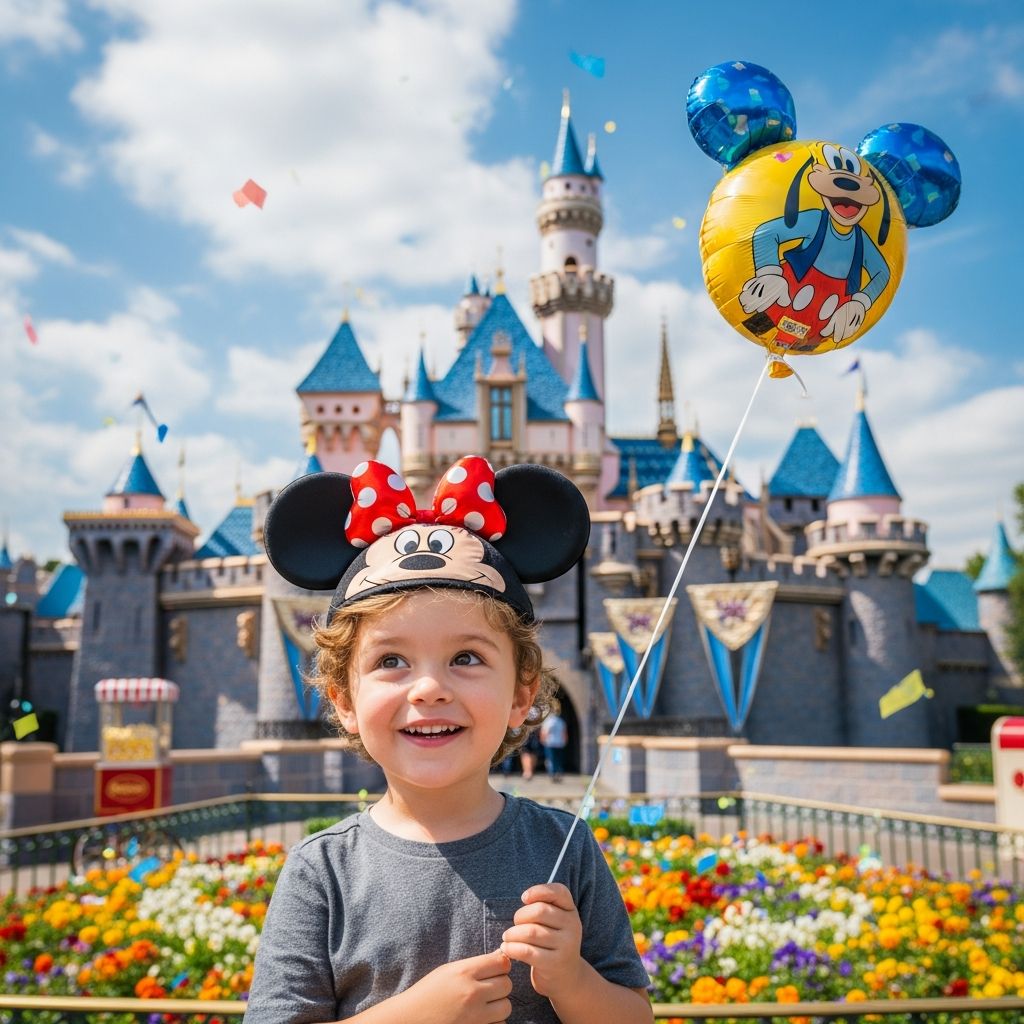
Taking a three-year-old to Disneyland can feel equal parts dream vacation and logistical puzzle. With the right mindset and a realistic plan, it becomes a joyful, memory-packed day instead of a marathon of meltdowns.
Start With the Right Expectations
Disneyland through a preschooler’s eyes is a completely different park than the one teens or adults experience. Your goal is not to “do it all” but to create a handful of magical moments and keep everyone reasonably rested and fed.
- Measure success by smiles and calm stretches, not by number of rides.
- Expect slower walking, longer bathroom breaks, and lots of snack stops.
- Assume you will leave with missed attractions on your list—and that’s okay.
Planning Before You Go
A bit of upfront planning can turn an overwhelming park day into an easygoing adventure. Think about timing, lodging, and ticket options with your child’s daily rhythm in mind.
Pick the Best Time of Year
Three-year-olds are sensitive to heat, noise, and crowds, so milder weather and moderate attendance can dramatically improve the day. Weekdays during school terms are usually calmer than holiday peaks and long weekends.
- Aim for cooler months or shoulder seasons to avoid midday heat.
- Check for major holidays, local school breaks, and special events that can spike crowds.
- Plan flexible dates if possible so you can dodge storms or extreme heat.
Decide How Many Days You Need
With a three-year-old, more days usually mean shorter, happier park sessions. One intense day can be magical, but two gentler days often work better for little legs and big feelings.
| Days | Pros | Cons | Best For |
|---|---|---|---|
| 1 Day |
|
| Families nearby or kids who nap well in strollers. |
| 2 Days |
|
| Most families with a three-year-old, especially first-timers. |
| 3+ Days |
|
| Families turning the trip into a full vacation with rest days. |
Choose Where to Stay
Proximity matters more with a preschooler than almost any other factor. The easier it is to walk back for a nap or early bedtime, the smoother your entire trip will feel.
- Prioritize walking distance or direct access over fancy amenities.
- Look for fridge access for milk, snacks, and simple breakfast items.
- If budget allows, consider a hotel with a quiet pool for late-afternoon decompression.
Packing Essentials for a Preschool Park Day
What you bring into the park can make the difference between handling a cranky moment and having to leave early. Think comfort, sun protection, and boredom busters.
Must-Have Gear
- Stroller (even if they rarely use one at home) – Disneyland days are long; tiny legs tire quickly.
- Light blanket or muslin – For shade, warmth at night, or a stroller nap.
- Change of clothes – Include socks and underwear for spills or splash pads.
- Small backpack or diaper bag – Keep essentials organized and easy to grab in queues.
Snacks and Hydration
Hunger is one of the fastest meltdown triggers at this age. Having familiar snacks on hand can prevent drama in long lines and tide kids over until mealtimes.
- Pack non-messy, easy-to-grab snacks like crackers, fruit pouches, and granola bars.
- Bring a lidded water bottle for your child and refill it frequently.
- Use snack breaks as mini rest stops instead of always eating on the go.
Comfort and Calm Items
Disneyland is exciting but can also be overwhelming. A few small comfort objects help your child reset when the stimulation gets too intense.
- Pack their favorite small stuffed animal or blanket for comfort.
- Consider child-sized headphones or ear defenders for parades and fireworks.
- Load a few offline shows or audio stories on your phone for long waits.
Designing a Three-Year-Old-Friendly Day
Three-year-olds thrive on predictable rhythms, even in a new place. Build your Disneyland day around their normal eating, play, and rest pattern rather than trying to fit your child into the park’s schedule.
Sample One-Day Disneyland Rhythm
Use this as inspiration and adjust for your own child’s wake-up, nap, and bedtime habits.
- Early morning: Arrive near opening, focus on a cluster of gentle rides in one area.
- Late morning: Snack, bathroom break, one or two more rides or a short show.
- Midday: Sit-down or quick-service lunch, then head back to the hotel or find a quiet spot for a stroller nap.
- Afternoon: Low-key attractions, character sightings, or play areas instead of long, intense queues.
- Evening: Early dinner, one or two last rides, then decide between a parade/fireworks or an early exit.
Cluster Your Activities
With a three-year-old, zig-zagging across the park wastes energy and patience. Instead, do most of your morning in one land before moving on.
- Pick one main land for morning rides, one for afternoon exploring.
- Use transportation options like the train or monorail as both rides and a way to rest little legs.
- Avoid backtracking whenever possible to reduce fatigue.
Choosing Rides and Attractions for Three-Year-Olds
At this age, your child’s enjoyment often comes from simple visuals—colors, music, and gentle motion—rather than thrills. Focus on slower, story-driven experiences rather than intense rides.
How to Decide What’s Appropriate
- Check whether a ride is dark, loud, or features sudden scenes that might scare sensitive kids.
- Look up height requirements ahead of time to avoid disappointment at the entrance.
- Watch short ride-through videos at home so your child knows what to expect.
Types of Attractions Many Three-Year-Olds Enjoy
| Attraction Type | Why It Works | Tips for Parents |
|---|---|---|
| Gentle boat and train rides | Slow movement, fun scenery, and a built-in chance to sit down. | Use these as early-afternoon breaks when everyone needs to recharge. |
| Carousels and spinning rides | Simple, predictable motion that feels exciting but not overwhelming. | Skip if your child is prone to motion sickness or hates spinning. |
| Interactive play areas | Freedom to climb, run, and explore without waiting in long lines. | Great for before or after sitting through a show or long ride. |
| Short shows and musical experiences | Bright costumes, familiar songs, and air-conditioned seating. | Sit at the aisle end for quick exits if your child loses interest. |
When to Skip an Attraction
Sometimes the bravest parenting decision is saying no, even when a ride looks fun to adults. Protecting your three-year-old’s sense of safety can help them enjoy the rest of the day more.
- Skip rides with loud explosions, sudden drops, or intense darkness if your child is sensitive.
- Watch the entrance and listen to the soundscape—if it scares them, trust that instinct.
- Remember you can always come back when they are older and more ready.
Managing Naps, Meltdowns, and Big Feelings
Even the most easygoing preschooler will likely have emotional moments in the parks. Plan for them rather than hoping they won’t happen.
Nap Strategies
- If your child still naps daily, build a solid rest block into your schedule.
- Decide whether you’ll return to the hotel or aim for a stroller nap in a quieter corner of the park.
- Use white noise apps or familiar nap routines to help them fall asleep in a new environment.
Handling Overstimulation
Disneyland is a sensory feast: lights, music, crowds, and characters everywhere. For a three-year-old, the overload can arrive suddenly after hours of apparent happiness.
- Watch for early signs of fatigue: rubbing eyes, extra clinginess, or zoning out.
- Take micro-breaks on benches or in quiet corners, even if your child insists they are “not tired.”
- Have a simple phrase like, “Let’s take a calm break,” and treat it as a normal part of the day, not a punishment.
Food, Treats, and Character Encounters
Food and characters are a huge part of the magic at this age, but they can also lead to meltdowns if not managed carefully. Setting gentle boundaries ahead of time keeps expectations realistic.
Smart Food Choices
- Whenever possible, keep meal times close to normal to avoid blood sugar crashes.
- Mix special park treats with familiar, simple foods your child actually eats.
- Eat slightly earlier than the crowds to avoid long lines and cranky waits.
Meeting Characters Without Tears
Many three-year-olds love characters from a distance but freeze or cry face-to-face. That’s developmentally normal, and forcing hugs usually backfires.
- Start by waving at characters during parades or from afar before jumping into a meet-and-greet line.
- Stand nearby and let your child decide whether to approach, high-five, or simply watch.
- If they’re nervous, you can pose with the character while your child stays in your arms.
Stroller, Safety, and End-of-Day Logistics
The end of a Disneyland day with a preschooler often looks like a sleepy, sticky, over-stimulated child. Thinking ahead about safety and exit strategy makes that final stretch smoother.
Stroller Tips
- Label your stroller clearly with a ribbon or tag so it’s easy to spot in parking areas.
- Keep a small pouch in the stroller with wipes, tissues, and a change of clothes.
- Use the stroller even when they want to walk; alternating walking and riding saves energy.
Safety Basics
- Take a clear photo of your child in that day’s outfit before entering the park.
- Teach a simple plan: “If we get separated, go to a worker with a name tag.”
- Consider a temporary ID bracelet with your phone number.
Leaving the Park Gracefully
Transitions are hard for preschoolers, and leaving a place this exciting can trigger tears. A gentle exit plan can help.
- Give early warnings: “Two more things, then we say goodbye to Disneyland for today.”
- Choose a calming final activity, like a slow ride or a quiet shop stroll, instead of a high-energy attraction.
- Plan a simple “goodbye ritual,” such as waving at the castle or taking one last family photo.
Frequently Asked Questions About Disneyland With a Three-Year-Old
Is Disneyland worth it for a three-year-old?
Yes—if the day is planned around your child’s needs rather than adult expectations. They may not remember every detail years later, but you’ll often see pure joy in the moment: awe at the castle, delight in music and lights, and pride when they “brave” a new ride.
Should I bring a stroller even if my child usually walks?
For most three-year-olds, the answer is yes. Disneyland days involve far more walking and standing than typical daily life, and a stroller becomes both a rest station and a safe spot when crowds feel intense.
Can a three-year-old handle fireworks and nighttime shows?
It depends on your child’s temperament and bedtime. If they tend to be very sensitive to noise or melt down when overtired, it may be better to head back to the hotel and try nighttime entertainment on a future trip.
How early should we arrive?
Arriving near opening time usually means cooler temperatures, shorter lines, and a happier child. Many families with preschoolers find that the first two or three hours of the day are the most productive and peaceful.
What if my child is afraid of rides?
Start with the gentlest options and allow your child to watch a ride from the outside before deciding whether to try. If they decline, respect that boundary and shift focus to play areas, shows, and simple walks through themed lands.
Making the Day Truly Magical
The secret to a great Disneyland visit with a three-year-old is letting go of the idea of “seeing everything.” When you follow your child’s pace, savor small moments, and build in plenty of rest, the trip feels less like a race and more like a shared adventure.
In the end, what your child will treasure most is time with you: holding hands while you walk down Main Street, giggling together on a gentle ride, and falling asleep knowing they had a big day in a wondrous place.